


How to choose Safari Reserve South Africa
How to choose the best safari reserve in South Africa: Private concessions vs Greater Kruger The right safari reserve in...
Read nowBefore you book your first whale watching trip, know this: nothing guarantees a sighting, the wind on deck cuts colder than you’d expect, and patience beats any piece of equipment you pack. Choose the right season and destination for the species you actually want to see, and that decision alone separates a good trip from an unforgettable one.
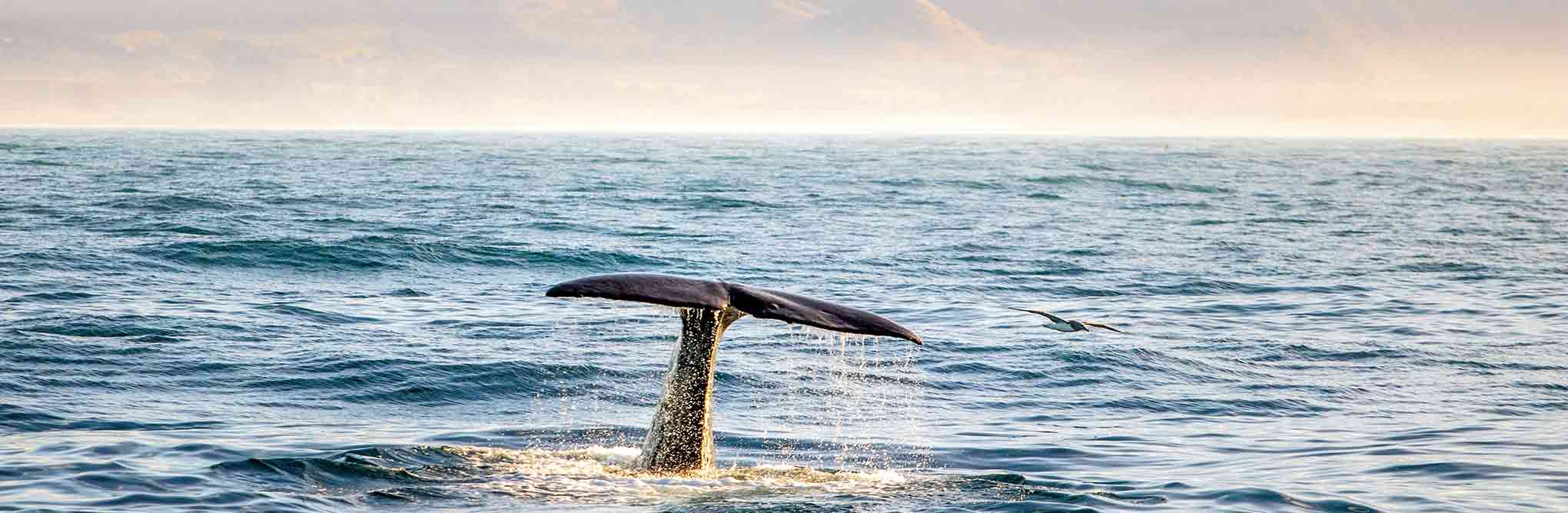
At Exclusive Expeditions, we build every whale-watching itinerary around these three things, because they shape the experience far more than the ship itself.
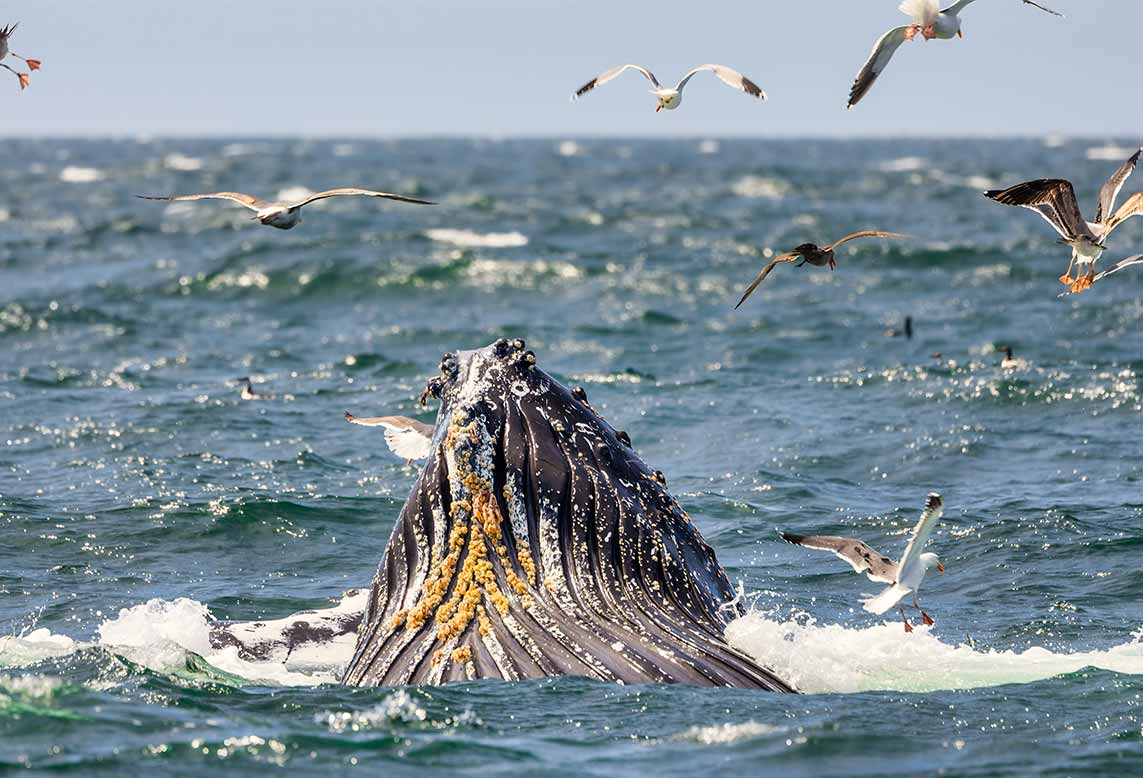
Whales are wild animals following their own feeding and migration patterns, not a scheduled performance. They travel thousands of miles across open seas, following food rather than a set clock. Even in the richest waters, during the strongest weeks of the season, a good guide will always be honest that nothing is certain.
What experienced operators can promise is stacking the odds in your favour, through the right region, the right timing, and naturalists who know exactly where to look. Experienced guides know how to spot subtle signs on the water, like diving sea birds or unusual ripples on the surface, long before a whale shoots water into the air. Go in with genuine curiosity rather than a fixed expectation, and almost every trip becomes rewarding regardless of what surfaces.
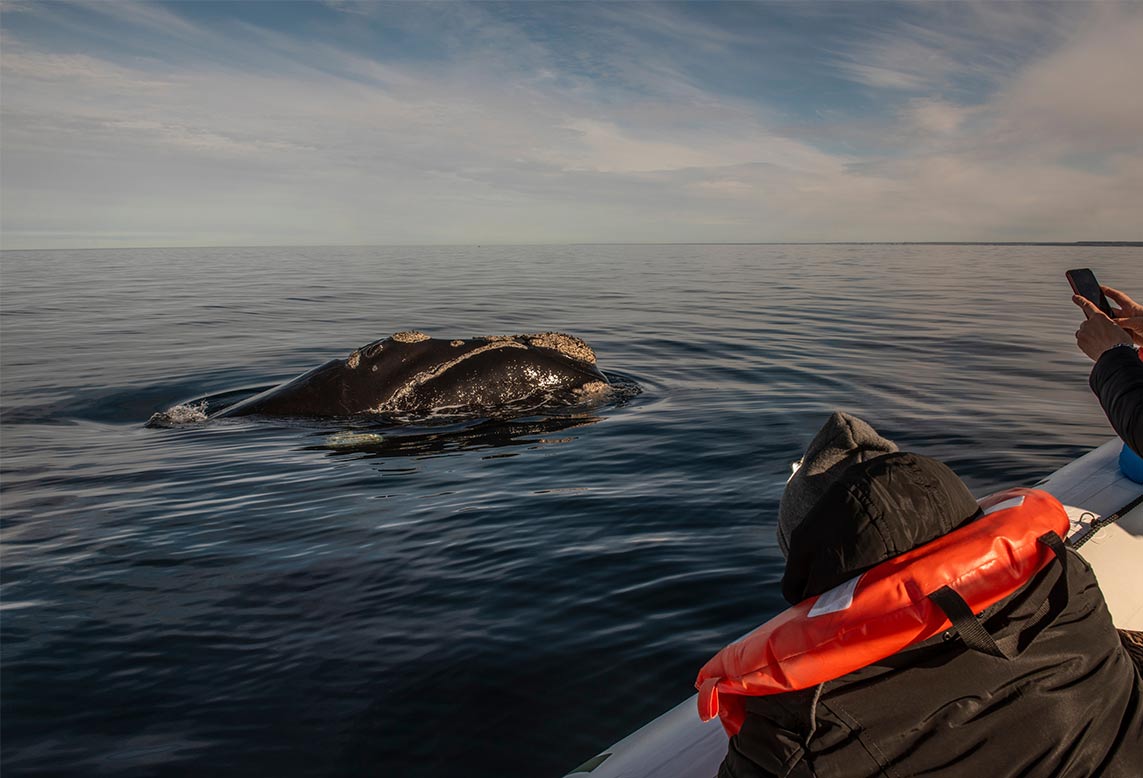
Even in relatively temperate waters, the wind on an open deck cuts far colder than the air temperature suggests, and spray from the water adds to the chill. When the boat slows down to watch for wildlife, you end up standing still for long periods, which chills you much faster than walking around on land.
Layers work best: a wicking base layer, an insulating mid layer, and a genuinely waterproof and windproof outer shell. Gloves and a hat make a bigger difference than most first-timers expect, and sun protection matters just as much, since reflected light off open water burns faster than you would think. Lip balm and sunglasses are also essential, as the glare off the ocean can tire your eyes quickly.
EE recommends: Bring layers you can add or remove quickly. Conditions on deck can shift considerably within a single outing, particularly in polar or subpolar waters where clear skies can quickly turn into cold, windy rain.
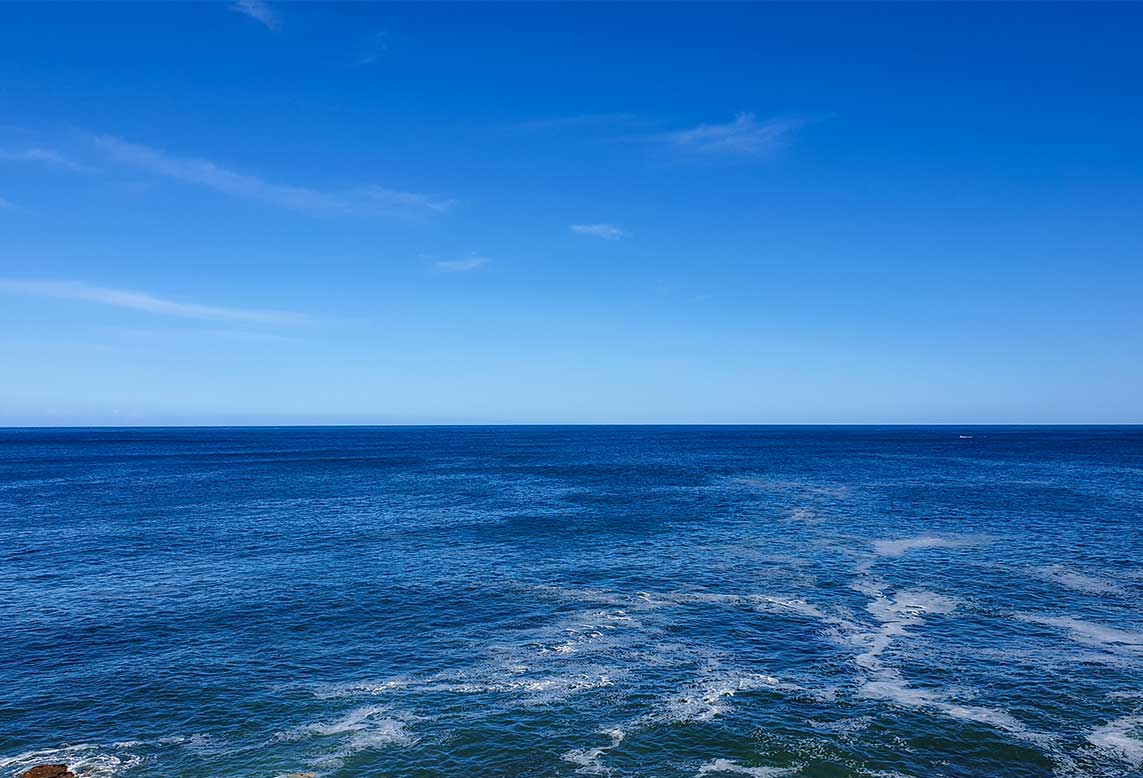
Open ocean crossings and the kind of slow, drifting search patterns used for whale watching can catch out people who have never had trouble on a boat before. The slow bobbing of a boat sitting still on ocean waves feels very different from a steady ferry ride.
If you are prone to motion sickness, speak to your doctor about medication well before departure. Taking motion sickness tablets the night before you sail often works much better than waiting until you already feel unwell. Even if you are not usually affected, packing a remedy as a precaution costs little and can save an otherwise wonderful day. Simple habits like staying out in the fresh air, looking at the flat horizon, and avoiding heavy meals before sailing can also keep you feeling good.
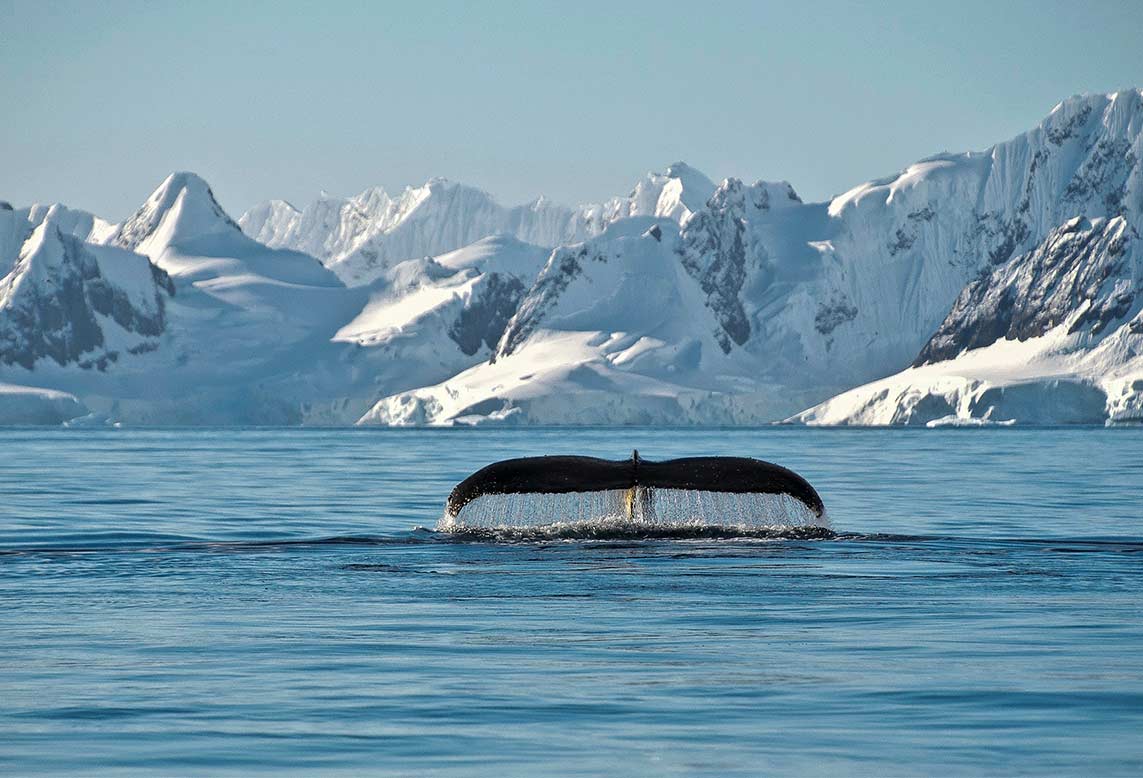
Different regions and months favour completely different species and behaviour. Humpback breaching, orca hunting, and minke curiosity each peak in different waters at different times of year, and matching your trip to the right window matters enormously. For example, seeing massive blue whales requires visiting specific feeding grounds at the right time of year, while humpbacks are famous for leaping out of the water in polar regions during the summer.
Our guide to Antarctica whale watching breaks this down in detail for the Southern Ocean, where February and March bring the richest concentrations of humpback, minke, and orca activity. If you are still deciding where to go, our roundup of the ten best expedition destinations in the world covers several other whale-rich regions worth considering.
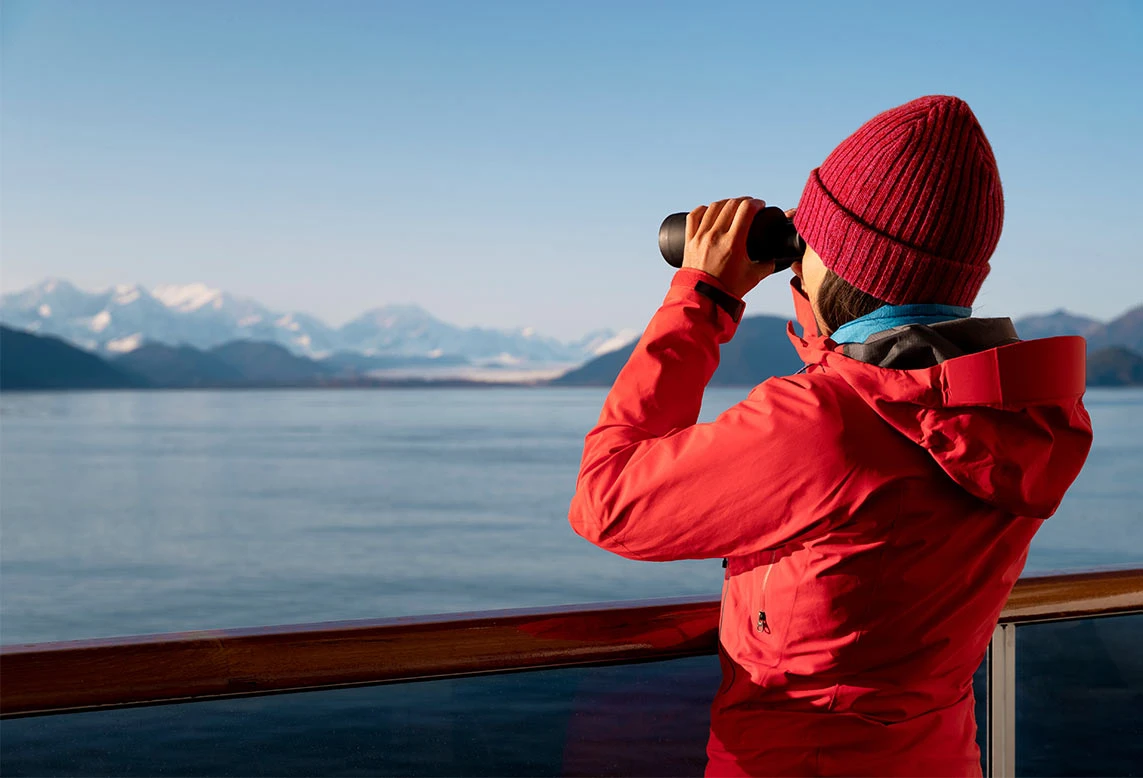
You do not need professional camera equipment to enjoy whale watching, but a pair of binoculars makes a genuine difference, since whales often surface at distance before a boat can approach. Standard waterproof binoculars give you a crisp, steady view without feeling too heavy on a moving boat.
If you do bring a camera, a mid-range zoom lens will serve you far better than an ultra-long lens that is difficult to track a moving animal with. Be sure to put the camera down occasionally to enjoy the moment with your own eyes, the sound of a whale breathing out on a quiet ocean is something no photo can capture. Beyond that, keep your bag light. You want your hands free to hold a rail, not juggle equipment, when something finally surfaces.
Good to know: The best whale watching departures, particularly for polar destinations, sell out well ahead of time. Our guide on when to book an expedition cruise explains why booking early really pays off for these voyages.
Ready to plan your first whale watching expedition? Contact our team to talk through which destination and season best match what you hope to see.
Read our full guide to Antarctica whale watching, discover more of the world’s richest wildlife regions in our guide to the ten best expedition destinations, or find out when to book an expedition cruise for the best value.
Every journey we offer is handpicked by our specialists. These are the ones we recommend the most.
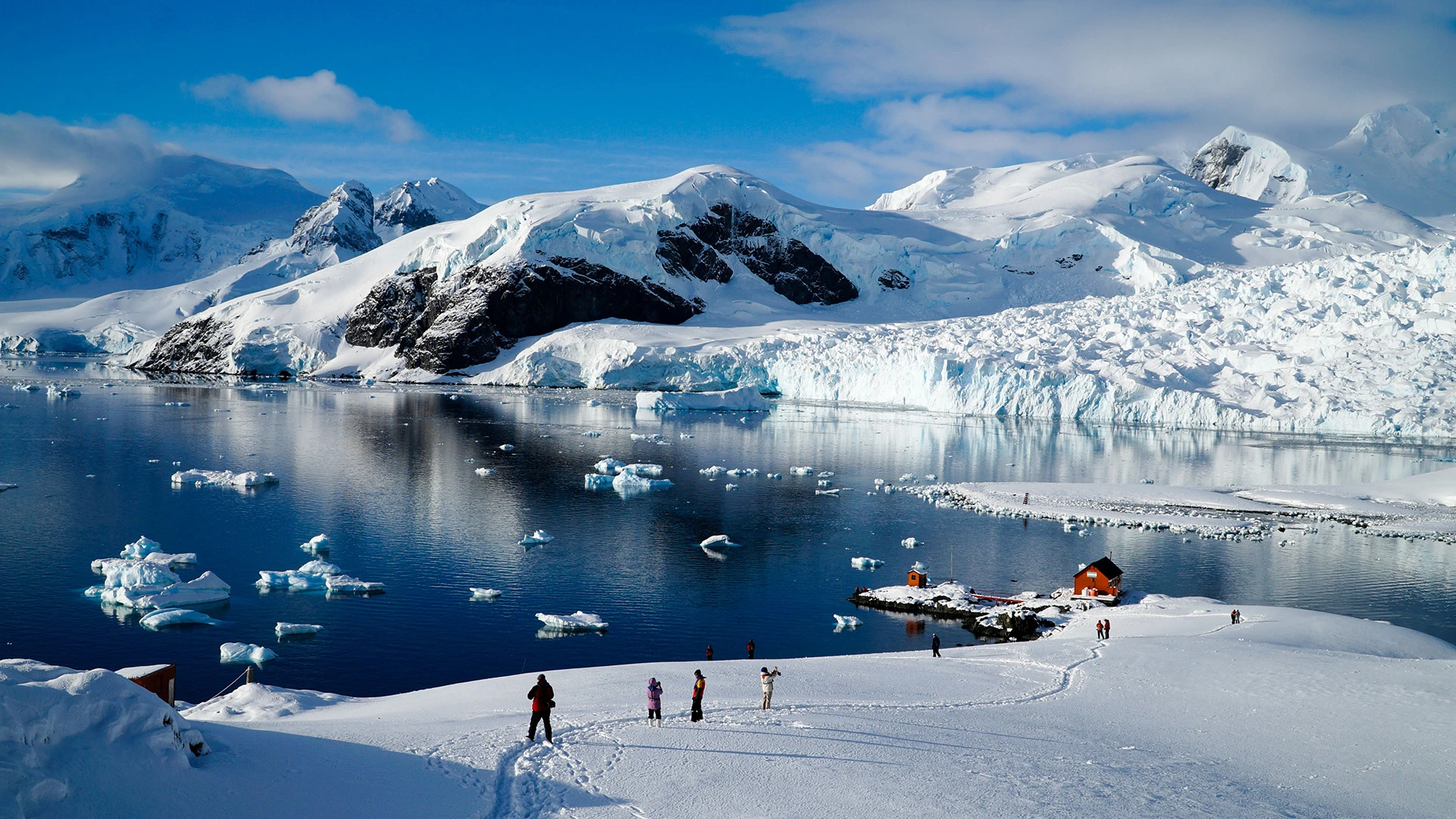
14 Nights From £10,850pp
Explore Antarctica aboard Ocean Explorer with Quark Expeditions, witnessing glaciers, penguins, whales, and Zodiac or kayaking adventures.
View details
9-14 Nights Nights From £8,000pp
Discover the 7th continent with Exclusive Expeditions. Our Antarctic Explorer tours offer bespoke luxury cruises and tailor-made expeditions.
View details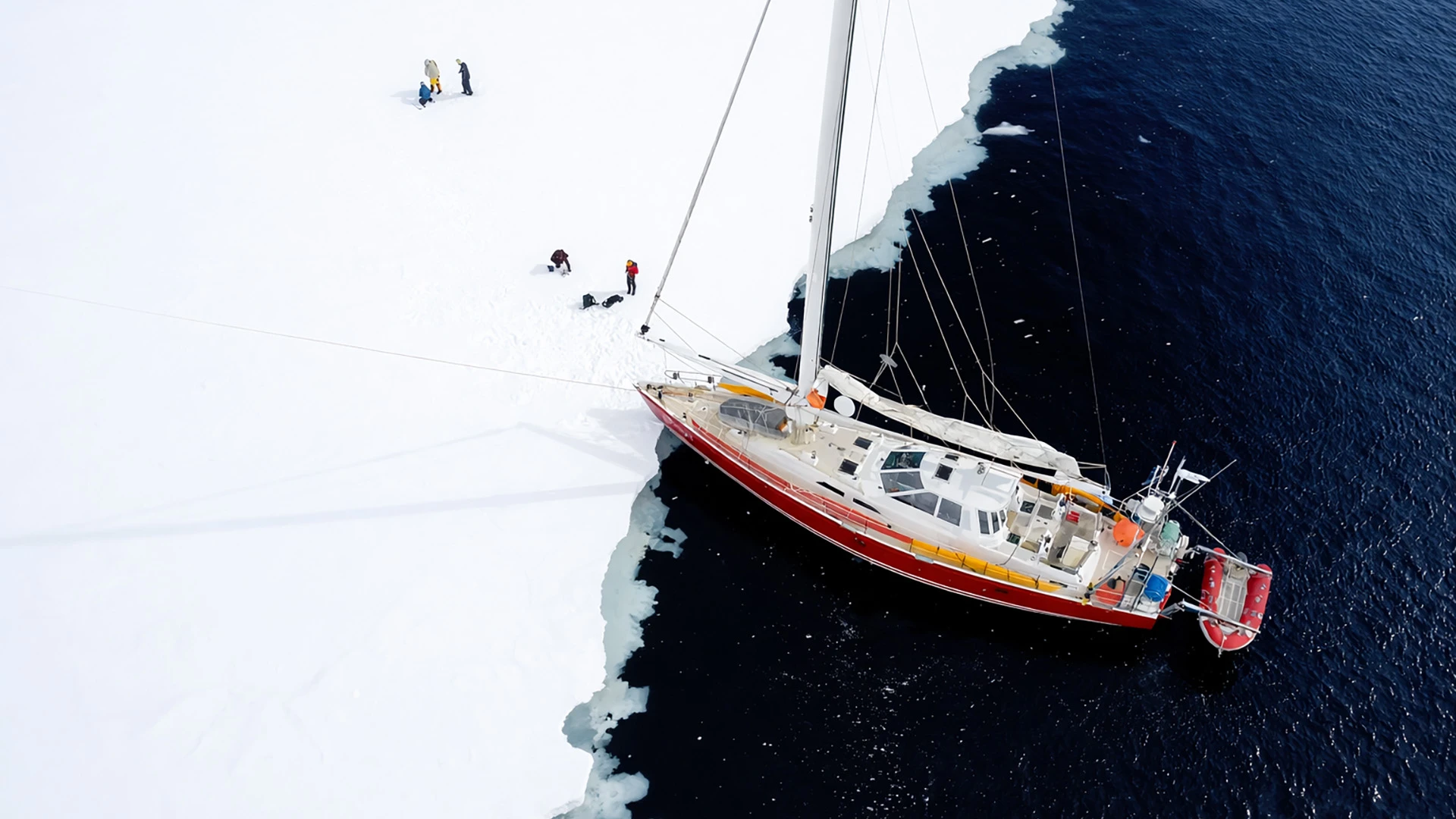
19 Nights From £16,460pp
A world-first Antarctic adventure combining expedition cruising with ultra-exclusive polar yachting for rare access.
View details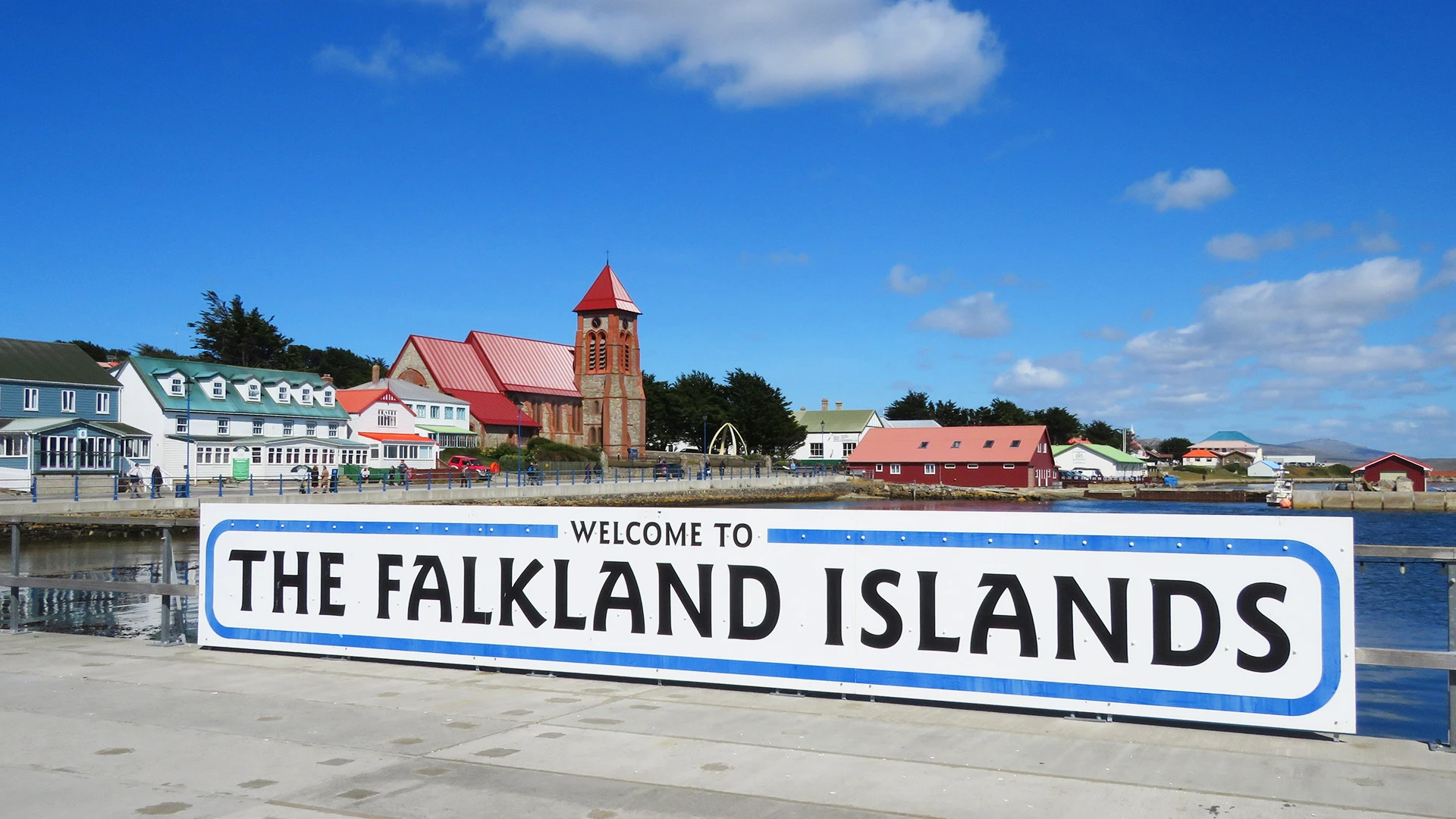
22 Nights From £15,300pp
Experience the ultimate Southern Ocean voyage, exploring Antarctica, South Georgia and the wildlife-rich Falklands.
View details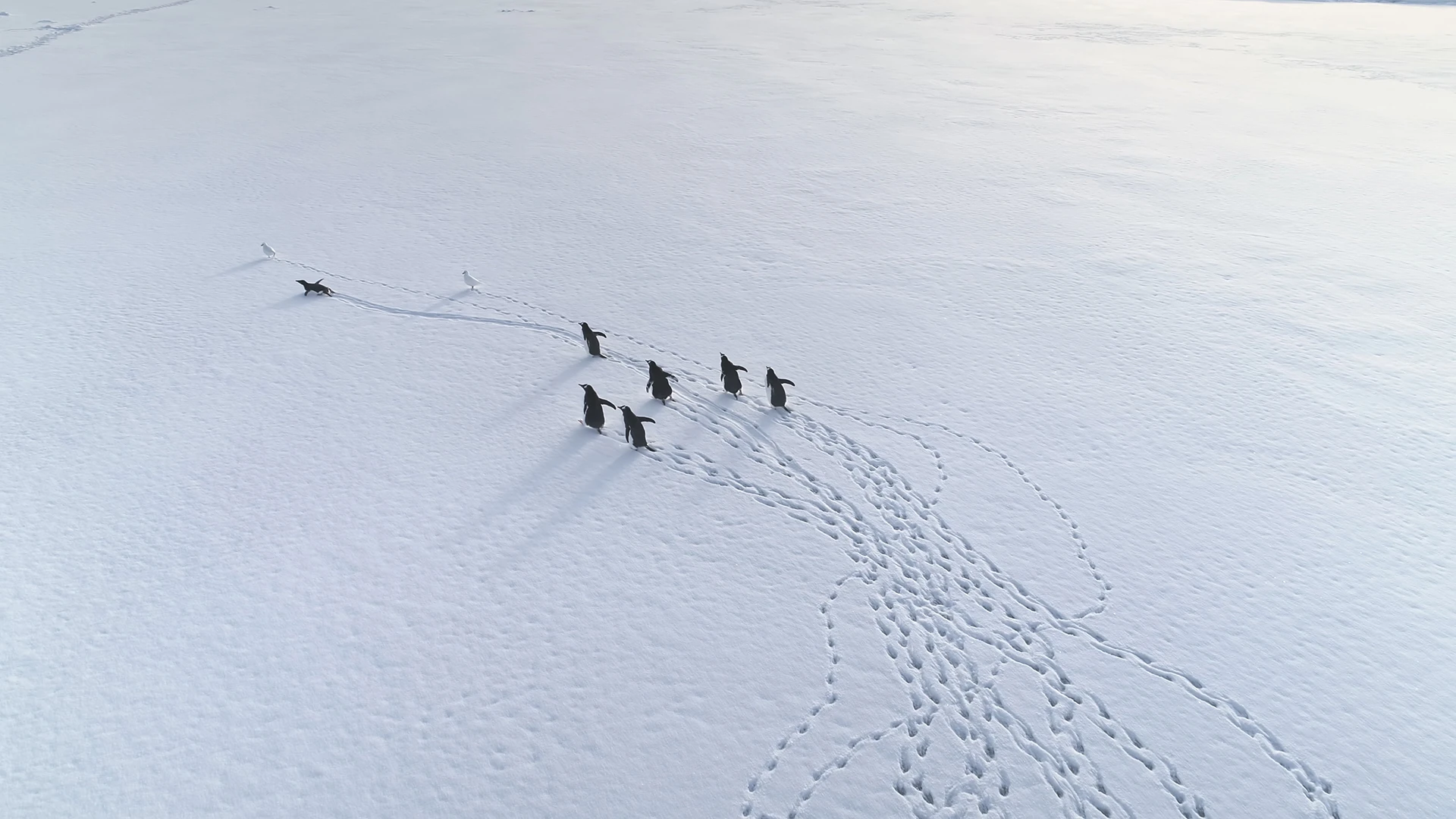
9 Nights From £13,000pp
Discover the true spirit of Antarctica, with immersive exploration, breath-taking scenery and unforgettable encounters.
View details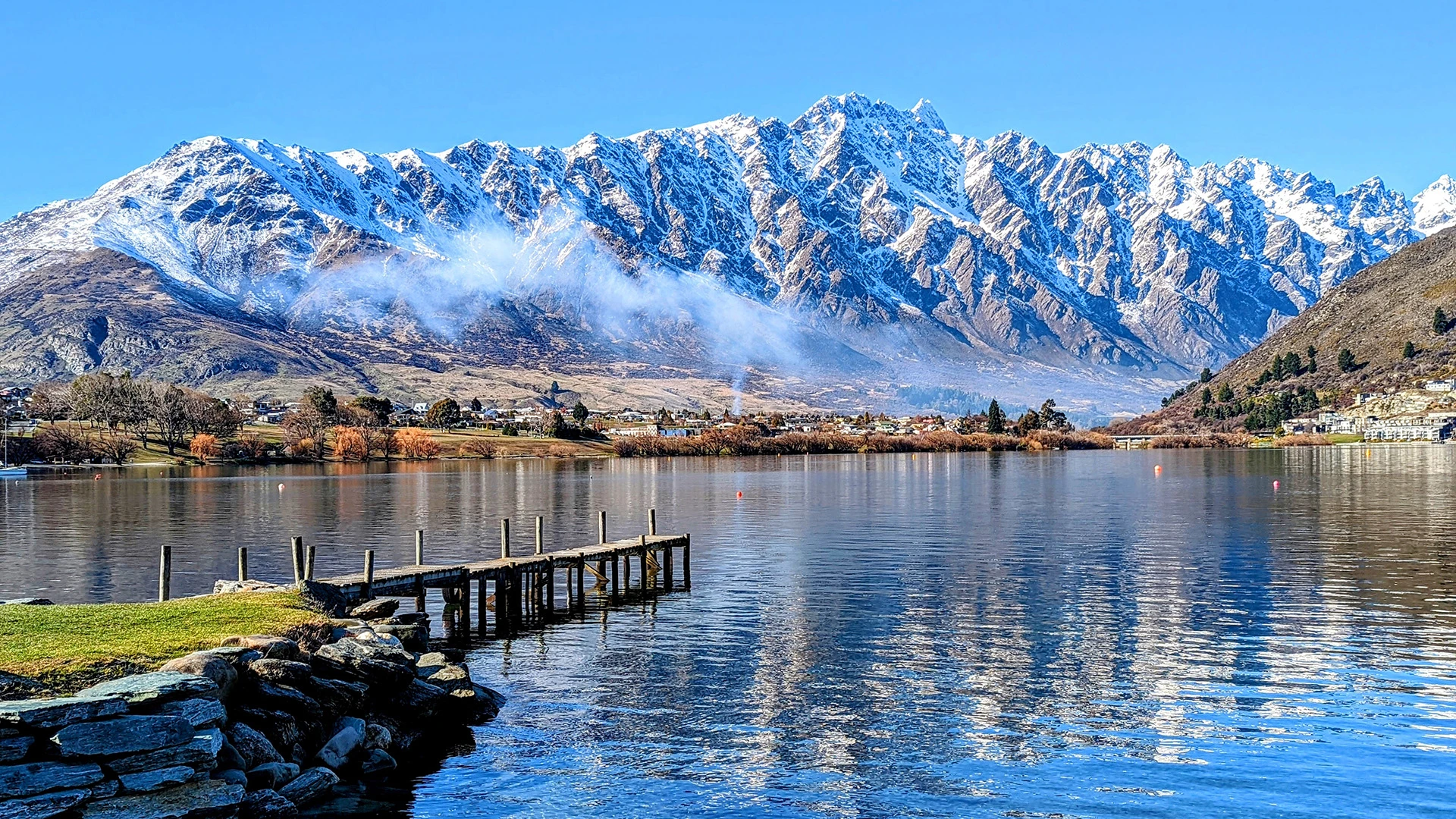
27 Nights From £26,000pp
Embark on a 27-night voyage through Antarctica and the remote Ross Sea, rich in wildlife and polar history.
View details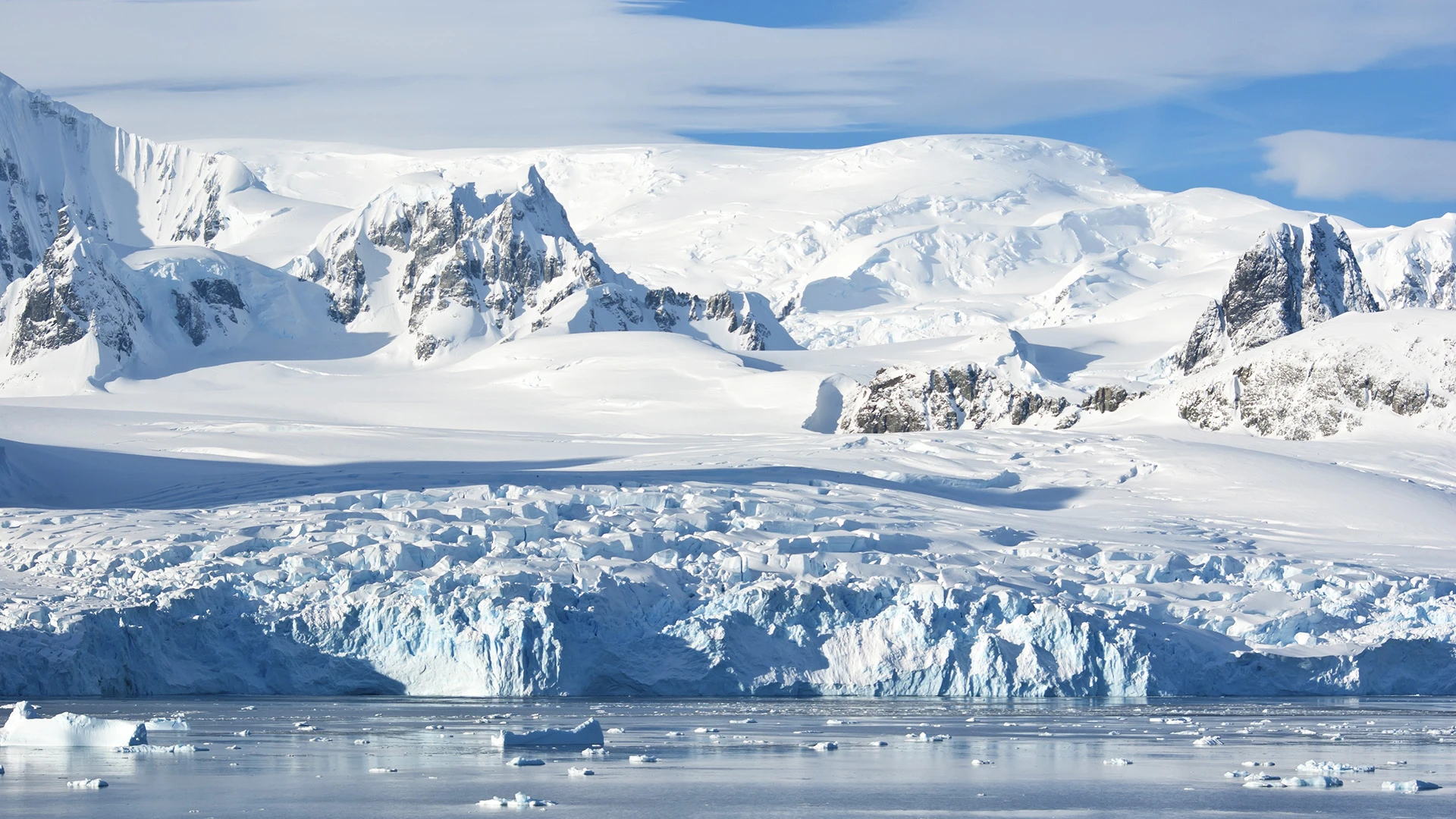
10 Nights From £9,650pp
Delve deeper into the Antarctic Peninsula, exploring remote bays, vast glaciers and thriving wildlife colonies.
View details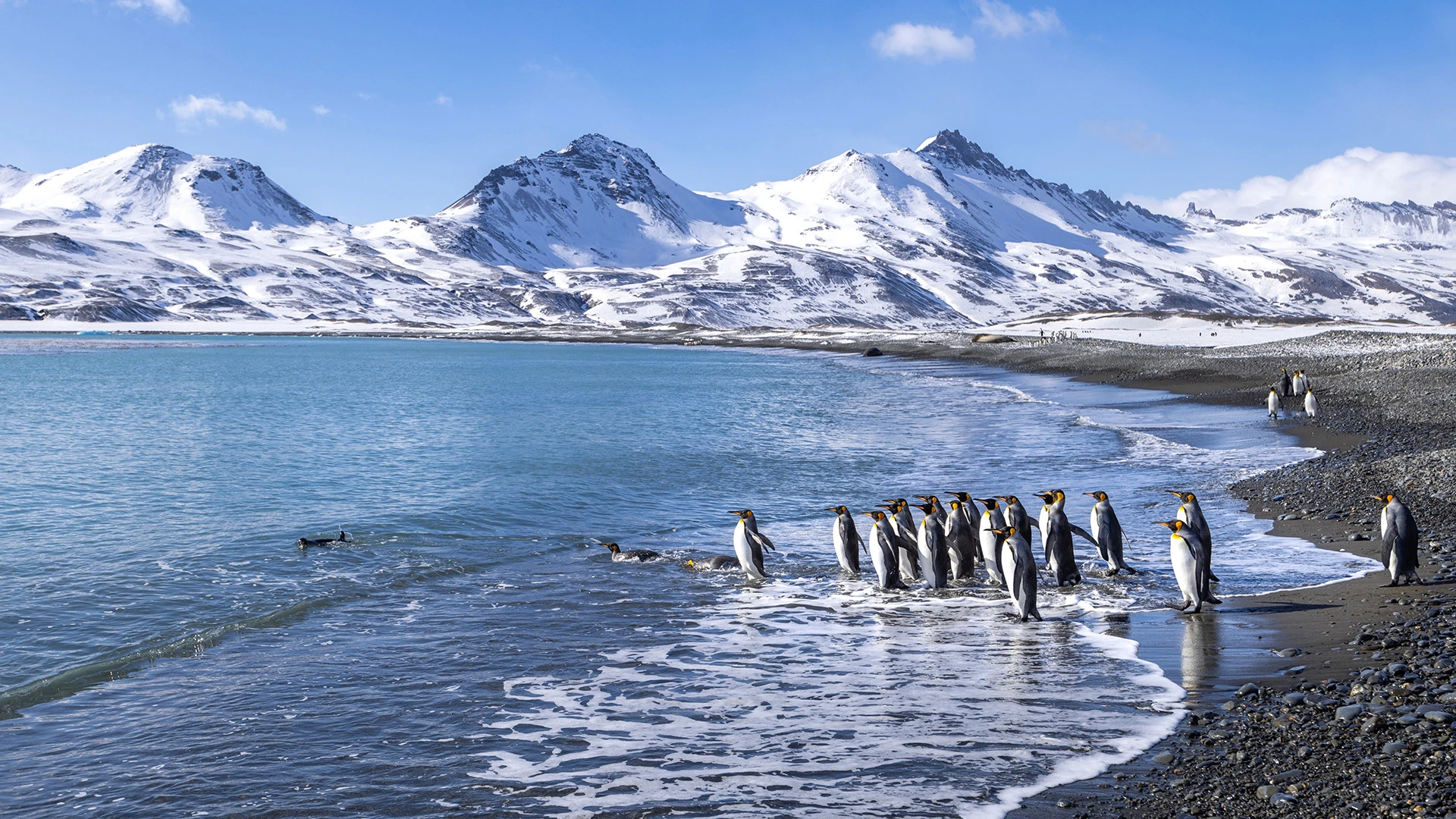
20 Nights From £11,500pp
Journey from Africa to Antarctica, discovering remote islands, rich wildlife and the wonders of the Southern Ocean.
View details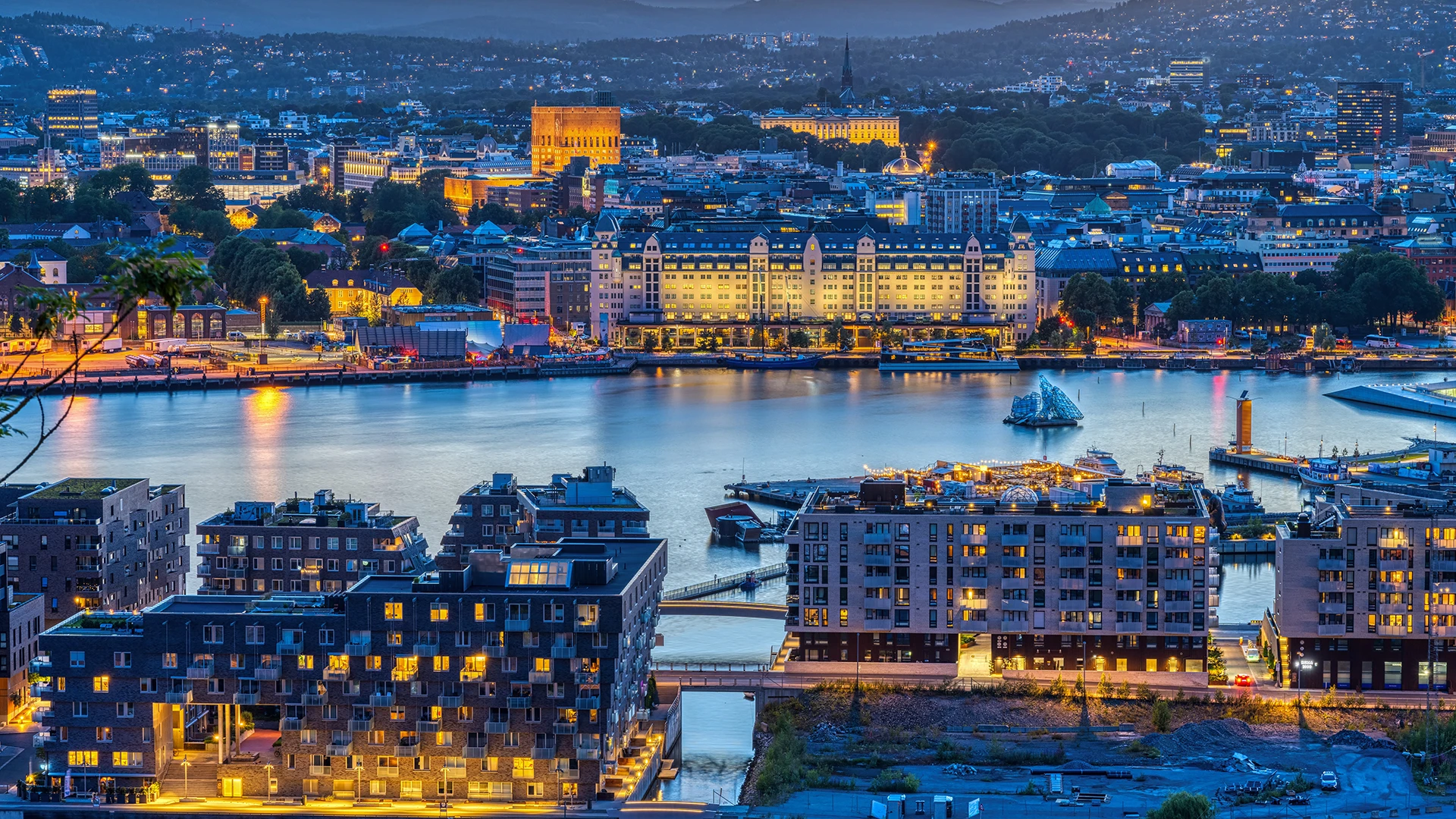
9 Nights From £12,260pp
A seven-night Aqua Lares expedition through Svalbard's fjords, glaciers, and polar wildlife
View details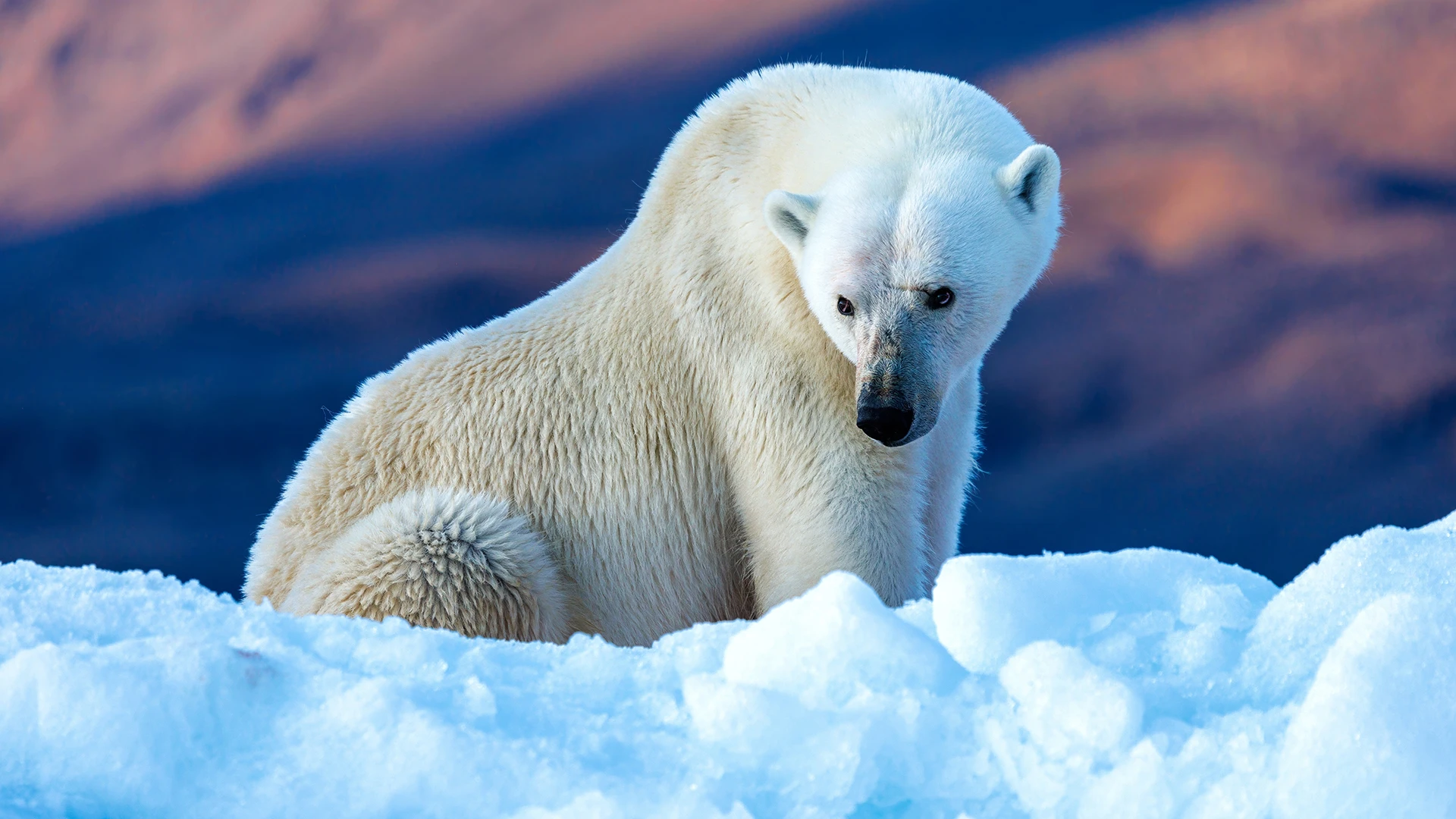
8 Nights From £8,000pp
Sail through Spitsbergen’s glaciers and fjords in search of polar bears and Arctic wildlife.
View details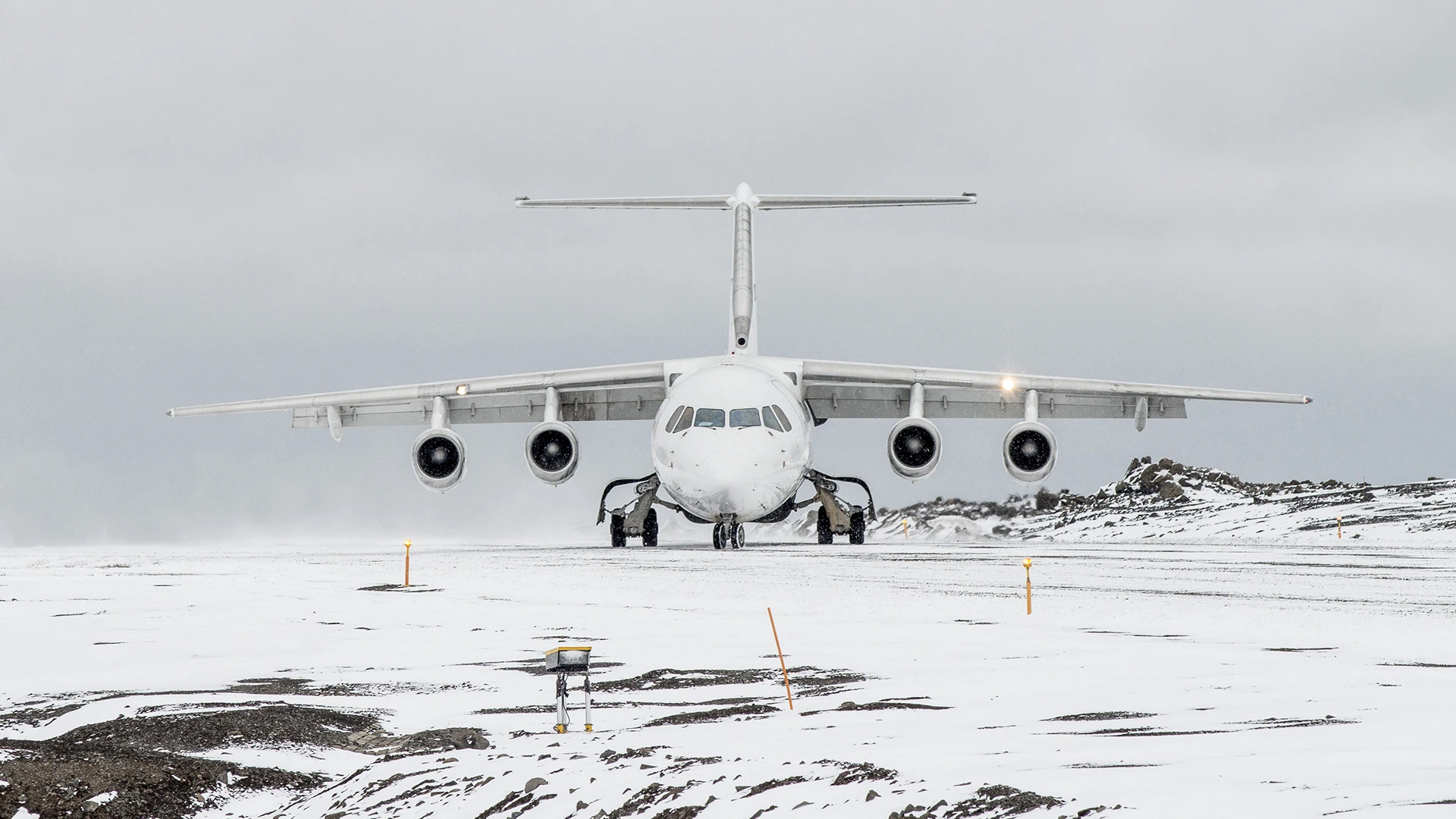
12 Nights From £15,150pp
Explore Chilean wine and culture, then fly to Antarctica to see glaciers, wildlife, and the South Shetland Islands.
View details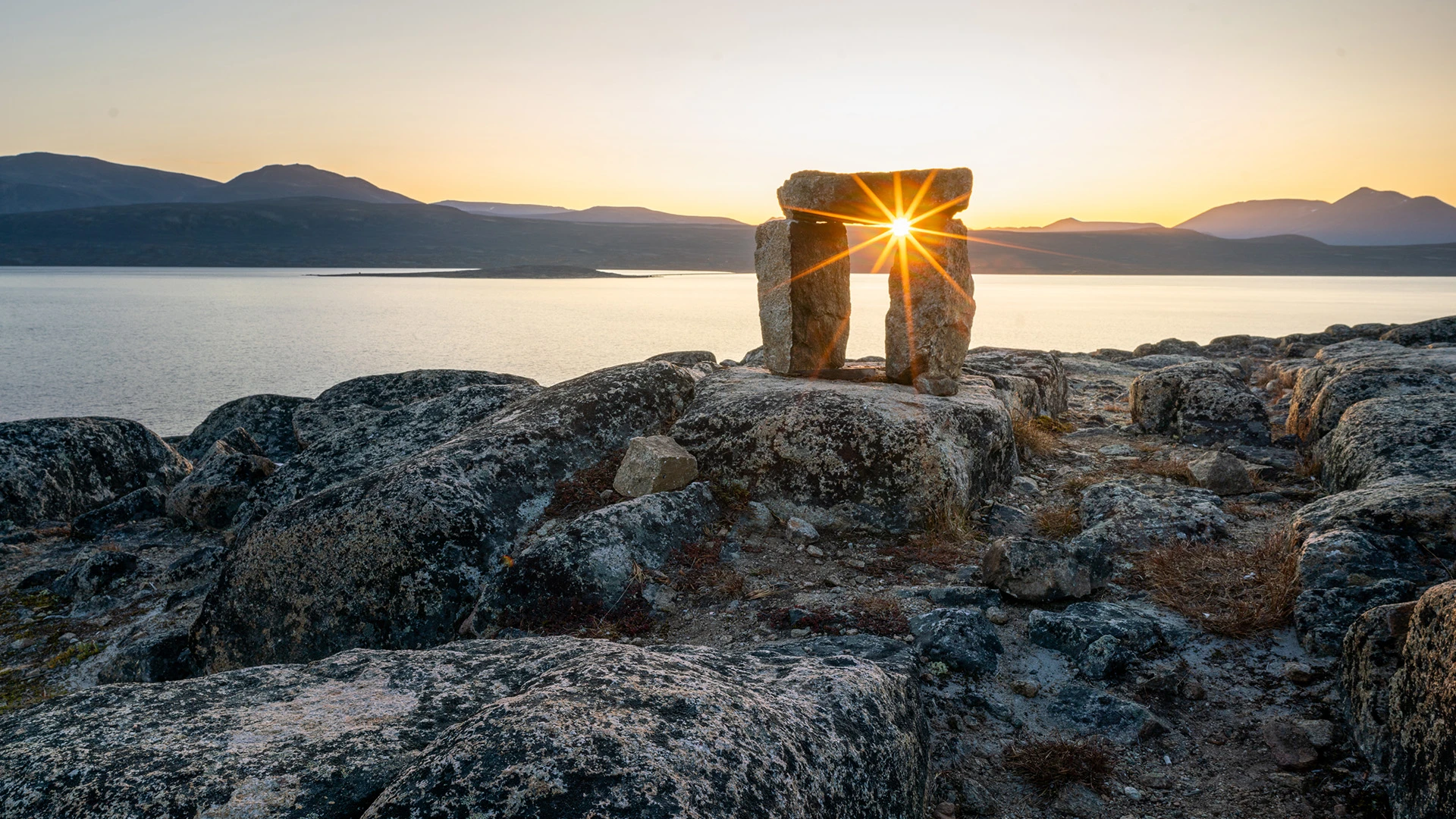
16 Nights From £17,000pp
Navigate the legendary Northwest Passage, exploring remote Arctic landscapes, Inuit culture, and polar wildlife.
View details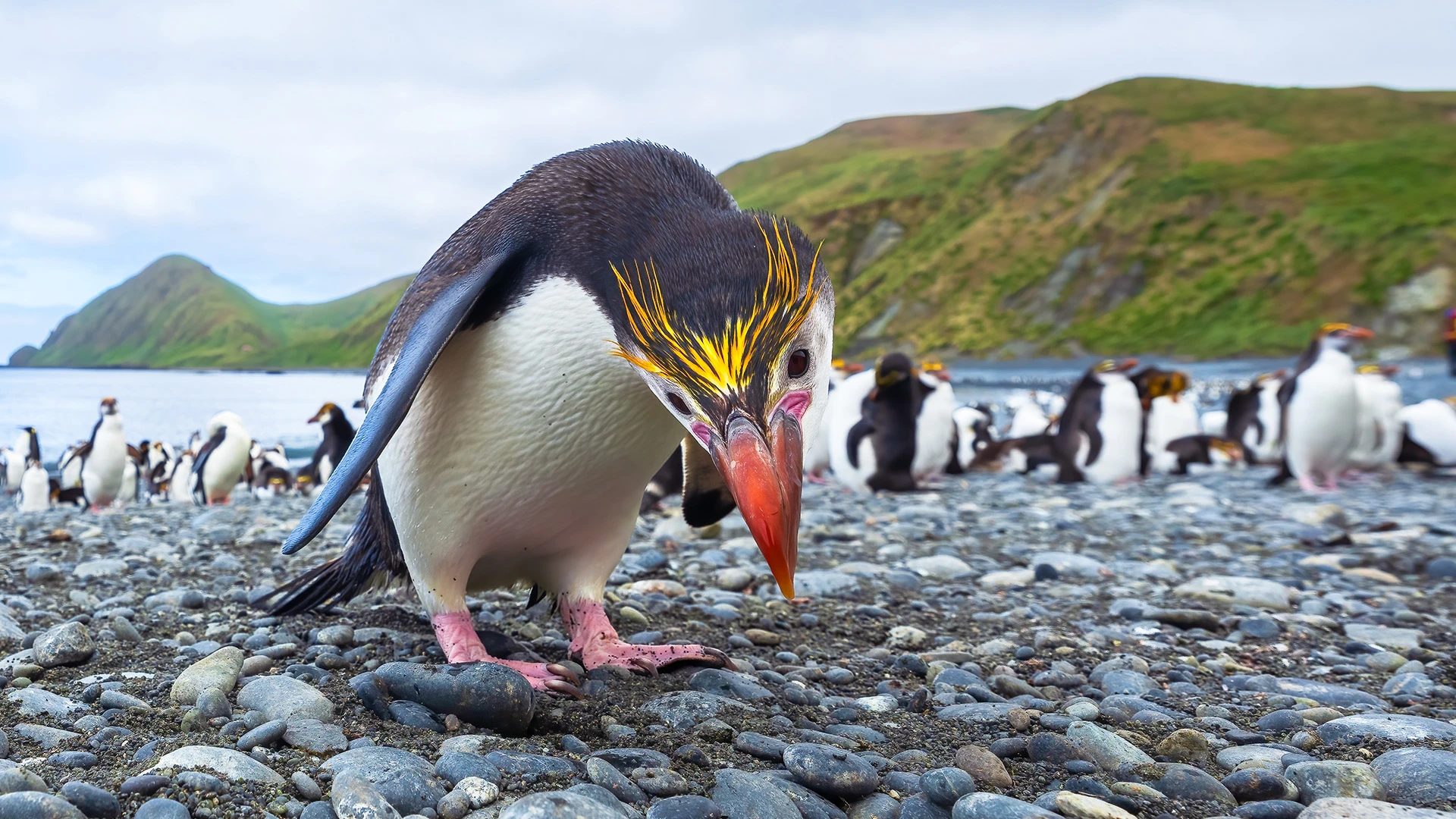
14 Nights Nights From £14,000pp
Experience the Sub-Antarctic Islands in comfort, with rare wildlife encounters, stunning scenery, and refined exploration.
View details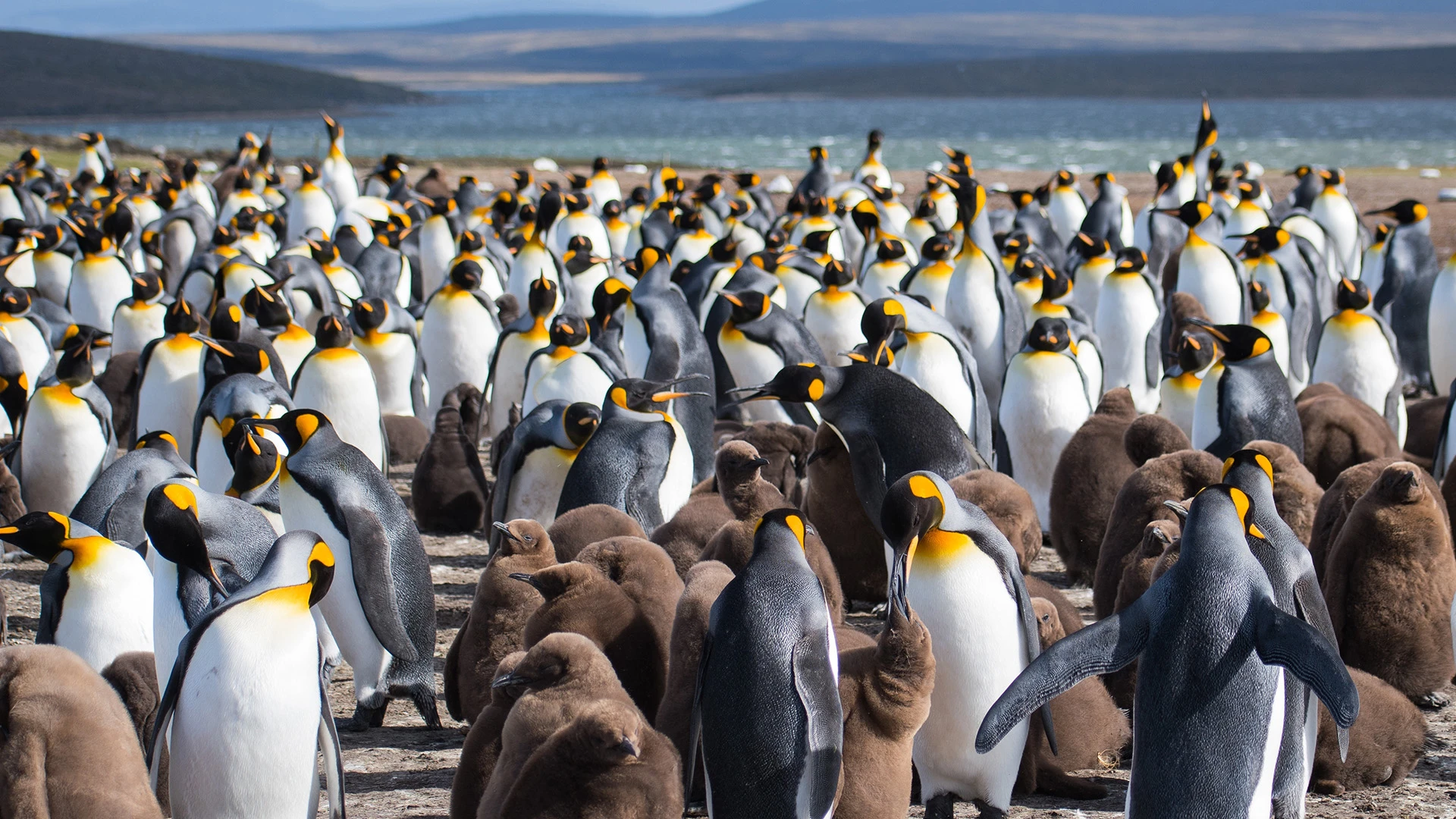
20 Nights Nights From £22,500pp
Journey to Antarctica, South Georgia and the Falklands, where luxury meets extraordinary polar exploration.
View details
5 Nights From £13,500pp
Experience the White Continent in style, combining elegant surroundings with immersive polar exploration.
View details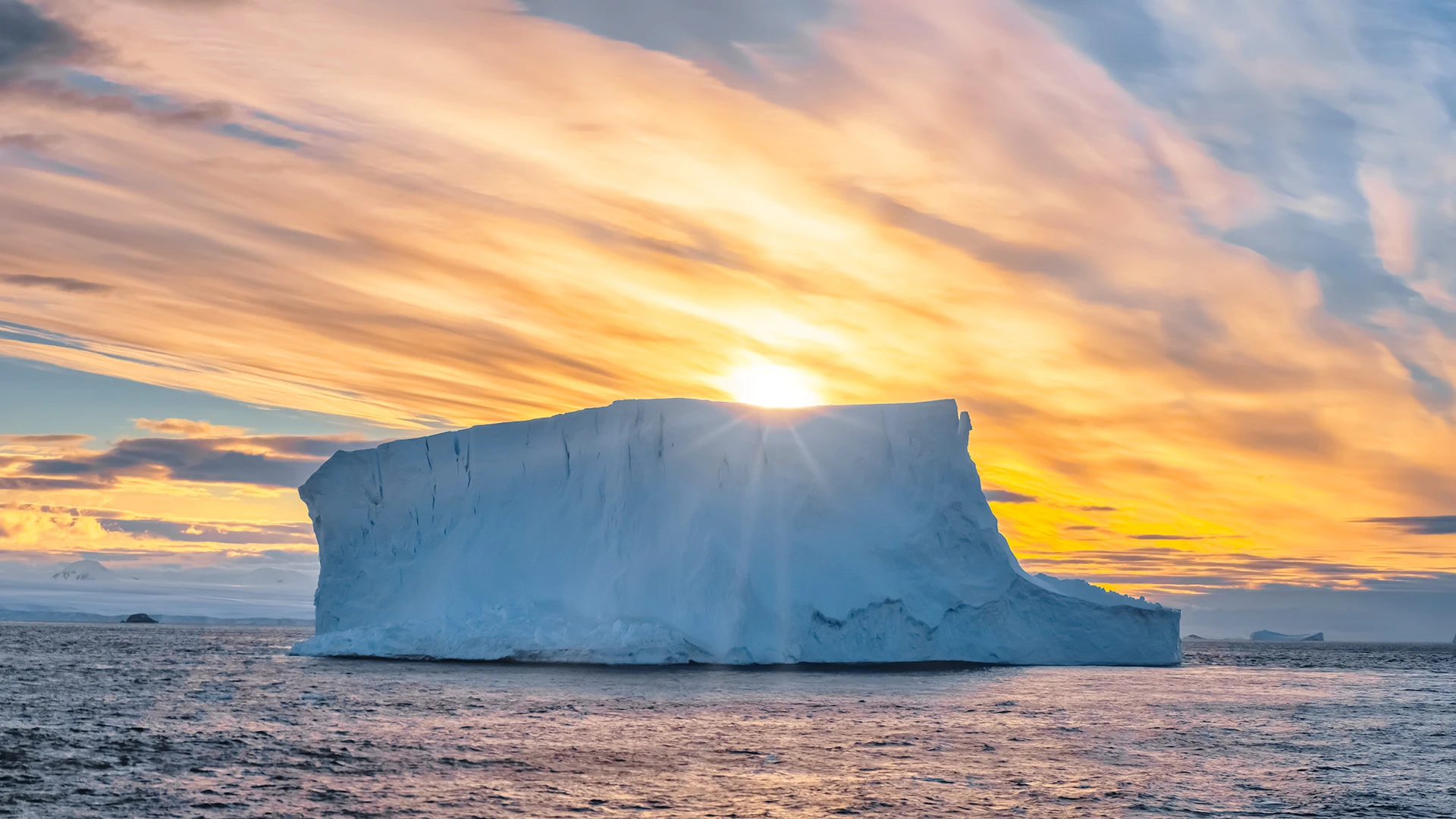
29 Nights From £58,000pp
Experience the ultimate polar crossing, exploring Antarctica and the remote Ross Sea with refined luxury.
View details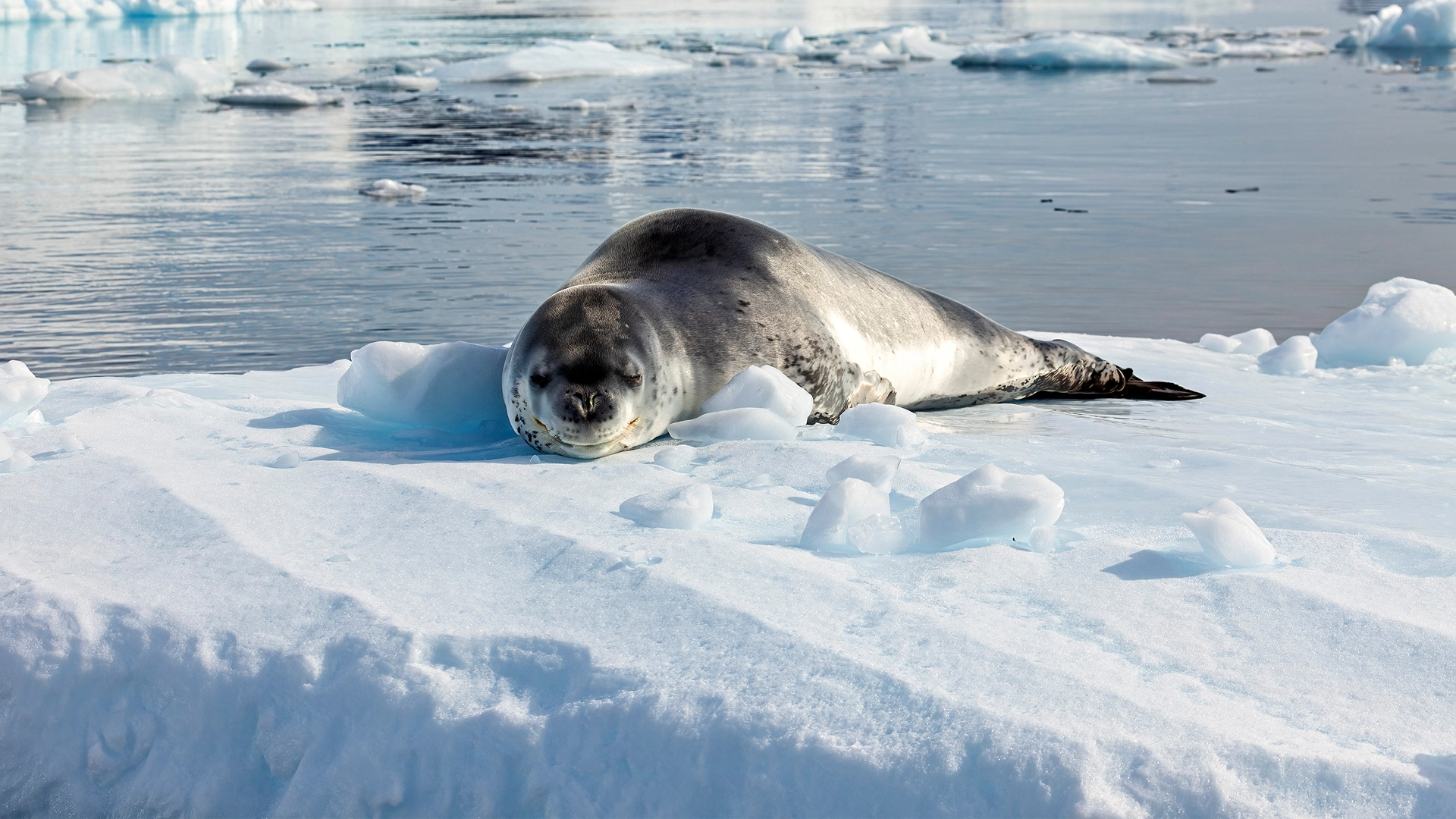
11 Nights From £16,400pp
Journey to the Antarctic Peninsula in style, where extraordinary wildlife meets world-class comfort.
View details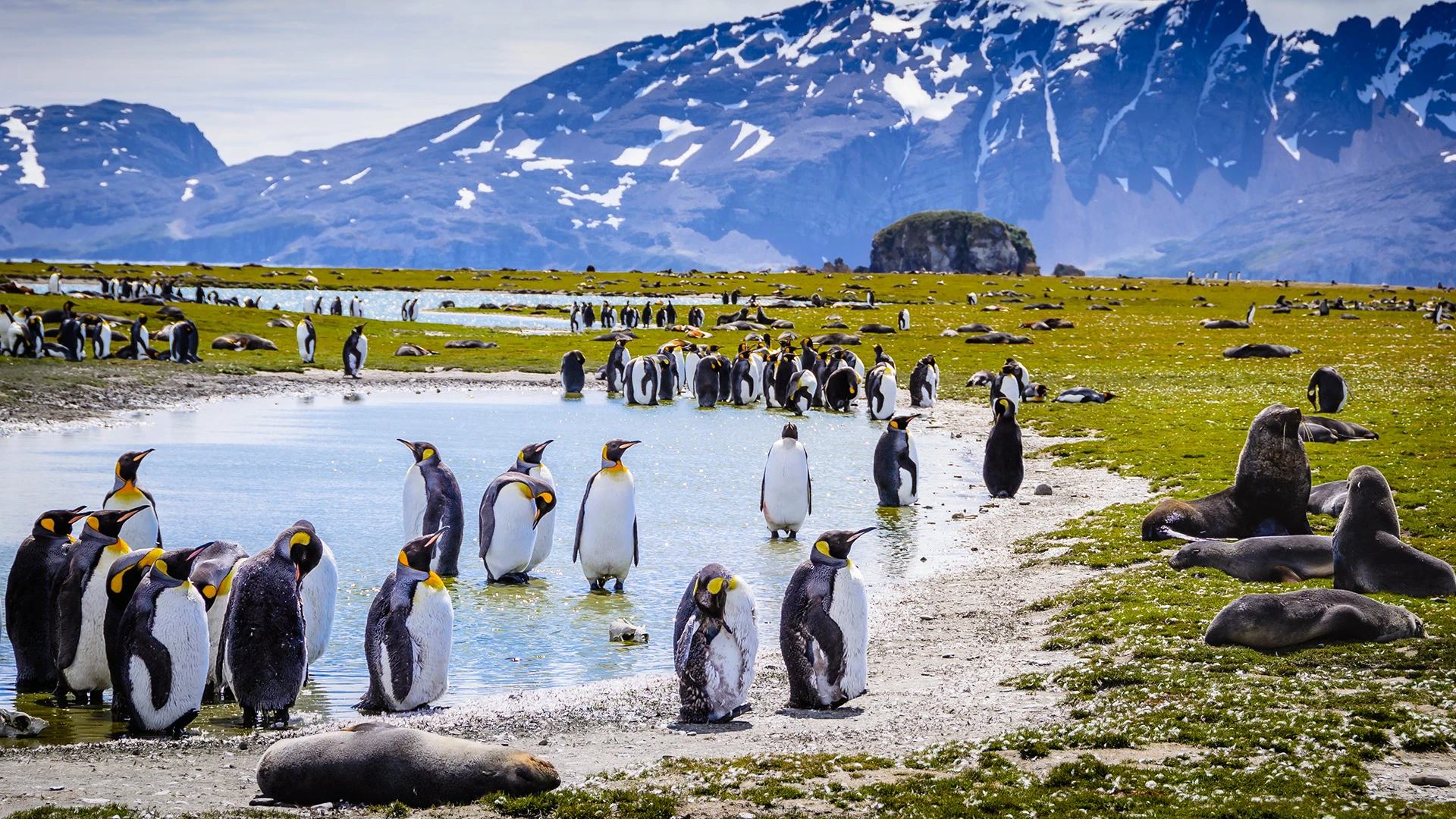
21 Nights From £14,500pp
Sail from Africa to Antarctica in style, discovering remote islands, remarkable wildlife and polar wonders.
View details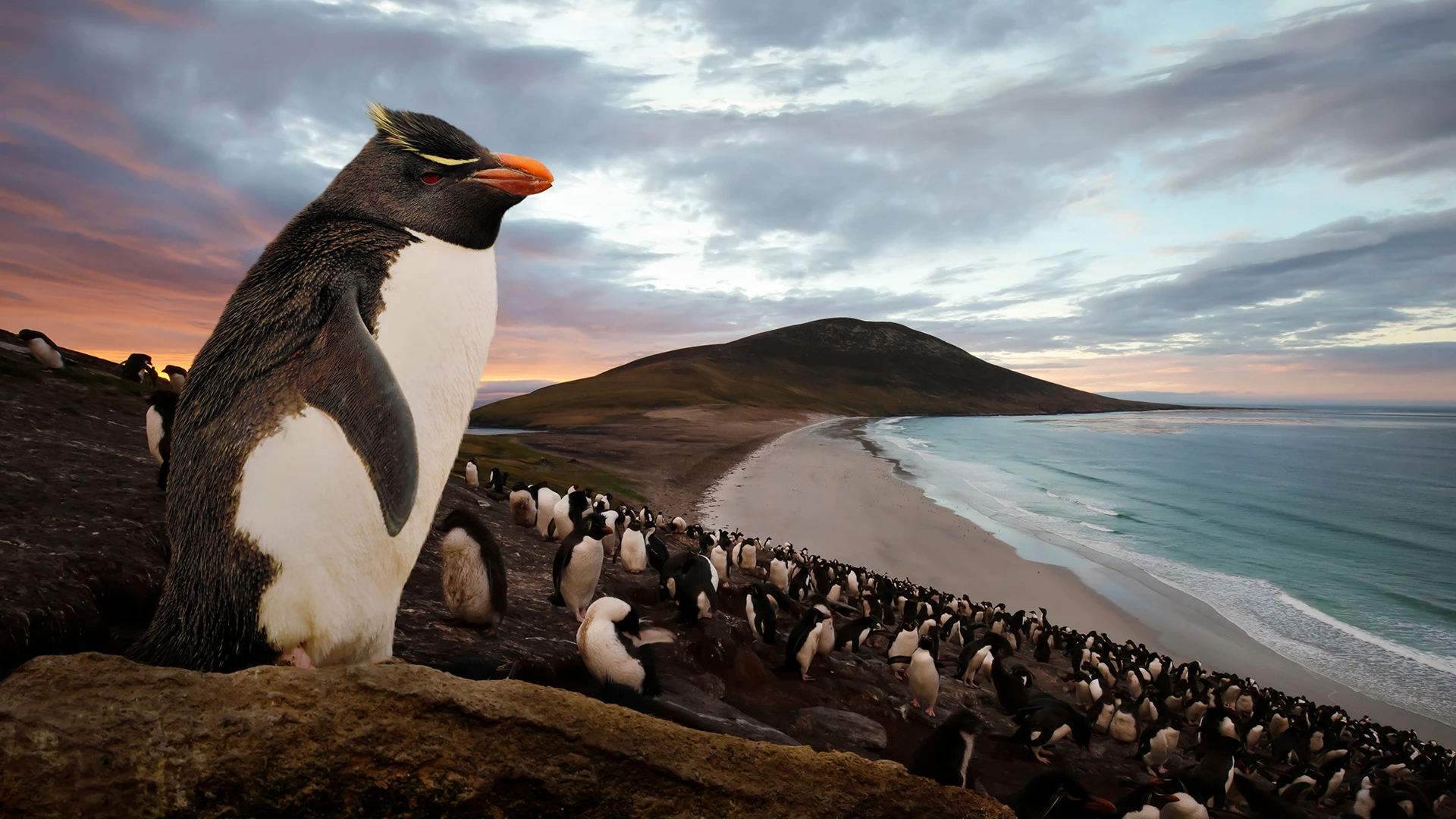
24 Nights From £15,730pp
Sail from South America aboard the boutique Ocean Nova, exploring South Georgia, the Falklands and Antarctica.
View details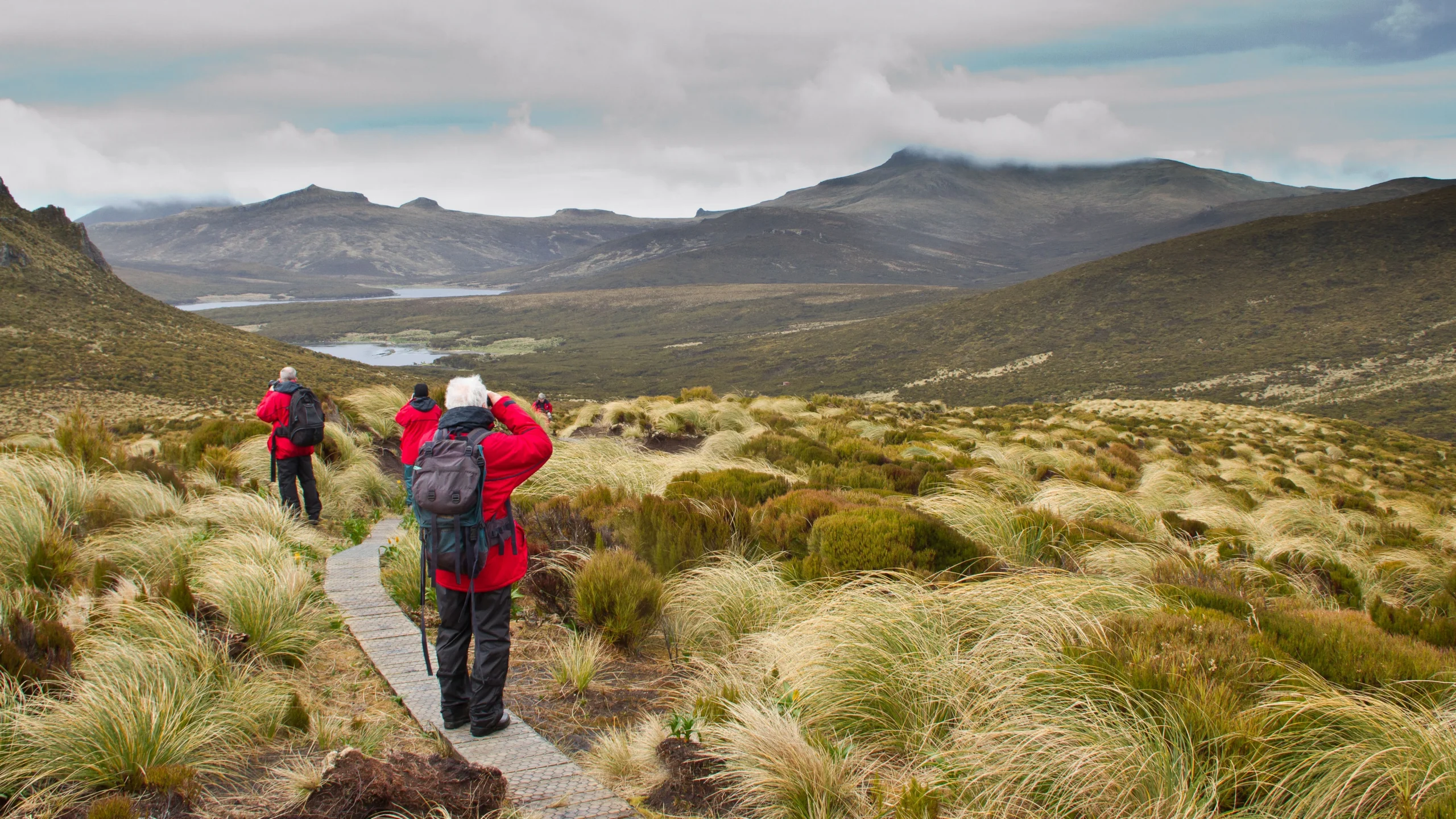
11 Nights Nights From £6,750pp
Journey to the remote Sub-Antarctic Islands, discovering rare wildlife, dramatic landscapes, and untamed beauty.
View details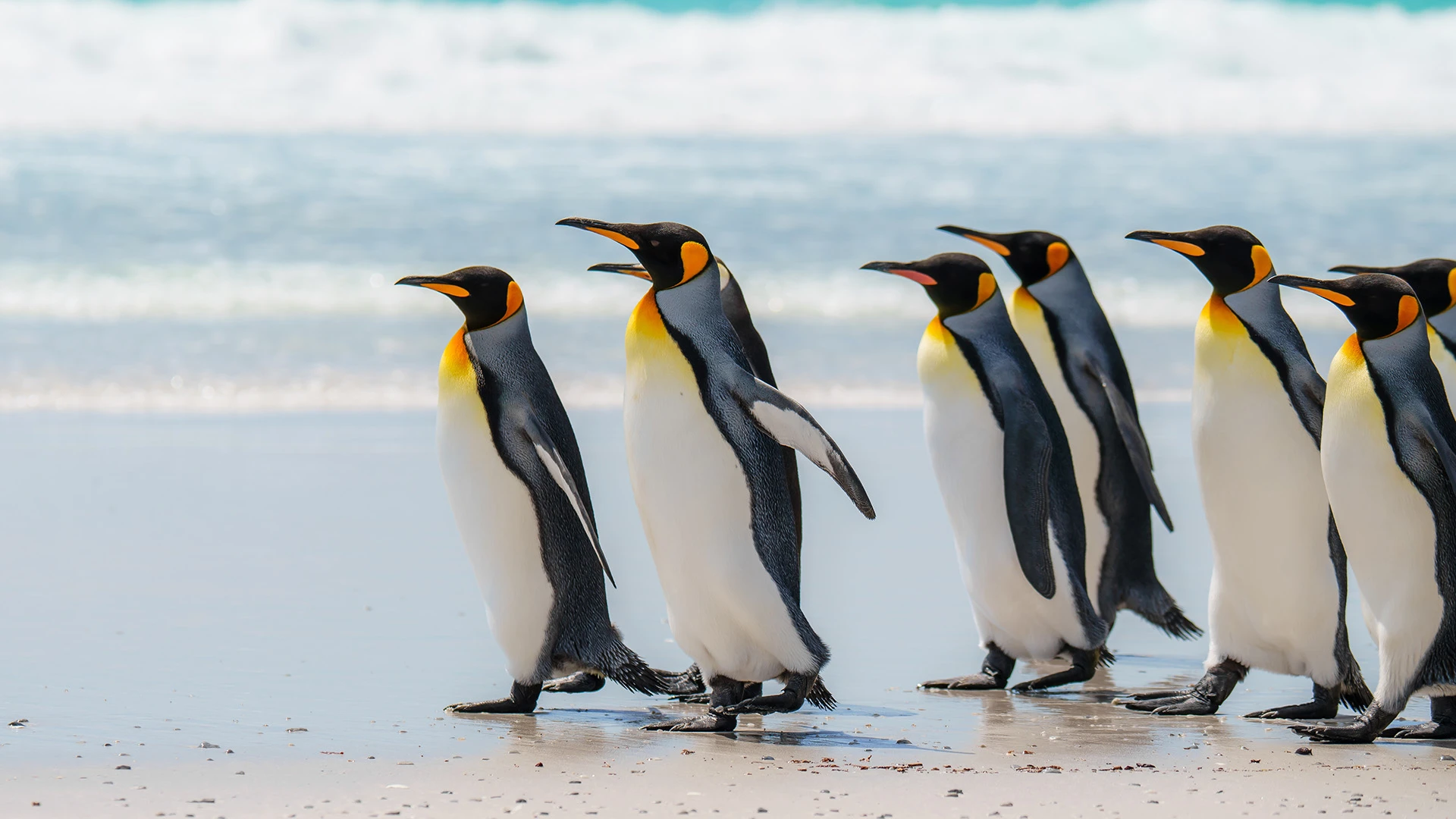
21 Nights From £9,200pp
Discover Antarctica, South Georgia and the Falklands, where epic landscapes and extraordinary wildlife await.
View details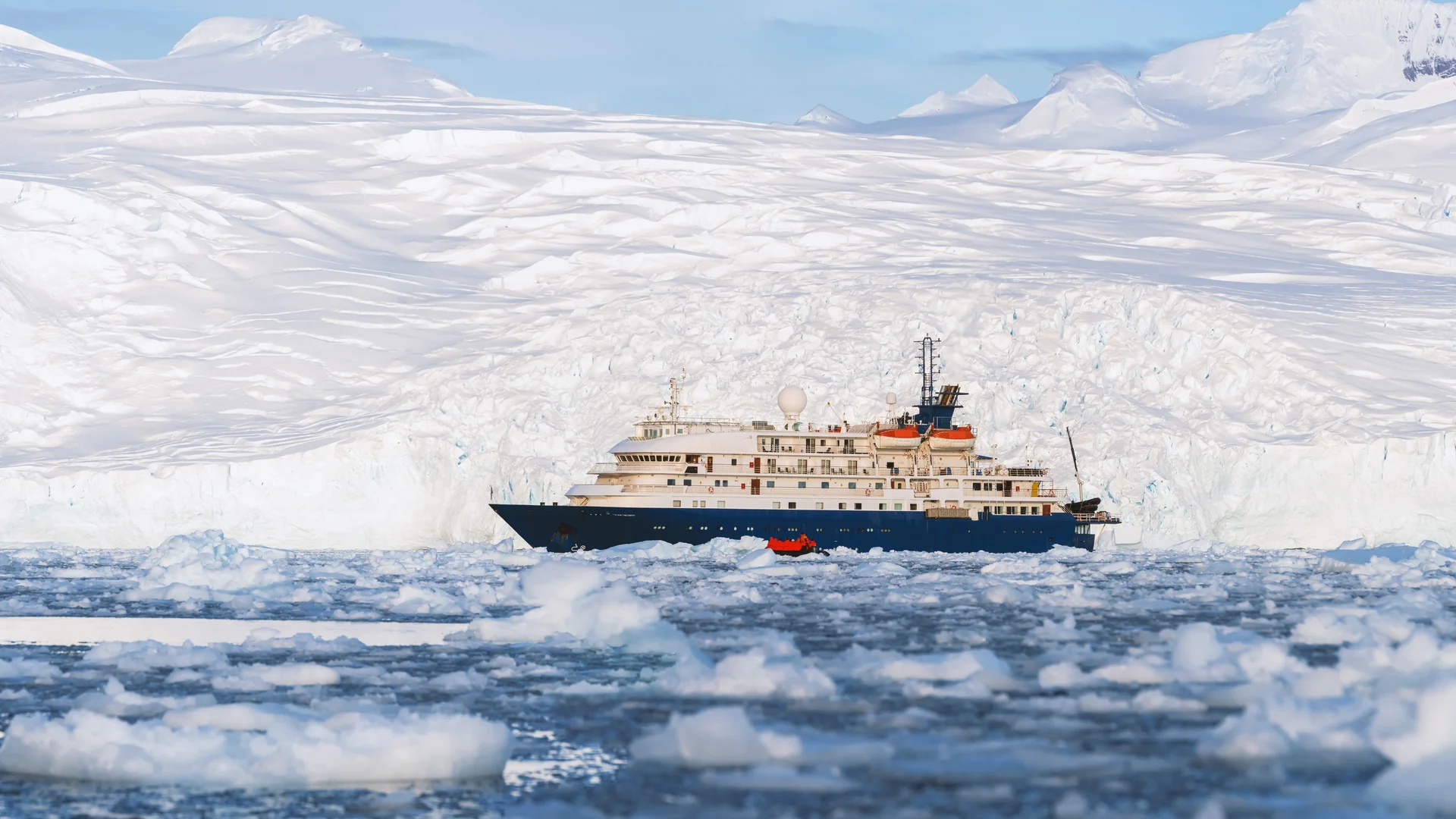
5 Nights From £4,500pp
Fly across the Drake Passage and maximise your time exploring Antarctica's spectacular icy wilderness.
View details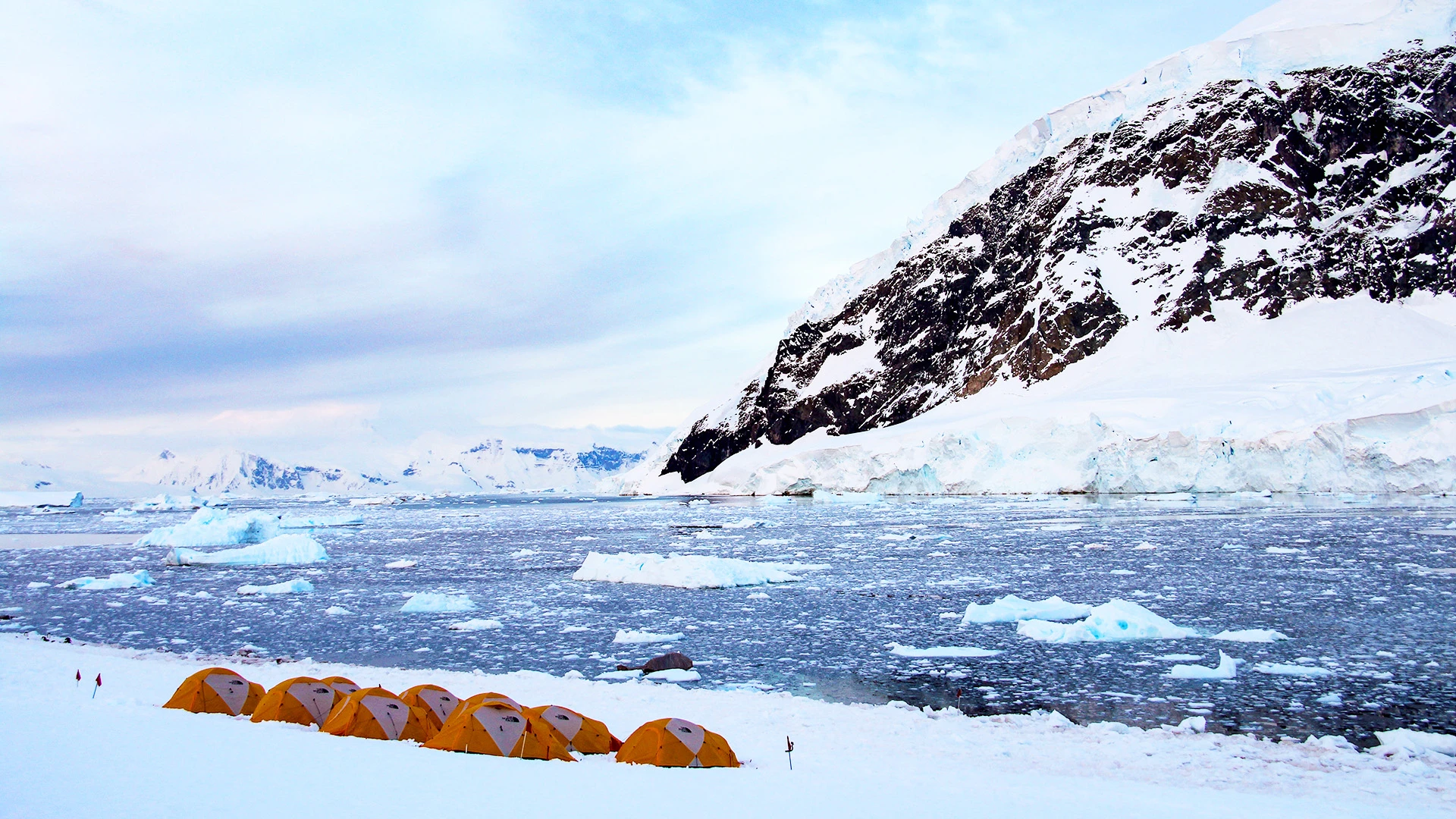
16 Nights From £11,380pp
12-night Antarctic cruise from Ushuaia with Zodiac tours, wildlife, glaciers, kayaking, hiking & optional camping.
View details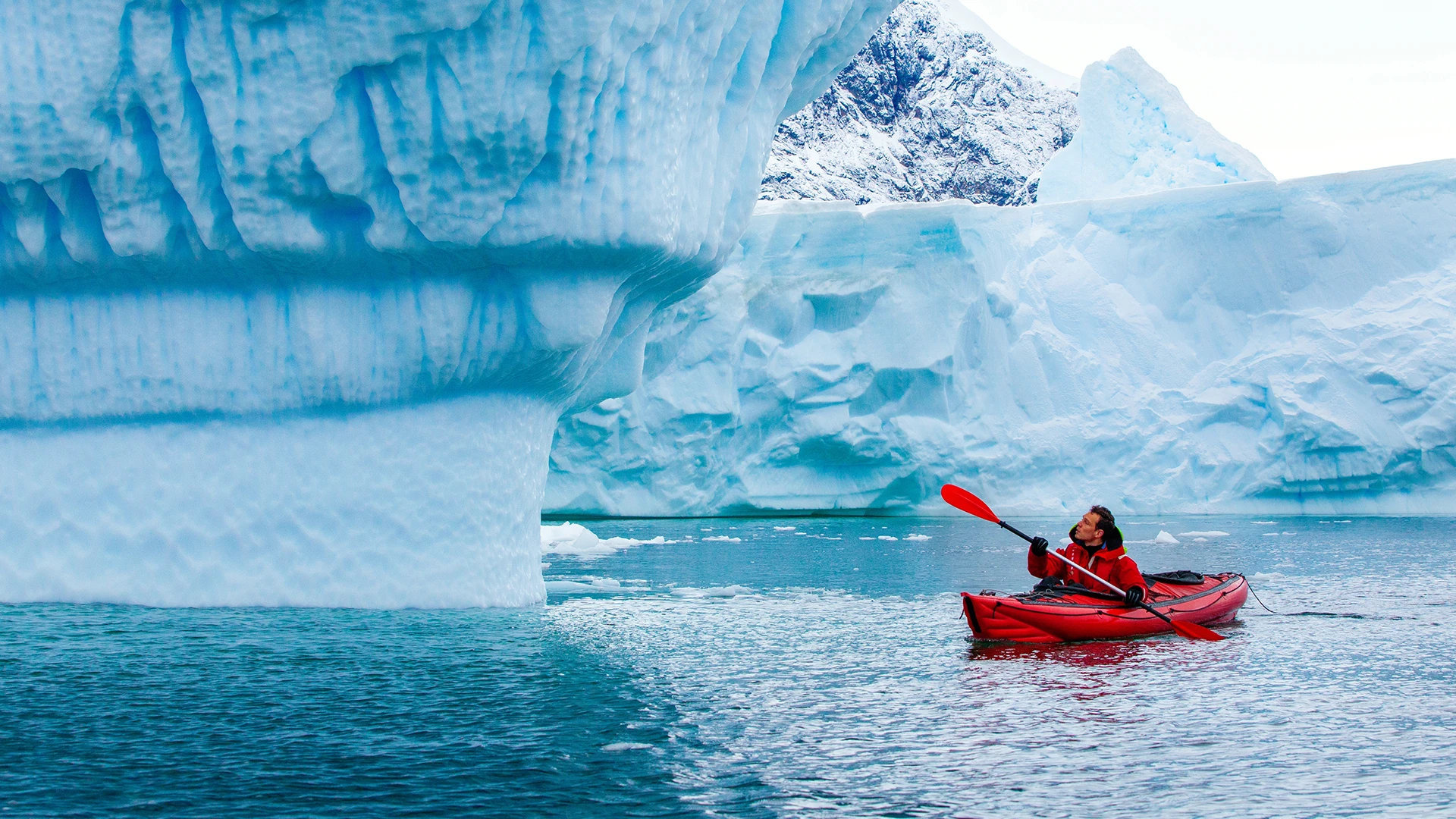
32-34 Nights Nights From £20,000pp
Venture to the remote Ross Sea, encounter rare wildlife, and explore Antarctica’s most untouched, dramatic frontier.
View details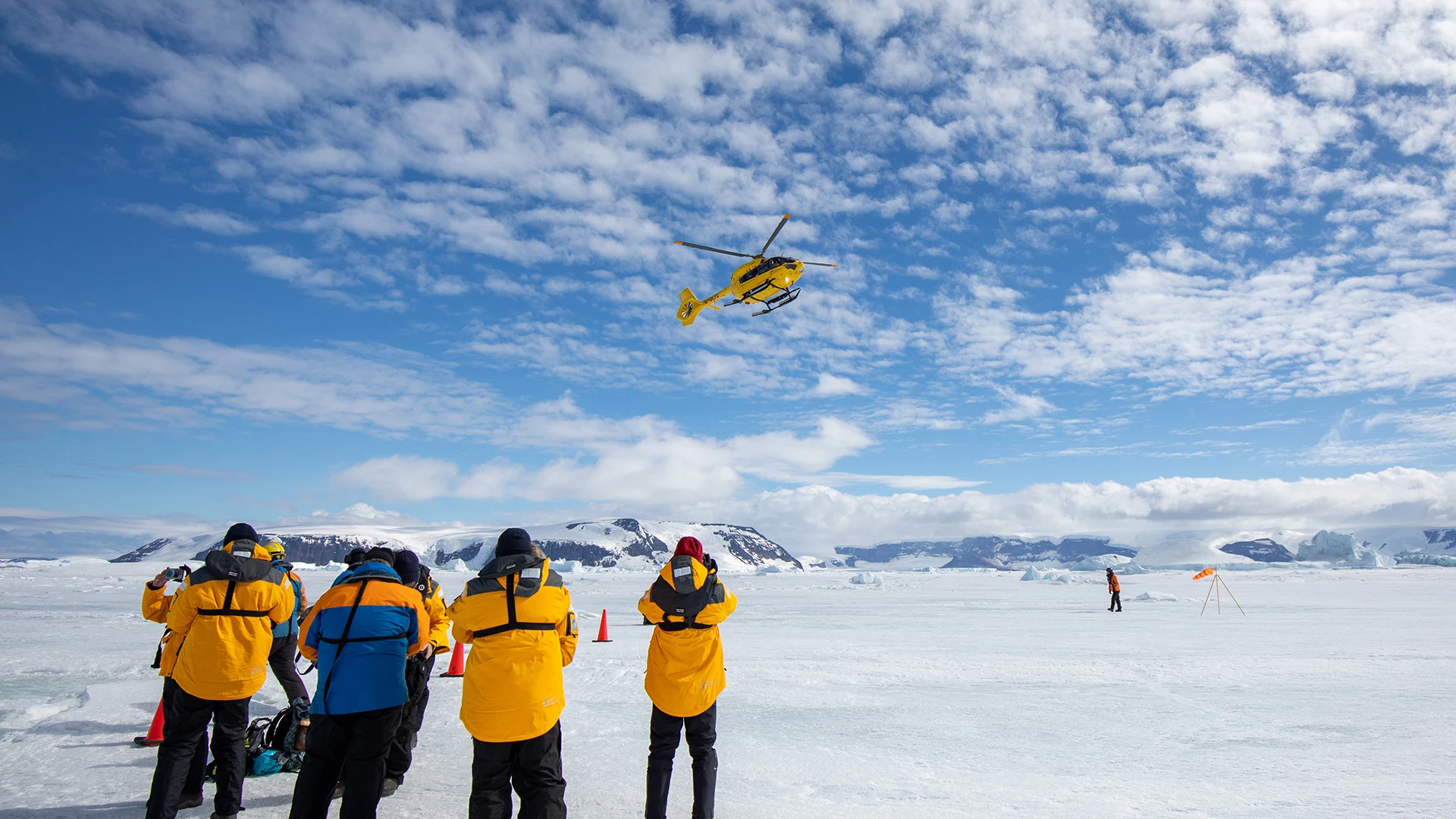
14 Nights From £13,280pp
15-day Antarctic adventure on Ultramarine with helicopter tours, Zodiac cruises, wildlife, glaciers, and expert-led excursions.
View details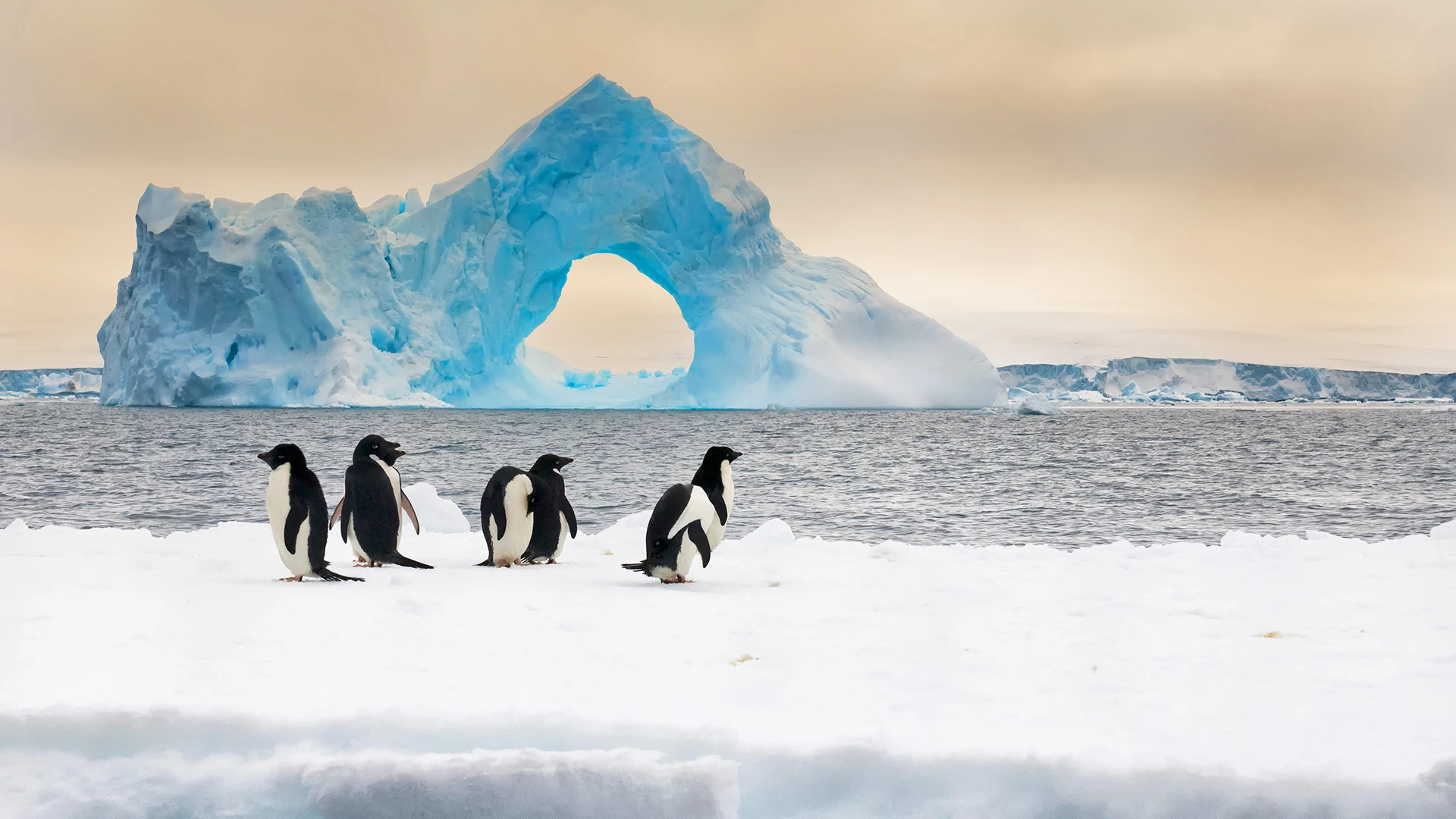
10 Nights From £7,650pp
Discover the Antarctic Peninsula's towering icebergs, abundant wildlife and spectacular frozen landscapes.
View details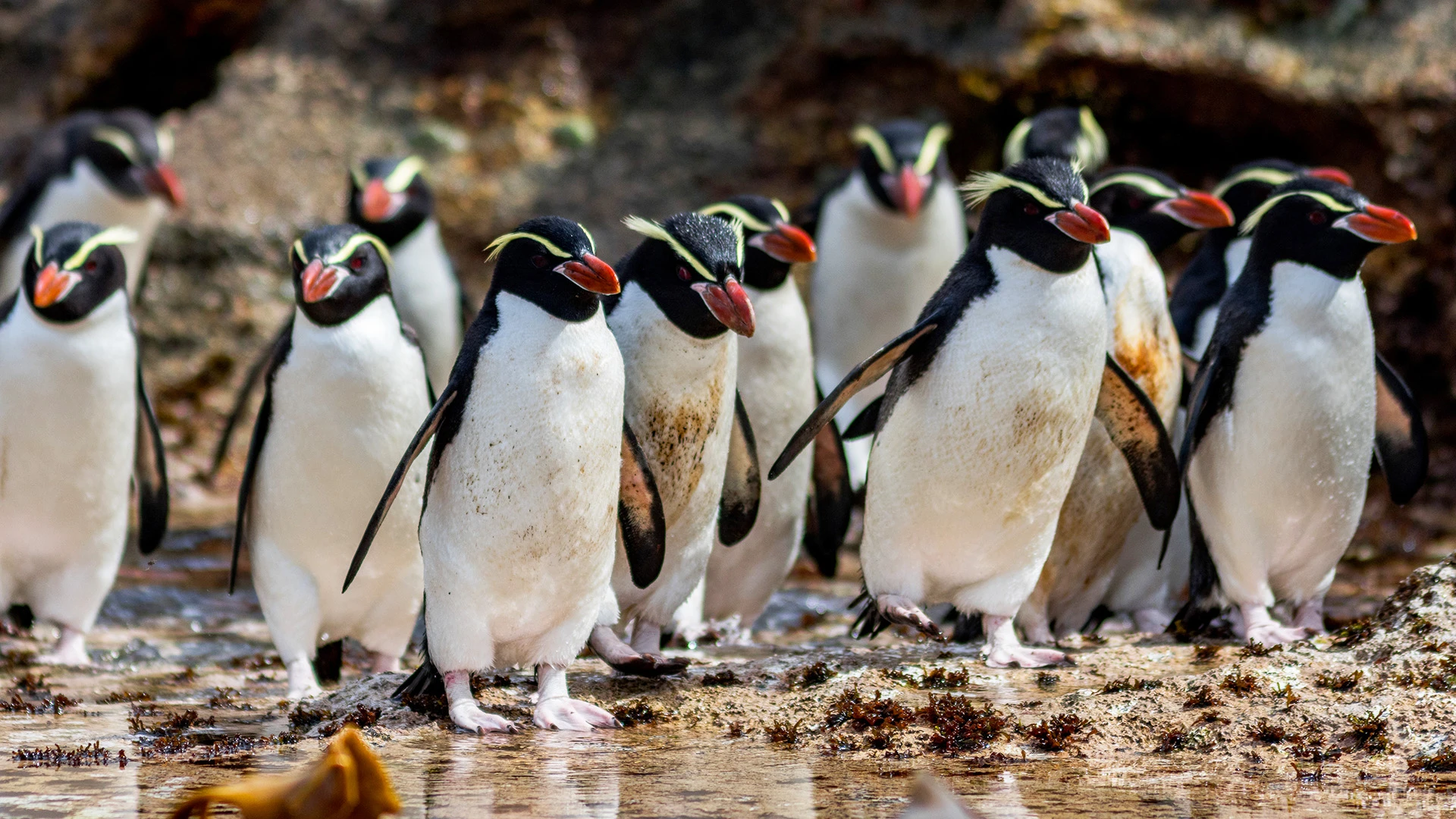
33 Nights From £19,500pp
Experience Antarctica's wild beauty, from towering icebergs to the remote shores of the Ross Sea.
View details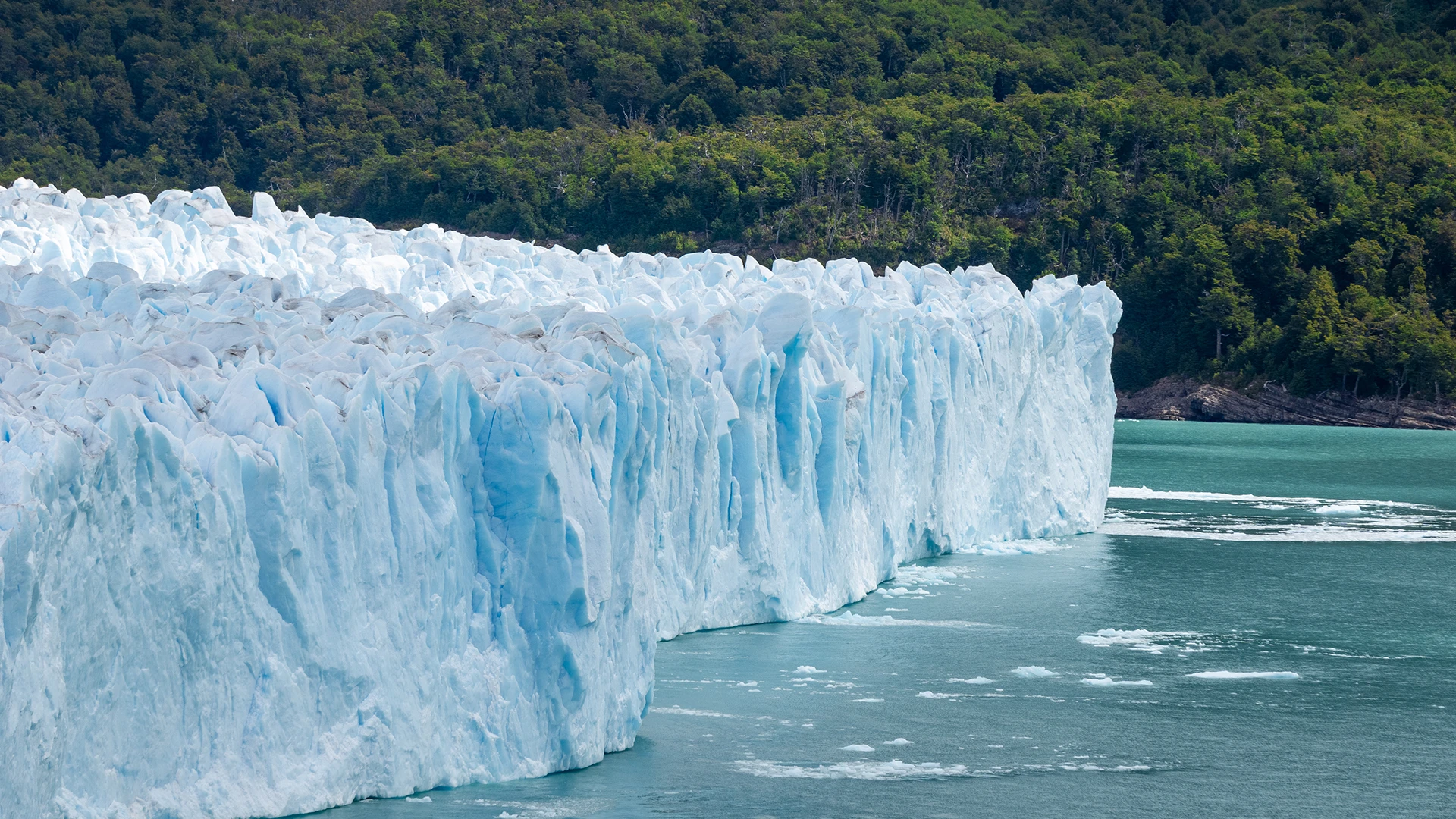
17 Nights From £7,280pp
Cruise from Vancouver through Alaska’s Inside Passage, past glaciers, fjords and wildlife-rich coasts on an elegant expedition.
View details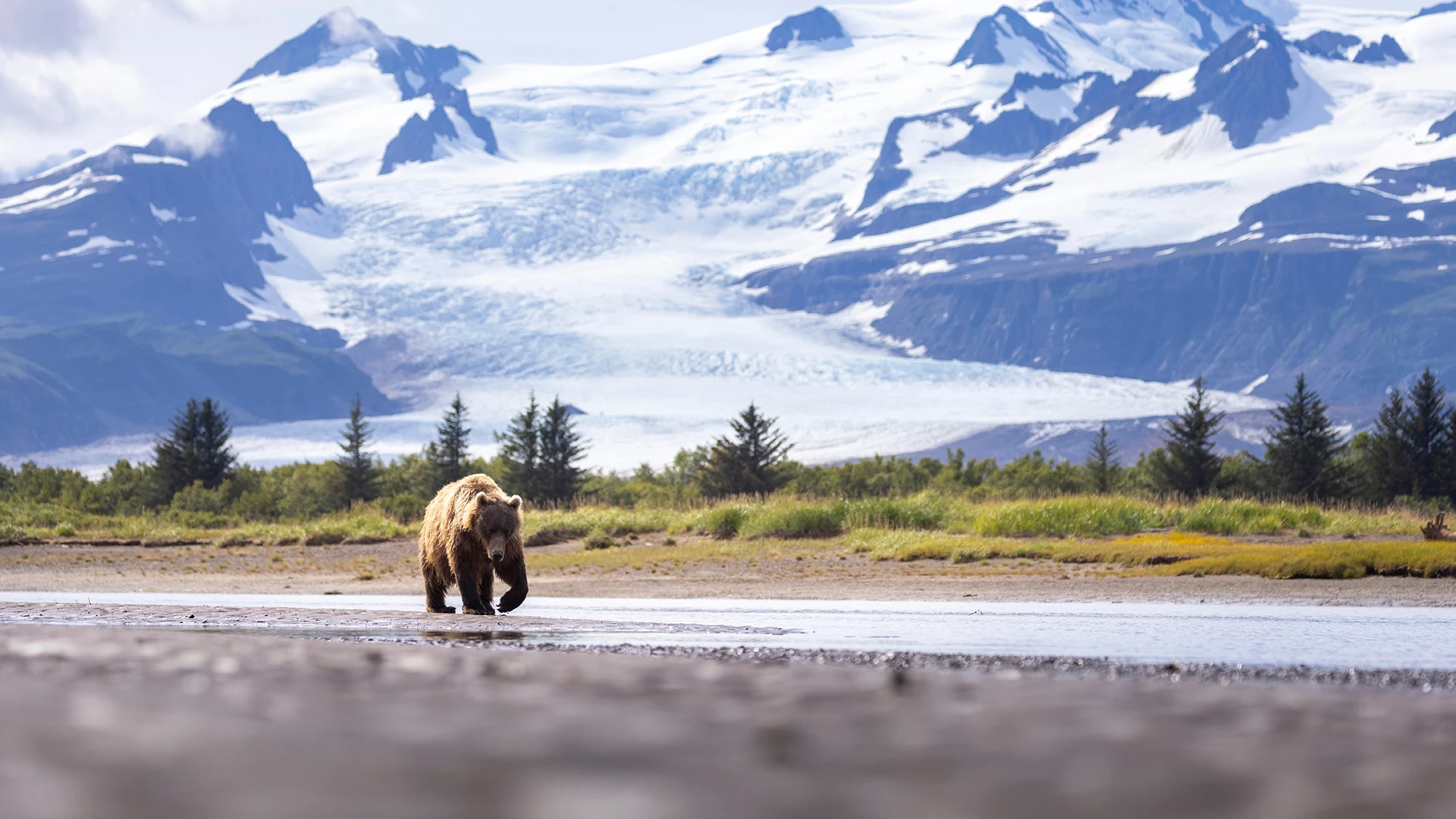
7 Nights From £6,390pp
Sail through Alaska’s icy wilderness, witness towering glaciers, and explore pristine landscapes in unforgettable style.
View details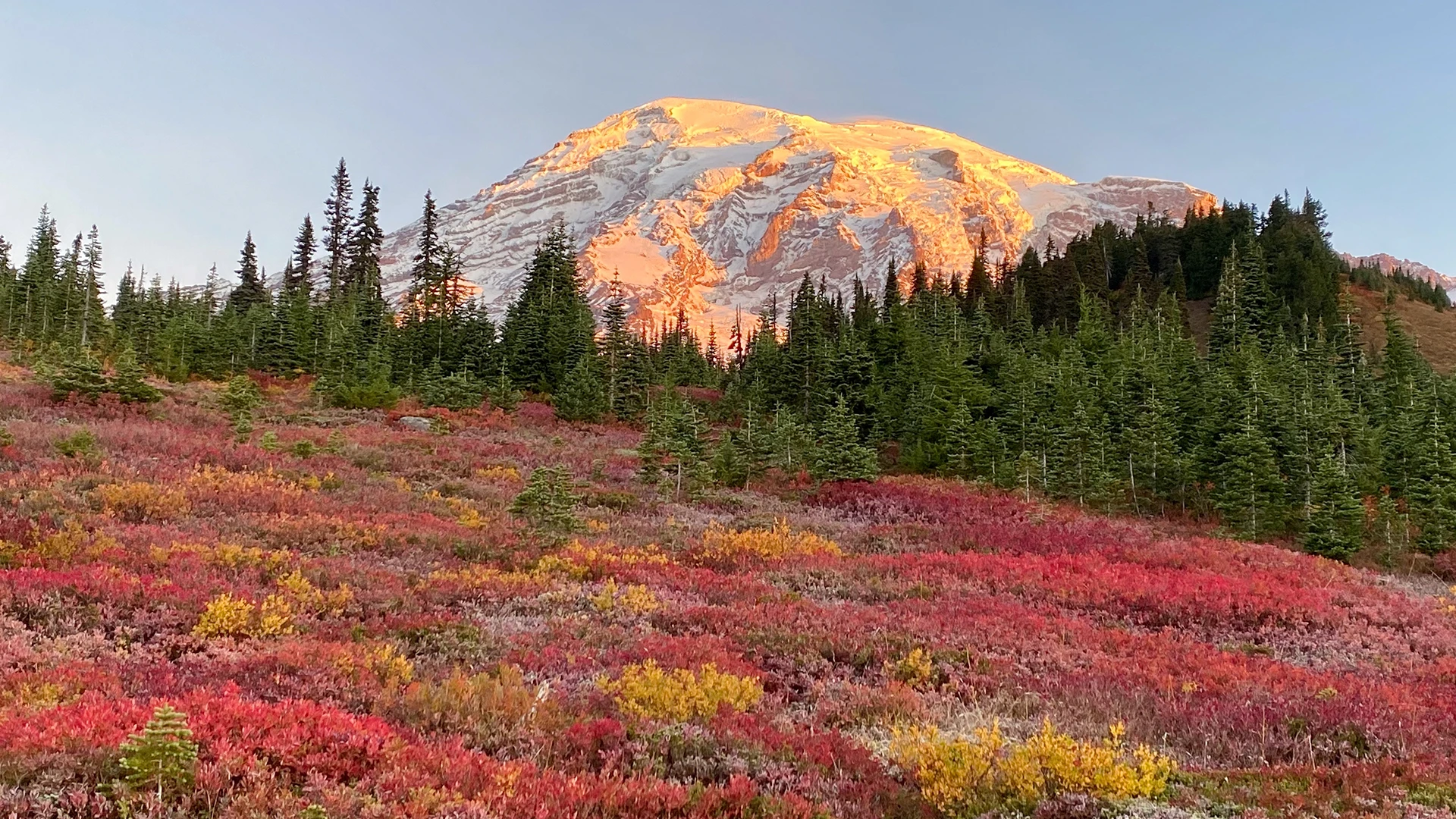
12 Nights From £7,540pp
Cruise Alaska with Lindblad Expeditions, glide past glaciers, fjords, whales, and wildlife in untamed, breath-taking wilderness.
View details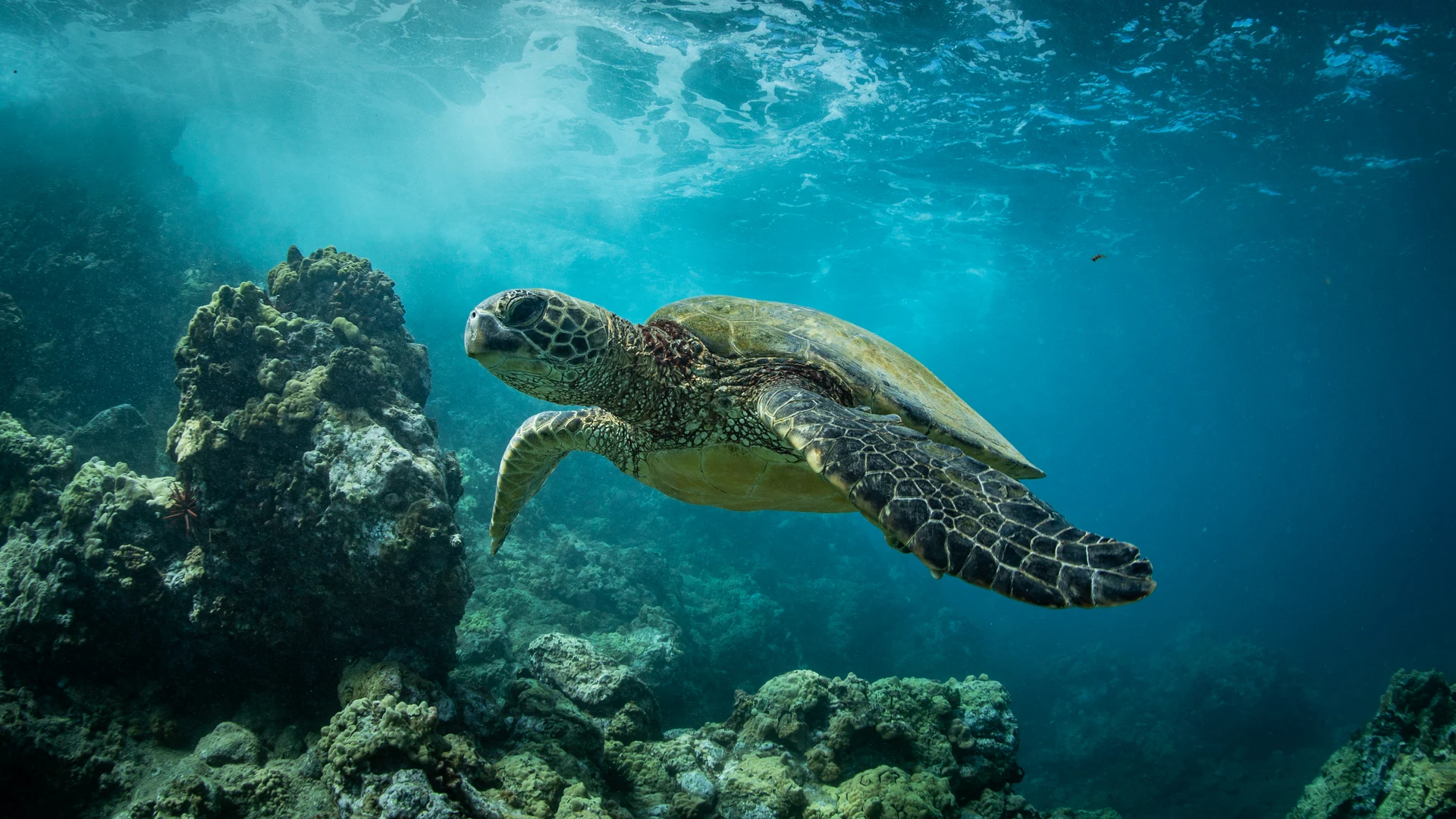
7 Nights Nights From £6,800pp
Island-hop across four Hawaiian islands, uncovering volcanic landscapes, pristine beaches and vibrant island culture.
View details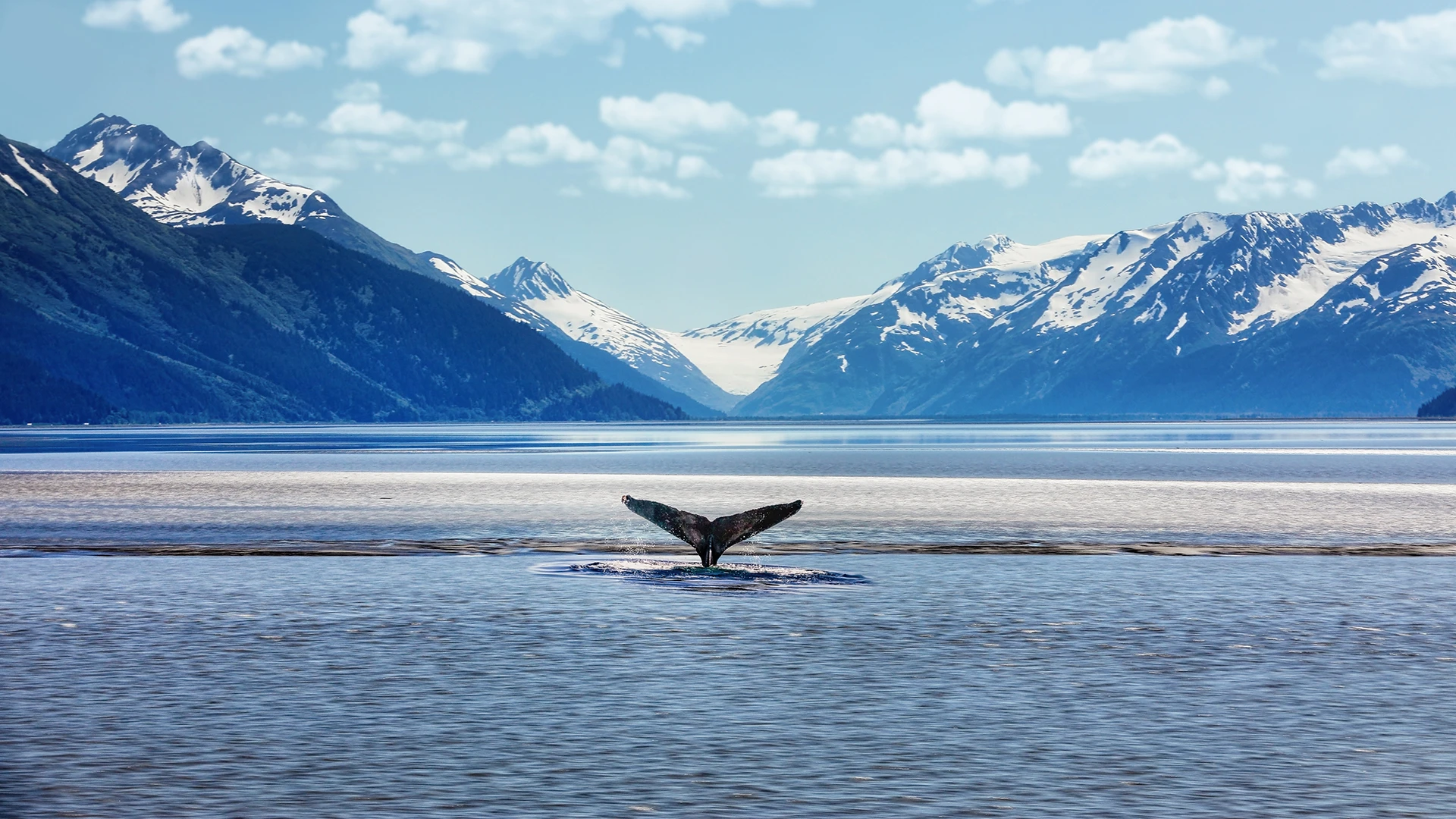
12 Nights From £4,460pp
Take a 12-night scenic journey between Washington and Alaska, traveling from Seattle to Juneau through Canada’s Inside Passage. Stop in the San Juan Islands, cruise...
View details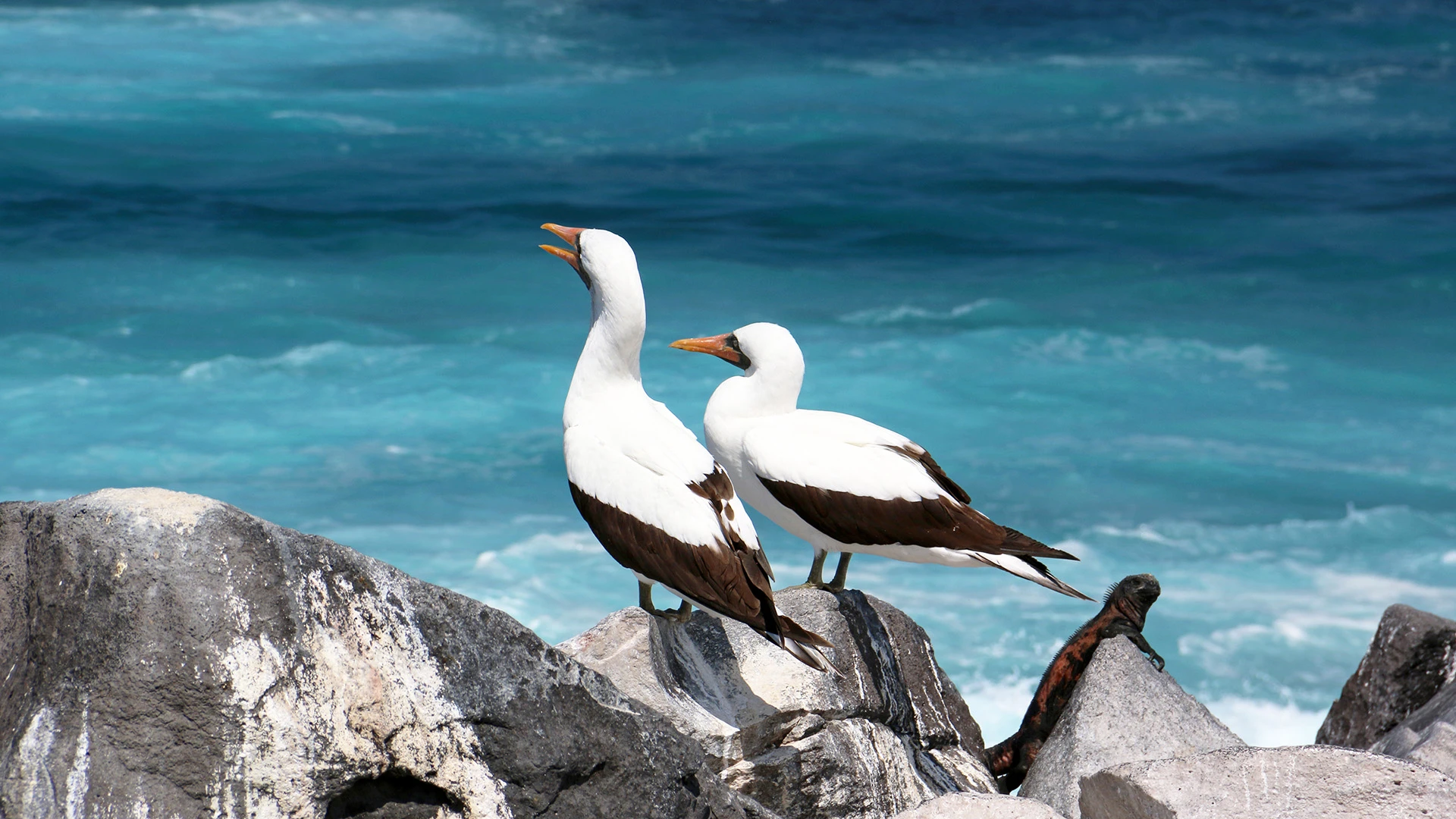
6 Nights From £12,000pp
Experience the Galápagos in ultra-luxury, sailing from San Cristóbal with exclusive wildlife encounters and refined comfort.
View details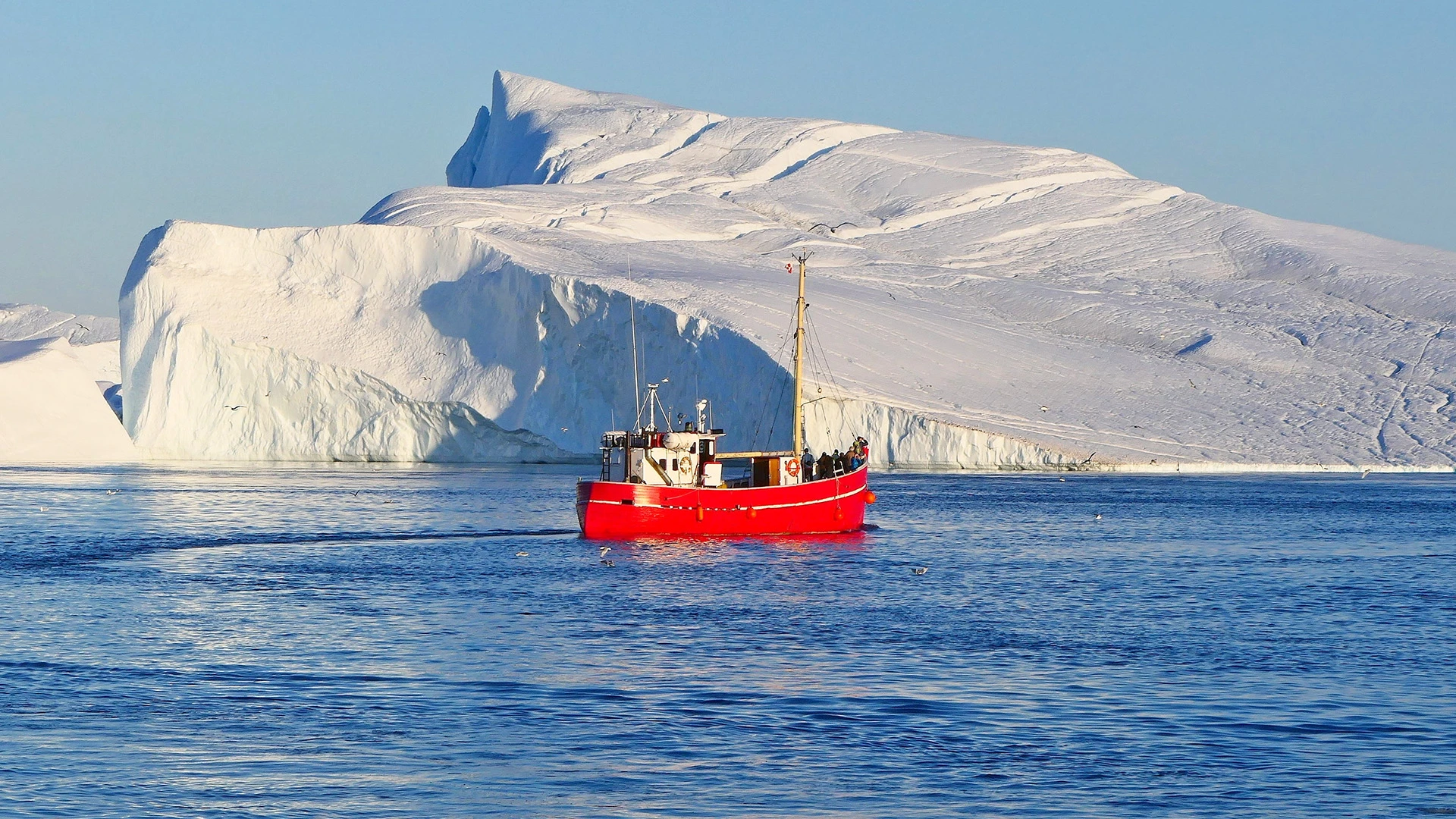
23 Nights From £31,200pp
Journey through the legendary Northwest Passage, exploring Arctic landscapes, wildlife, and historic waterways.
View details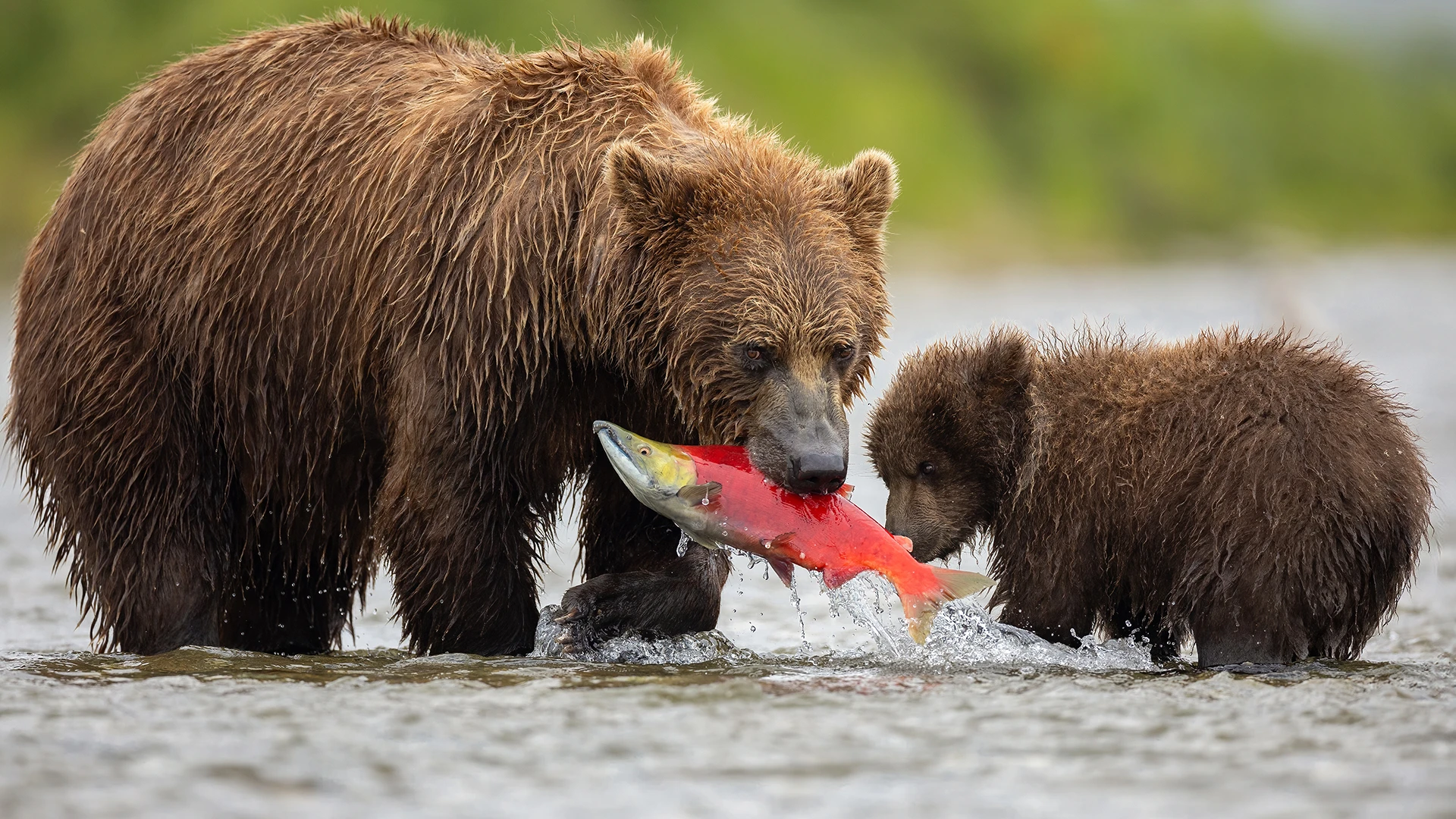
7 Nights From £4,000pp
Seven nights aboard the Safari Endeavour through Glacier Bay, Chichagof Island, and Sitka - Alaska's wildest passages in one unforgettable voyage.
View details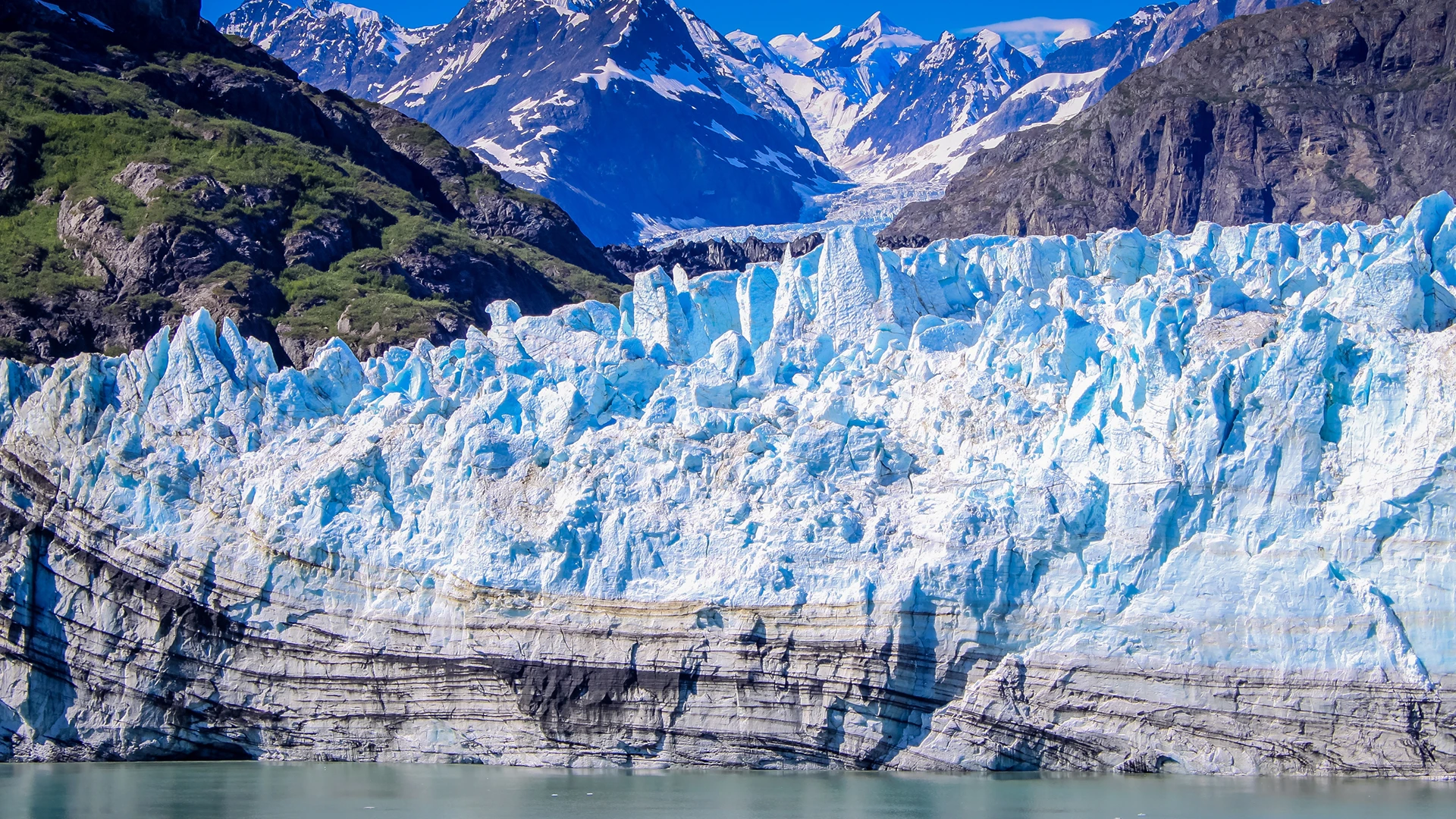
7 Nights From £3,850pp
Seven nights roundtrip from Juneau through Glacier Bay, LeConte Glacier, and bear country aboard the Wilderness Legacy.
View detailsYour message has been submitted successfully.
Ready to start planning? Our specialists are here to help.
How to choose the best safari reserve in South Africa: Private concessions vs Greater Kruger The right safari reserve in...
Read now
From Rajasthan to Britain: The Architecture and History of World-Famous Fortresses Across the arid plains of Northern India and the...
Read now
Antarctica whale watching: The best months to spot humpbacks, minkes & orcas There is no land route to Antarctica, and...
Read now
The best time of year to see the Northern Lights in Svalbard High above the Arctic Circle, halfway between mainland...
Read now
Extraordinary things to do in the Kimberley: National parks & wilderness expeditions In the far north of Western Australia, the...
Read now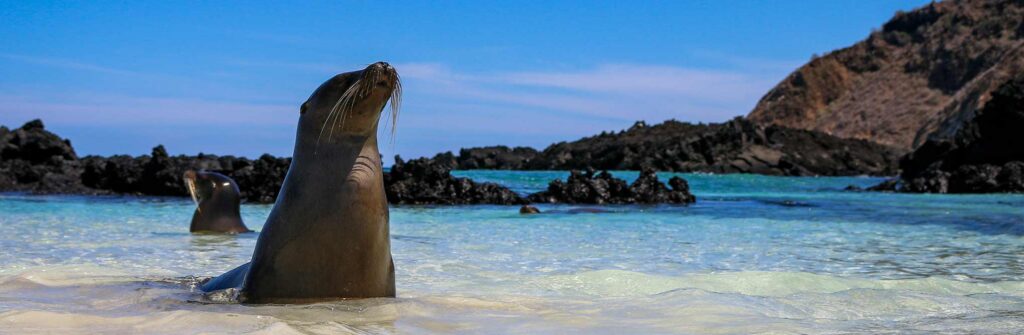
Wildlife of the Galápagos Islands: Unique species, conservation & expedition journeys Straddling the equator 600 miles off the South American...
Read now
How to choose the best safari reserve in South Africa: Private concessions vs Greater Kruger The right safari reserve in...
Read now
From Rajasthan to Britain: The Architecture and History of World-Famous Fortresses Across the arid plains of Northern India and the...
Read now
Antarctica whale watching: The best months to spot humpbacks, minkes & orcas There is no land route to Antarctica, and...
Read now
The best time of year to see the Northern Lights in Svalbard High above the Arctic Circle, halfway between mainland...
Read now
Extraordinary things to do in the Kimberley: National parks & wilderness expeditions In the far north of Western Australia, the...
Read now
Wildlife of the Galápagos Islands: Unique species, conservation & expedition journeys Straddling the equator 600 miles off the South American...
Read now