

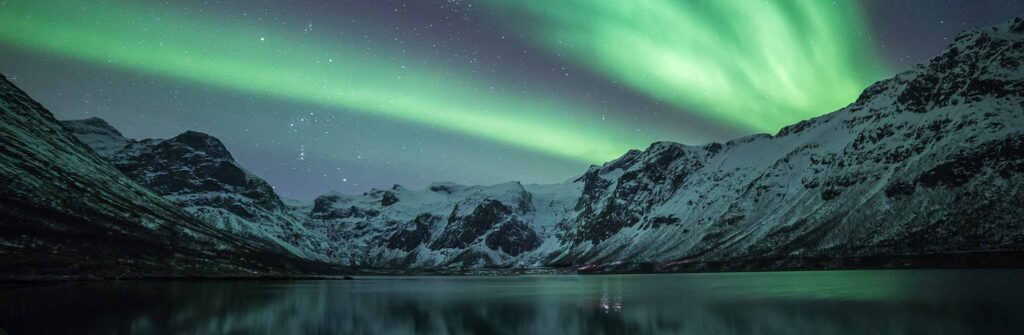
Best time to see northern lights in Svalbard
The best time of year to see the Northern Lights in Svalbard High above the Arctic Circle, halfway between mainland...
Read nowThere is no land route to Antarctica, and no land route to its whales either. Every sighting here happens from the deck of a ship or the bow of a Zodiac, which makes timing your voyage the single biggest factor in how many whales you actually see.
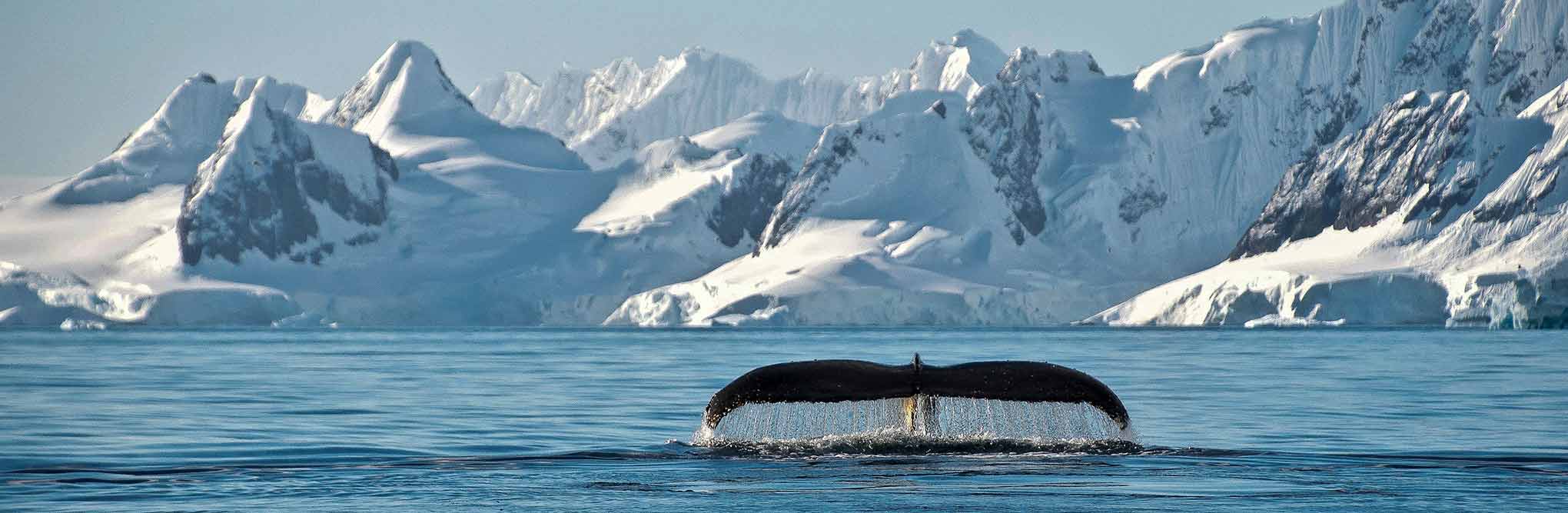
At Exclusive Expeditions, we treat Antarctica whale watching as a question best answered by the calendar as much as the destination itself.
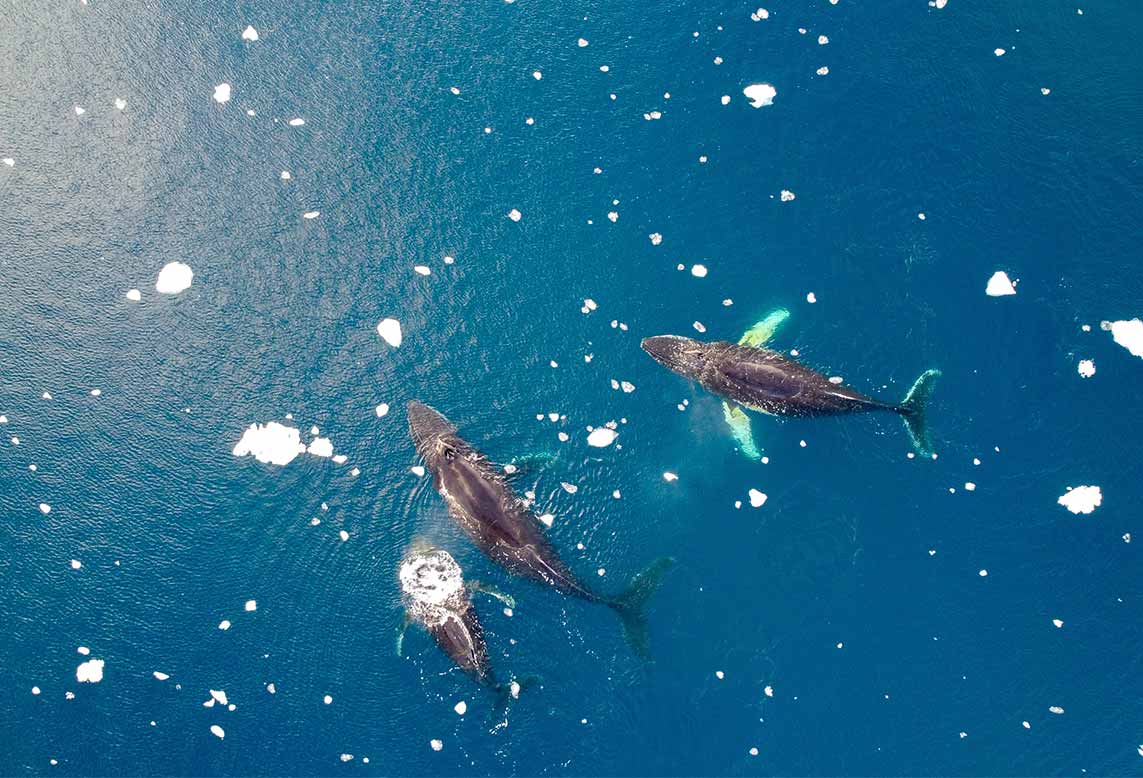
The waters around Antarctica hold some of the richest concentrations of krill on the planet, and krill is what draws whales here in such numbers. As the austral summer progresses and sea ice retreats, these nutrient-dense waters become a feeding ground for several species at once, all arriving to build up reserves before their long migrations north. A single adult humpback can consume up to 2.5 tonnes of krill each day during peak season, making these freezing polar channels the engine room of their annual life cycle.
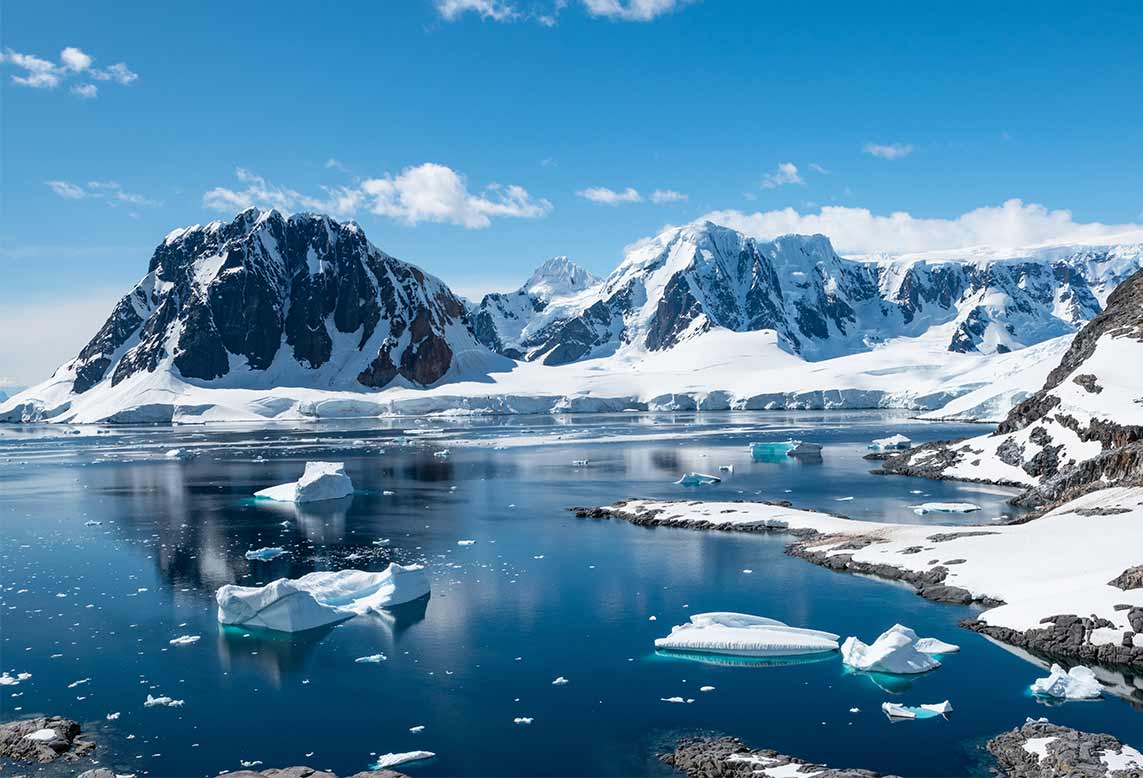
As pack ice begins to break apart in November, Antarctica is at its most pristine, with untouched snow and towering icebergs. Whale numbers are still building at this point, though early sightings of minke and humpback whales do occur, particularly around the fringes of the sea ice where krill concentrates. By December, with nearly around-the-clock daylight, activity increases steadily as the season moves towards its peak. However, early-season voyages are often better suited to travellers prioritising pristine, sculpted sea ice and energetic penguin courtship over high-density whale encounters.
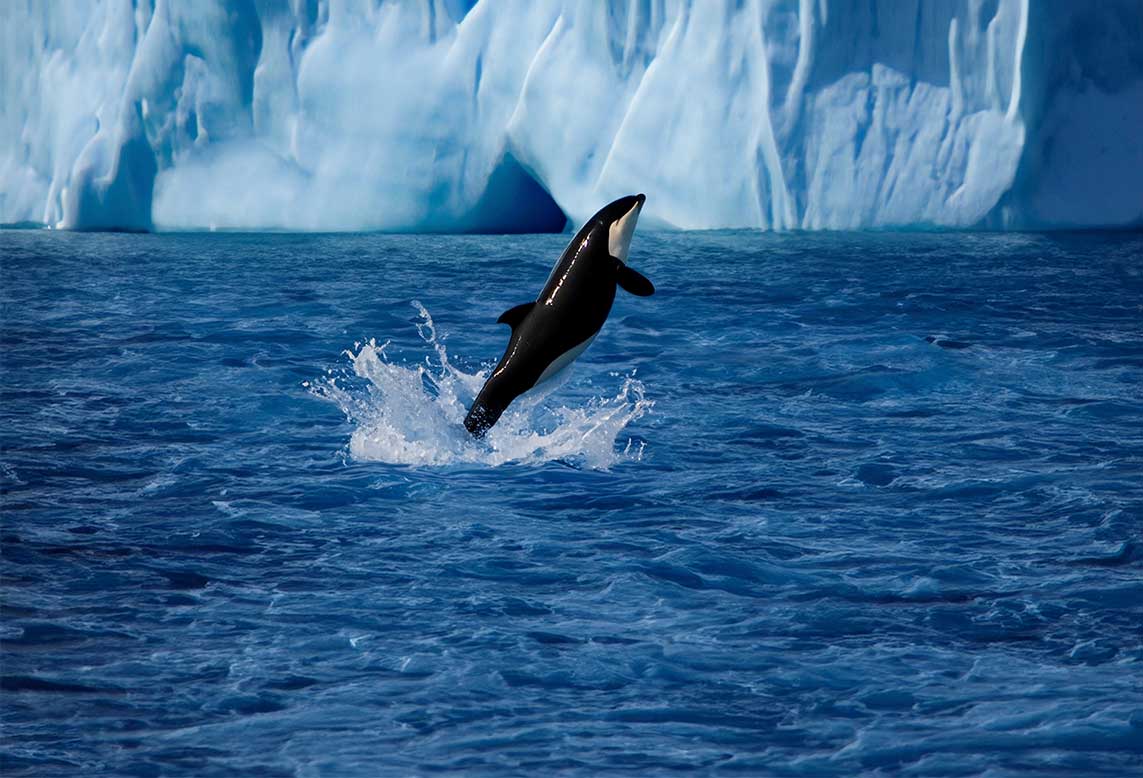
By January, the feeding frenzy is in full swing, leading directly into the absolute high point of the polar calendar. February and March are, without question, the best months to see whales in Antarctica. Humpback, minke, and orca activity all reach their highest point during these weeks, as retreating ice allows expedition vessels to push further south, often far enough to cross the Antarctic Circle itself. This is also when you are most likely to witness the full range of behaviour that makes whale watching here so remarkable, from humpbacks lunge-feeding at the surface to orca pods working together along the ice edge. Because the whales have spent months feeding, they are also at their most playful and relaxed around Zodiacs before beginning their long journey toward tropical breeding grounds.
EE recommends: If whale watching is your priority, look for voyages scheduled in late February or March, particularly those advertised as Antarctic Circle crossings, since these routes push furthest into the richest feeding grounds.
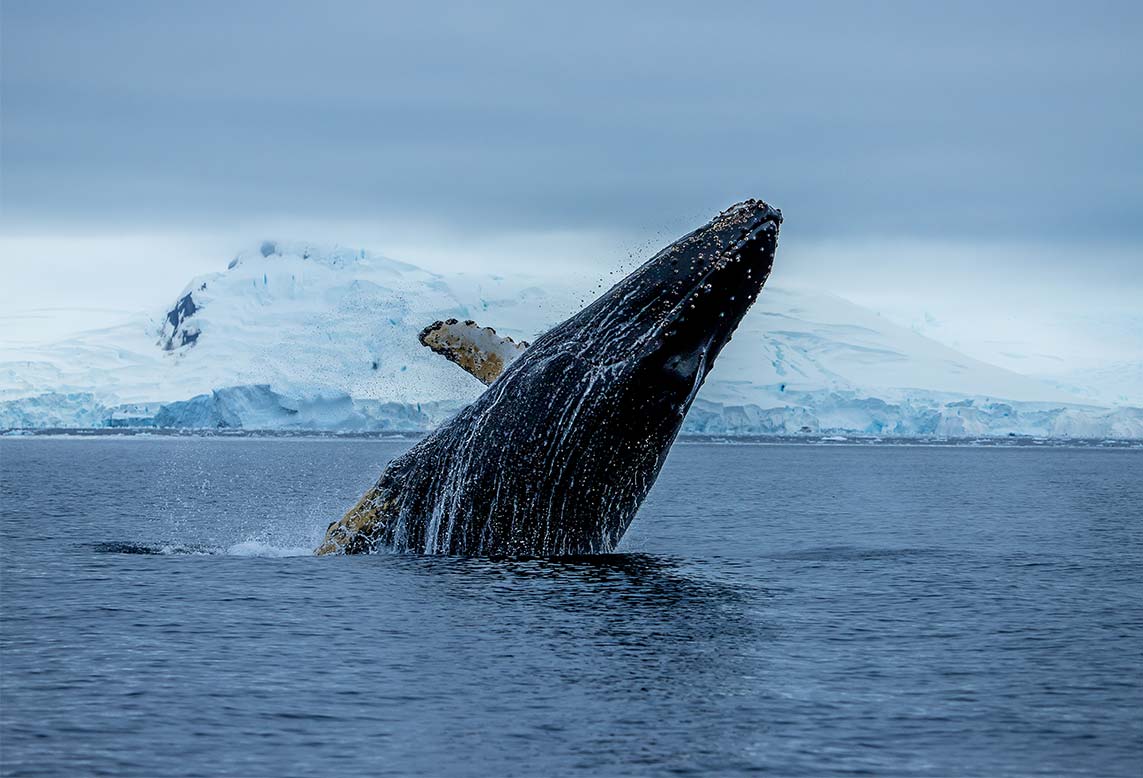
Humpback whales are the species most travellers hope to see, and for good reason. They are curious, active, and frequently breach clear of the water, especially in the bays and channels of the Antarctic Peninsula, the most accessible and biologically rich region of the continent. Minke whales, smaller and famously inquisitive, will often approach a stationary Zodiac directly, giving remarkably close views. Orcas, meanwhile, hunt in coordinated pods, and sightings around the ice floes of the Weddell Sea and the Gerlache Strait can reveal genuine pack-hunting behaviour rarely witnessed anywhere else on Earth.
Keep your camera nearby at all times. Whether it’s a sudden tail flick, an inquisitive head popping up beside your Zodiac, or a full breach, the most incredible moments almost always happen when you least expect them.
Good to know: Antarctica has no airport for tourism and no land-based alternative to a ship, and the small size of expedition vessels means peak-season departures sell out well ahead of time. Our guide on when to book an expedition cruise explains why booking 18 to 24 months ahead makes a genuine difference for polar voyages.
Ready to plan a voyage timed to Antarctica’s whale season? Browse our featured Antarctica journeys, explore the region’s wider natural wonders, or contact our team to start building an itinerary around the Southern Ocean’s richest weeks.
Keep exploring
Not sure whether a ship-based expedition is right for you? Read our comparison of expedition cruises versus land expeditions, or discover more about Antarctica’s featured regions before you go.
Every journey we offer is handpicked by our specialists. These are the ones we recommend the most.
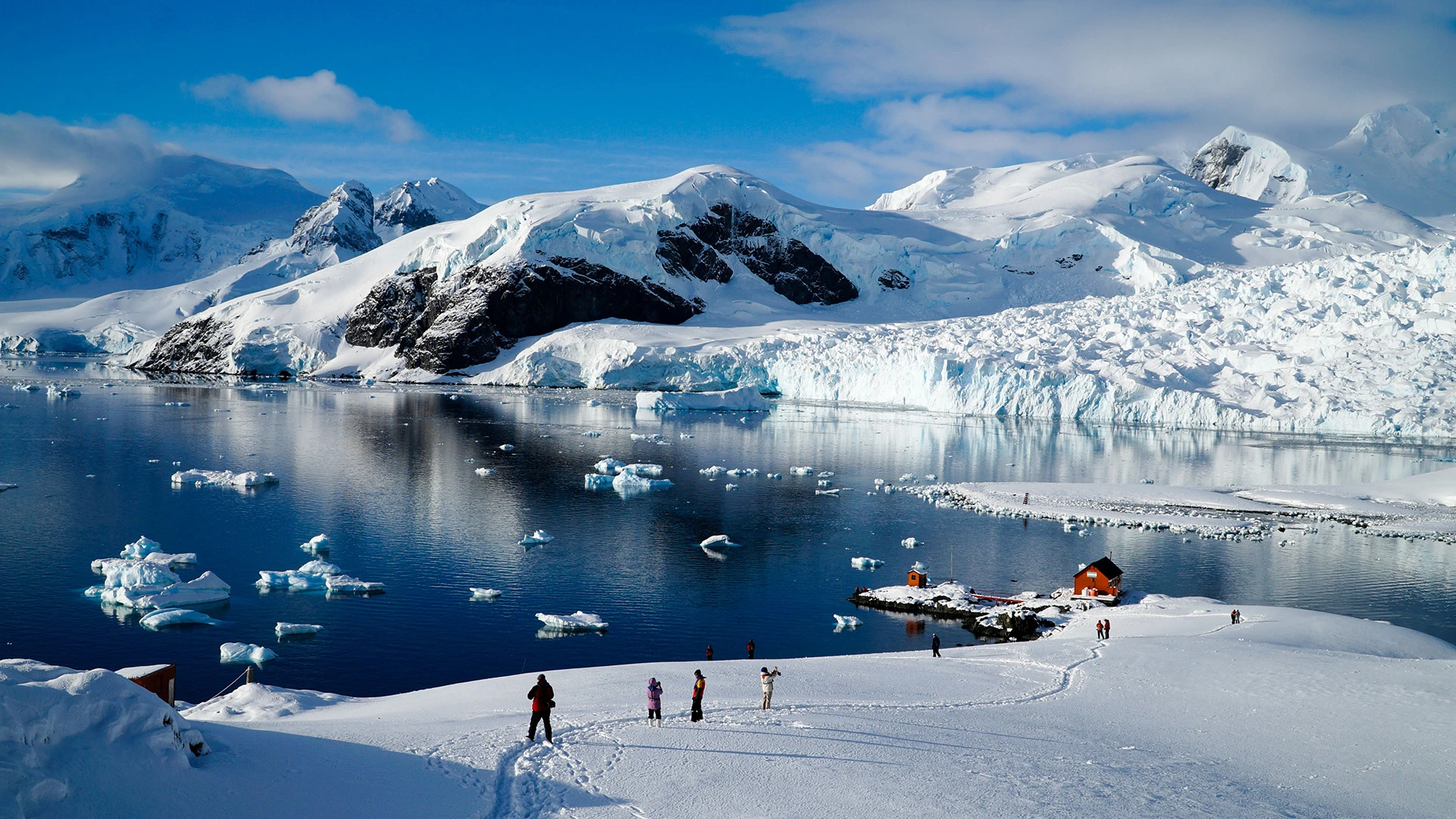
14 Nights From £10,850pp
Explore Antarctica aboard Ocean Explorer with Quark Expeditions, witnessing glaciers, penguins, whales, and Zodiac or kayaking adventures.
View details
9-14 Nights Nights From £8,000pp
Discover the 7th continent with Exclusive Expeditions. Our Antarctic Explorer tours offer bespoke luxury cruises and tailor-made expeditions.
View details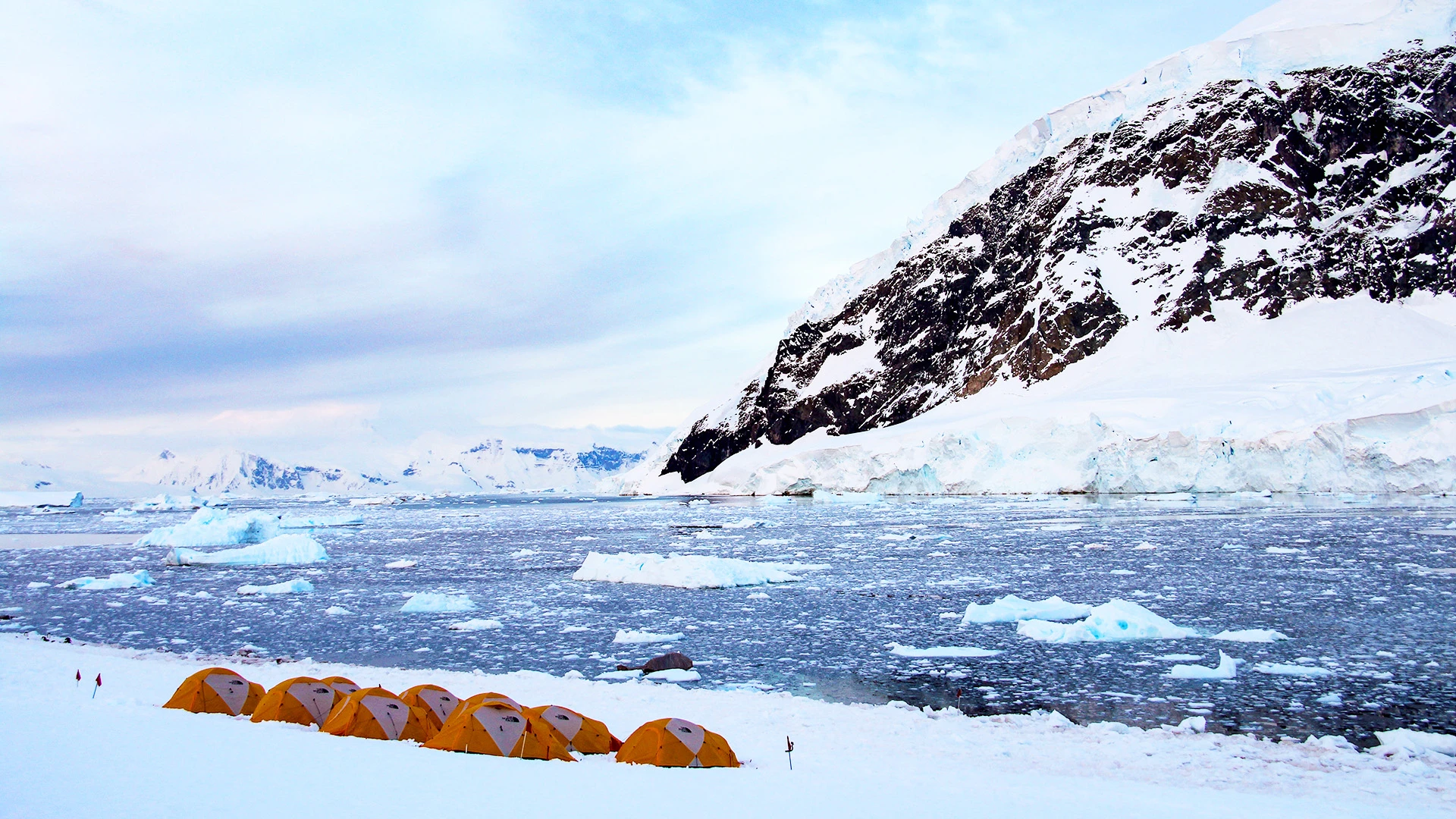
16 Nights From £11,380pp
12-night Antarctic cruise from Ushuaia with Zodiac tours, wildlife, glaciers, kayaking, hiking & optional camping.
View details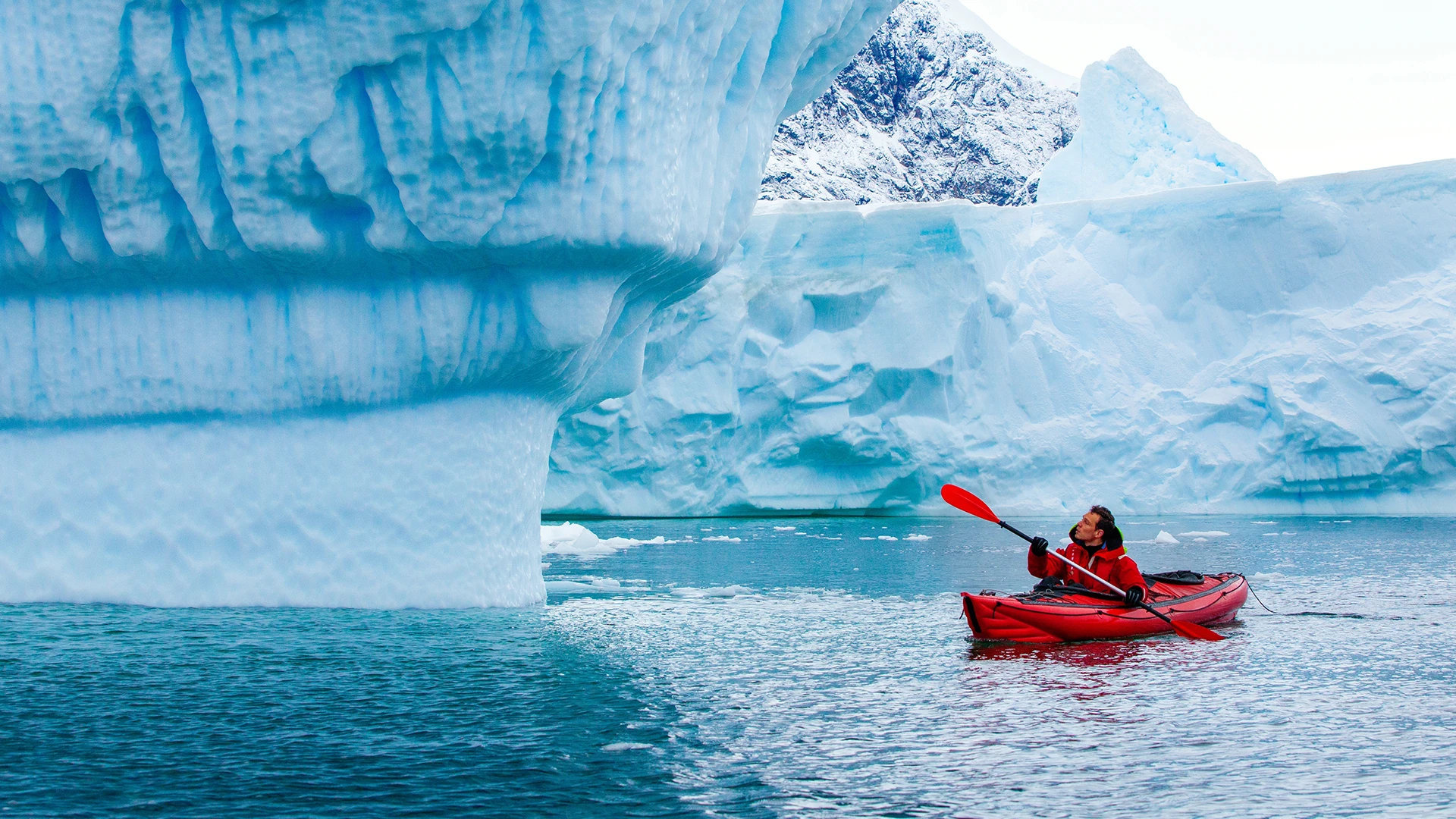
32-34 Nights Nights From £20,000pp
Venture to the remote Ross Sea, encounter rare wildlife, and explore Antarctica’s most untouched, dramatic frontier.
View details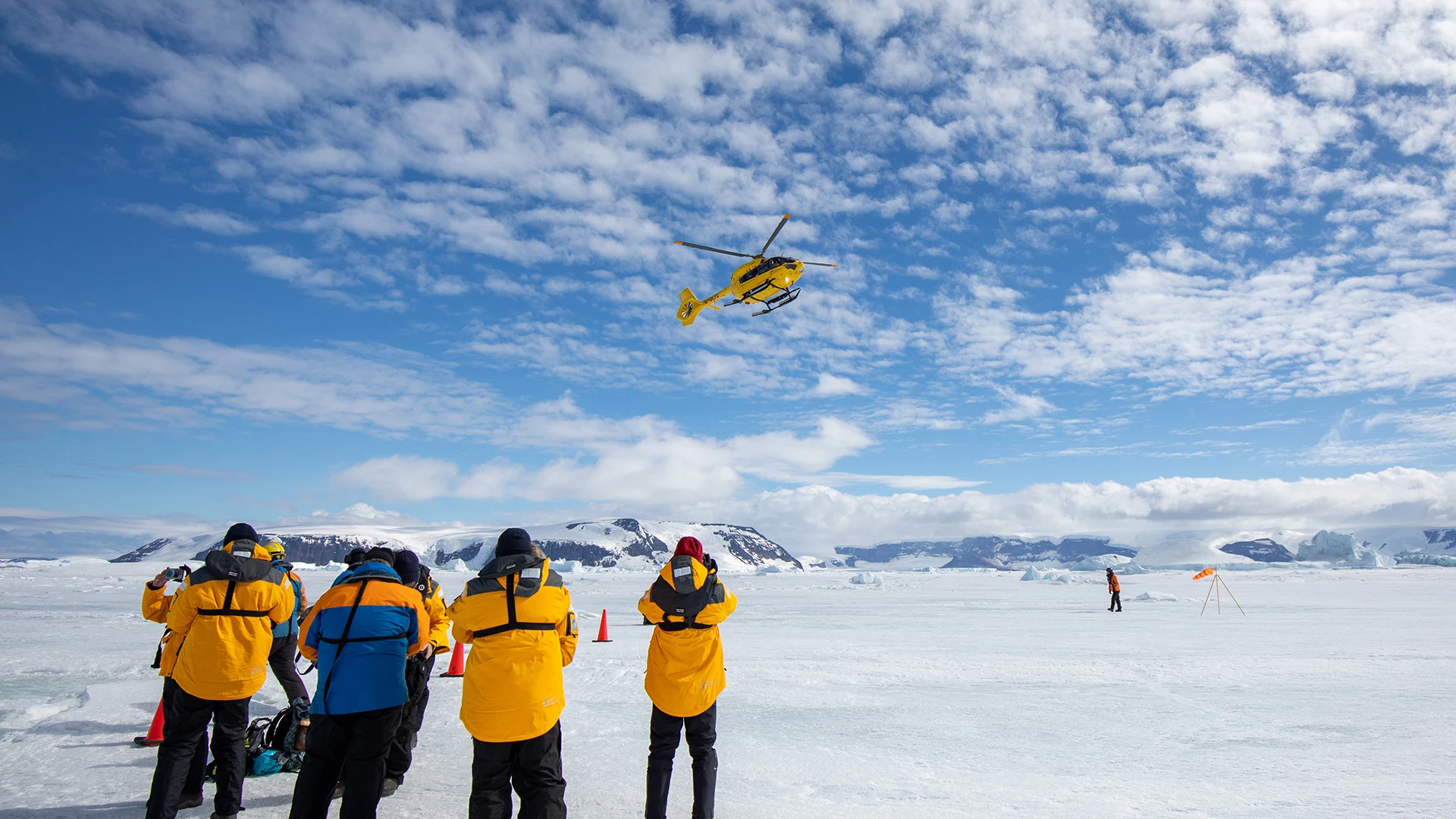
14 Nights From £13,280pp
15-day Antarctic adventure on Ultramarine with helicopter tours, Zodiac cruises, wildlife, glaciers, and expert-led excursions.
View details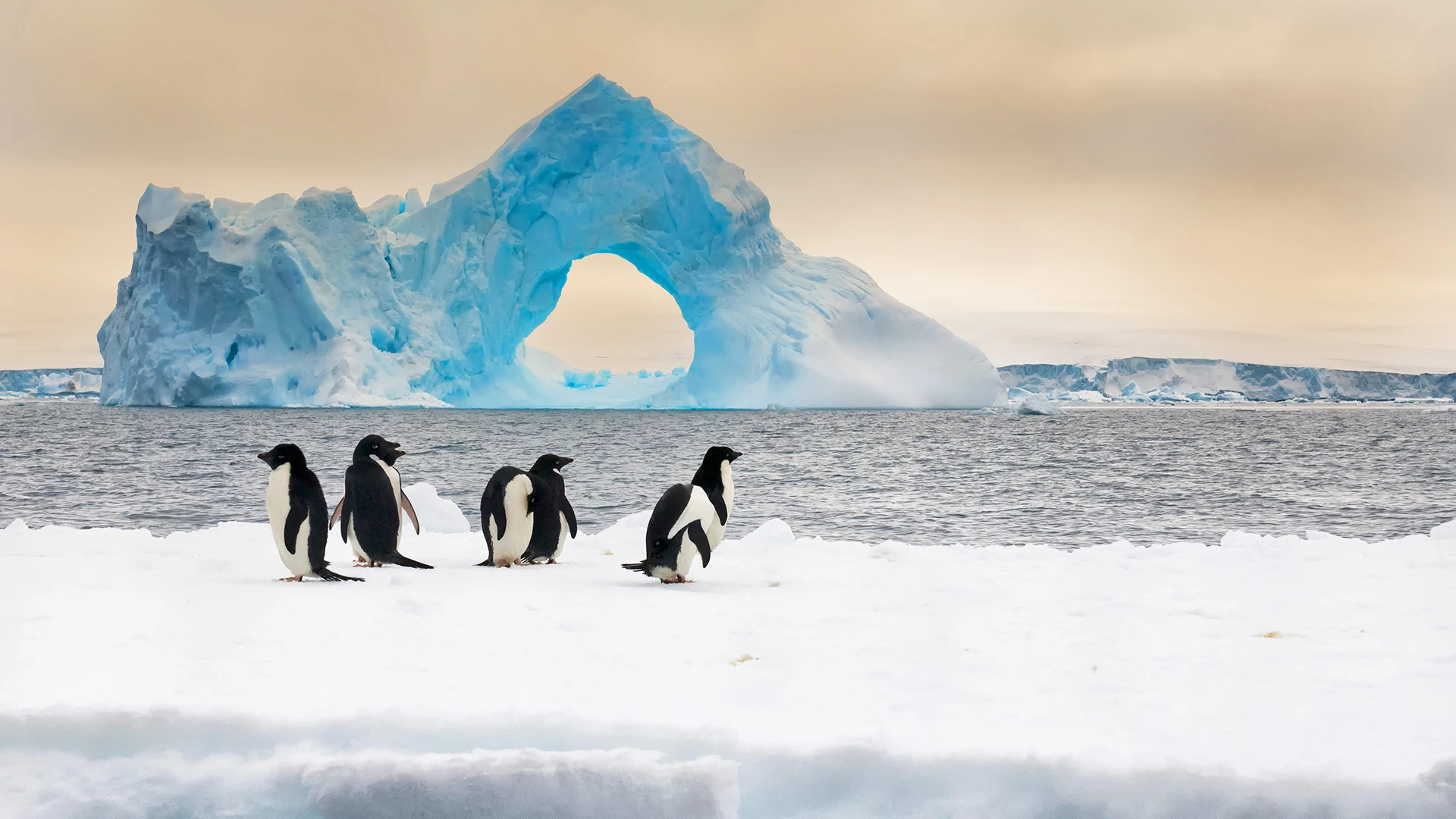
10 Nights From £7,650pp
Discover the Antarctic Peninsula's towering icebergs, abundant wildlife and spectacular frozen landscapes.
View details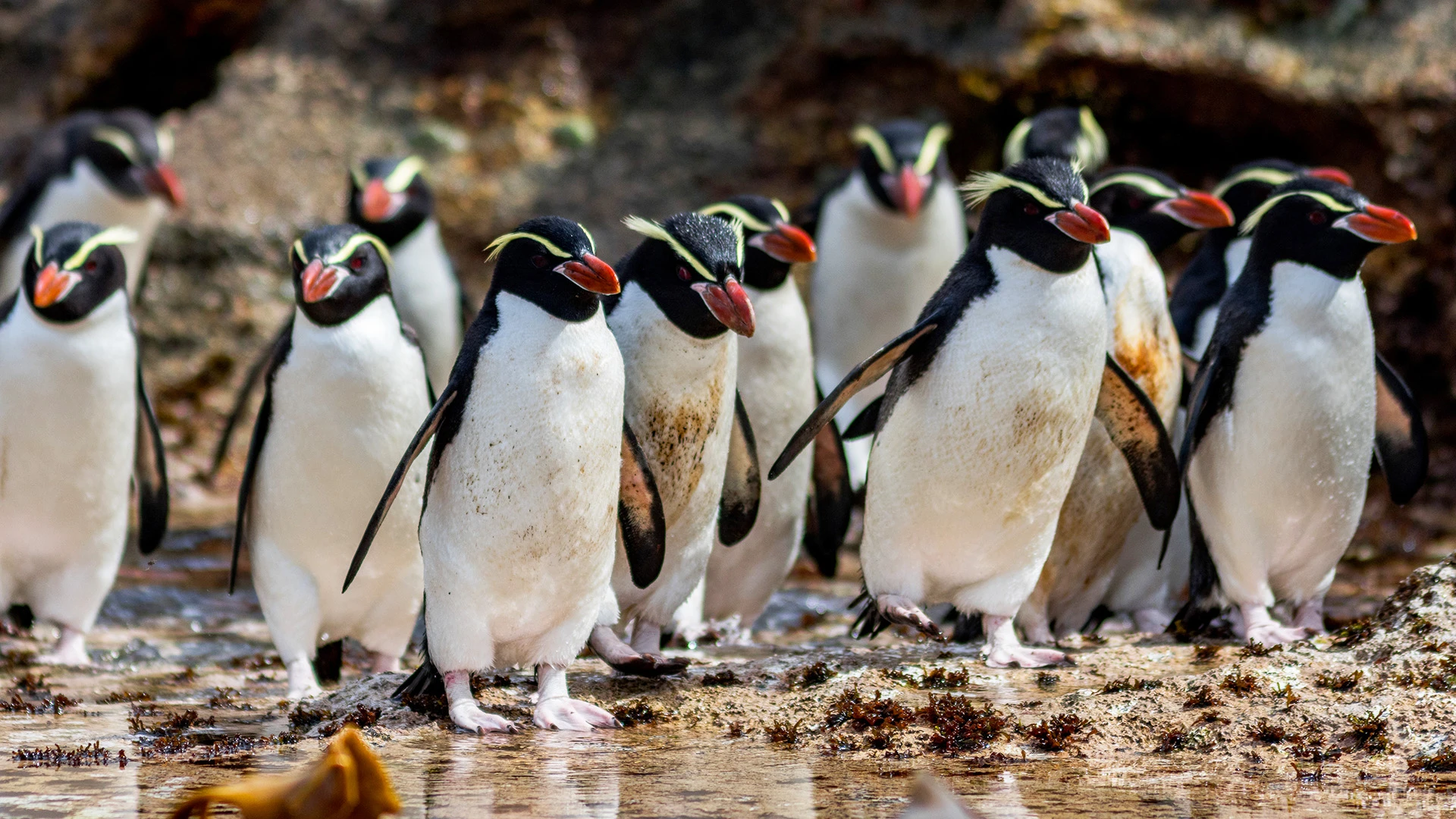
33 Nights From £19,500pp
Experience Antarctica's wild beauty, from towering icebergs to the remote shores of the Ross Sea.
View details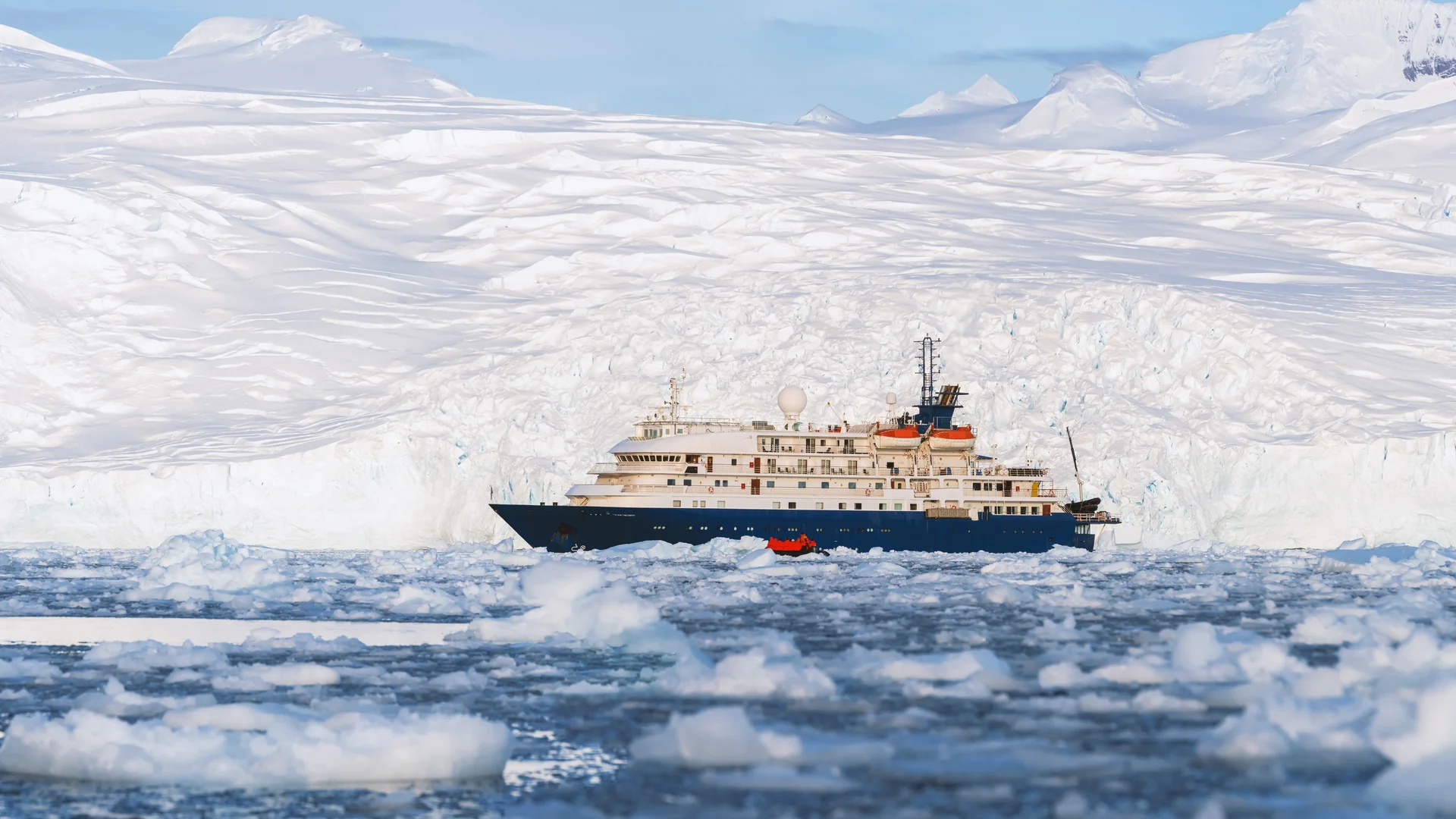
5 Nights From £4,500pp
Fly across the Drake Passage and maximise your time exploring Antarctica's spectacular icy wilderness.
View details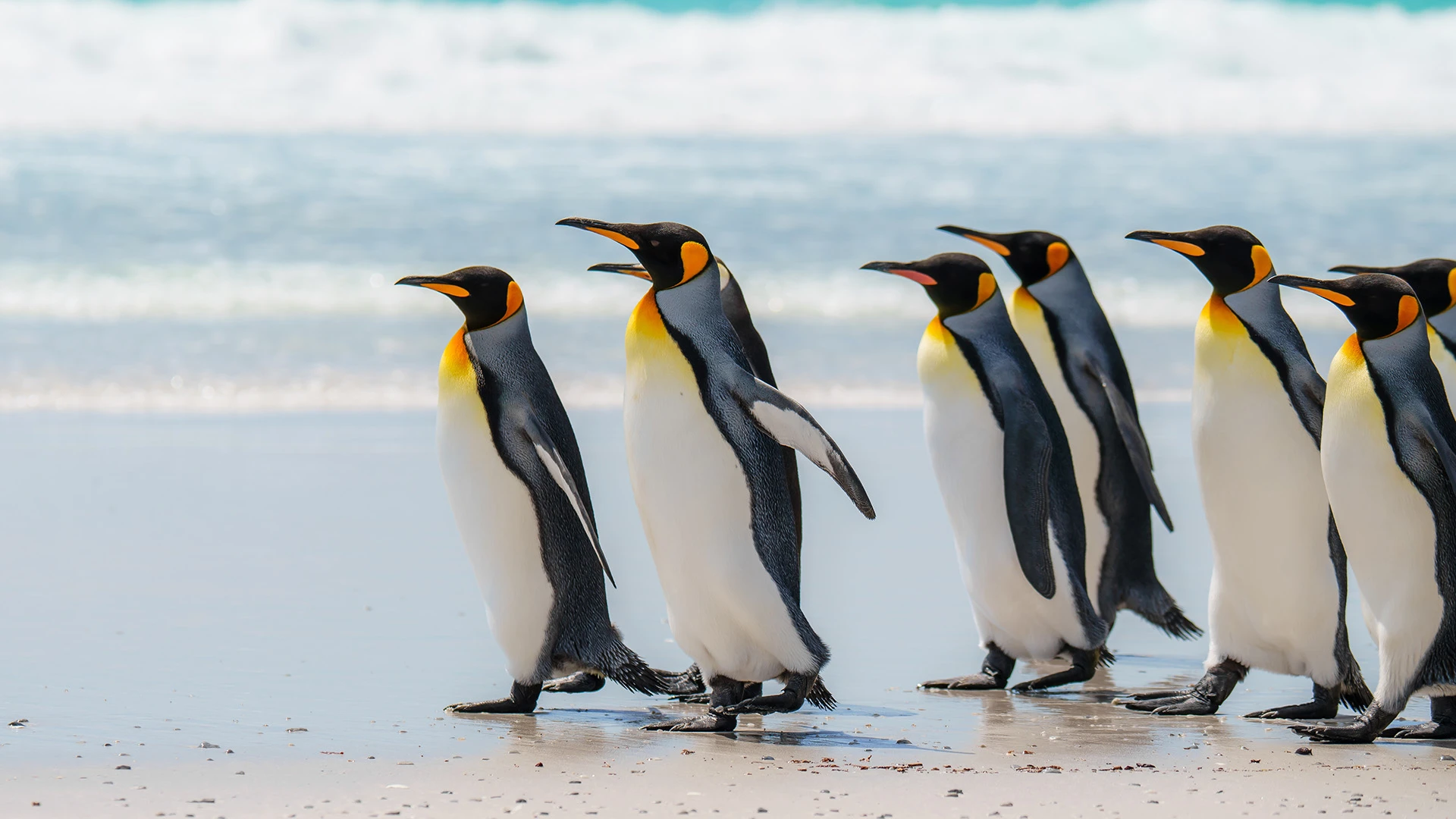
21 Nights From £9,200pp
Discover Antarctica, South Georgia and the Falklands, where epic landscapes and extraordinary wildlife await.
View details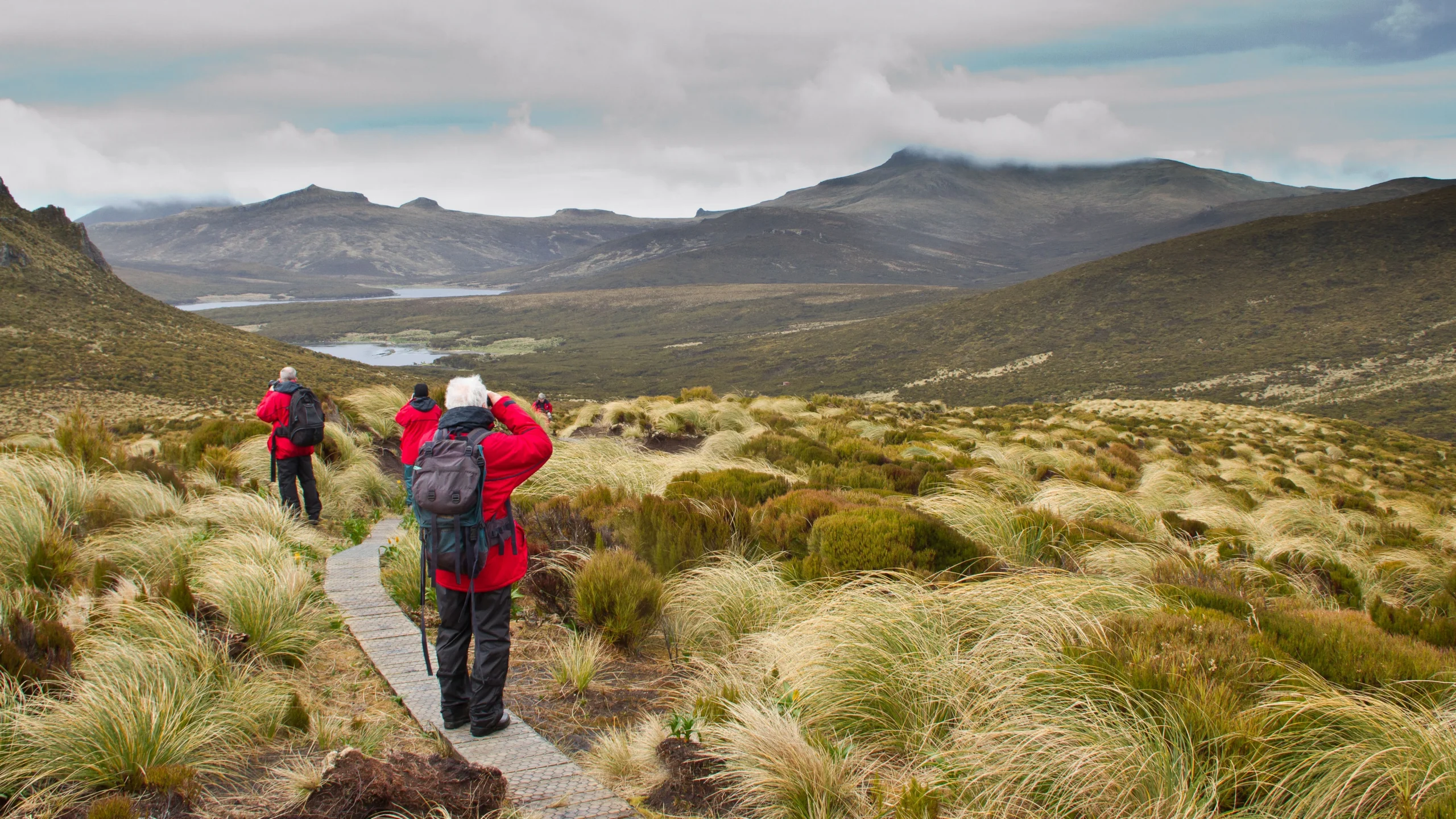
11 Nights Nights From £6,750pp
Journey to the remote Sub-Antarctic Islands, discovering rare wildlife, dramatic landscapes, and untamed beauty.
View details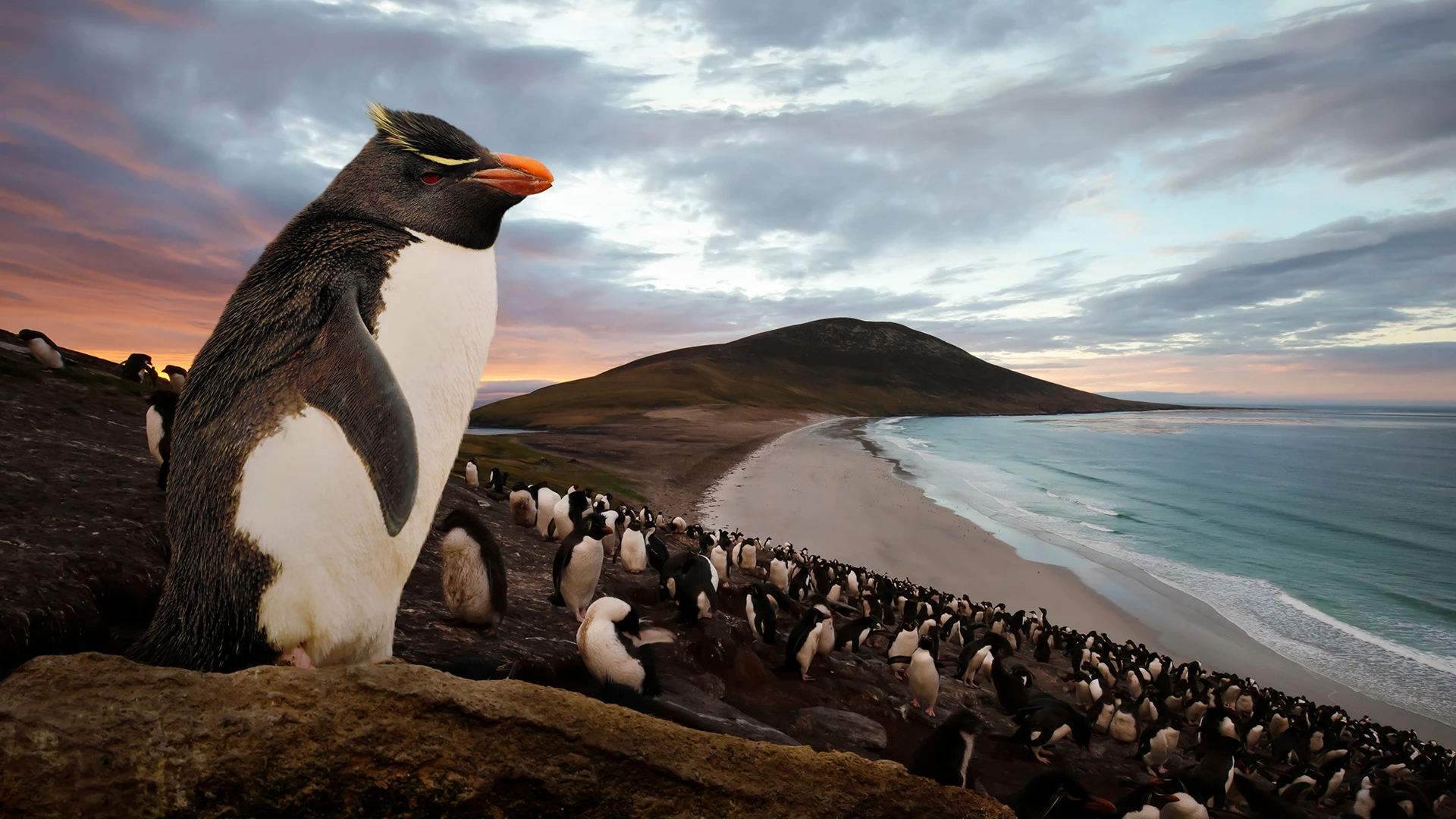
24 Nights From £15,730pp
Sail from South America aboard the boutique Ocean Nova, exploring South Georgia, the Falklands and Antarctica.
View details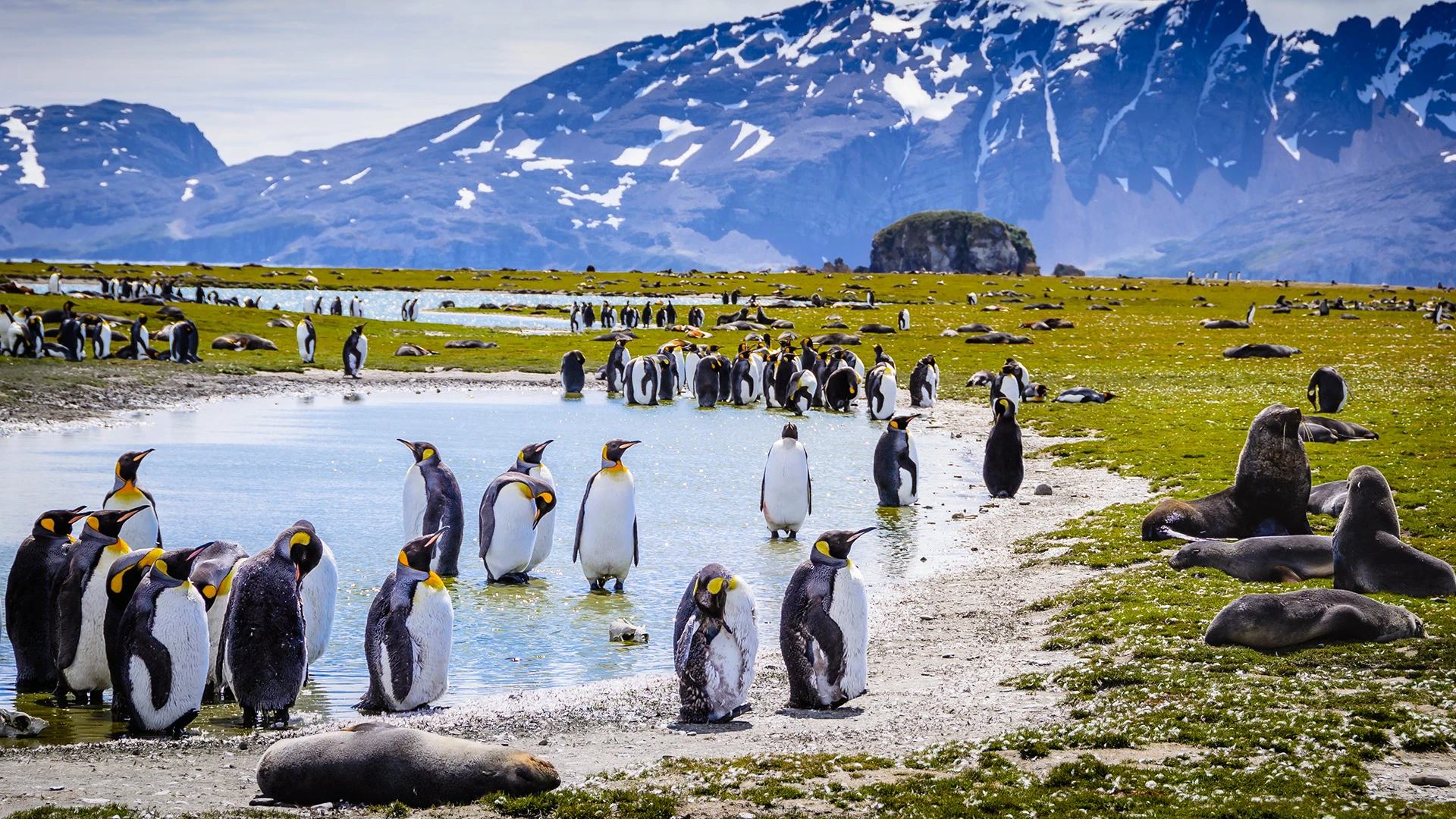
21 Nights From £14,500pp
Sail from Africa to Antarctica in style, discovering remote islands, remarkable wildlife and polar wonders.
View details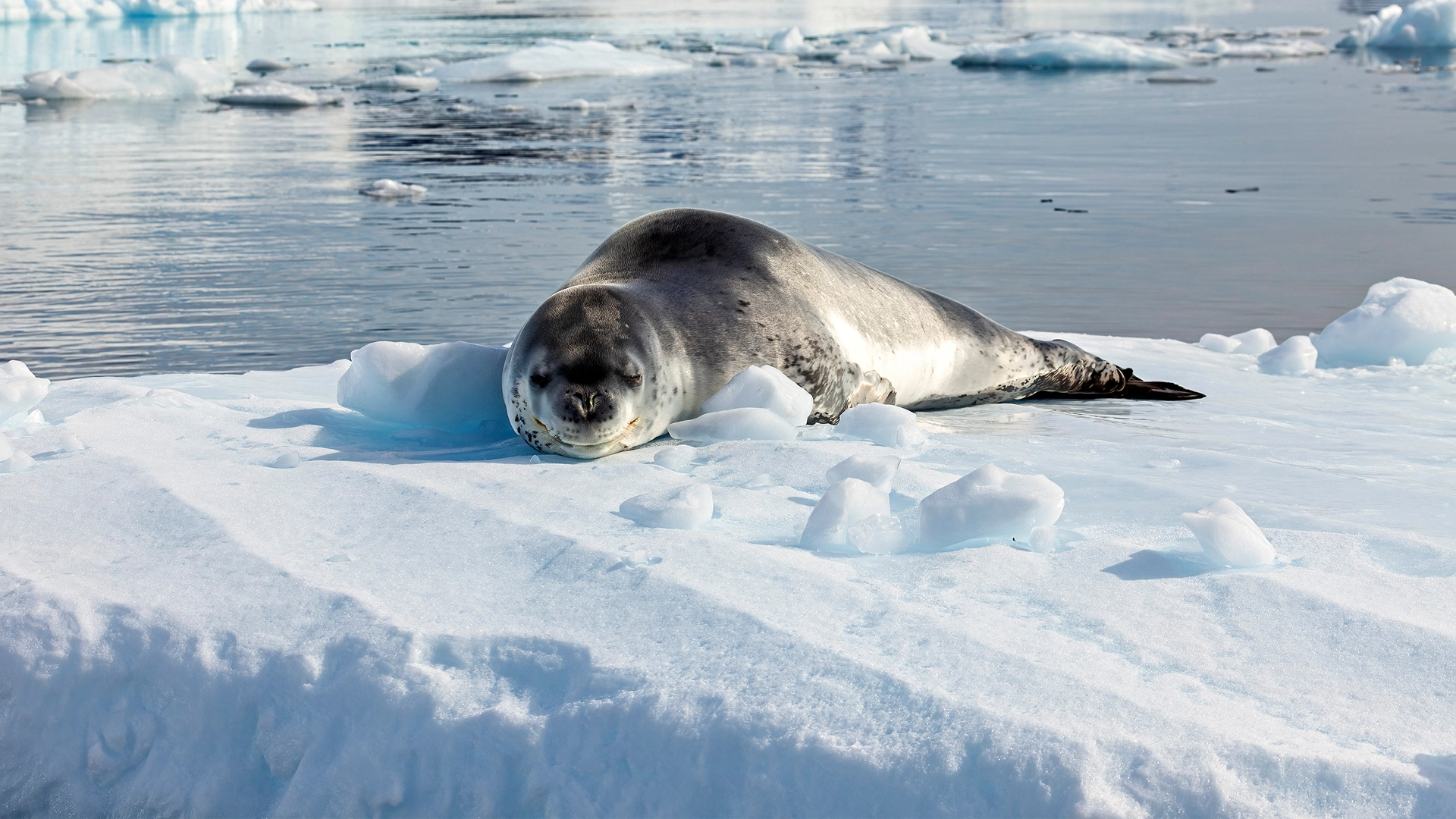
11 Nights From £16,400pp
Journey to the Antarctic Peninsula in style, where extraordinary wildlife meets world-class comfort.
View details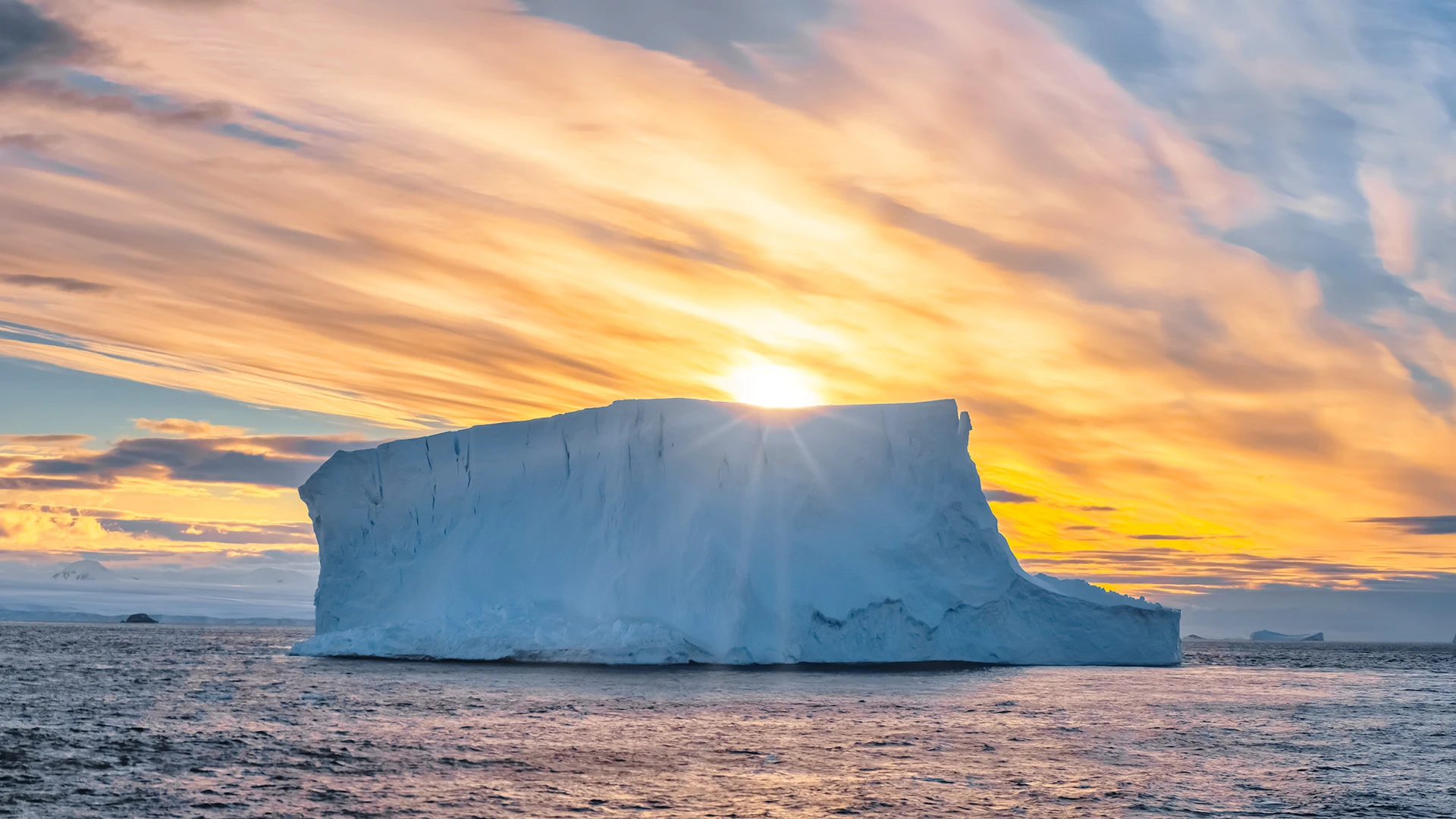
29 Nights From £58,000pp
Experience the ultimate polar crossing, exploring Antarctica and the remote Ross Sea with refined luxury.
View details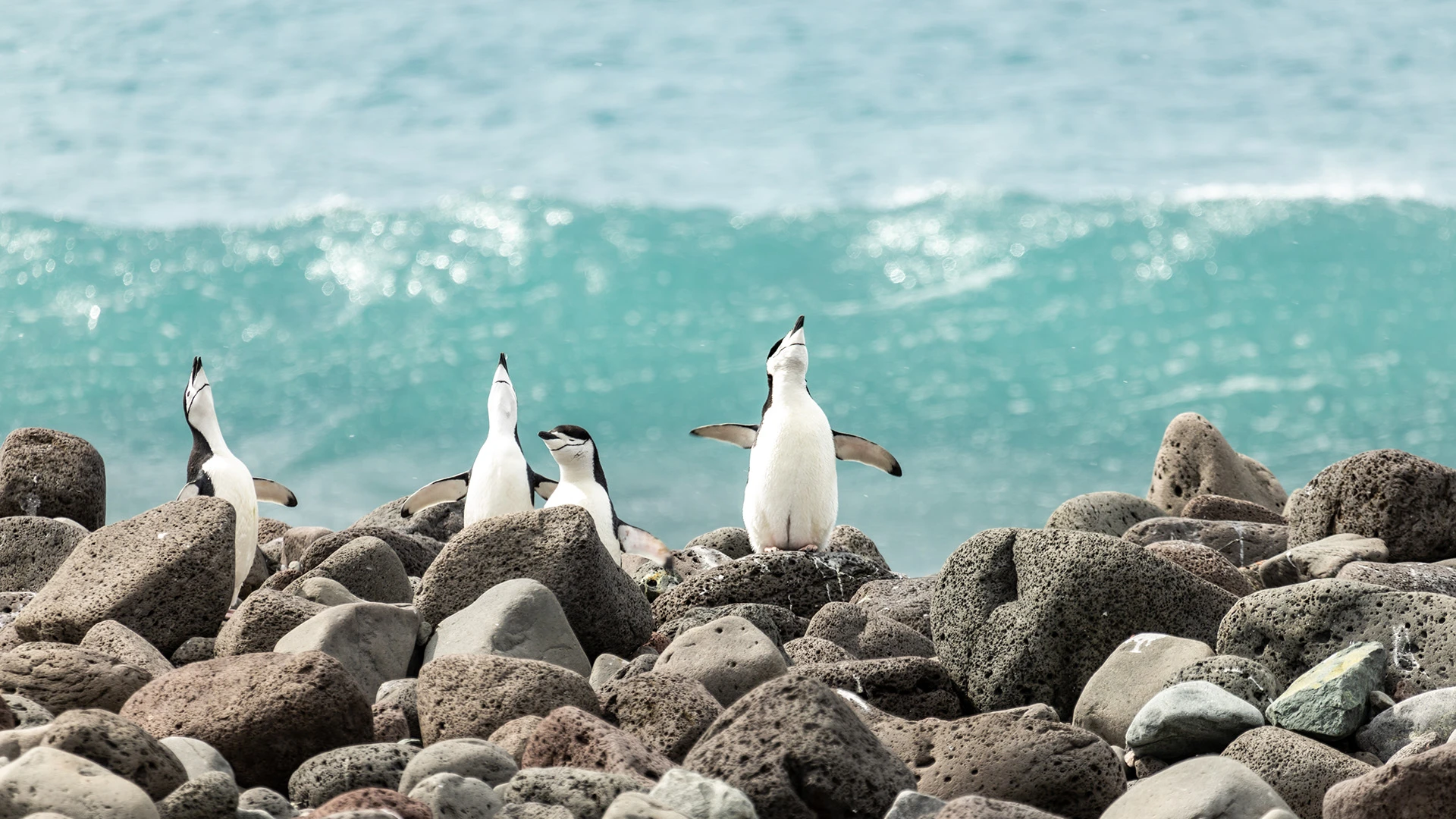
5 Nights From £13,500pp
Experience the White Continent in style, combining elegant surroundings with immersive polar exploration.
View details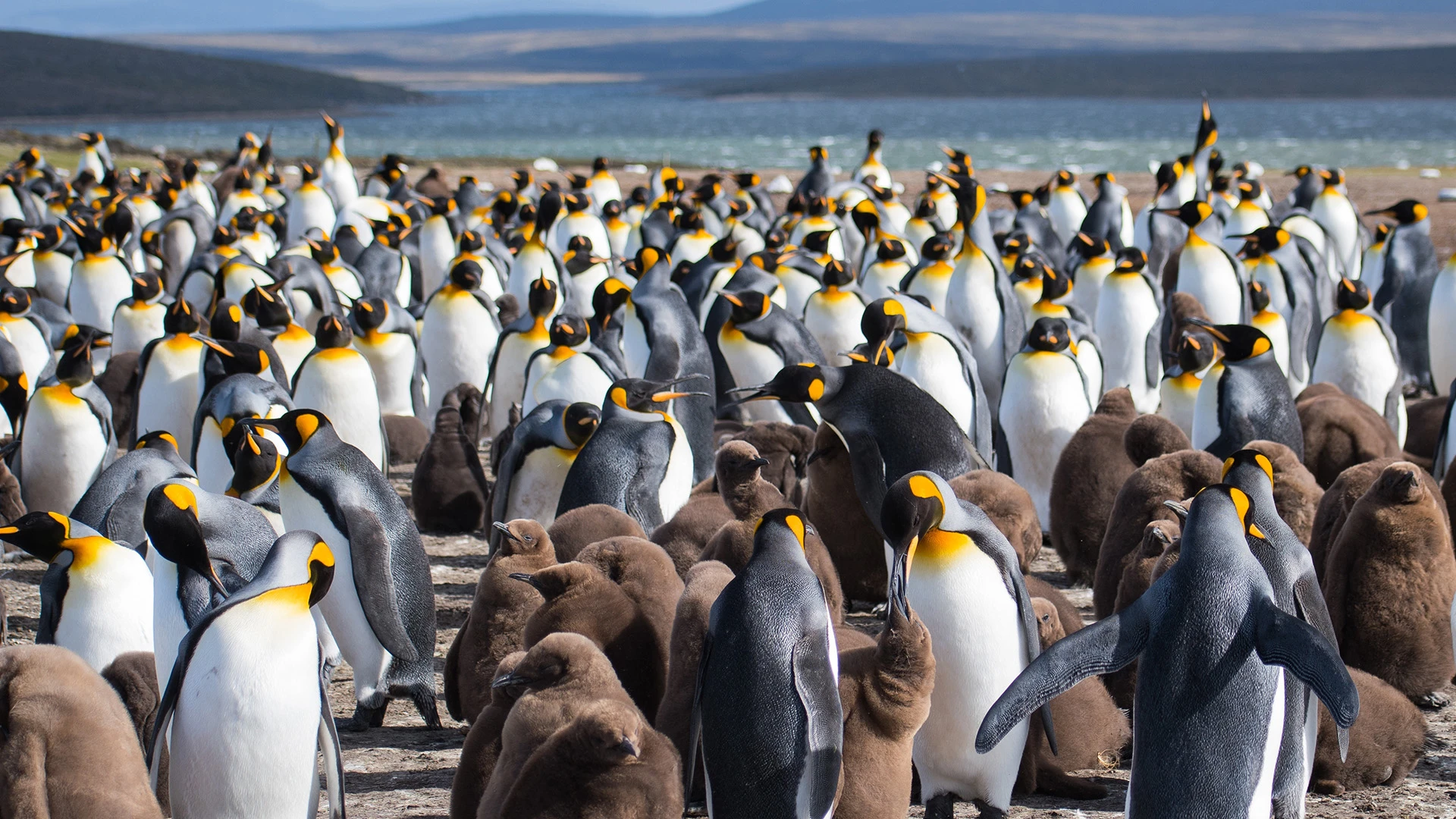
20 Nights Nights From £22,500pp
Journey to Antarctica, South Georgia and the Falklands, where luxury meets extraordinary polar exploration.
View details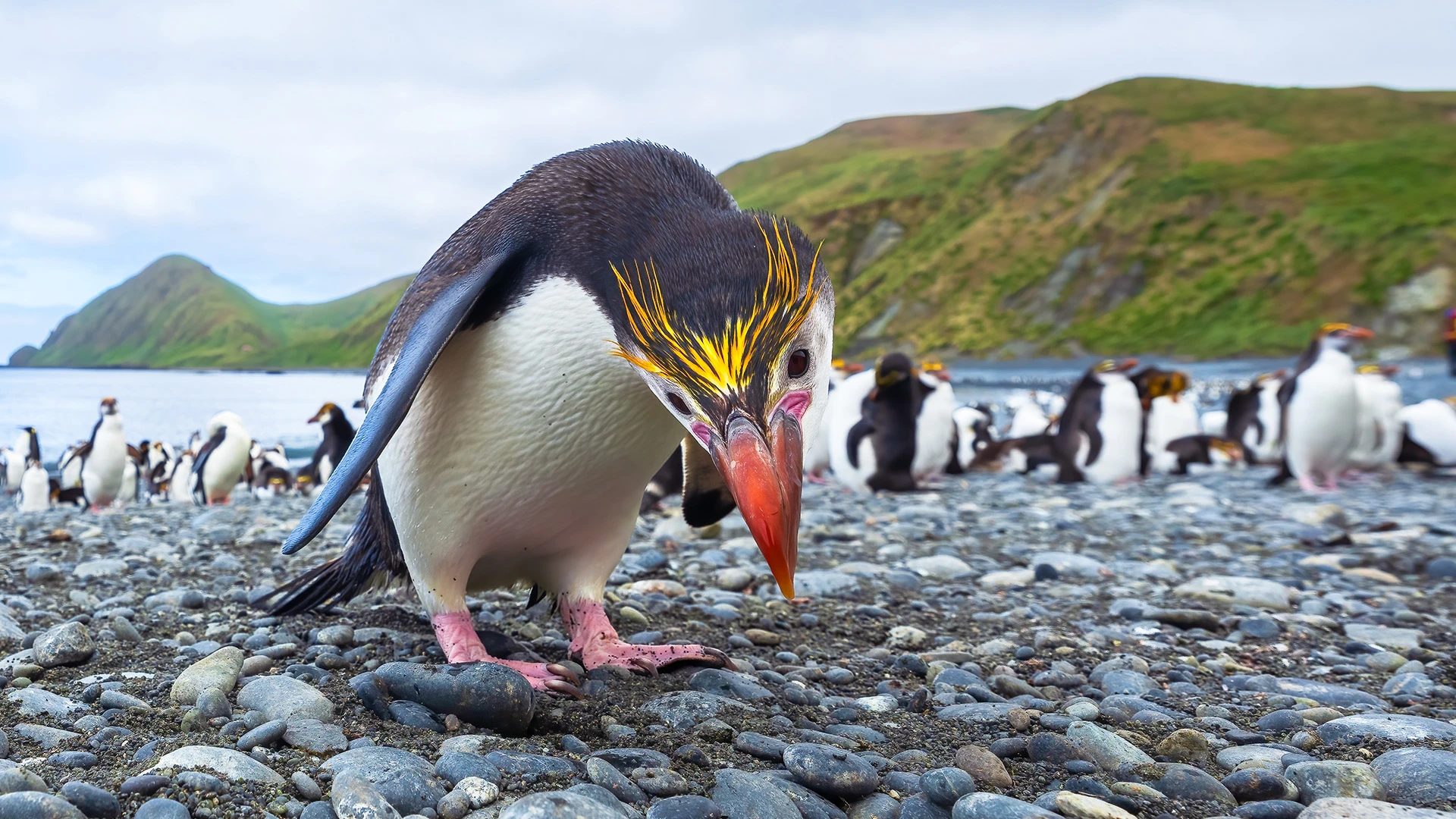
14 Nights Nights From £14,000pp
Experience the Sub-Antarctic Islands in comfort, with rare wildlife encounters, stunning scenery, and refined exploration.
View details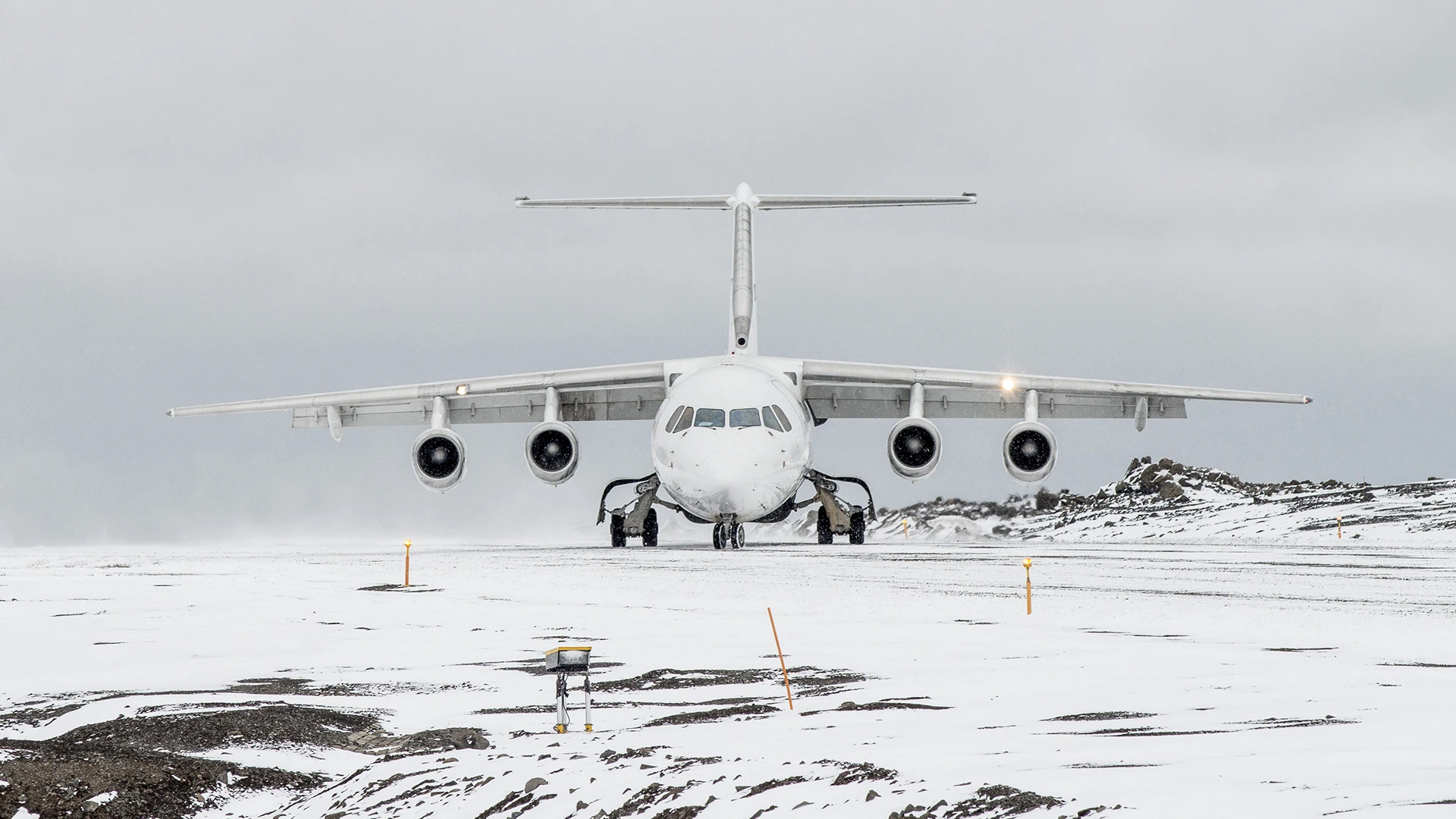
12 Nights From £15,150pp
Explore Chilean wine and culture, then fly to Antarctica to see glaciers, wildlife, and the South Shetland Islands.
View details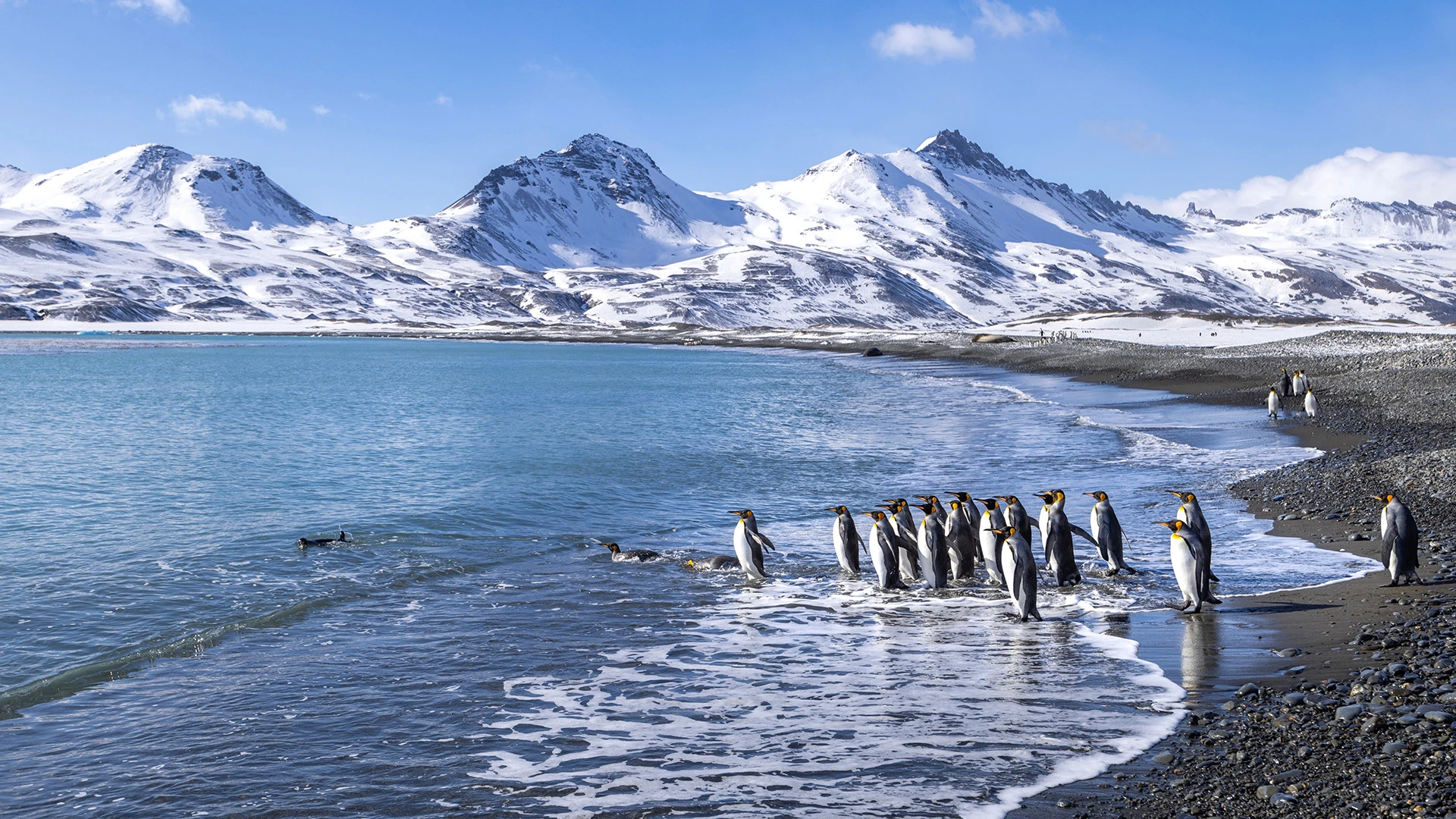
20 Nights From £11,500pp
Journey from Africa to Antarctica, discovering remote islands, rich wildlife and the wonders of the Southern Ocean.
View details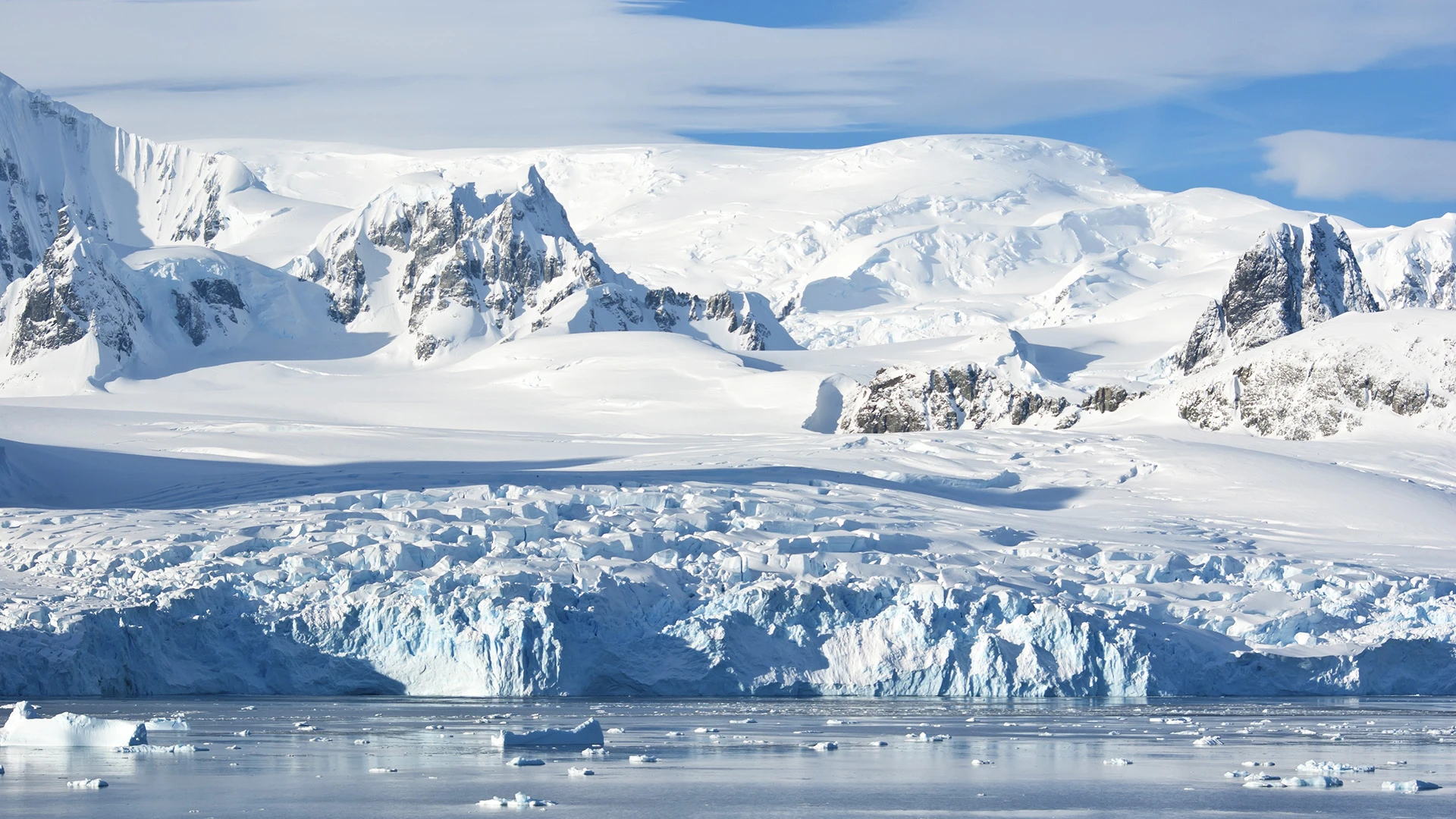
10 Nights From £9,650pp
Delve deeper into the Antarctic Peninsula, exploring remote bays, vast glaciers and thriving wildlife colonies.
View details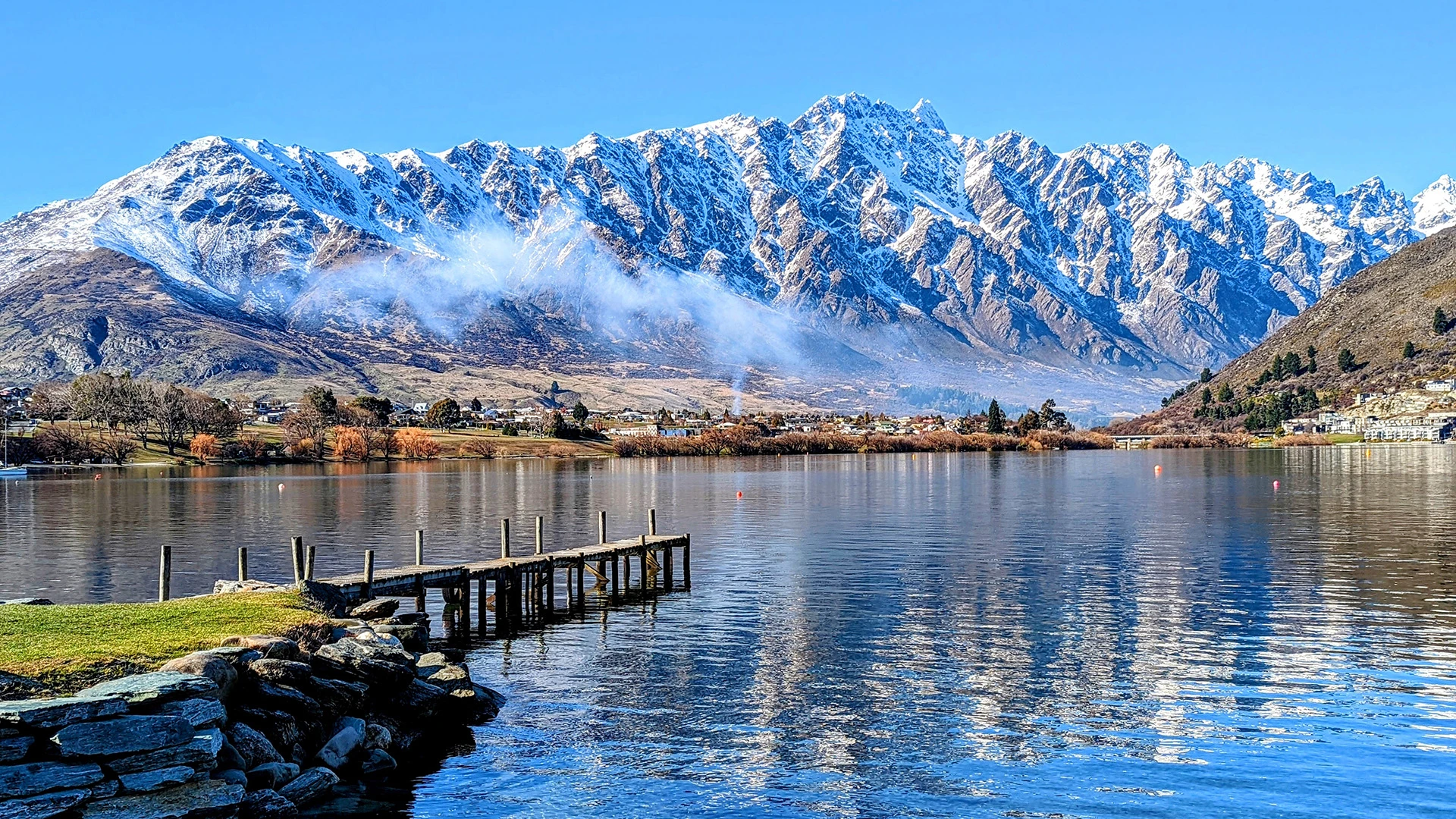
27 Nights From £26,000pp
Embark on a 27-night voyage through Antarctica and the remote Ross Sea, rich in wildlife and polar history.
View details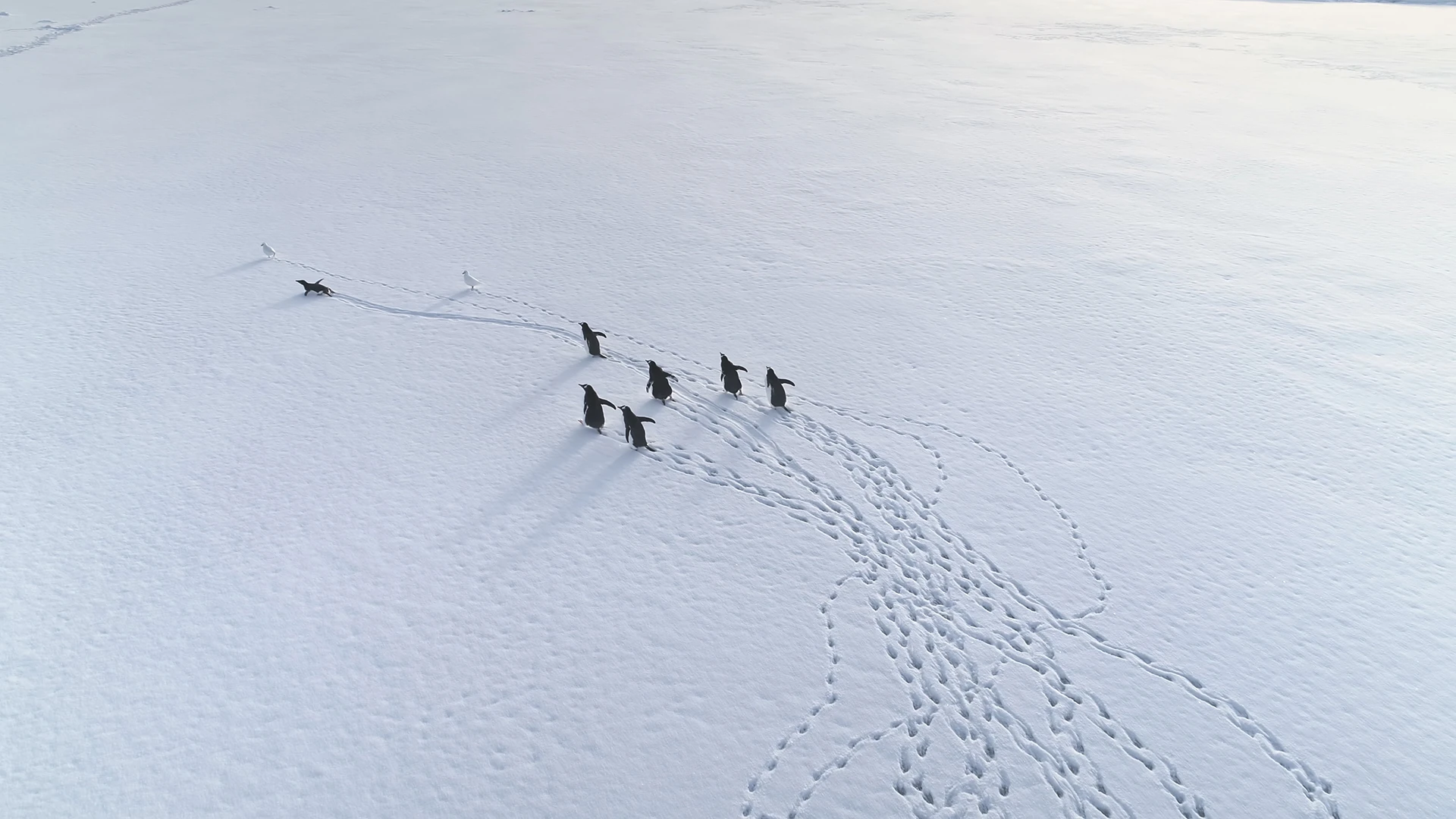
9 Nights From £13,000pp
Discover the true spirit of Antarctica, with immersive exploration, breath-taking scenery and unforgettable encounters.
View details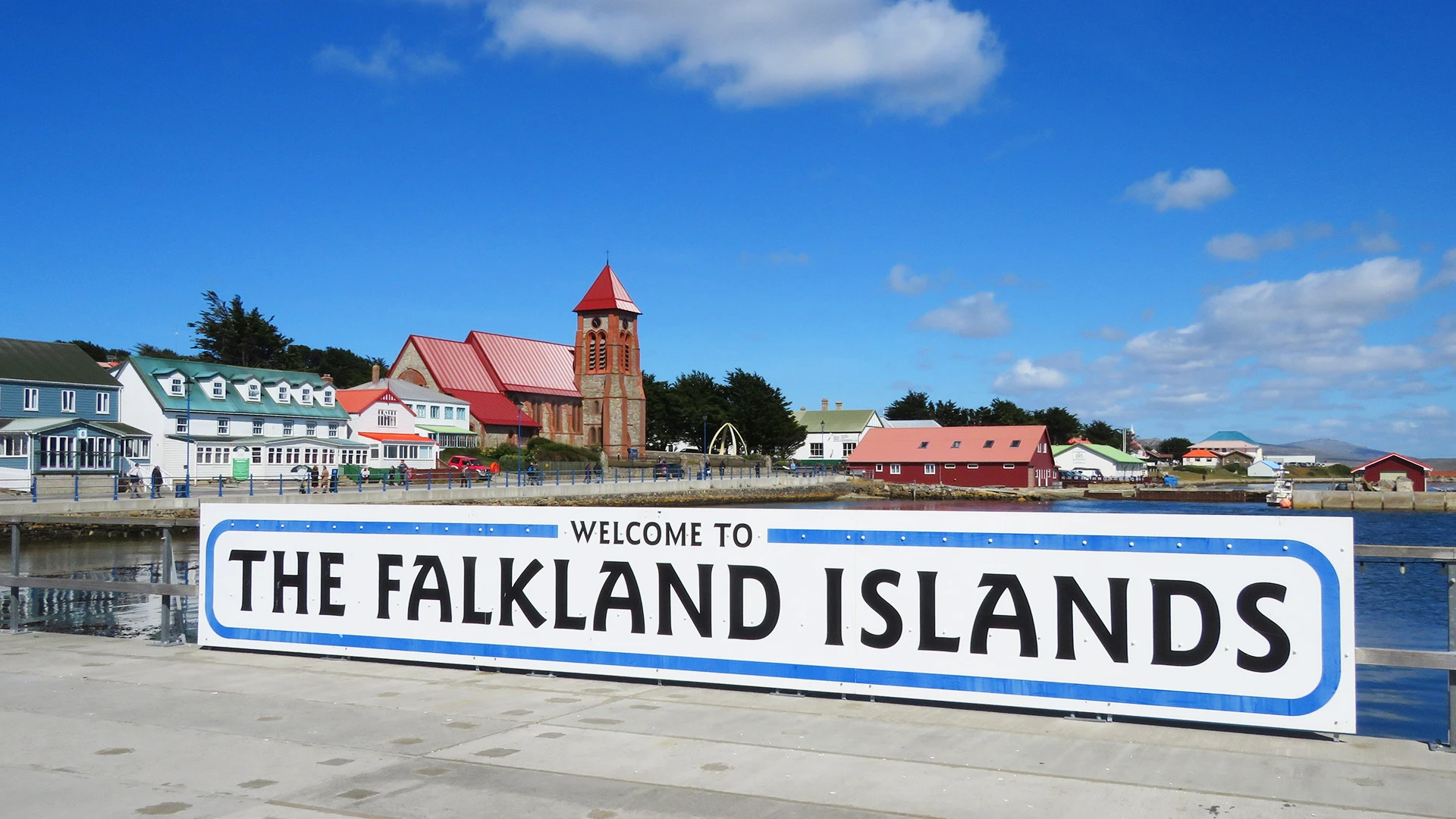
22 Nights From £15,300pp
Experience the ultimate Southern Ocean voyage, exploring Antarctica, South Georgia and the wildlife-rich Falklands.
View details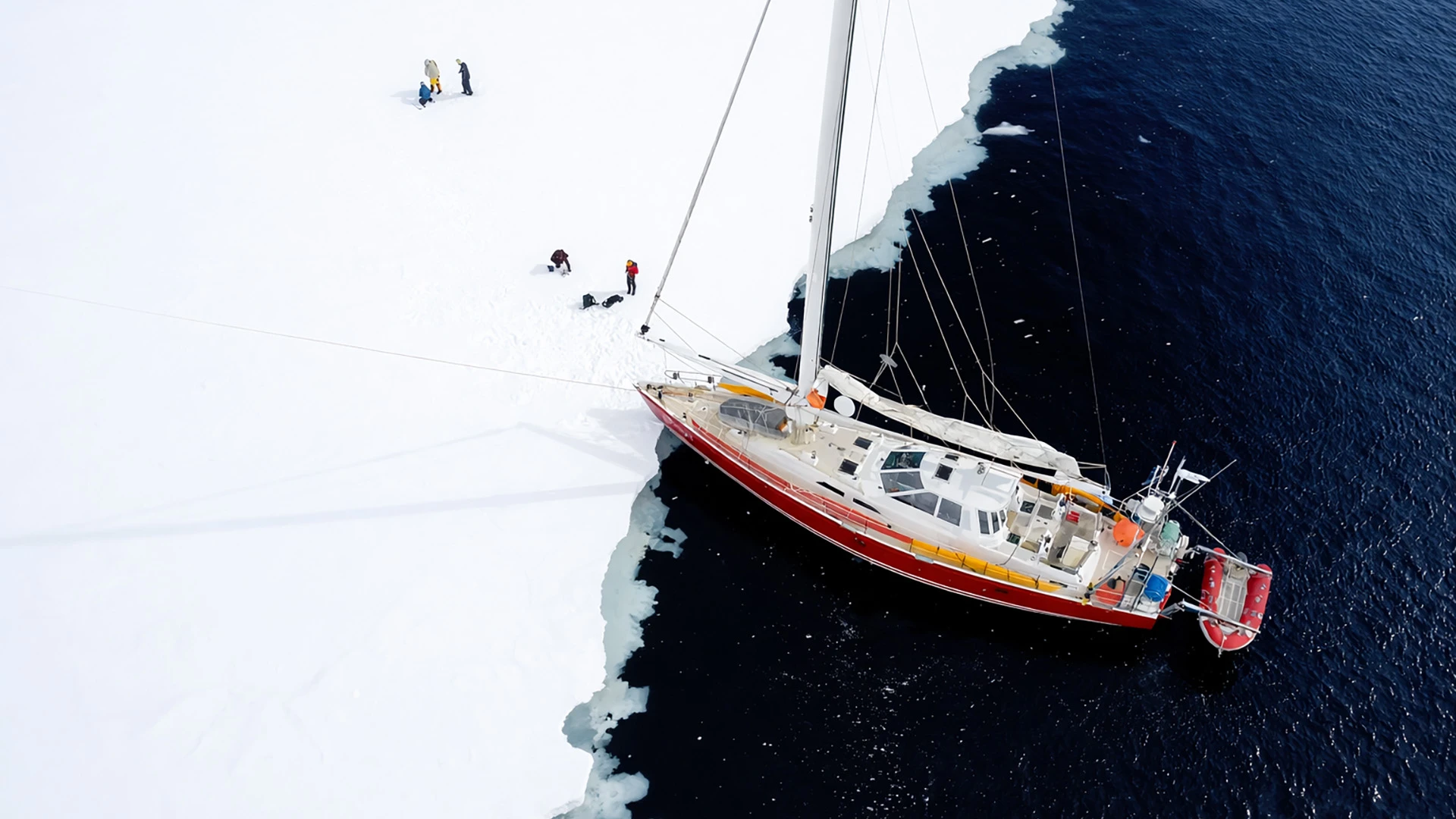
19 Nights From £16,460pp
A world-first Antarctic adventure combining expedition cruising with ultra-exclusive polar yachting for rare access.
View detailsYour message has been submitted successfully.
Ready to start planning? Our specialists are here to help.
The best time of year to see the Northern Lights in Svalbard High above the Arctic Circle, halfway between mainland...
Read now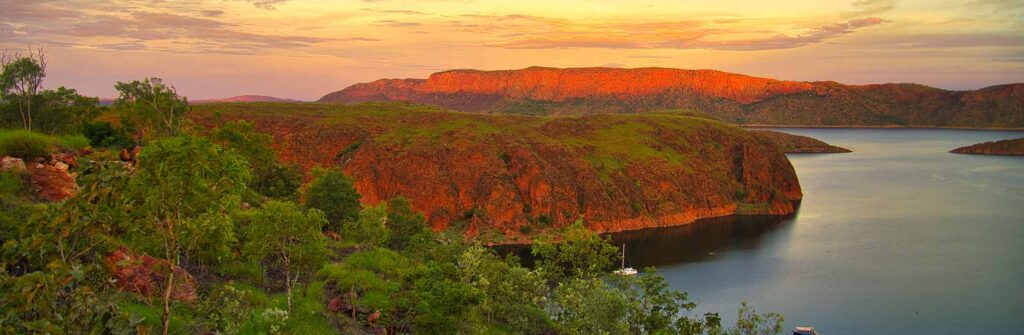
Extraordinary things to do in the Kimberley: National parks & wilderness expeditions In the far north of Western Australia, the...
Read now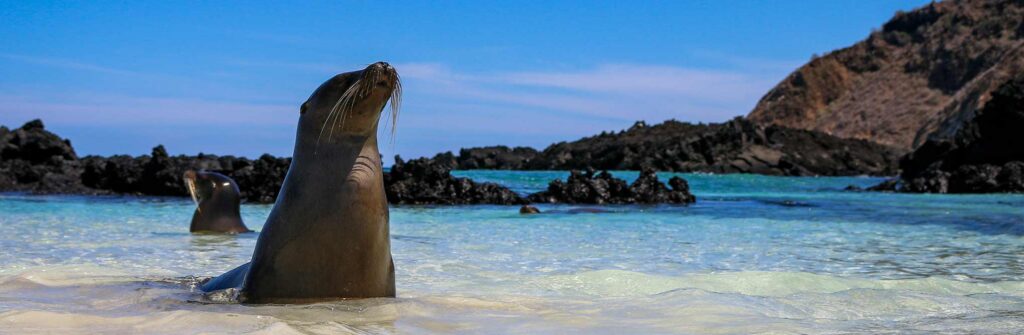
Wildlife of the Galápagos Islands: Unique species, conservation & expedition journeys Straddling the equator 600 miles off the South American...
Read now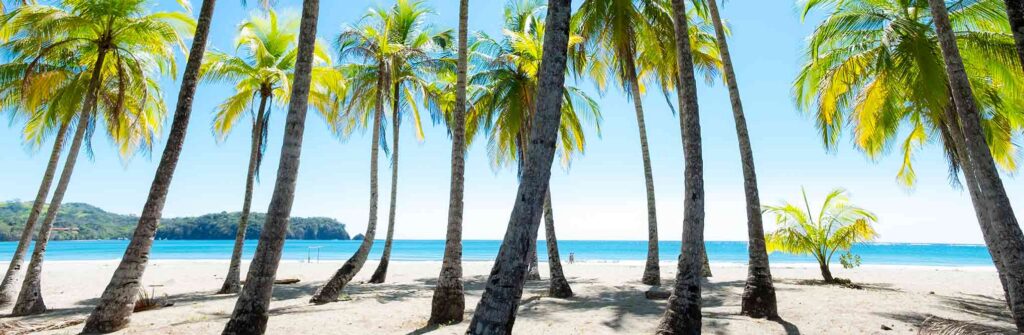
Pacific dreams and Caribbean soul: A guide to Costa Rica beaches Costa Rica sits between two oceans, and its beaches...
Read now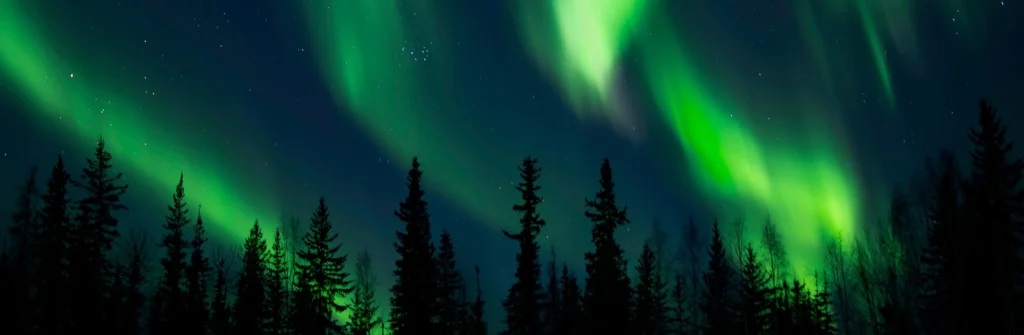
Chasing the sky: The emotional journey to witness the Alaskan borealis There are certain moments in travel that permanently alter...
Read now
The beauty of the moment: Finding peace in a traditional Japanese tea ceremony There is a particular kind of silence...
Read now
The best time of year to see the Northern Lights in Svalbard High above the Arctic Circle, halfway between mainland...
Read now
Extraordinary things to do in the Kimberley: National parks & wilderness expeditions In the far north of Western Australia, the...
Read now
Wildlife of the Galápagos Islands: Unique species, conservation & expedition journeys Straddling the equator 600 miles off the South American...
Read now
Pacific dreams and Caribbean soul: A guide to Costa Rica beaches Costa Rica sits between two oceans, and its beaches...
Read now
Chasing the sky: The emotional journey to witness the Alaskan borealis There are certain moments in travel that permanently alter...
Read now
The beauty of the moment: Finding peace in a traditional Japanese tea ceremony There is a particular kind of silence...
Read now