
Wildlife in Antarctica
An expert field guide to Antarctica’s remarkable wildlife The first thing you notice at an Antarctic landing is the noise....
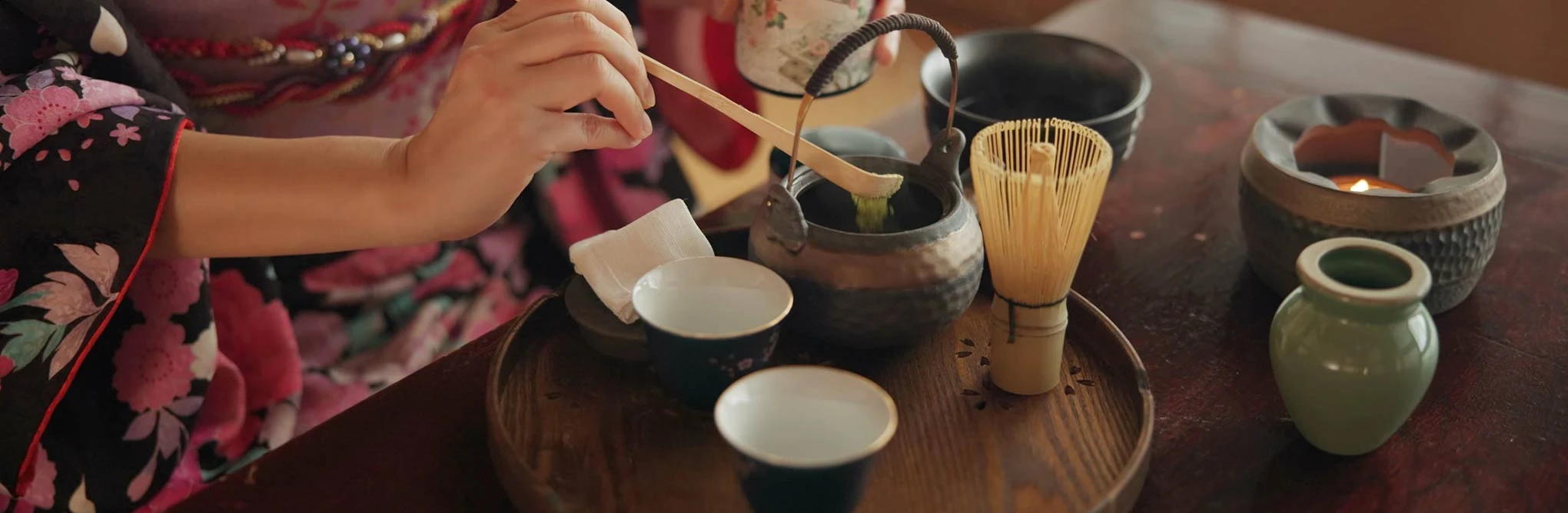
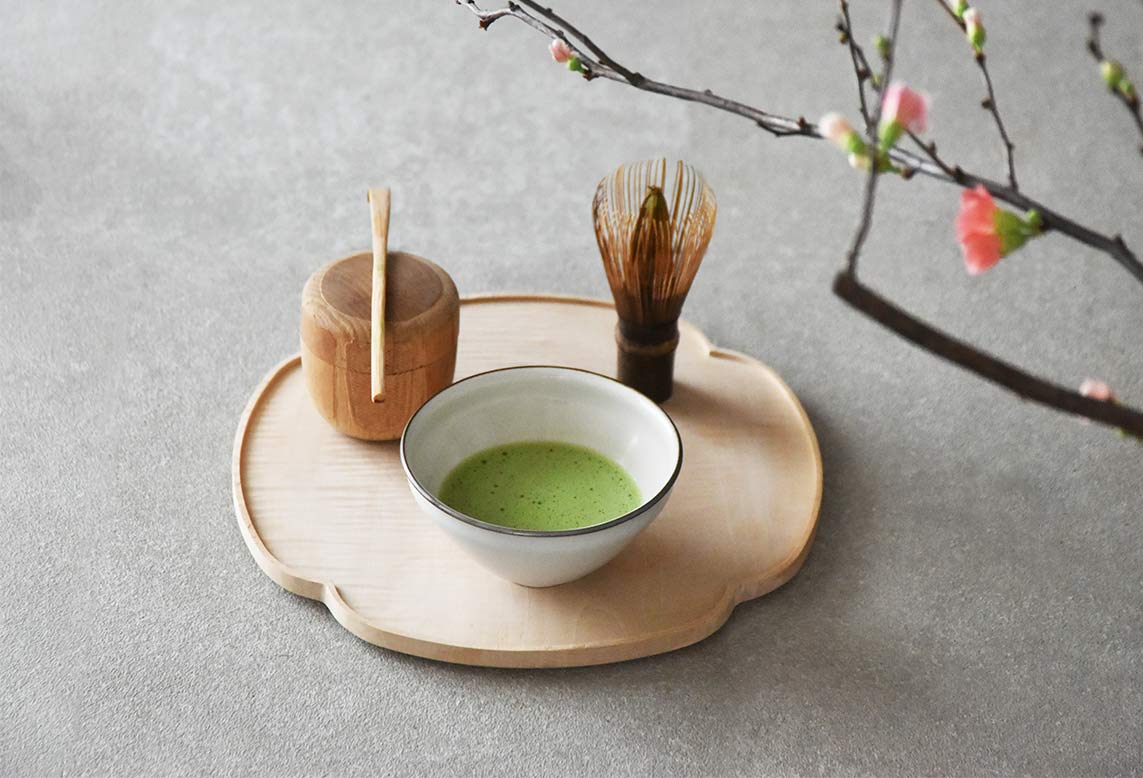
Read nowThere is a particular kind of silence that settles over a tea room. Not an empty silence, but a full one, made up of the soft scrape of bamboo against ceramic, the quiet hiss of water meeting powdered leaves, and the unhurried attention of a host who has practised the same handful of movements for years. Nothing here is rushed. Nothing is incidental. At Exclusive Expeditions, we view the Japanese tea ceremony as one of the purest expressions of Japan itself, a ritual that turns the simple act of making tea into a form of meditation.
Here is our guide to understanding chanoyu, the way of tea, and where in Japan you can experience it as it was truly intended.
Tea arrived in Japan from China over a thousand years ago, carried by Buddhist monks who valued its use in long hours of meditation. What began as a monastic practice slowly evolved into something distinctly Japanese, reaching its defining form in the sixteenth century under the tea master Sen no Rikyu. Rikyu stripped the ceremony of ornament and excess, favouring rustic simplicity over display. The aesthetic he refined, known as wabi-sabi, finds beauty in imperfection, in a chipped bowl or an unglazed patch of clay, and it remains the guiding spirit of the tea room today.
At the heart of the ceremony sits a phrase every practitioner learns early: ichigo ichie, one time, one meeting. It symbolises that every gathering is unrepeatable, and that this exact combination of guests, season, light, and mood will never occur again. The host prepares accordingly, selecting utensils and a hanging scroll to suit the moment precisely, and the guest is asked to receive it with the same full attention. It is a philosophy that travels well beyond the tea room, and one that shapes how we design every journey through Japan, treating each stop as worthy of complete presence rather than a box to tick.
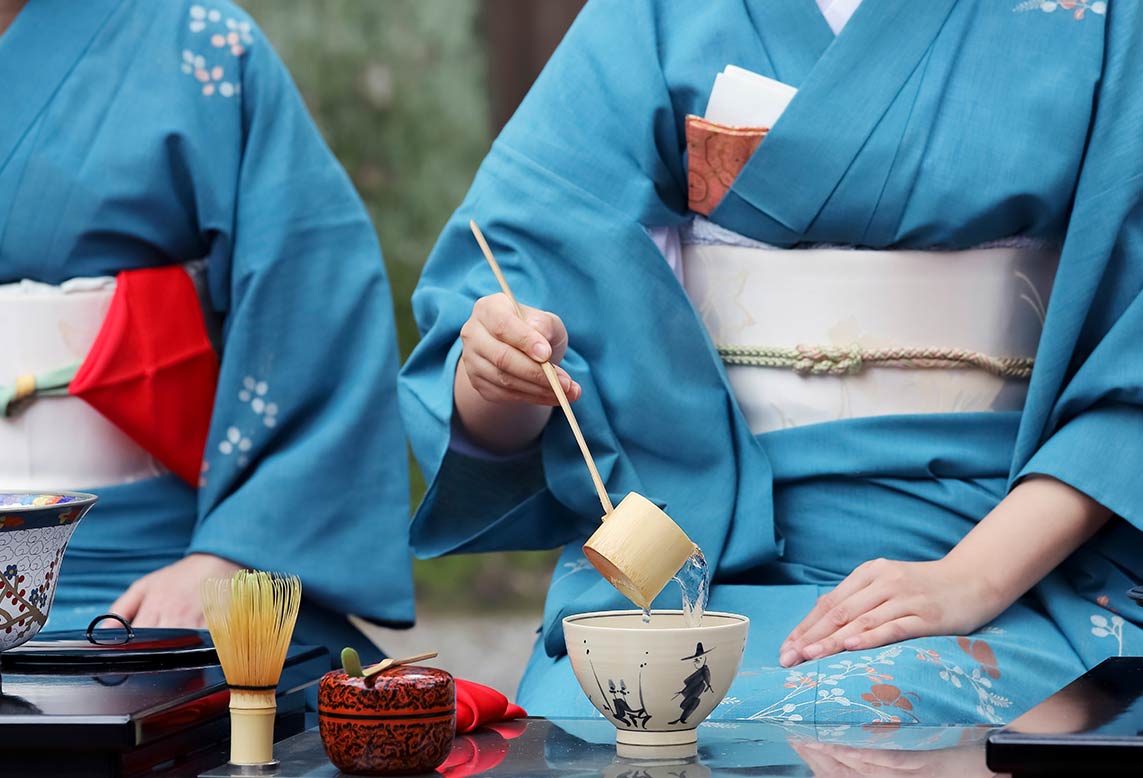
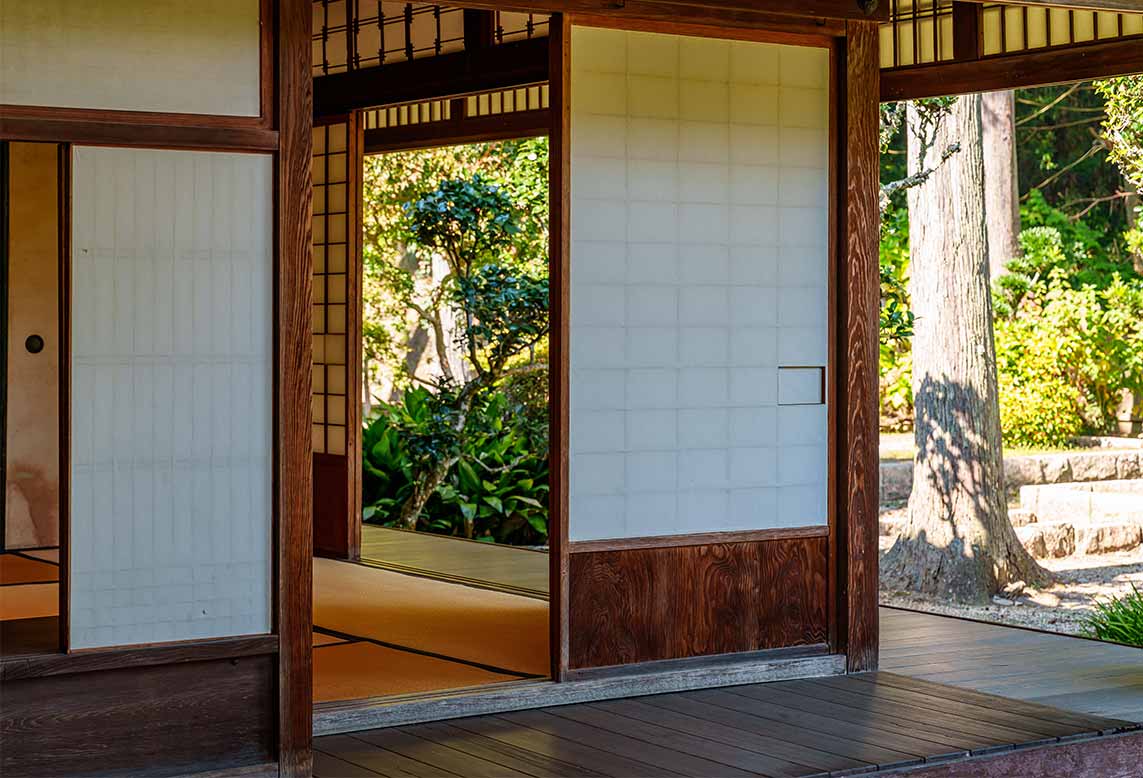
A traditional tea room is built for humility. Guests enter through a nijiriguchi, a deliberately low doorway that forces everyone, regardless of rank, to bow on the way in. Inside, a simple alcove called the tokonoma holds a scroll and a single seasonal flower, chosen to reflect the time of year. The host whisks matcha into a bowl using a bamboo chasen, each movement precise and practised, before presenting it to the guest with the bowl’s finest side turned outward. The guest receives it with both hands, rotates the bowl to avoid drinking from that side, and savours it alongside a small seasonal wagashi sweet, chosen to balance the tea’s gentle bitterness.
EE recommends: If it is your first ceremony, do not worry about memorising every gesture. Watch your host, follow their lead, and let the silence do the rest. The etiquette matters less than the attention you bring to it.
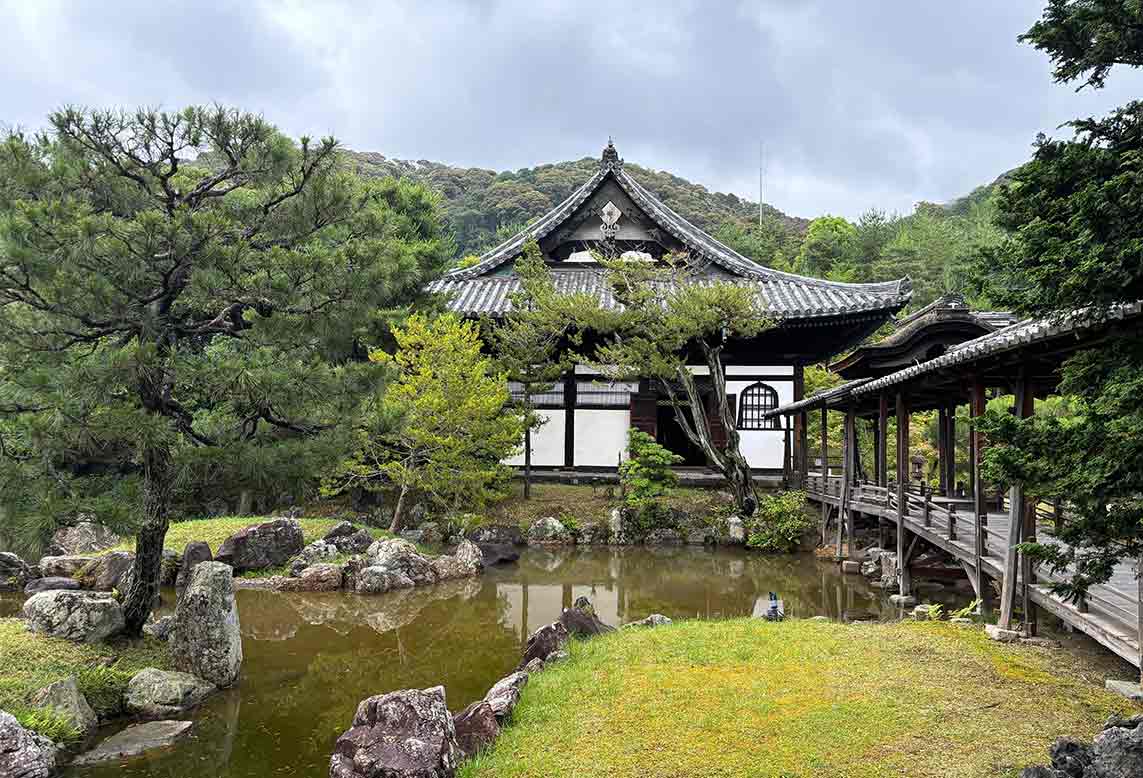
Kyoto remains the spiritual home of chanoyu, its machiya teahouses and the nearby tea fields of Uji drawing practitioners for centuries. Our Golden Japan: Cities from Tokyo to Osaka journey routes you directly through this heartland, alongside Nara and Hakone. Further north, Kanazawa’s Higashi Chaya geisha district preserves its own tea culture in beautifully restored wooden teahouses, and our custom itineraries can include a private nighttime ceremony in Nagoya, complete with traditional kimono and an intimate tearoom setting.
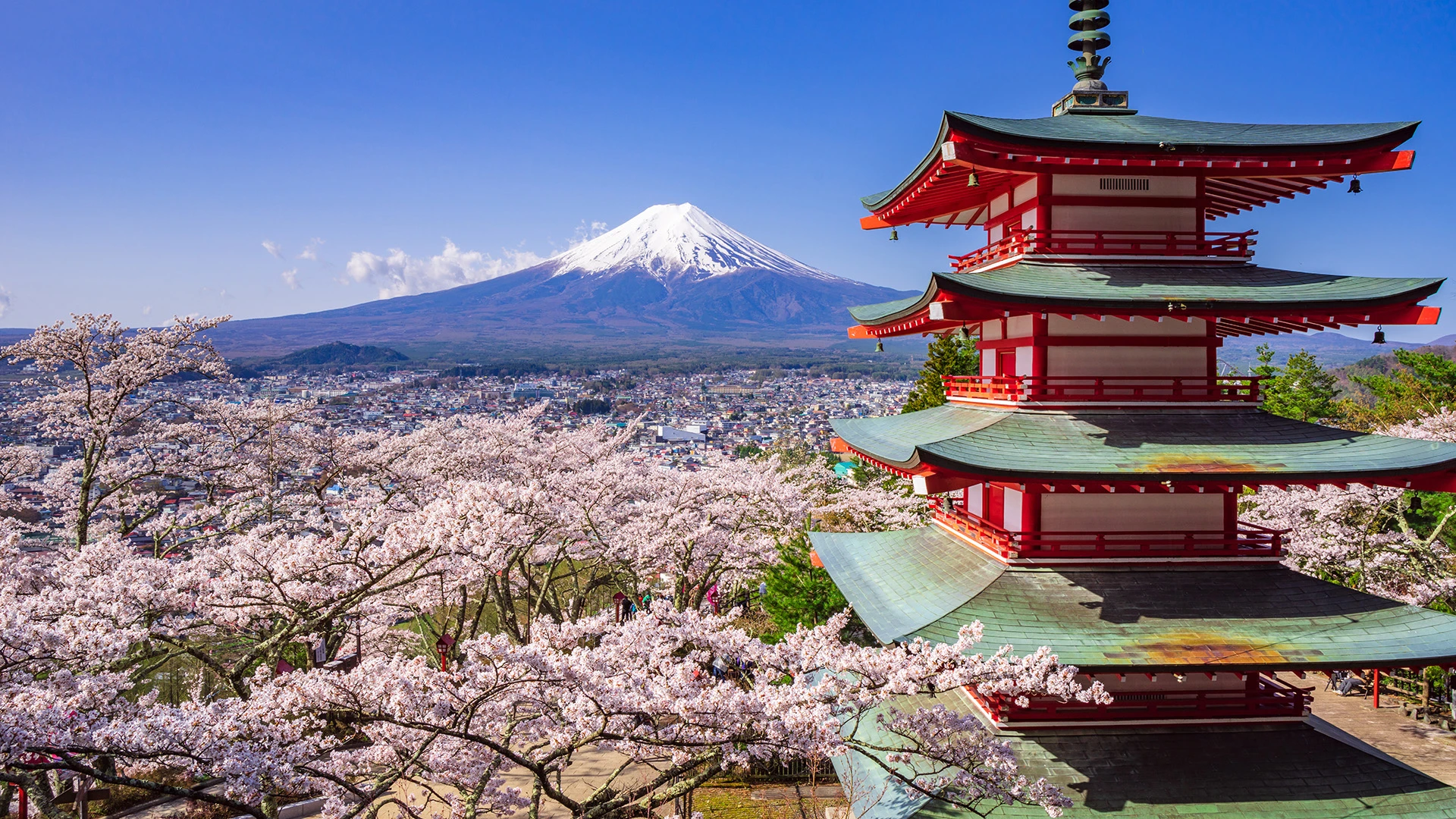
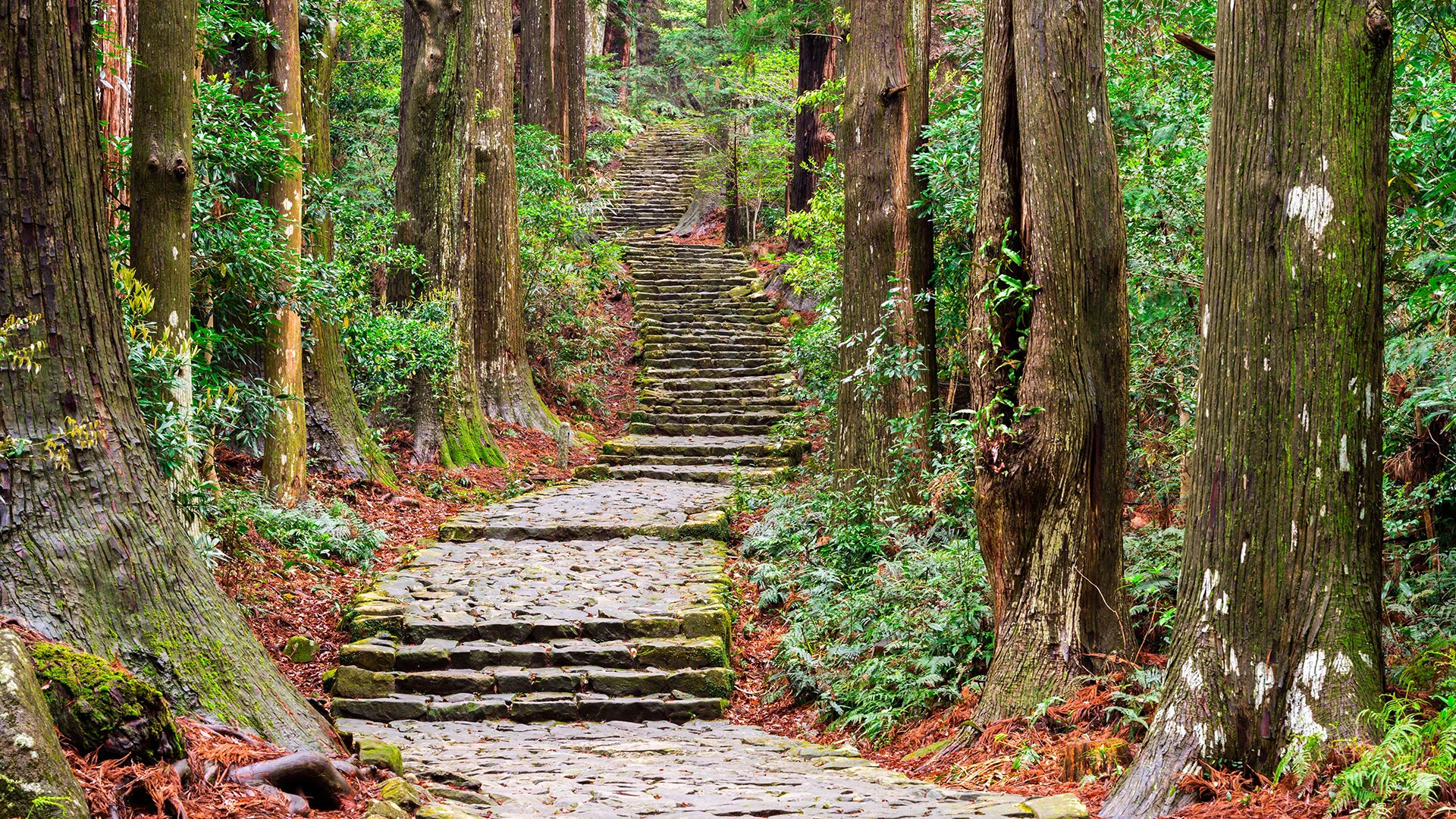
For those seeking the philosophy behind the ritual as much as the ritual itself, the temple stays and mountain trails of our Ancient Pilgrimage of Japan: Osaka to Kumano journey offer a parallel kind of stillness, walking sacred paths that have shaped Japanese mindfulness for a thousand years. Other off-the-beaten-path routes venture further still, into rural temple communities where tea culture has changed little in generations, while classic coastal stays pair a traditional ryokan tea service with views over Japan’s most famous peak.
Good to know: Late April and May bring the shincha, or first-flush harvest, when the year’s new tea leaves are picked and prized for their sweetness. It is a wonderful time to combine a traditional tea ceremony with a visit to the plantations themselves.
Ready to experience the stillness of a traditional tea ceremony for yourself? Browse our featured Japan journeys, explore our featured regions to see where each experience fits into a wider itinerary, or contact our team to begin planning your own journey into Japan’s living traditions.
Continue your journey through Japan with our Tokyo travel guide, or discover the wilder side of the country in our guide to the best time to visit Hokkaido. You can also explore our other Asia destinations, or discover the region’s natural wonders.
Every journey offer is handpicked by our specialists. These are the ones we recommend most.
14 Nights From £15,240pp
Experience Shikoku, Japan’s hidden gem, with a private guide, luxury stays and curated cultural moments.
View details12 Nights From £11,260pp
Explore Japan’s temples gardens, artisan workshops and UNESCO villages while indulging in serene ryokan and onsen experiences.
View details11 Nights From £11,420pp
Immerse yourself in Japan’s rich heritage, scenic landscapes, and exclusive cultural experiences.
View details13 Nights From £10,890pp
Discover Japan from Tokyo to Osaka with Hakone, Kyoto, and Nara by bullet train, cultural experiences, and expert guides.
View details14 Nights From £14,780pp
Walk ancient trails, join sacred rituals, and immerse in Japan’s spiritual and mindful traditions in this unparalleled journey.
View detailsYour message has been submitted successfully.
Ready to start planning? Our specialists are here to help.
An expert field guide to Antarctica’s remarkable wildlife The first thing you notice at an Antarctic landing is the noise....
Read nowChiang Mai city guide: Ancient temples, mountain sanctuaries & Lanna culture Tucked into the misty mountains of Northern Thailand, Chiang...
Read nowVietnam Weather in February: Regional Climates, Ideal Seasons & Travel Advice Pack a jacket for Hanoi and sunscreen for Ho...
Read nowA single small island holds all of this: the world's densest population of leopards, herds of wild elephants numbering in...
Read nowGuided Safaris in Mikumi National Park: Exploring Tanzania's Southern Wilderness Four and a half hours west of Dar es Salaam,...
Read nowWhere to travel in December: The best global destinations for winter expeditions December carries a unique energy for global exploration....
Read nowAn expert field guide to Antarctica’s remarkable wildlife The first thing you notice at an Antarctic landing is the noise....
Read nowChiang Mai city guide: Ancient temples, mountain sanctuaries & Lanna culture Tucked into the misty mountains of Northern Thailand, Chiang...
Read nowVietnam Weather in February: Regional Climates, Ideal Seasons & Travel Advice Pack a jacket for Hanoi and sunscreen for Ho...
Read nowA single small island holds all of this: the world's densest population of leopards, herds of wild elephants numbering in...
Read nowGuided Safaris in Mikumi National Park: Exploring Tanzania's Southern Wilderness Four and a half hours west of Dar es Salaam,...
Read nowWhere to travel in December: The best global destinations for winter expeditions December carries a unique energy for global exploration....
Read now