

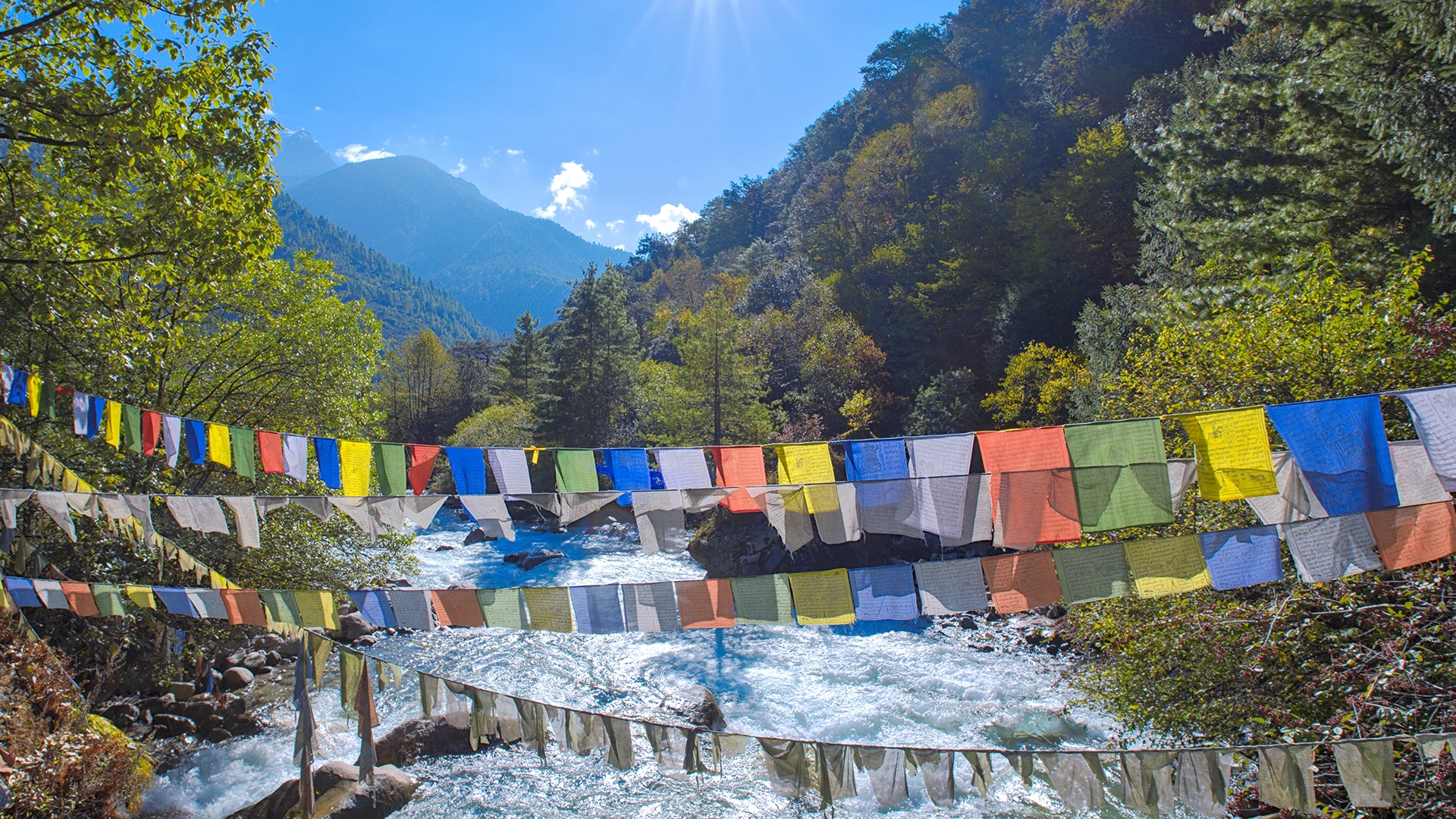
As the winter snow melts, the valleys erupt in a kaleidoscope of colour with rhododendrons and magnolias in full bloom. This is widely considered the best time for Bhutan bespoke trips, offering pleasant temperatures for hiking and the chance to witness the vibrant Paro Tshechu festival. The air is fresh, perfect for clear Himalayan panoramas.
Bespoke travel in Bhutan, tailored for you
Bespoke travel in Bhutan, tailored for you
Bhutan is a serene Himalayan sanctuary where ancient spirituality meets untouched wilderness, offering an exclusive, carbon-negative haven for those seeking a profound, soulful reconnection with nature.
Bespoke travel in Bhutan, tailored for you
Bhutan is a serene Himalayan sanctuary where ancient spirituality meets untouched wilderness, offering an exclusive, carbon-negative haven for those seeking a profound, soulful reconnection with nature.
The kingdom of happiness: Bhutan tours
Bhutan’s philosophy of prioritising national happiness makes its tours feel special and exclusive, as the country limits visitor numbers to protect its peaceful culture and beautiful nature. From the iconic Tiger’s Nest monastery to the glacial valleys of Phobjikha, this kingdom remains one of the world’s most protected destinations. Here, true value lies in space and silence. Our Bhutan tailor-made expeditions ensure your visit supports vital conservation and cultural preservation, making Bhutan responsible holidays in 2026 a purposeful journey.
A seasonal guide to Bhutan
Featured Journeys
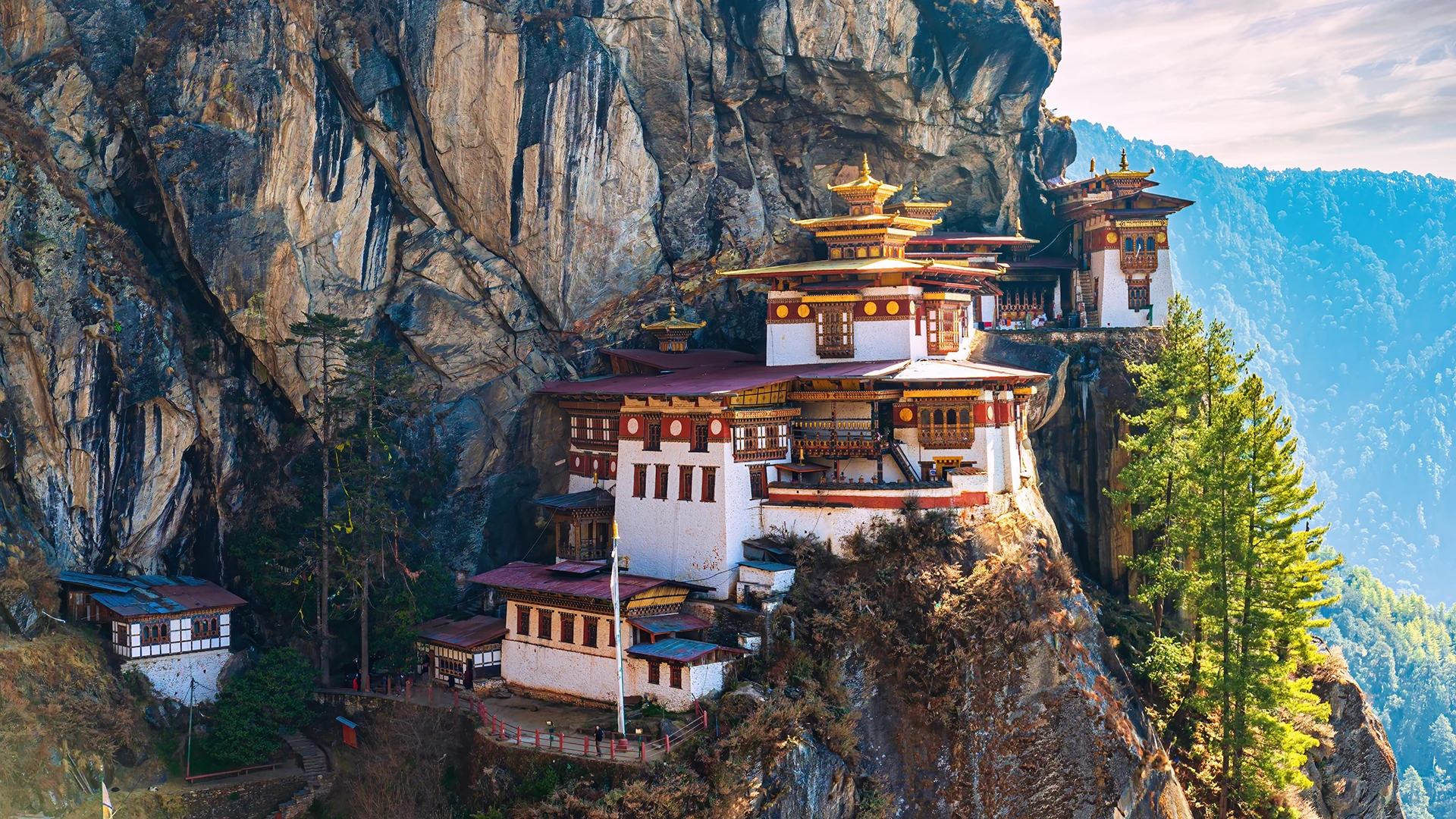
Best of Bhutan: Tiger’s Nest, Punakha and Bumthang
14 Nights From £7,580pp
Walk in the footsteps of monks to Tiger’s Nest and feel the calm of Bhutan’s spiritual mountains.
View details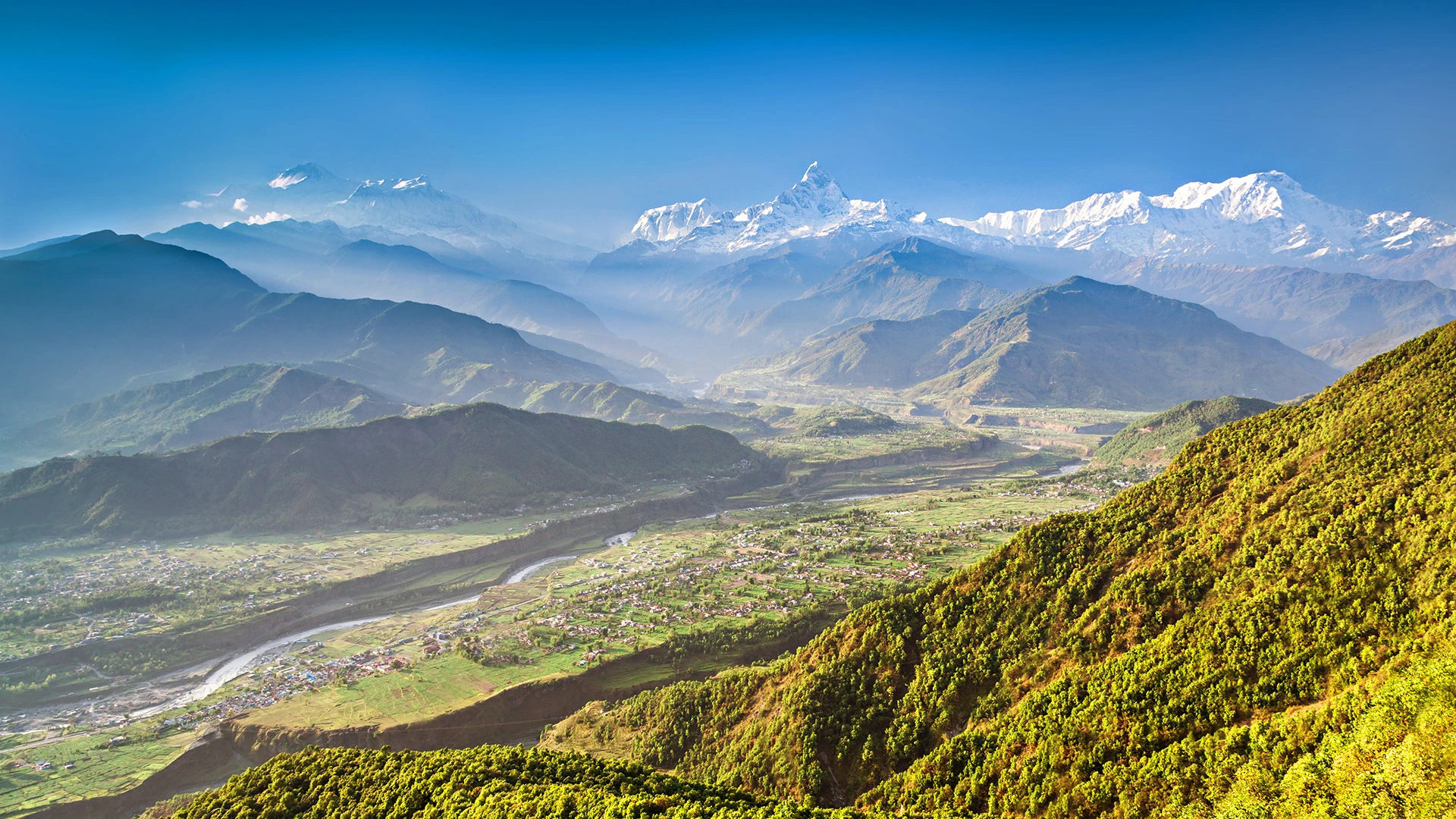
Nepal and Bhutan: Himalayan Culture and Valleys
18 Nights From £8,980pp
Journey through Nepal and Bhutan’s sacred temples, serene valleys, and majestic Himalayas on an unforgettable adventure.
View detailsWhere our expeditions lead
Our curated journeys navigate the most prestigious and spiritual corners of the Kingdom, ensuring every detail is handled with absolute precision.
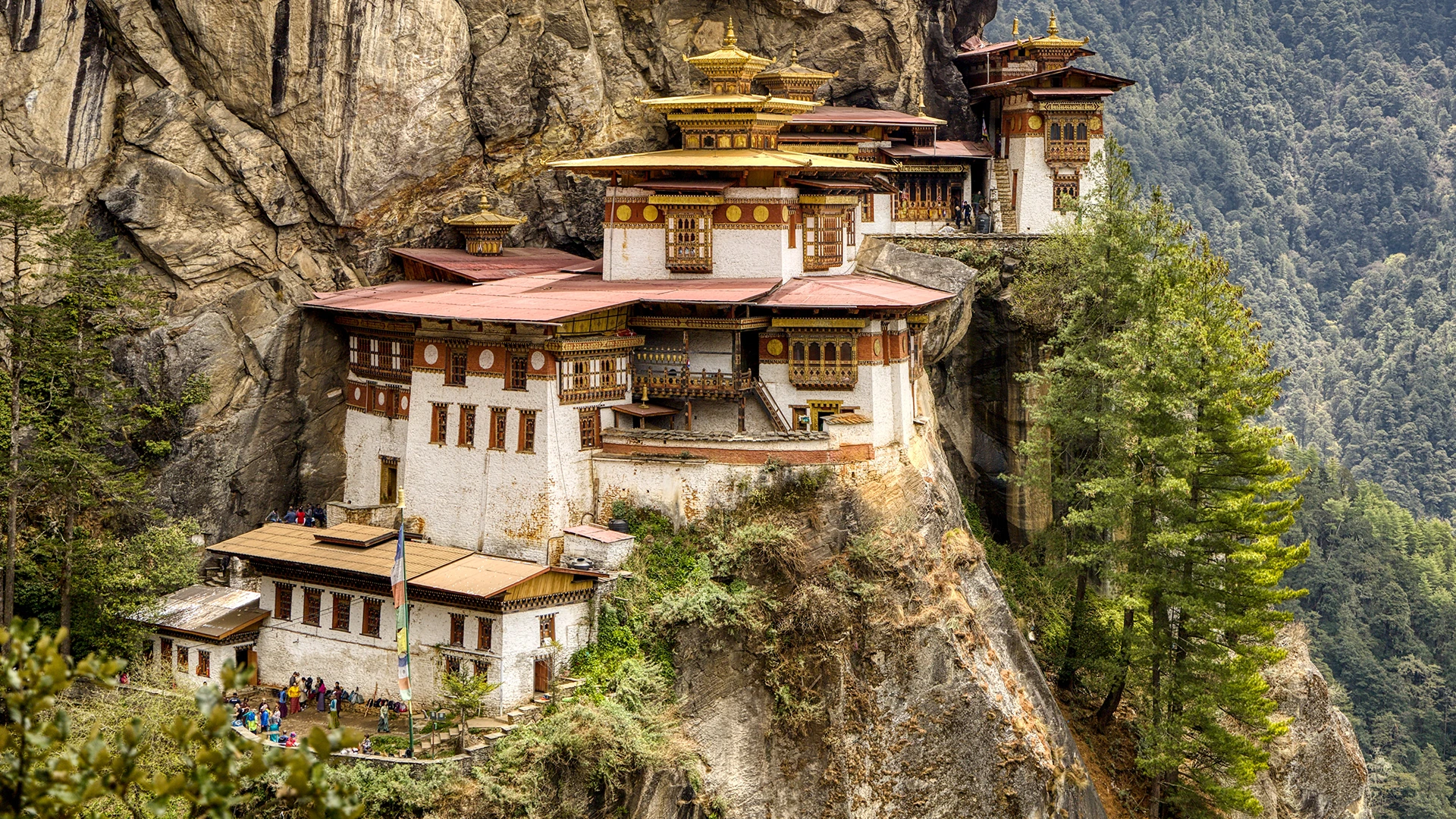
Paro Valley
Home to the legendary Tiger’s Nest (Taktsang), which clings precariously to a granite cliff 900 metres above the valley floor. Paro is the gateway to the kingdom, filled with ancient monasteries and artisanal shops, providing a perfect introduction to the country’s deep-rooted Buddhist heritage and artistic craftsmanship.
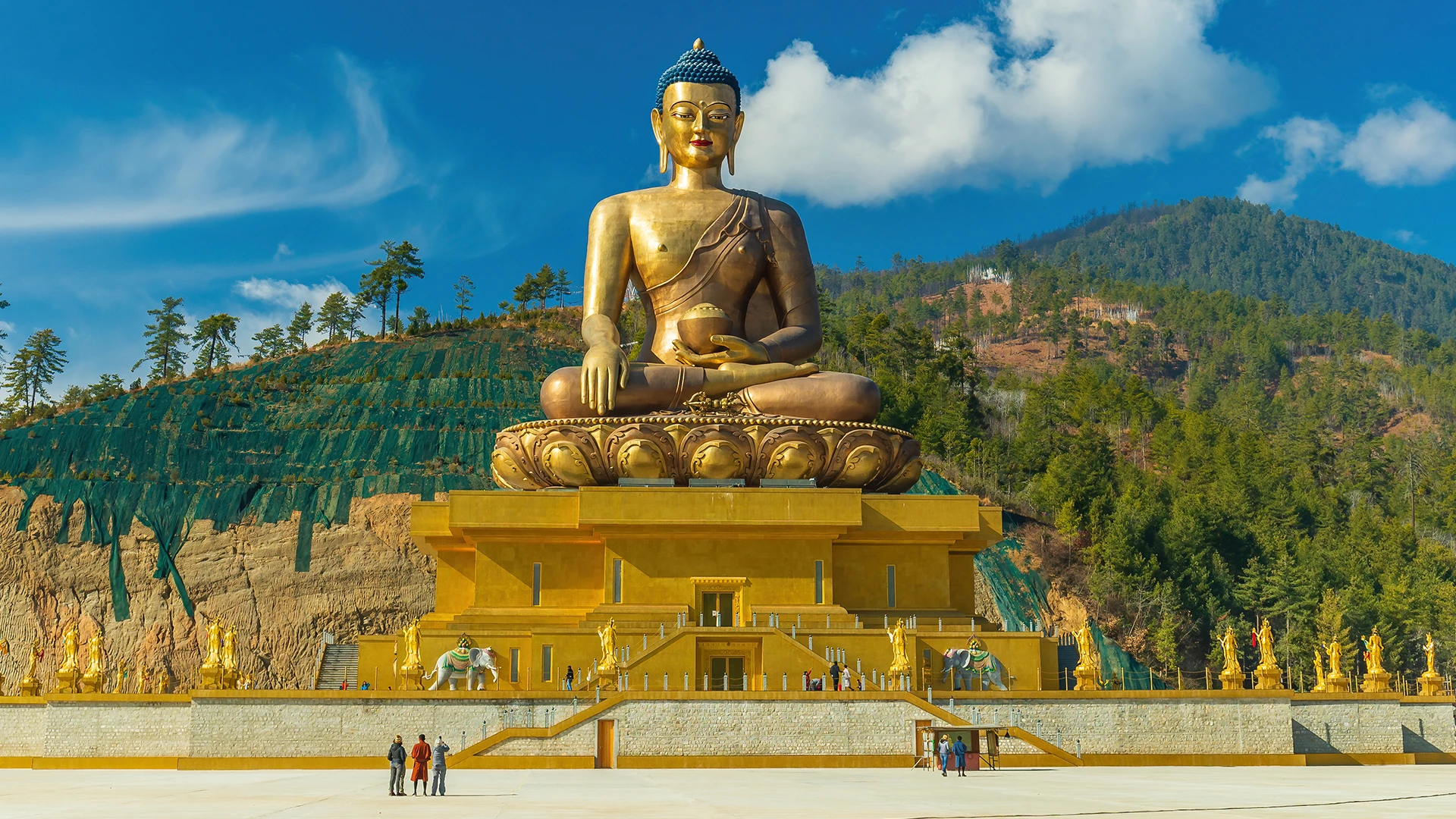
Thimphu
The world’s only capital without traffic lights, Thimphu is a unique blend of tradition and modernity. Visit the majestic Tashichho Dzong, the Buddha Dordenma statue overlooking the valley, and the National Memorial Chorten. It is a hub for the "13 traditional arts and crafts," showcasing Bhutan’s living culture.
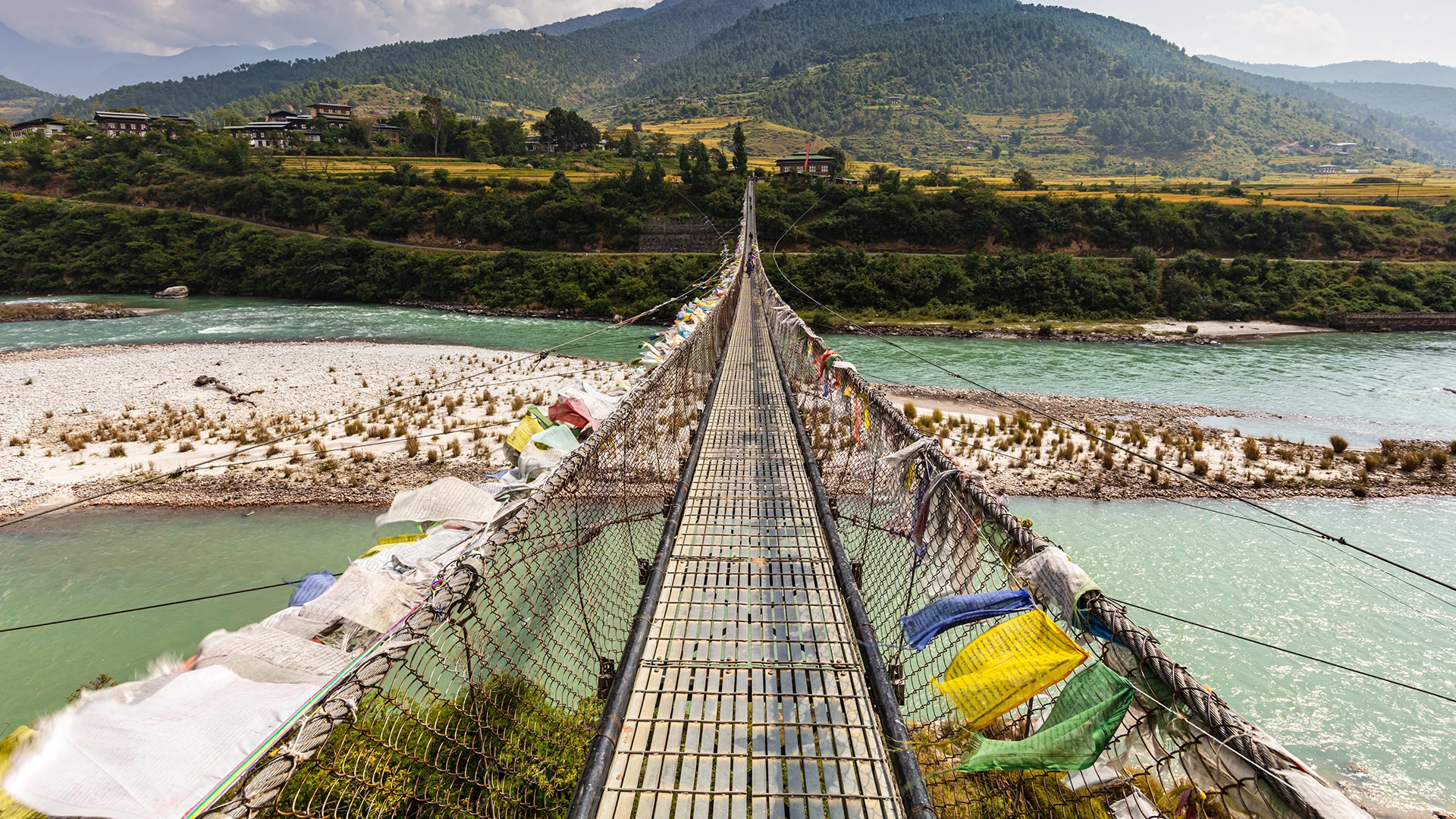
Punakha Valley
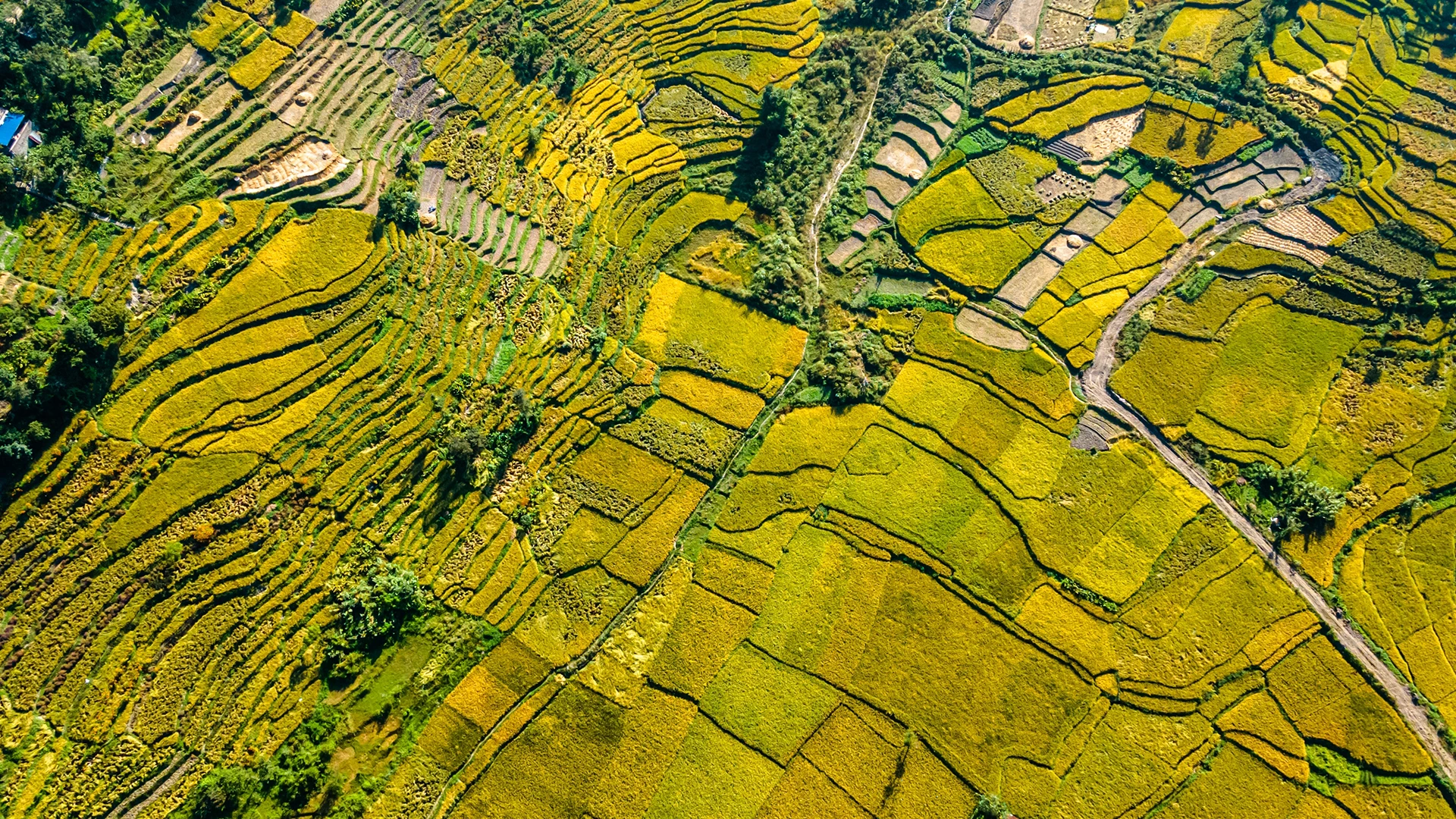
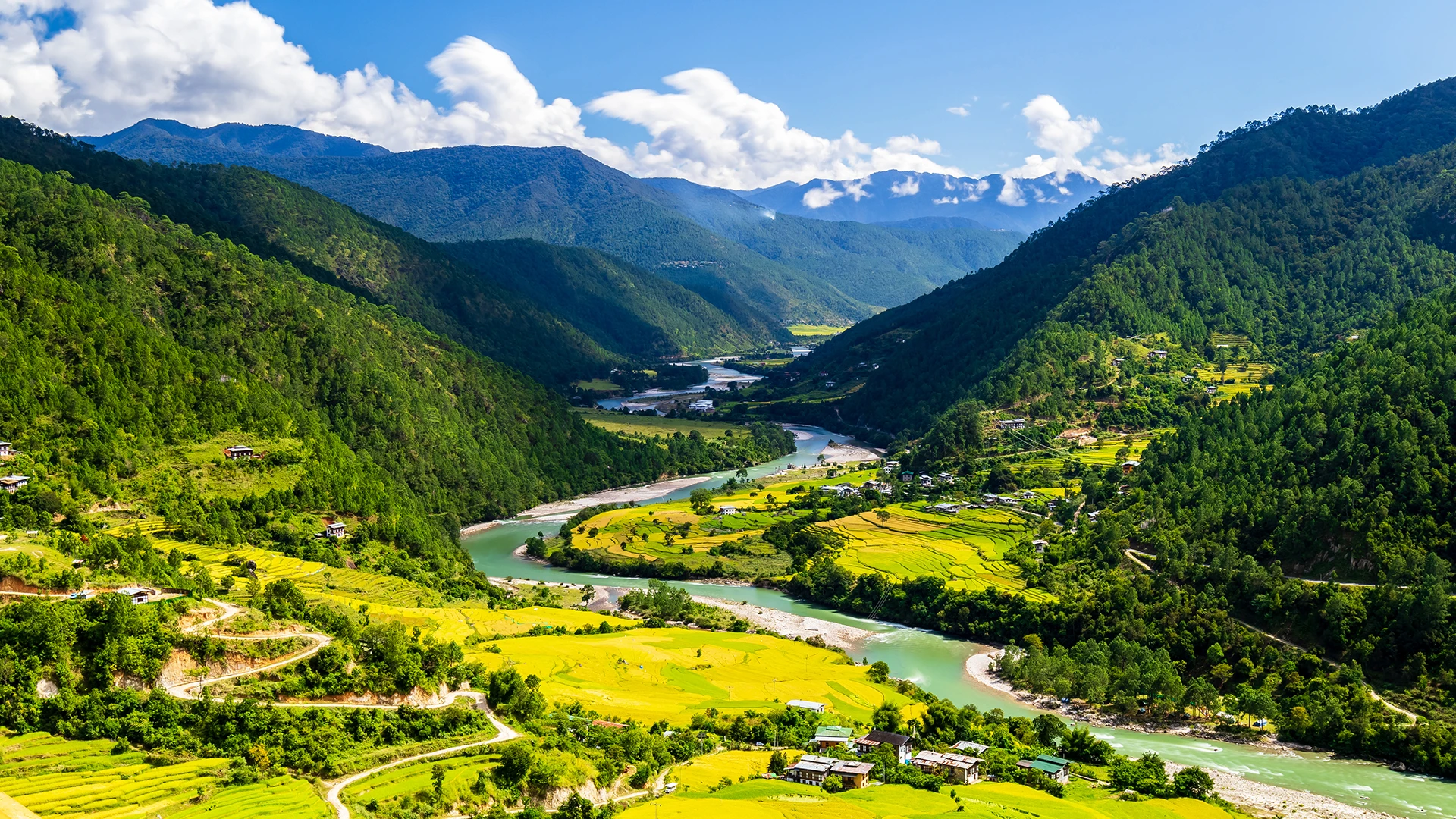
Situated in a subtropical valley, Punakha is home to the Punakha Dzong, arguably the most beautiful fortress in the country. Situated at the confluence of the Pho Chhu and Mo Chhu rivers, the valley is famous for its mild climate, rice terraces, and the "Fertility Temple" of Chimi Lhakhang.
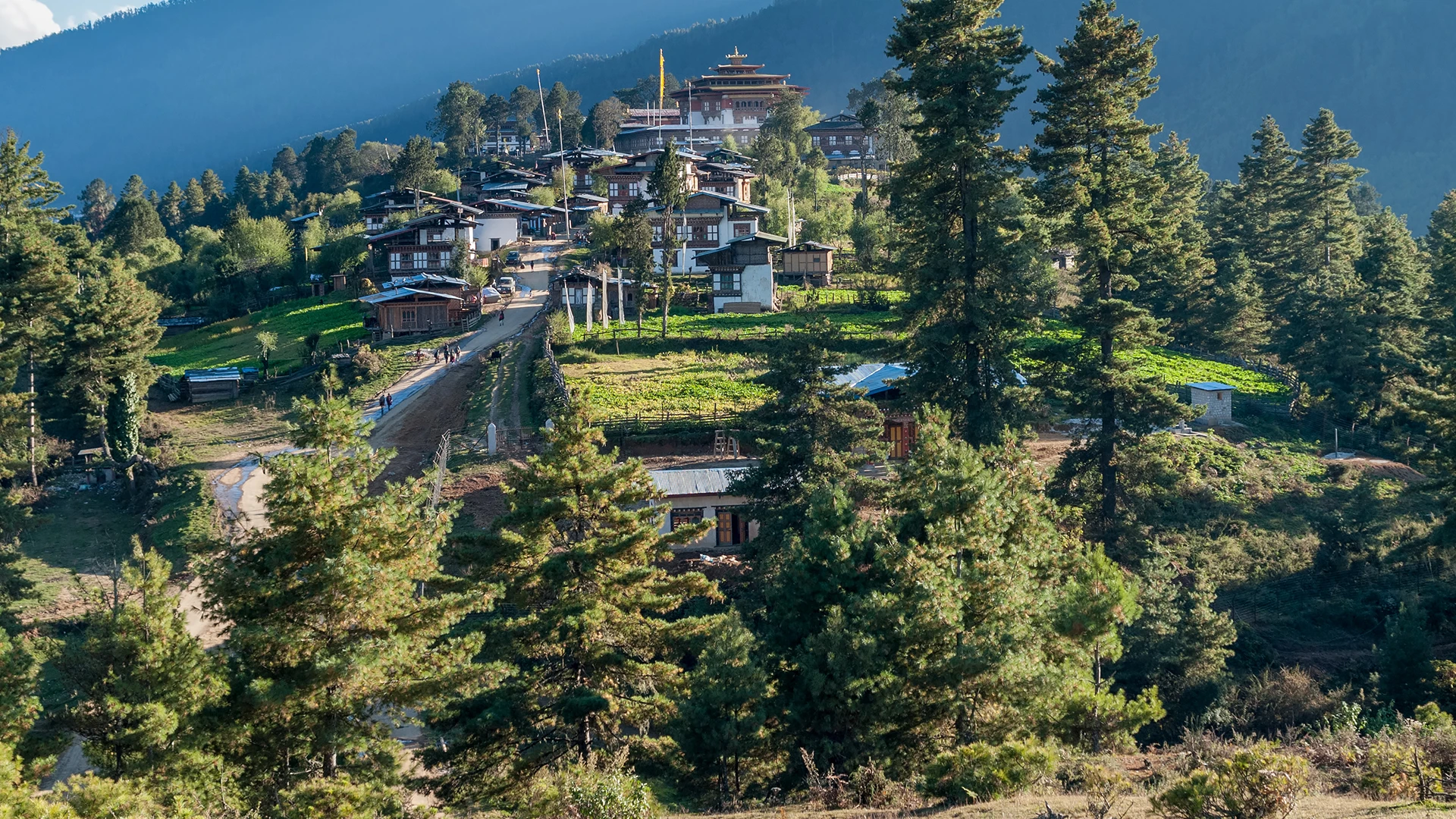
Phobjikha Valley (Gangtey)
A wide, glacial valley within the Black Mountains, this is a sanctuary for both the mind and wildlife. It is the winter home of the sacred black-necked cranes. The 16th-century Gangtey Monastery sits on a forested knoll, offering breathtaking views and a profound sense of timelessness.
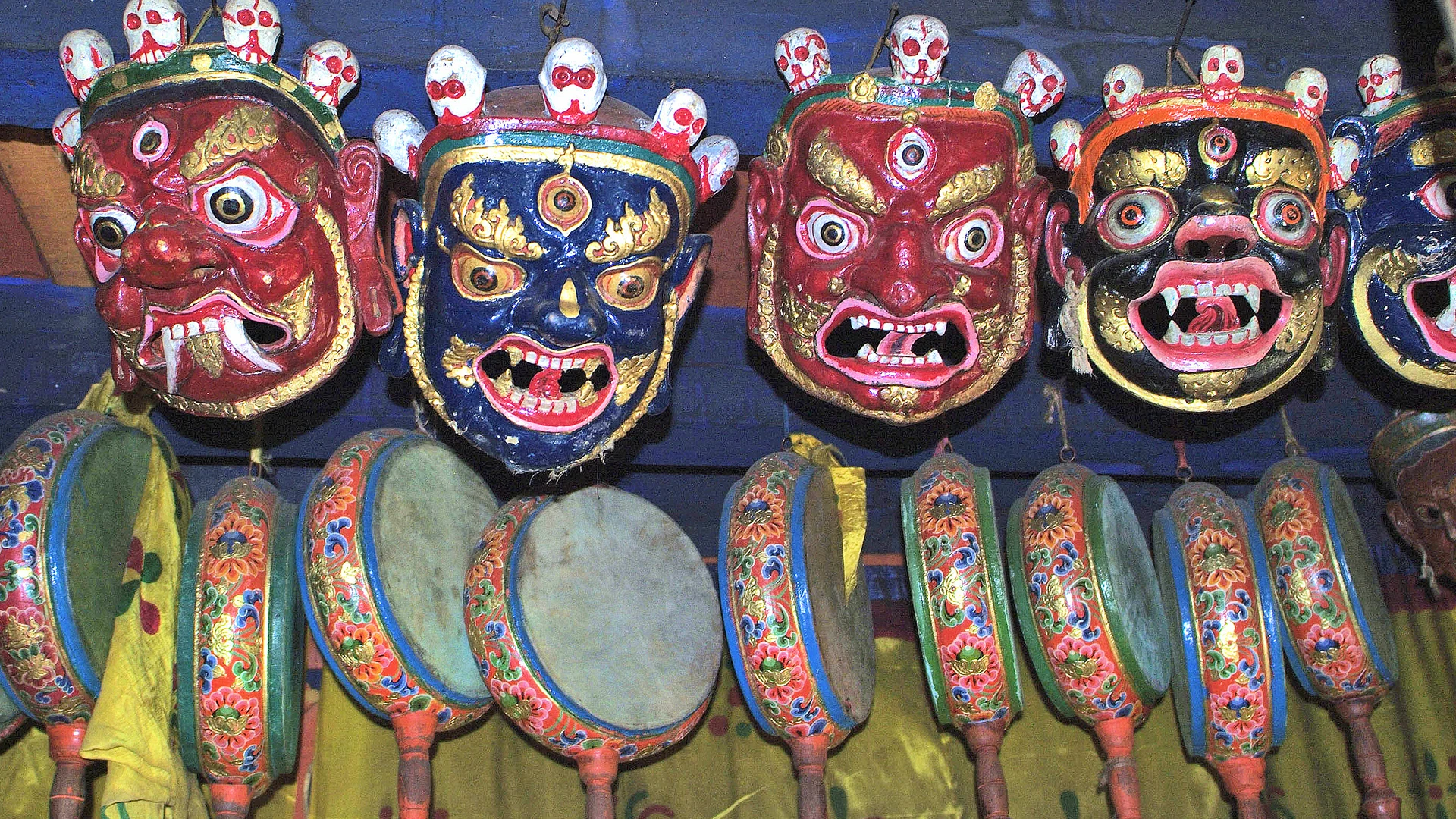
Bumthang Valleys
Known as the spiritual heartland of Bhutan, Bumthang consists of four high valleys filled with ancient temples and sacred sites. This region is the birthplace of many legends and offers a deeply authentic look at rural Bhutanese life, traditional weaving, and the kingdom's only local brewery.
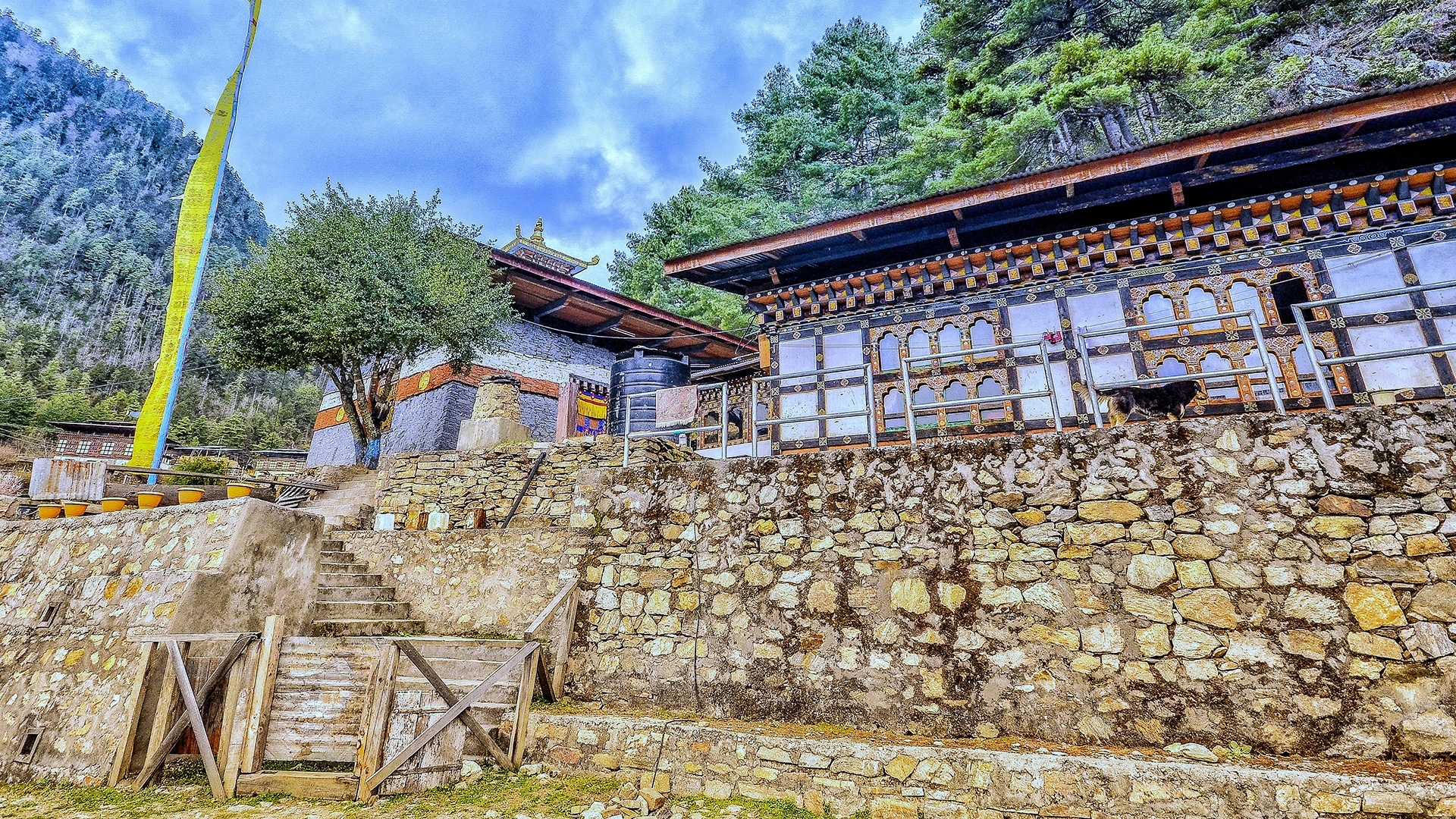
Haa Valley
One of the most remote and least-visited regions, the Haa Valley borders Tibet and was only opened to tourism in 2002. It remains pristine and rugged, ideal for those seeking off-the-beaten-track adventure and quiet hikes through alpine forests to hidden white and black temples.
Paro Valley
Home to the legendary Tiger’s Nest (Taktsang), which clings precariously to a granite cliff 900 metres above the valley floor. Paro is the gateway to the kingdom, filled with ancient monasteries and artisanal shops, providing a perfect introduction to the country’s deep-rooted Buddhist heritage and artistic craftsmanship.
Thimphu
The world’s only capital without traffic lights, Thimphu is a unique blend of tradition and modernity. Visit the majestic Tashichho Dzong, the Buddha Dordenma statue overlooking the valley, and the National Memorial Chorten. It is a hub for the "13 traditional arts and crafts," showcasing Bhutan’s living culture.
Punakha Valley
Situated in a subtropical valley, Punakha is home to the Punakha Dzong, arguably the most beautiful fortress in the country. Situated at the confluence of the Pho Chhu and Mo Chhu rivers, the valley is famous for its mild climate, rice terraces, and the "Fertility Temple" of Chimi Lhakhang.
Phobjikha Valley (Gangtey)
A wide, glacial valley within the Black Mountains, this is a sanctuary for both the mind and wildlife. It is the winter home of the sacred black-necked cranes. The 16th-century Gangtey Monastery sits on a forested knoll, offering breathtaking views and a profound sense of timelessness.
Bumthang Valleys
Known as the spiritual heartland of Bhutan, Bumthang consists of four high valleys filled with ancient temples and sacred sites. This region is the birthplace of many legends and offers a deeply authentic look at rural Bhutanese life, traditional weaving, and the kingdom's only local brewery.
Haa Valley
One of the most remote and least-visited regions, the Haa Valley borders Tibet and was only opened to tourism in 2002. It remains pristine and rugged, ideal for those seeking off-the-beaten-track adventure and quiet hikes through alpine forests to hidden white and black temples.
The natural wonders
Bhutan is a global leader in sustainability, with over 70% forest cover. This pristine habitat supports rare species like the elusive snow leopard, Bengal tigers, and the red panda. You might spot the Takin—Bhutan’s unique national animal—in high-altitude meadows, or see the Himalayan Monal’s iridescent plumage. The kingdom’s commitment to being carbon-negative ensures that every wildlife encounter is part of a thriving, protected ecosystem.
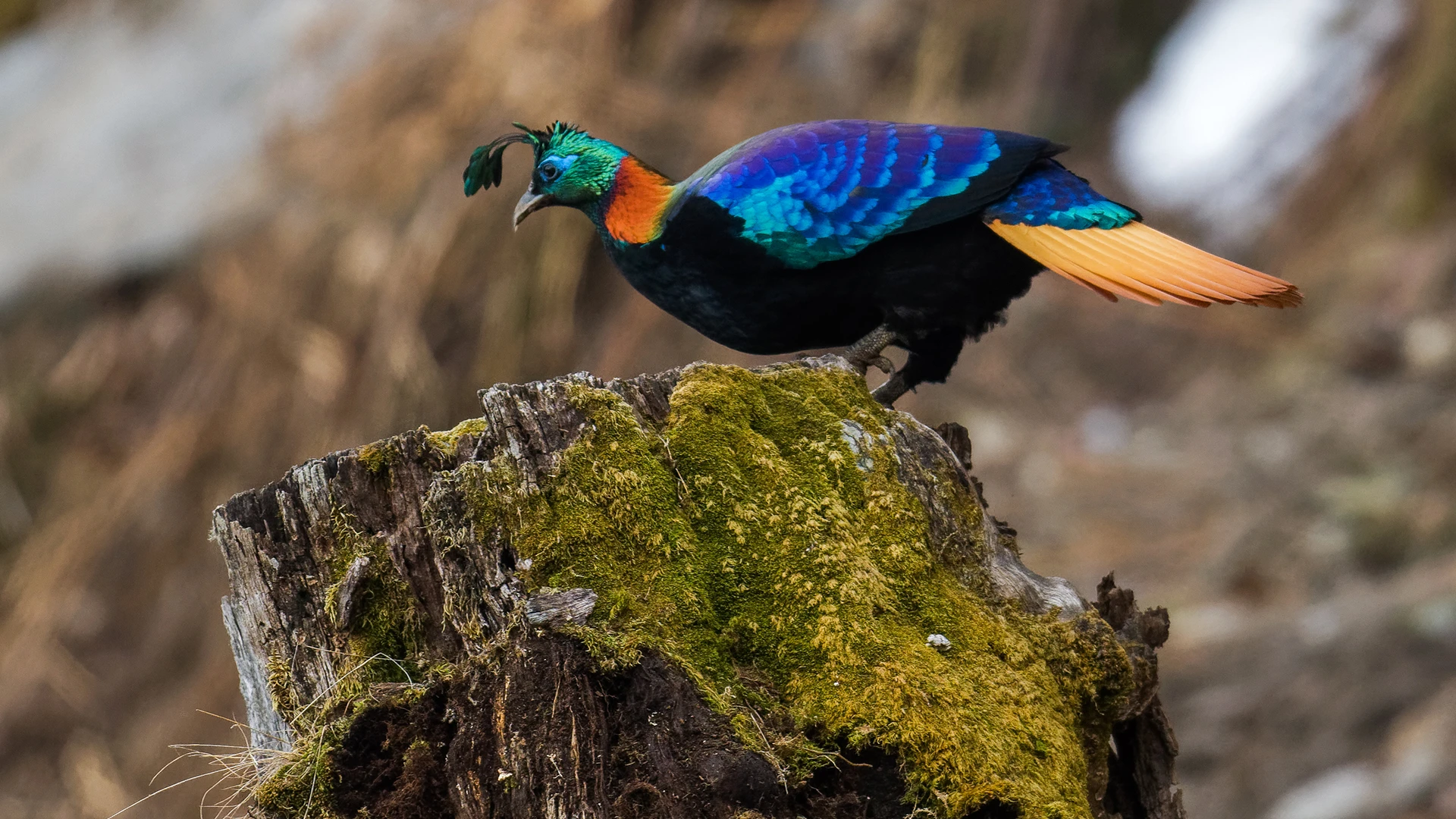
Himalayan Monal
Himalayas, Bhutan
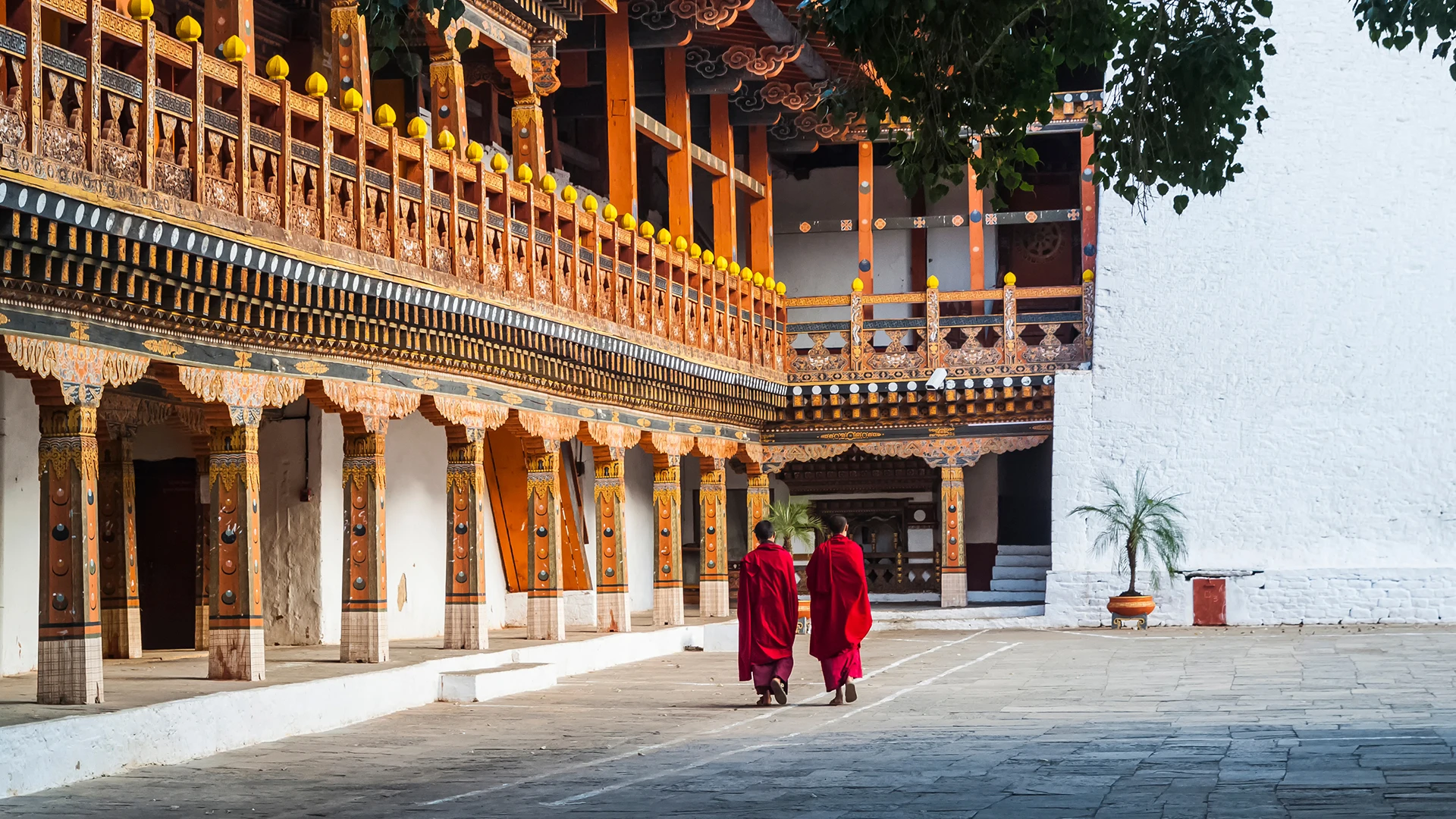
Punakha Dzong
Bhutan
The natural wonders
Bhutan is a global leader in sustainability, with over 70% forest cover. This pristine habitat supports rare species like the elusive snow leopard, Bengal tigers, and the red panda. You might spot the Takin—Bhutan’s unique national animal—in high-altitude meadows, or see the Himalayan Monal’s iridescent plumage. The kingdom’s commitment to being carbon-negative ensures that every wildlife encounter is part of a thriving, protected ecosystem.
Himalayan Monal
Himalayas, Bhutan
Punakha Dzong
Bhutan
Thank you
Your message has been submitted successfully. One of our team will be in touch shortly.
Curate your exclusive expedition
Let’s get started. Share your details below and your personal Expedition Expert will be in touch to design your dream adventure.
Speak to one of our team
Every journey I plan starts with a conversation. Tell me what excites you, what you've always dreamed of experiencing, and I'll craft something extraordinary. The best expeditions begin with a single question: What would make this unforgettable for you?
Ashley | Expedition Planner
FAQs
Discover everything you need to know about your upcoming Bhutan travel experience with our frequently asked questions.
The SDF is a mandatory daily levy of USD 100 per person, per night. This fee is used to fund national projects in education, healthcare, and conservation, ensuring your visit directly benefits the people and environment of Bhutan.
Yes, all international visitors (except those from certain neighbouring countries) require a visa. We handle the entire visa process for you as part of our bespoke service, ensuring a seamless start to your expedition.
Bhutan’s "High Value, Low Volume" policy requires all tourists to book through a licensed operator. We curate every detail of your itinerary, providing a mandatory expert guide to accompany you throughout your stay.
Respectful dress is essential. Shoulders and knees must be covered, and hats must be removed. We recommend packing layers, as temperatures can shift quickly between the sun-drenched valleys and higher mountain passes.