
Wildlife in Antarctica
An expert field guide to Antarctica’s remarkable wildlife The first thing you notice at an Antarctic landing is the noise....
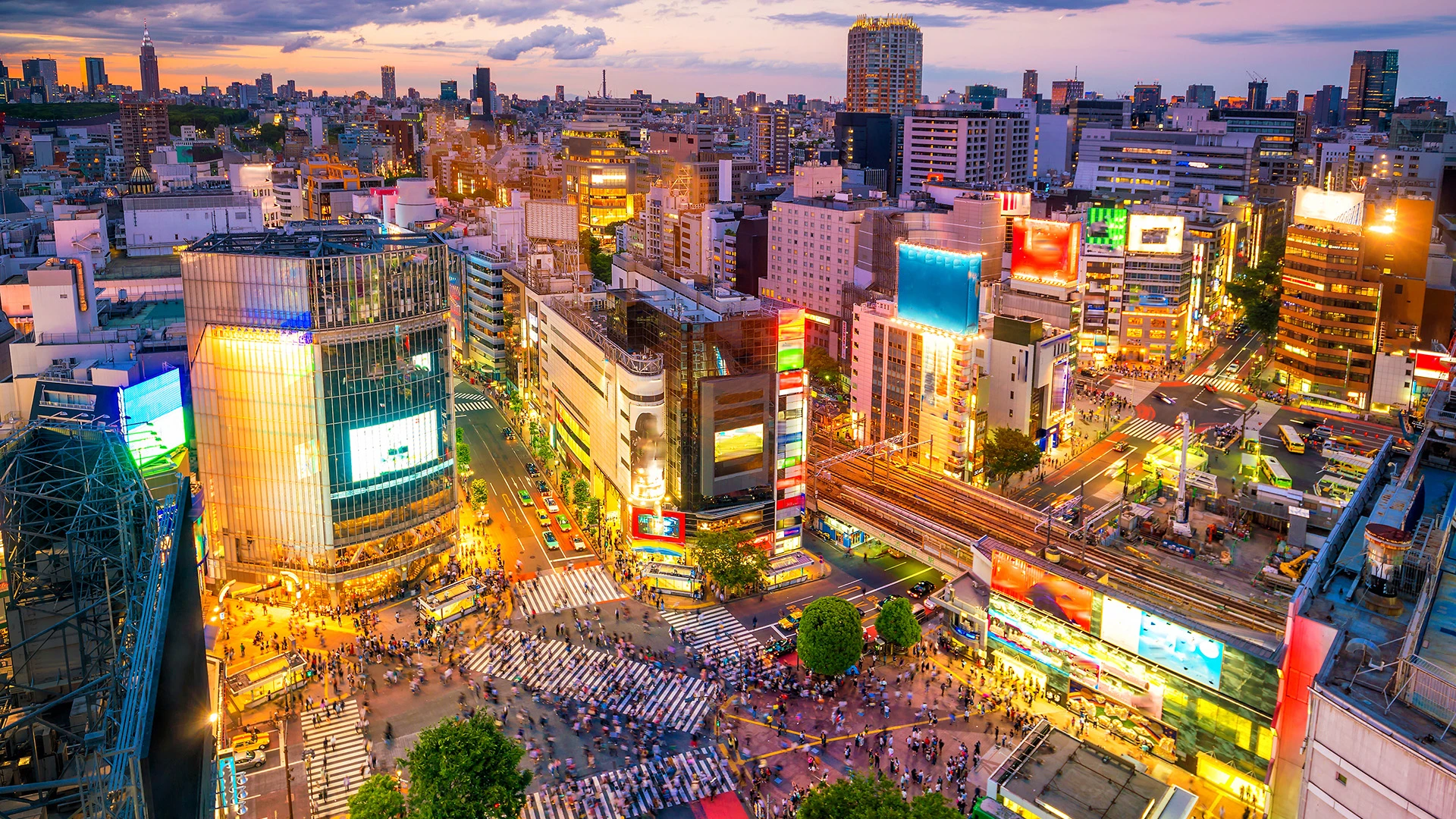
Read nowNo Tokyo travel guide prepares you for the sheer sensory scale of this city. You can read about the scale, the neon, the density, the silence of the shrines tucked between tower blocks. None of it quite lands until you are standing in the middle of the Shibuya crossing at rush hour, surrounded by a thousand people moving in every direction at once, and somehow nobody collides.
Tokyo is the most populous city on earth and one of the most ordered. It is ultramodern and deeply ancient. It is impossibly loud in some places and extraordinarily quiet in others, sometimes within the same city block. This is what makes it one of the greatest travel destinations in the world. And one of the most rewarding to explore properly.
At Exclusive Expeditions, Tokyo is always the first chapter of our Japan itineraries. Here is how to experience it beyond the obvious.
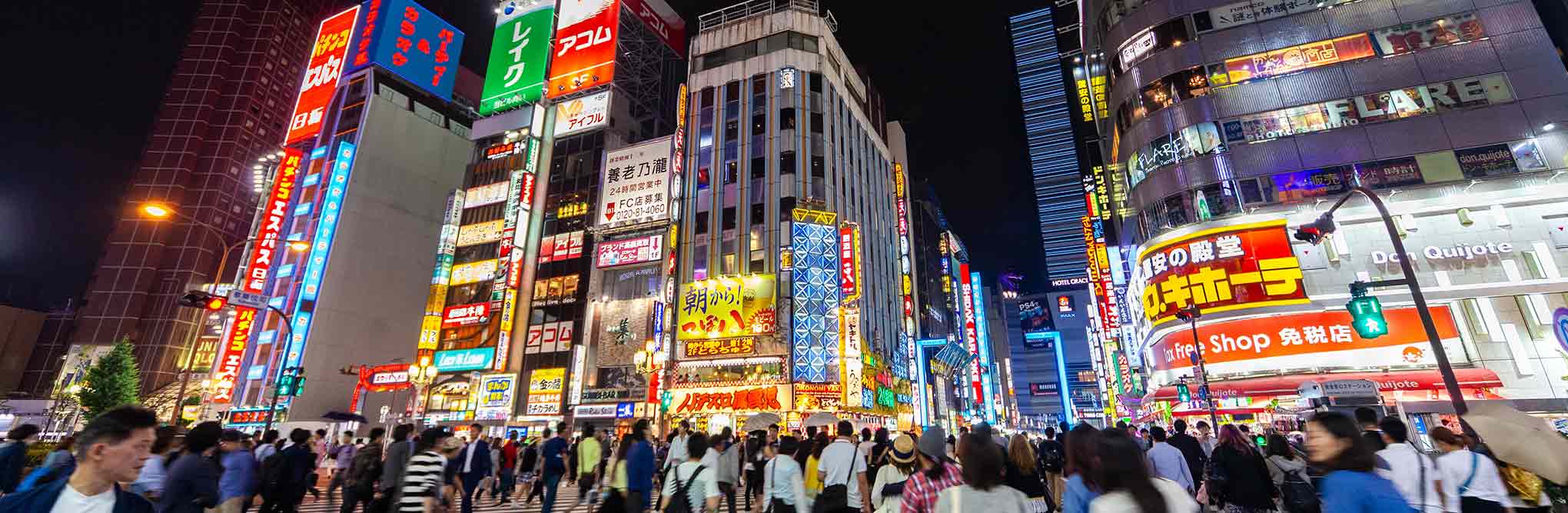
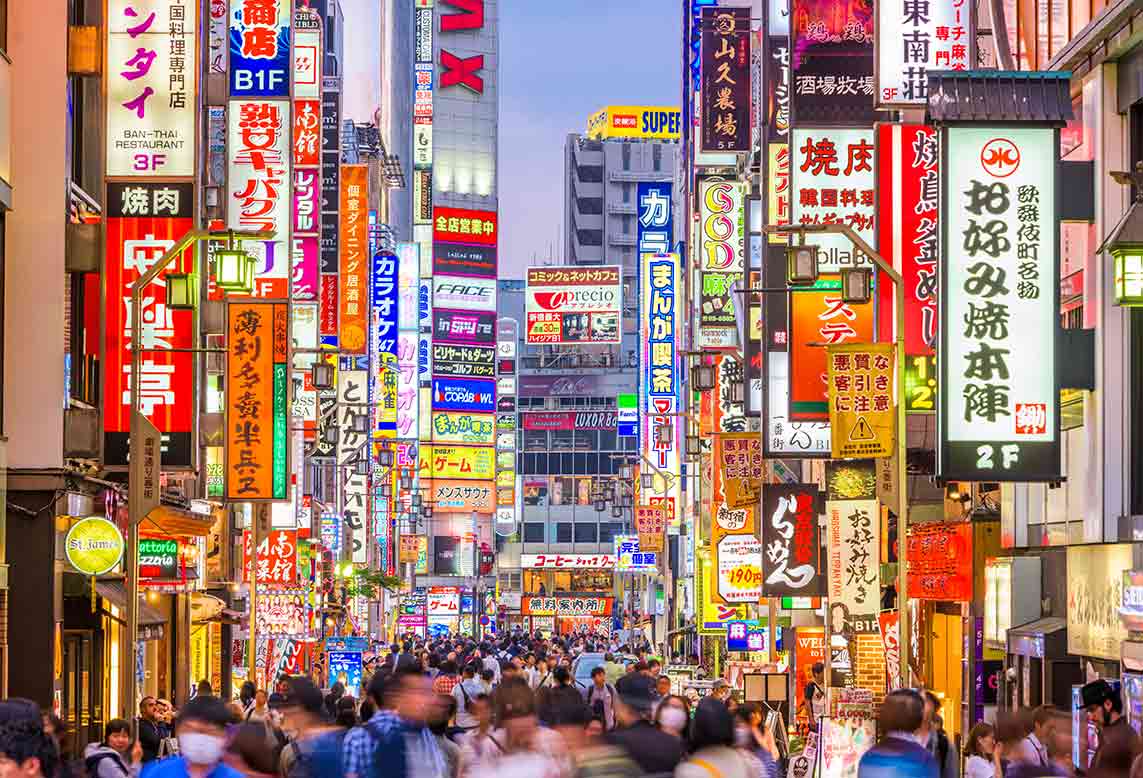
Start with what Tokyo is famous for, because it is famous for good reason. Shinjuku at night is one of the greatest urban spectacles on earth. The east exit leads into Kabukicho, Tokyo’s entertainment district, an overwhelming wall of neon, noise, and movement. Izakayas spill onto the pavements. Yakitori smoke drifts from basement restaurants. The Golden Gai district, a network of tiny alleys packed with bars that hold no more than eight people each, has been here since the 1940s. Each one has its own personality, its own regulars, its own handwritten menu.
Akihabara, the electronics and anime district east of central Tokyo, is a different kind of spectacle. Multi-storey buildings are given entirely over to video games, manga, and components for things that do not yet exist. It is bizarre, fascinating, and entirely Tokyo – a place that commits completely to whatever it decides to be.
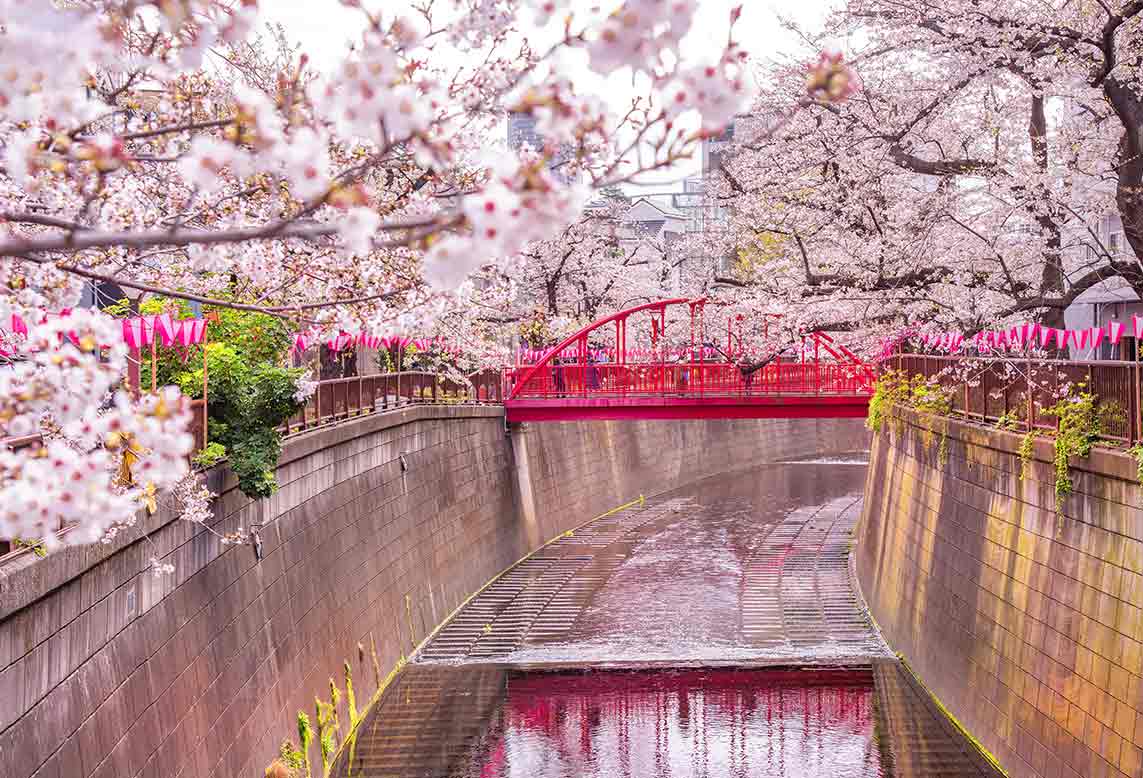
Shibuya is the postcard. The scramble crossing where every light turns red simultaneously and pedestrians flood the intersection from all directions at once. Stand at the window of the Starbucks above the crossing and watch it – it genuinely never stops being mesmerising. Then walk up the hill to Daikanyama and Nakameguro, where the same city becomes a neighbourhood of independent bookshops, quiet cafes, and cherry trees overhanging a canal. Same city. A completely different world.
Tokyo Japan travel tip: Buy a Suica card at any JR station on arrival. It is a contactless card that works on almost every train, subway, bus, and even convenience store in Tokyo. It removes almost all the friction from navigating the city and is one of the best Tokyo Japan travel tips we can offer any first-time visitor.
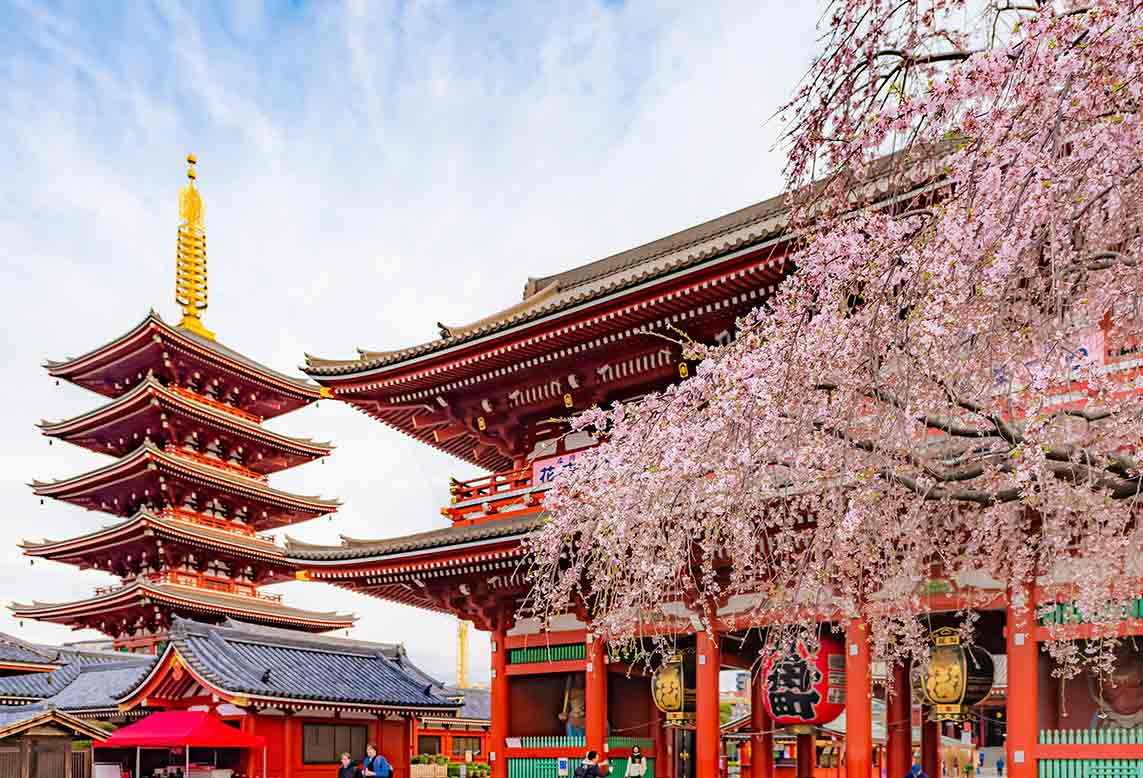
Every good Tokyo travel guide tells you about Senso-ji, the great Buddhist temple in Asakusa. It is magnificent and deservedly famous. But arrive at six in the morning, before the tourist coaches, and it is a different place entirely. Incense smoke rises through still air. Monks move through the grounds. A few elderly locals make their morning prayers. This is the Tokyo that exists in parallel with the neon version, every day, if you are willing to wake up early enough for it.
Yanaka is the district most Tokyoites will name when you ask where the old city survived. Much of Tokyo was destroyed, first by the 1923 earthquake, then by the 1945 firebombing. Yanaka was largely spared both. Its narrow lanes, wooden shopfronts, and labyrinthine cemetery have an atmosphere of continuity that is rare in this city. The cemetery itself is worth an hour, it is shaded, quiet, and full of extraordinary old graves. There are cats everywhere.
Meiji Jingu, the great Shinto shrine in the heart of Harajuku, sits inside 70 hectares of forested park. The contrast with the streets outside, where Takeshita-dori delivers Harajuku’s famous youth fashion scene in concentrated form, is total. One minute you are in a forest of camphor trees on a gravel path leading to one of Japan’s most important shrines. Next, you are surrounded by rainbow candyfloss and gothic Lolita fashion. That whiplash is Tokyo in miniature.
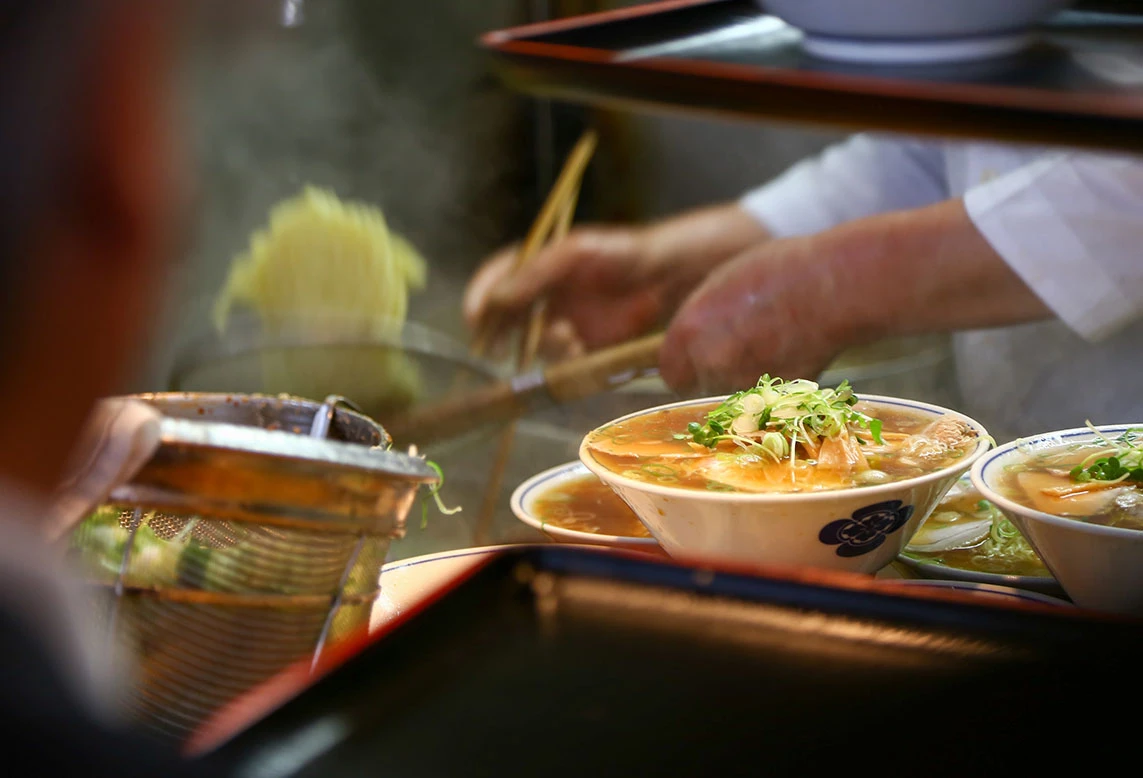
Tokyo has more Michelin-starred restaurants than any other city on earth. It also has basement ramen shops where a perfect bowl costs less than a London coffee. Both are worth your time, eat at both ends of the spectrum.
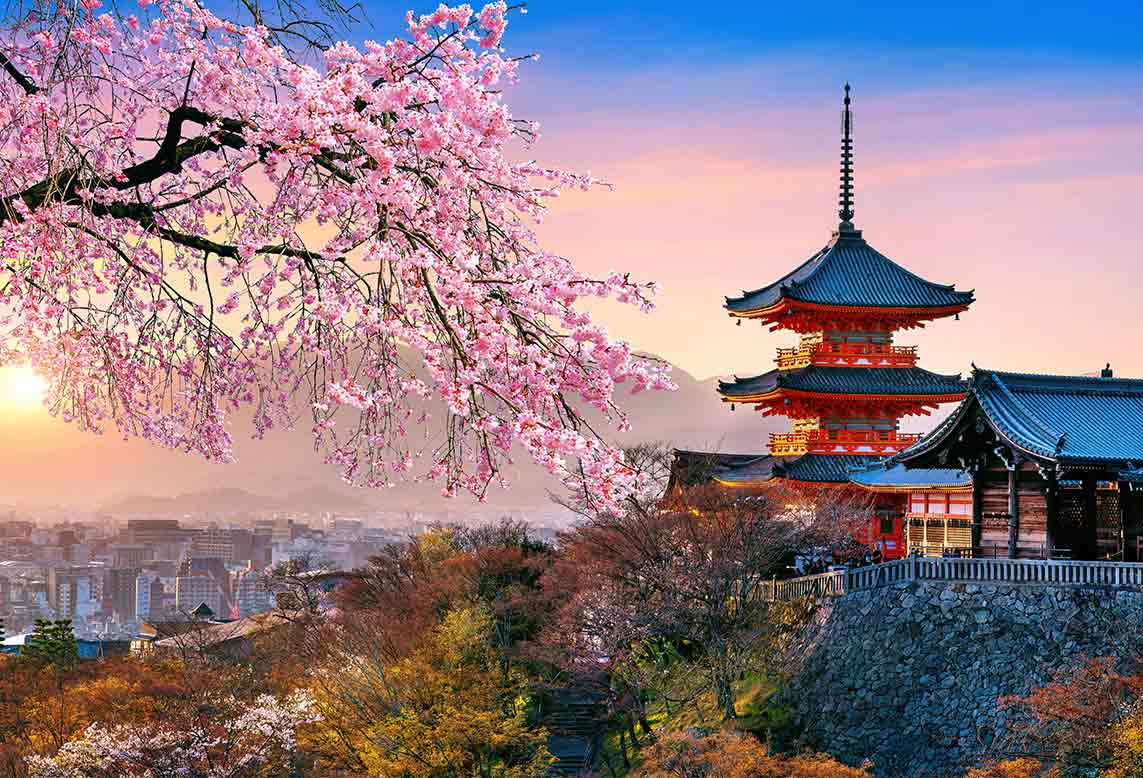
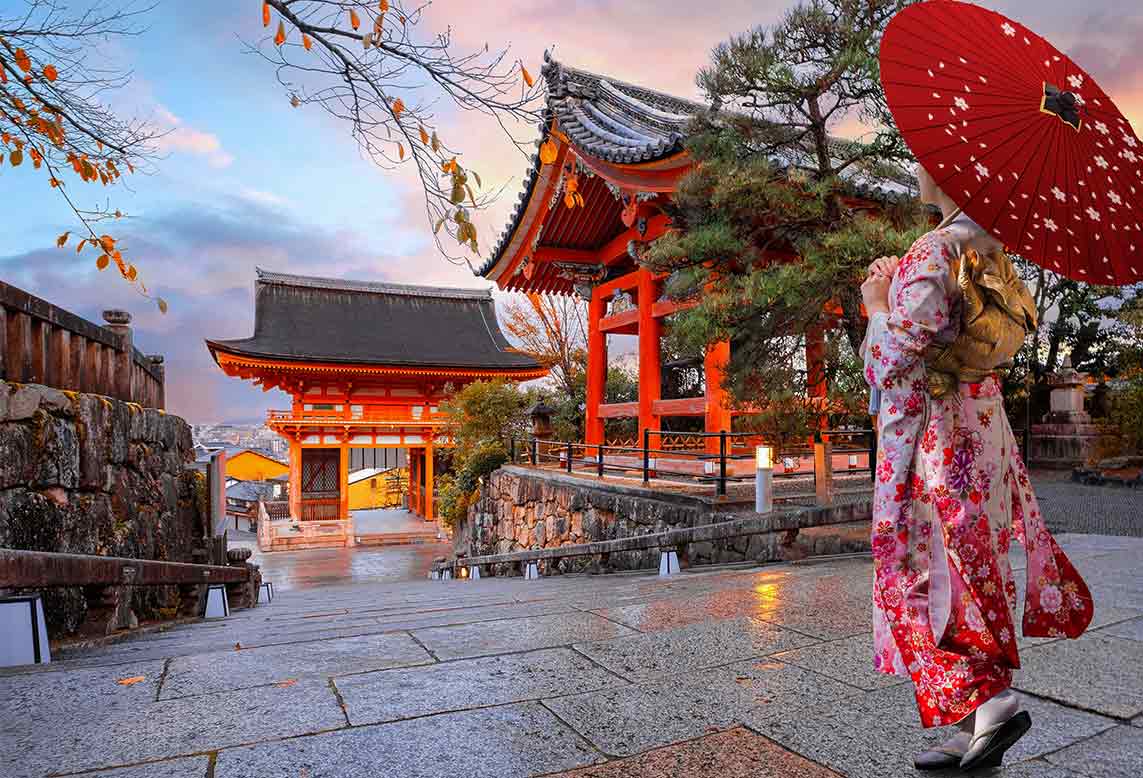
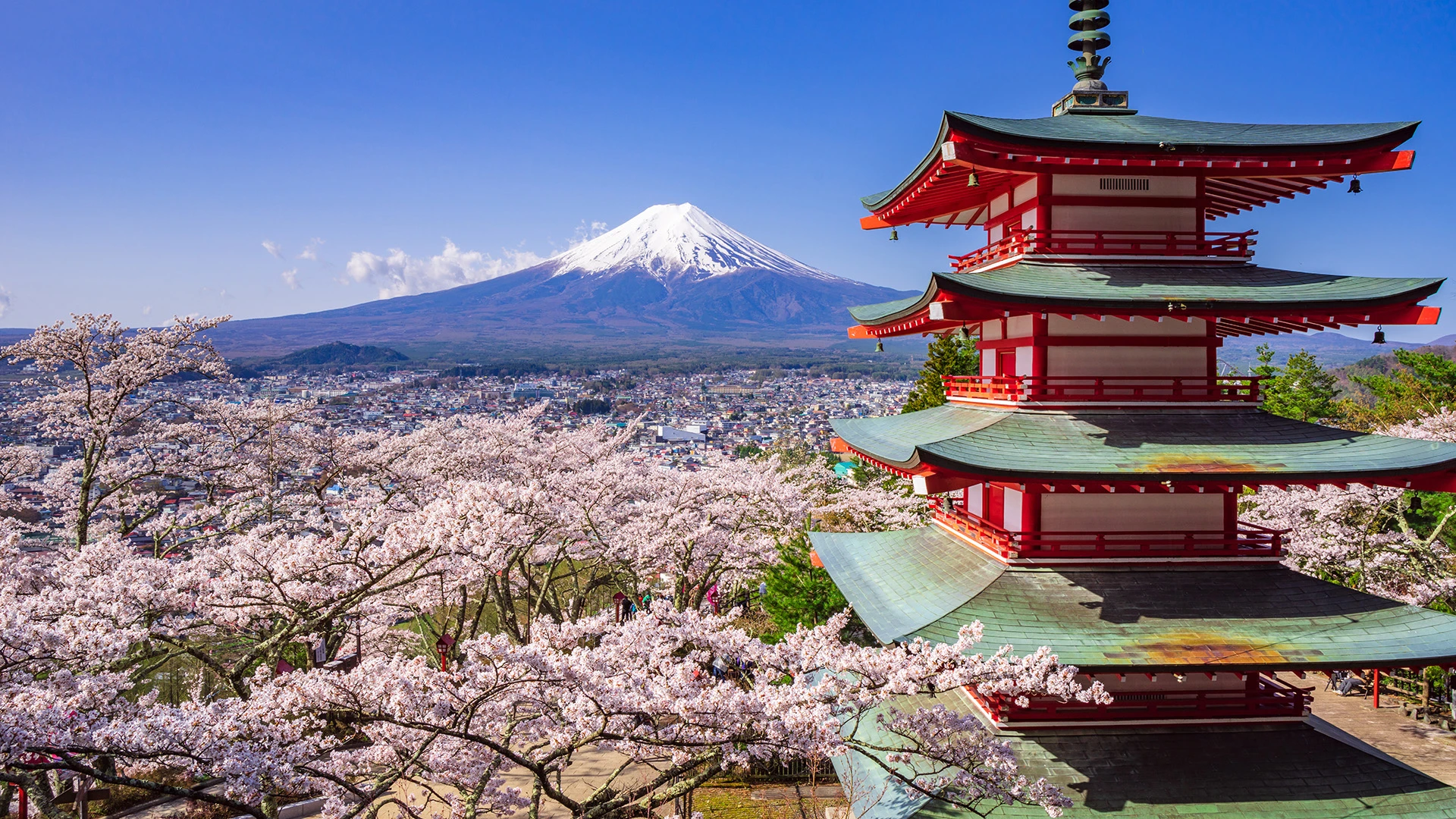
Tokyo rewards at least three or four full days. But it is also the gateway to the rest of Japan, and the country beyond the capital is as extraordinary as the city itself. Kyoto, two and a half hours by Shinkansen, offers the temples, geisha districts, and ancient culture that form Japan’s other great travel identity. The Japanese Alps, accessible from Matsumoto in under two hours, provide mountain scenery and traditional village life that most Tokyo travel guides overlook.
And further north, Hokkaido – Japan’s wild, sparsely populated northern island, offers a completely different Japan again. Wilderness, wildlife, winter landscapes, and some of the country’s finest food. It is where the standard Tokyo travel guide usually ends. It is where the real adventure begins.
Ready to plan your trip? We design bespoke Japan itineraries that take you from Tokyo’s neon streets into the country’s wilder, quieter, less-visited places. Get in touch with the team to start planning.
Japan pairs naturally with other Asia expedition destinations, Borneo for wildlife, or a wider East Asia itinerary combining Japan with South Korea or Taiwan.
Read our guide to the best time to visit Japan, covering cherry blossom season, Hokkaido’s winter wildlife, and the autumn leaf season. Or, find out what an expedition holiday actually is and whether it is right for you.
Every journey we offer is handpicked by our specialists. These are the ones we recommend most.
11 Nights From £11,420pp
Immerse yourself in Japan’s rich heritage, scenic landscapes, and exclusive cultural experiences.
View details13 Nights From £10,890pp
Discover Japan from Tokyo to Osaka with Hakone, Kyoto, and Nara by bullet train, cultural experiences, and expert guides.
View details14 Nights From £15,240pp
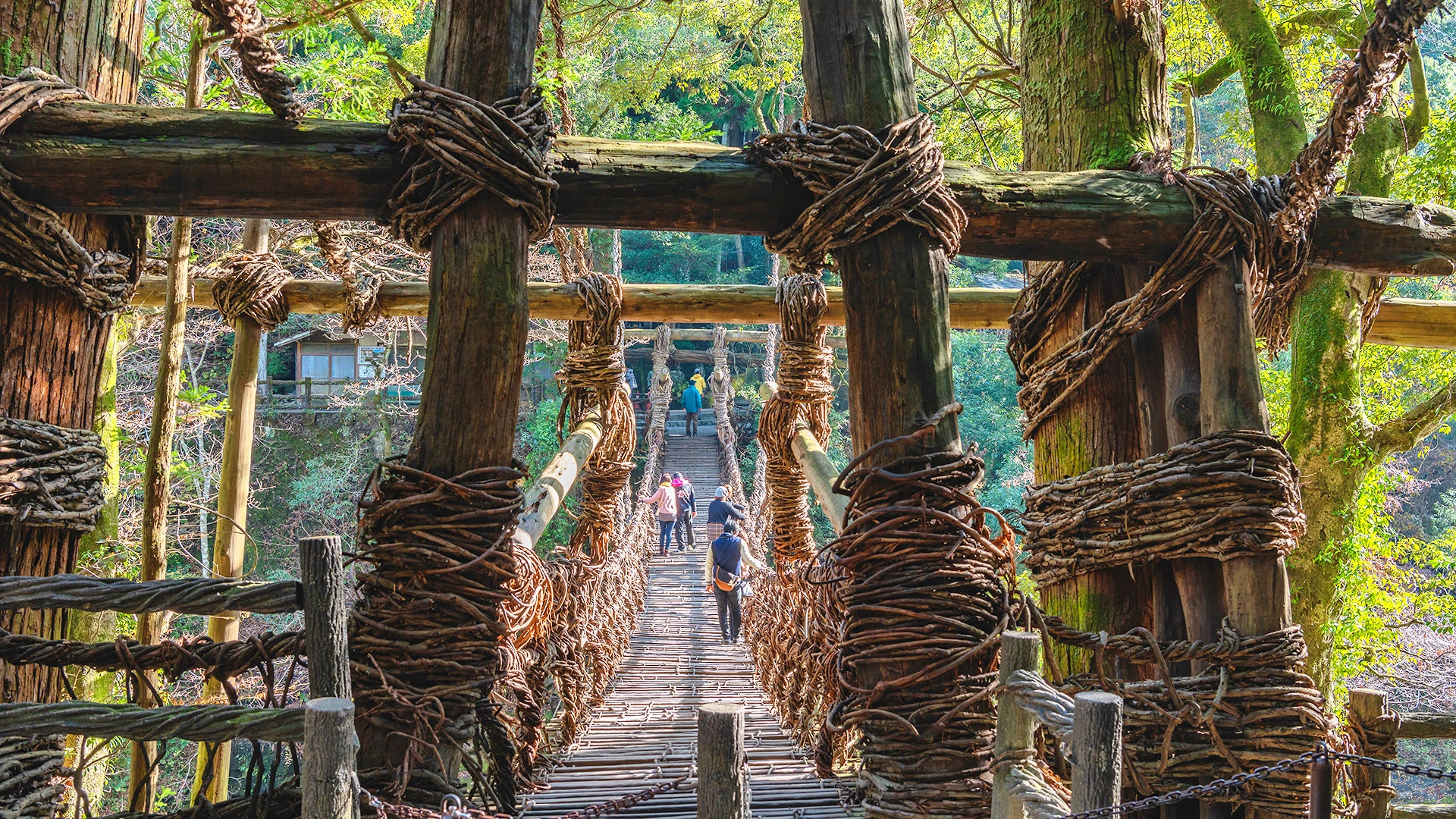
Experience Shikoku, Japan’s hidden gem, with a private guide, luxury stays and curated cultural moments.
View details14 Nights From £14,780pp
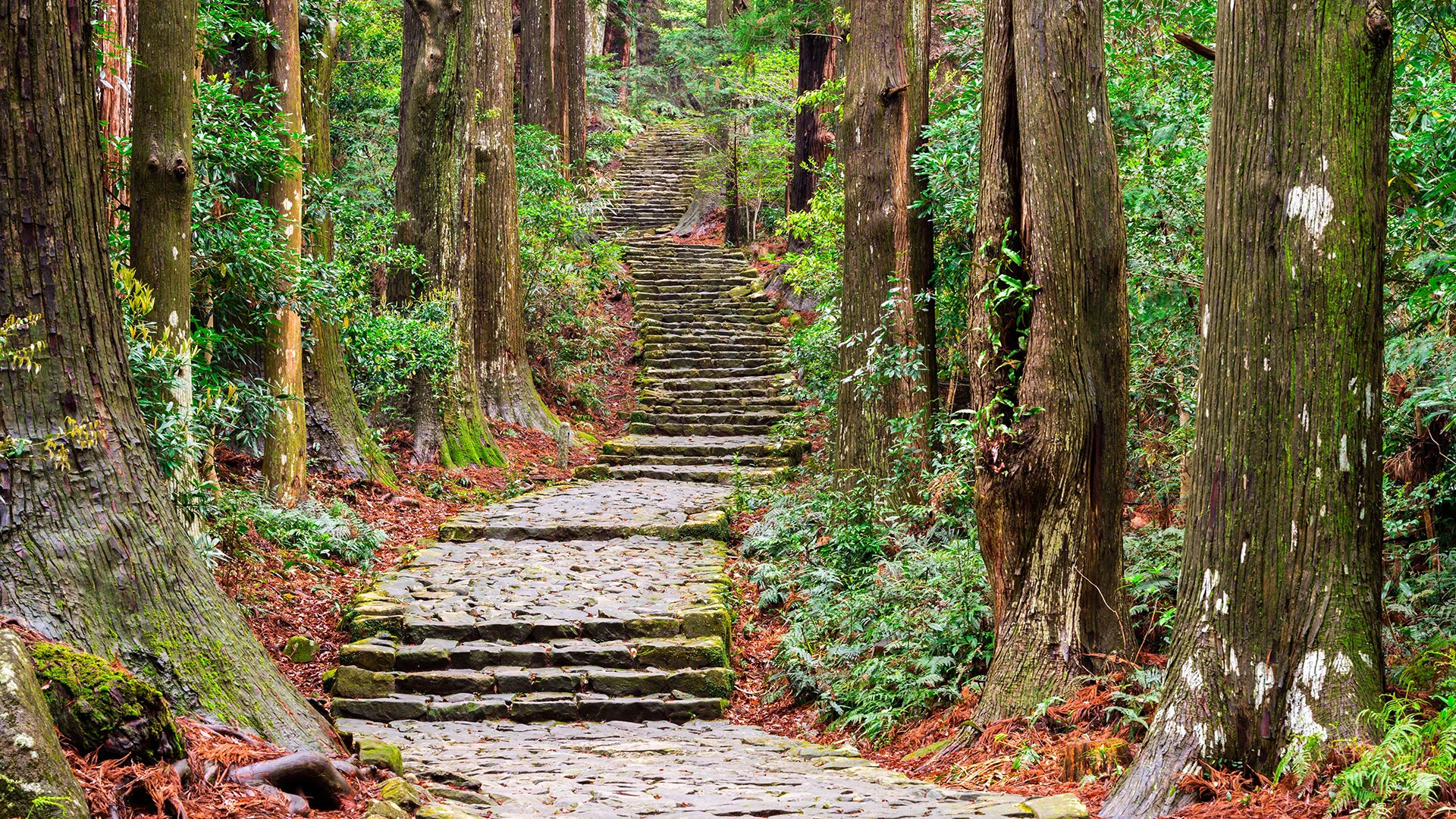
Walk ancient trails, join sacred rituals, and immerse in Japan’s spiritual and mindful traditions in this unparalleled journey.
View detailsYour message has been submitted successfully.
Ready to start planning? Our specialists are here to help.
An expert field guide to Antarctica’s remarkable wildlife The first thing you notice at an Antarctic landing is the noise....
Read nowChiang Mai city guide: Ancient temples, mountain sanctuaries & Lanna culture Tucked into the misty mountains of Northern Thailand, Chiang...
Read nowVietnam Weather in February: Regional Climates, Ideal Seasons & Travel Advice Pack a jacket for Hanoi and sunscreen for Ho...
Read nowA single small island holds all of this: the world's densest population of leopards, herds of wild elephants numbering in...
Read nowWhat to pack for wildlife photography holidays: essential kit & field gear Capturing animals in the wild comes down to...
Read nowGuided Safaris in Mikumi National Park: Exploring Tanzania's Southern Wilderness Four and a half hours west of Dar es Salaam,...
Read nowAn expert field guide to Antarctica’s remarkable wildlife The first thing you notice at an Antarctic landing is the noise....
Read nowChiang Mai city guide: Ancient temples, mountain sanctuaries & Lanna culture Tucked into the misty mountains of Northern Thailand, Chiang...
Read nowVietnam Weather in February: Regional Climates, Ideal Seasons & Travel Advice Pack a jacket for Hanoi and sunscreen for Ho...
Read nowA single small island holds all of this: the world's densest population of leopards, herds of wild elephants numbering in...
Read nowWhat to pack for wildlife photography holidays: essential kit & field gear Capturing animals in the wild comes down to...
Read nowGuided Safaris in Mikumi National Park: Exploring Tanzania's Southern Wilderness Four and a half hours west of Dar es Salaam,...
Read now