

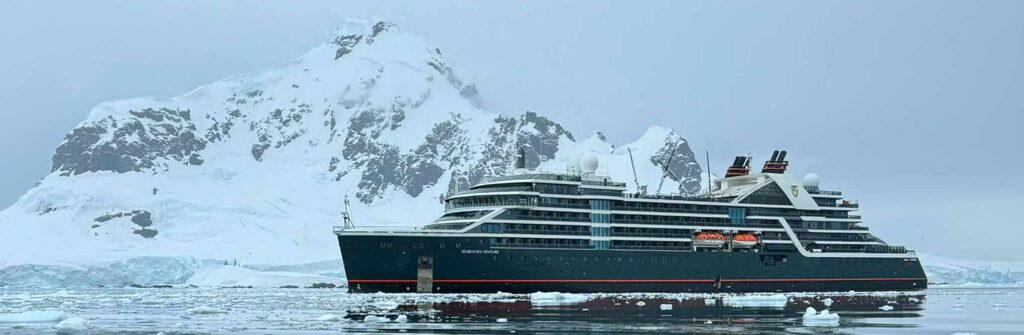
Wildlife in Antarctica
An expert field guide to Antarctica’s remarkable wildlife The first thing you notice at an Antarctic landing is the noise....
Read nowCapturing animals in the wild comes down to two things: patience and having the right kit within reach. Whether you are tracking mountain gorillas through misty forests or watching humpback whales surface alongside your boat, your equipment determines what you bring home. Out in the field, there are no second chances to pack the right lens, weather cover, or extra batteries.
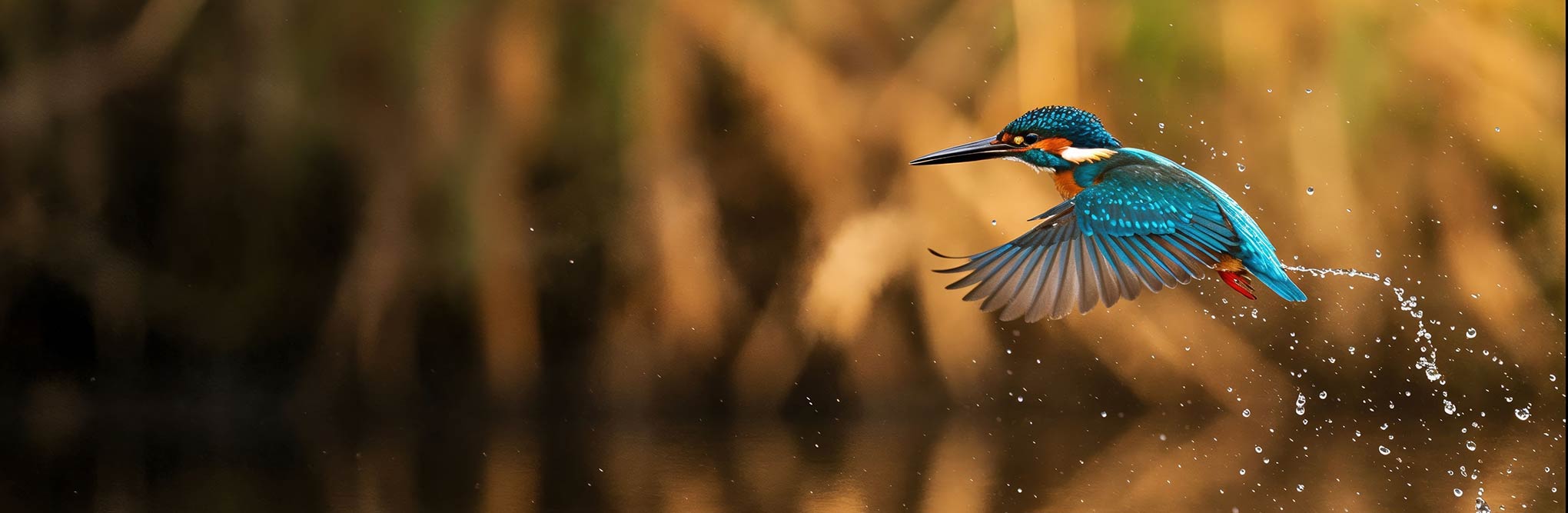
Packing for a dedicated photo expedition is about striking a balance. You need enough gear to cover every angle, but you still need to move quickly and comfortably. Here is our practical guide to the essential camera kit, protective gear, and clothing for wildlife photography.
Preparing for a wildlife photo expedition comes down to four basics: flexible lenses, simple camera support, weather protection, and reliable power.
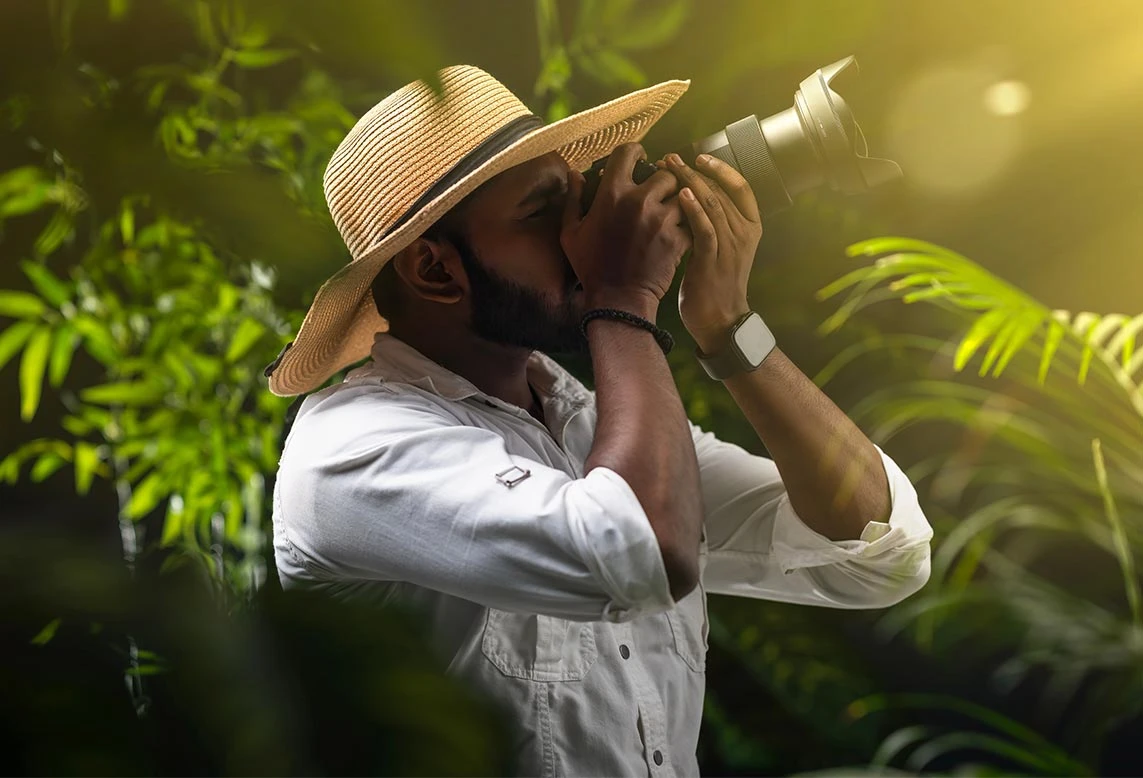
Animals move fast, and lighting changes constantly. Carrying two camera bodies allows you to keep a long lens on one and a wider lens on the other, saving you from swapping lenses in dusty or wet conditions.
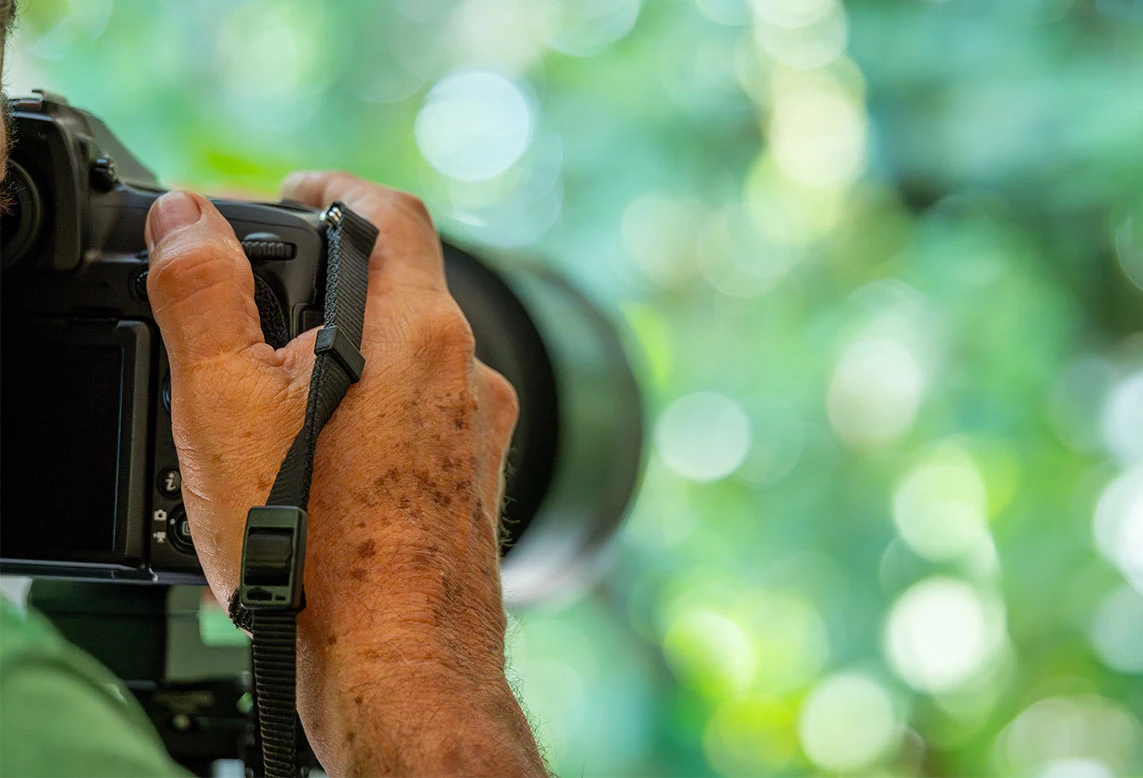
Getting sharp photos of moving animals takes steady support, especially when holding long, heavy lenses over a full day in the field.
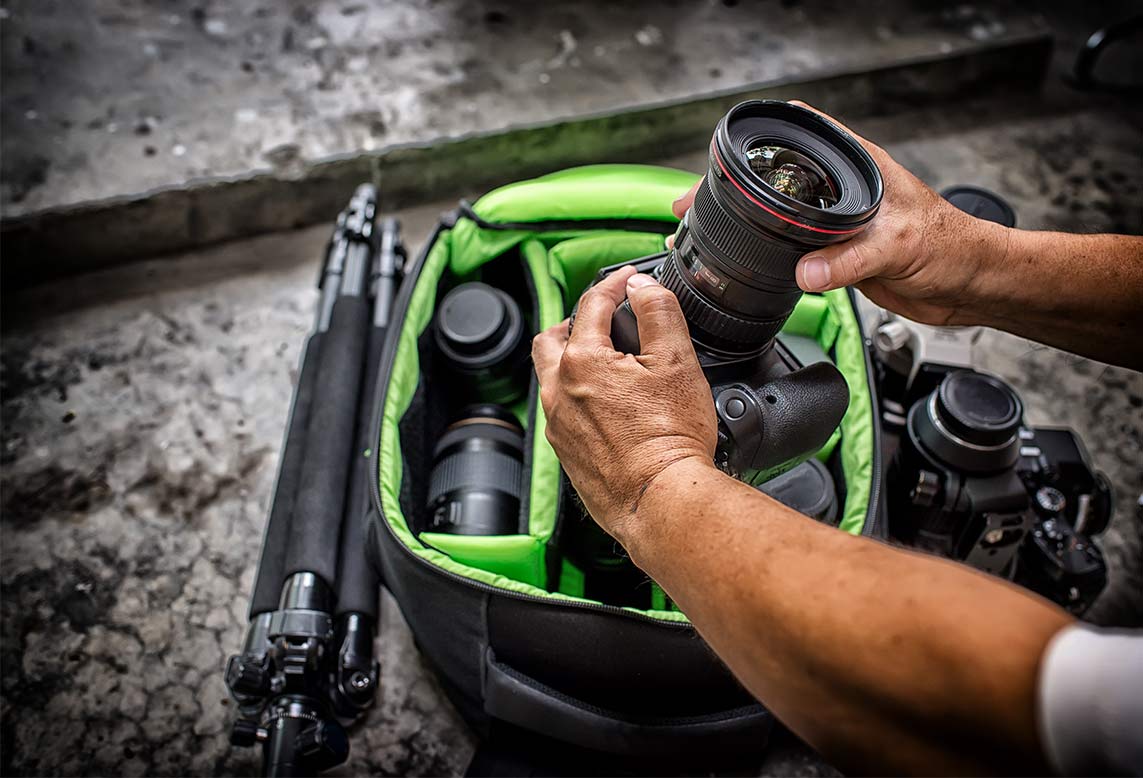
Dust, heavy rain, salt water, and cold temperatures are constant challenges for camera gear in the wild.
If you are preparing for cold-weather voyages, read our advice on routes and preparation in our guide on how to plan an Antarctica adventure.
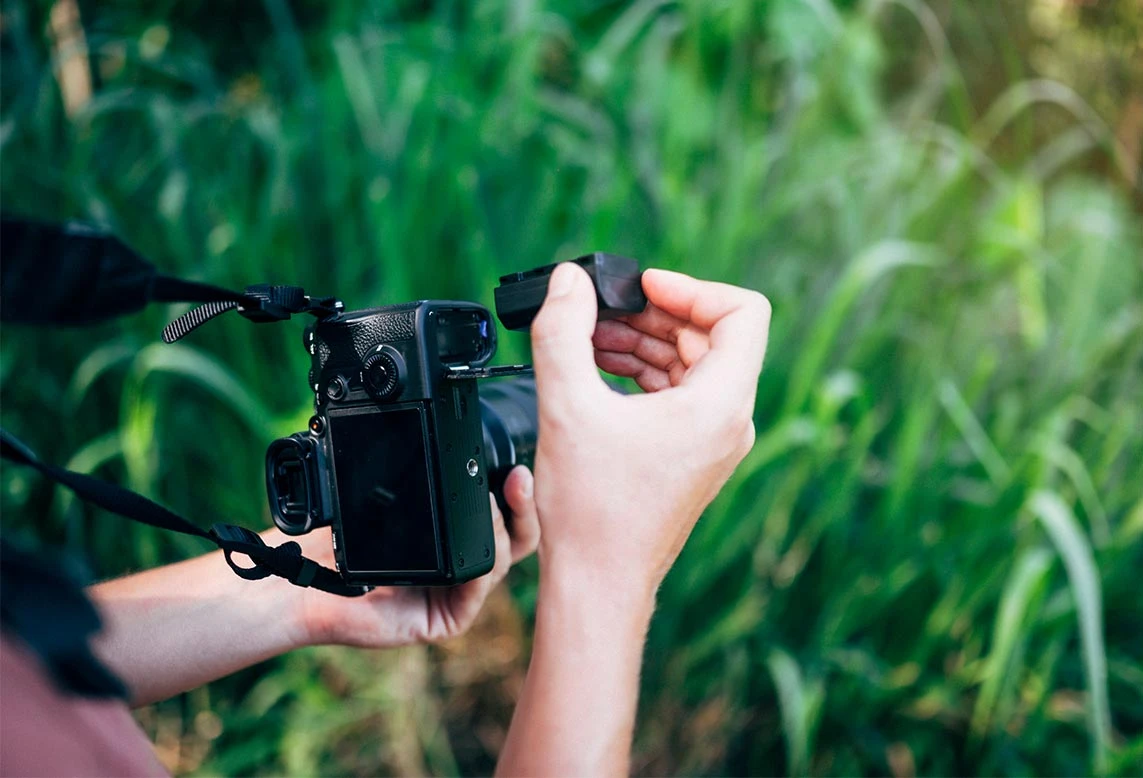
Expeditions often take you far from wall sockets, making power and storage management essential.
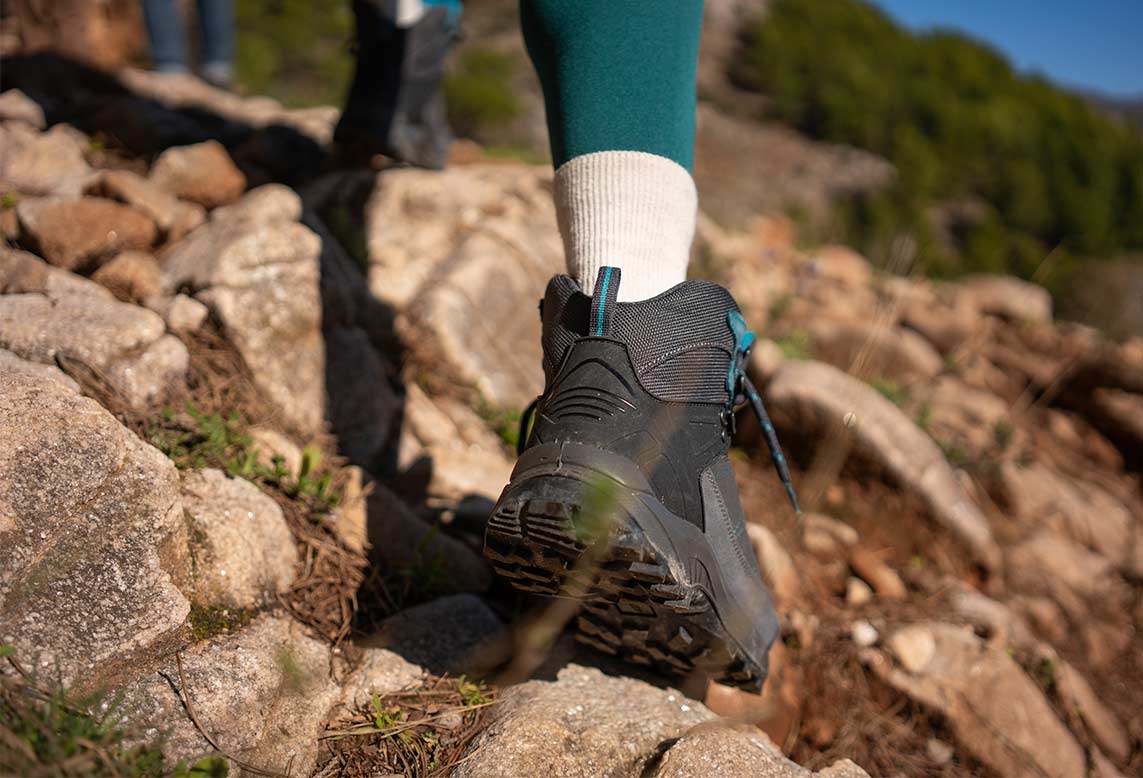
Your personal comfort makes a huge difference to your focus and endurance outdoors. Clothing should be practical, quiet, and suited to the climate:
Having the right kit ready is only the start, getting to the world’s most impressive wildernesses at the perfect moment takes careful preparation.
At Exclusive Expeditions, we plan bespoke wildlife voyages designed around optimal lighting, seasonal animal movements, and expert local tracking. Contact our team today to start shaping your wildlife photography trip.
If you are planning your trip around marine wildlife, read our dedicated guide on what to know before your first whale watching expedition. Or, browse our complete selection of Asia tours and destinations to discover tropical wildlife routes across the region. If a classic African safari is what you are looking for, read our guide on the best time to visit Tanzania for a safari.
Your message has been submitted successfully.
Ready to start planning? Our specialists are here to help.
An expert field guide to Antarctica’s remarkable wildlife The first thing you notice at an Antarctic landing is the noise....
Read now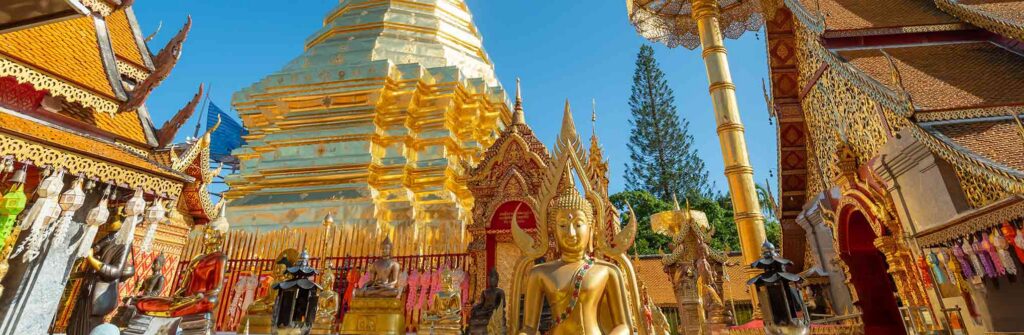
Chiang Mai city guide: Ancient temples, mountain sanctuaries & Lanna culture Tucked into the misty mountains of Northern Thailand, Chiang...
Read now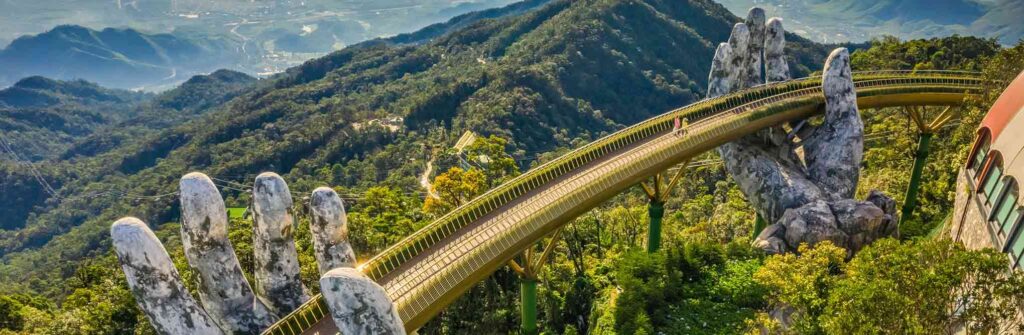
Vietnam Weather in February: Regional Climates, Ideal Seasons & Travel Advice Pack a jacket for Hanoi and sunscreen for Ho...
Read now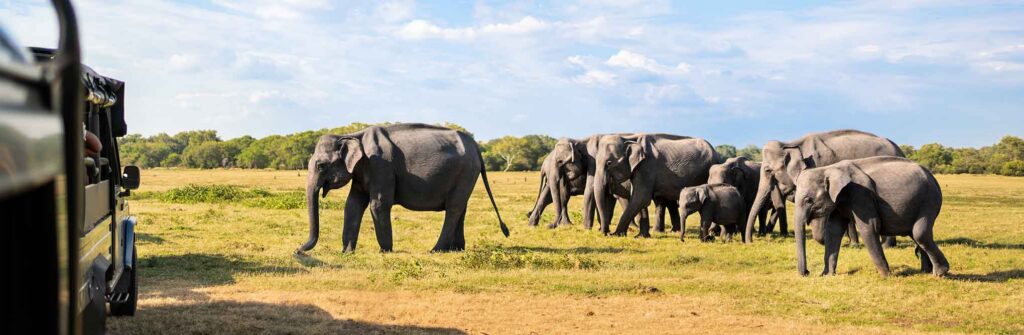
A single small island holds all of this: the world's densest population of leopards, herds of wild elephants numbering in...
Read now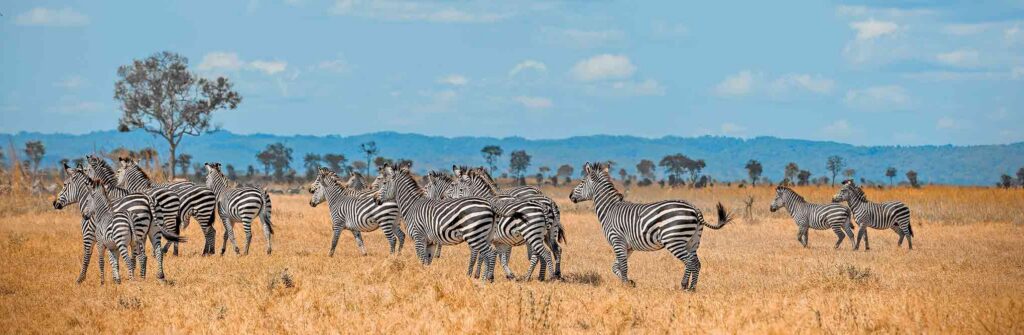
Guided Safaris in Mikumi National Park: Exploring Tanzania's Southern Wilderness Four and a half hours west of Dar es Salaam,...
Read now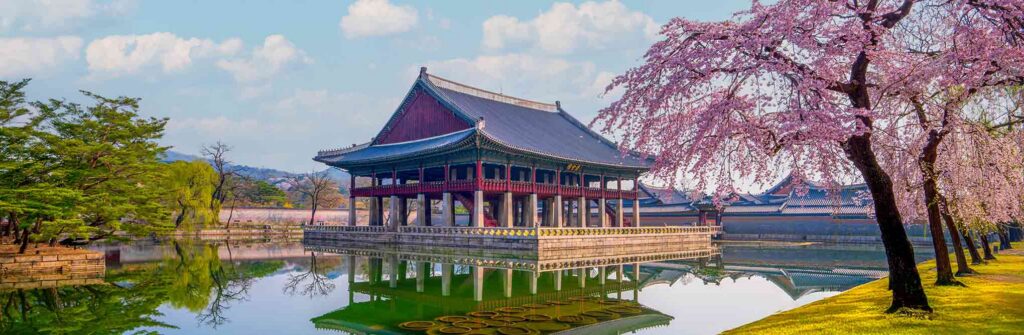
Where to travel in December: The best global destinations for winter expeditions December carries a unique energy for global exploration....
Read now
An expert field guide to Antarctica’s remarkable wildlife The first thing you notice at an Antarctic landing is the noise....
Read now
Chiang Mai city guide: Ancient temples, mountain sanctuaries & Lanna culture Tucked into the misty mountains of Northern Thailand, Chiang...
Read now
Vietnam Weather in February: Regional Climates, Ideal Seasons & Travel Advice Pack a jacket for Hanoi and sunscreen for Ho...
Read now
A single small island holds all of this: the world's densest population of leopards, herds of wild elephants numbering in...
Read now
Guided Safaris in Mikumi National Park: Exploring Tanzania's Southern Wilderness Four and a half hours west of Dar es Salaam,...
Read now
Where to travel in December: The best global destinations for winter expeditions December carries a unique energy for global exploration....
Read now