
Vietnam Weather in February
Vietnam Weather in February: Regional Climates, Ideal Seasons & Travel Advice Pack a jacket for Hanoi and sunscreen for Ho...
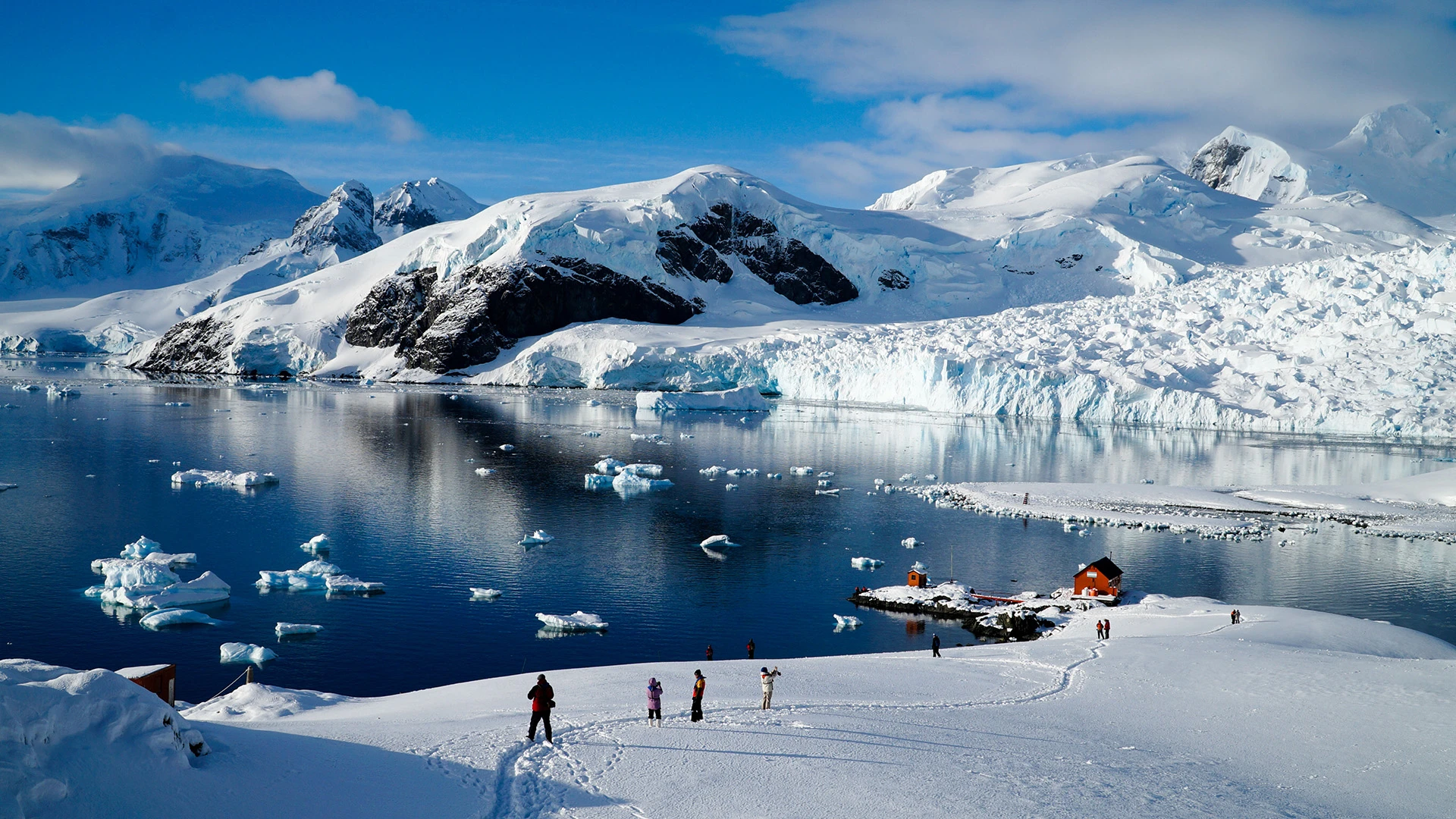
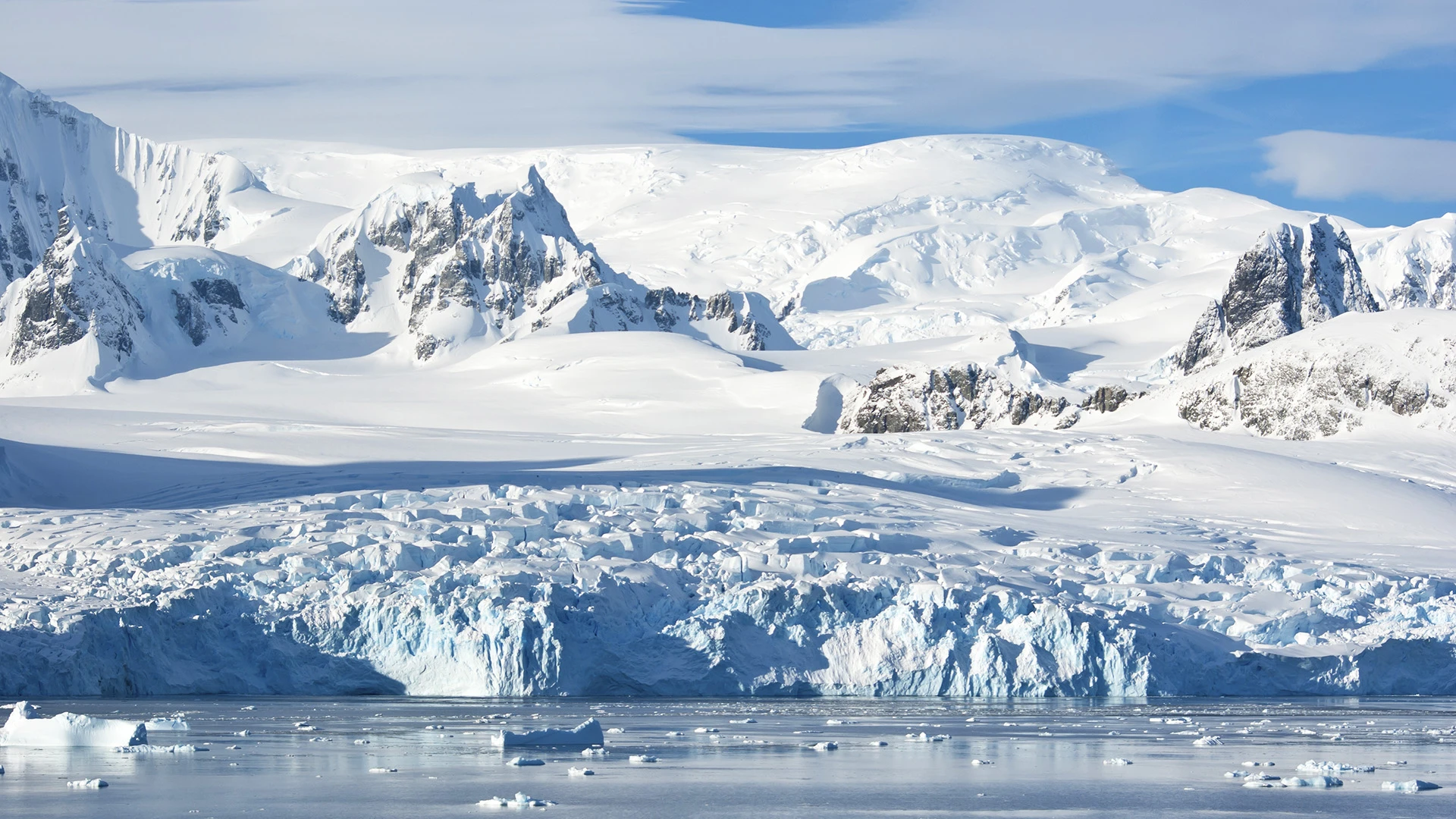
Read nowSurrounding the South Pole, Antarctica remains one of the planet’s most pristine and impressive landscapes. With soaring ice shelves, cobalt-blue icebergs, and colonies of penguins numbering in the thousands, Antarctica is not a standard holiday; it is a profound journey into the wild.
Planning a voyage to the bottom of the world needs thoughtful preparation. From selecting the right small ship to choosing the best month for specific wildlife encounters, this ultimate guide covers everything you need to know to turn your Antarctic dream into an unforgettable expedition.
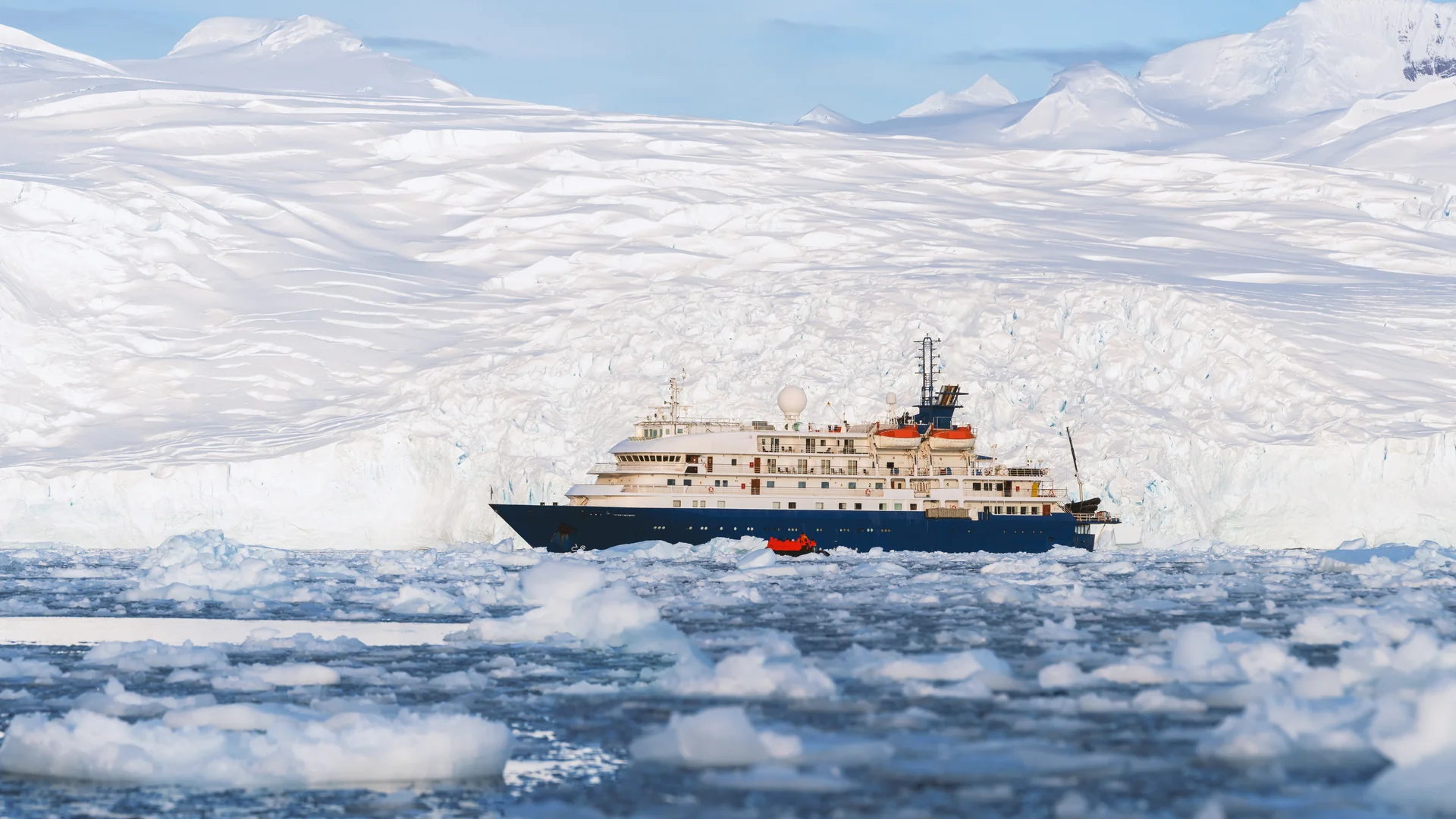
Planning a trip to Antarctica involves several key decisions: choosing the right vessel style, selecting an itinerary that matches your interests, and timing your voyage around the wildlife activity you most want to see. Because the continent has no commercial ports or hotels, all travel takes place on specialised expedition ships or small polar cruisers.
For a seamless, well-managed journey, most travellers choose a fully organised expedition package. At Exclusive Expeditions, we design handcrafted polar voyages that combine expert guidance, comfortable sea travel, and complete door-to-door logistics:
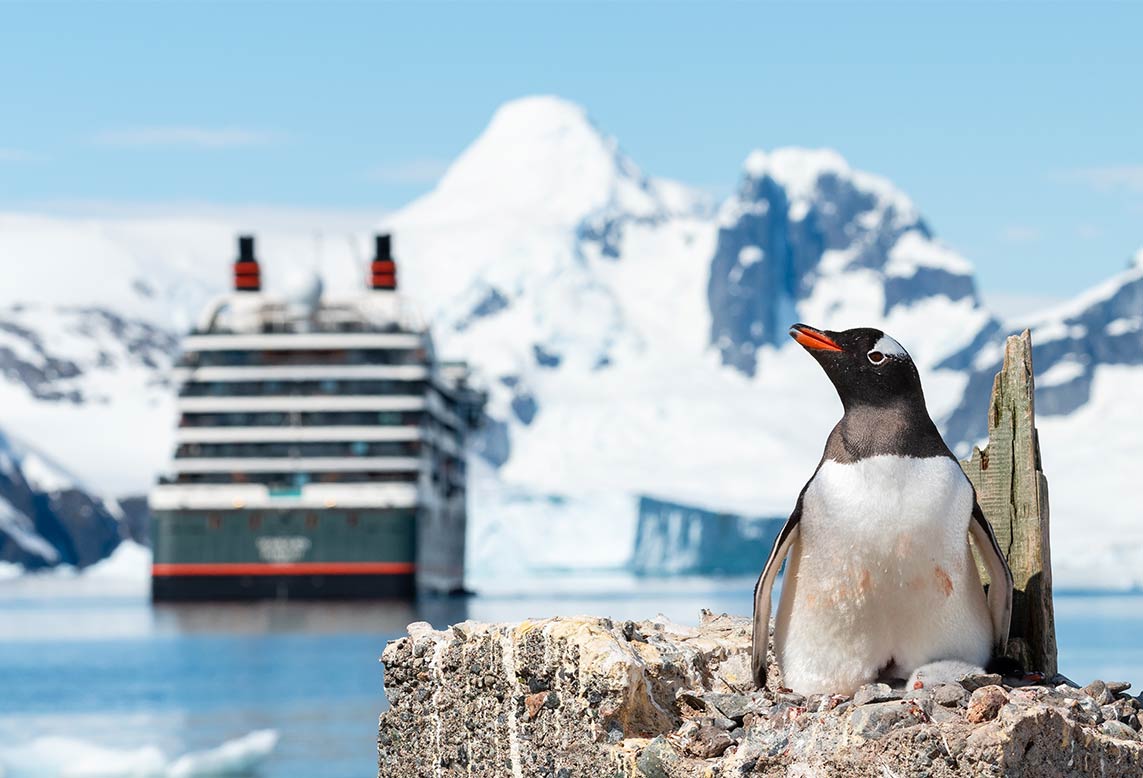
– Small-ship expedition cruises: Polar-class vessels carrying limited passenger numbers to ensure maximum time ashore and frequent Zodiac excursions. Explore our flagship Antarctica, South Georgia & Falklands Expedition to see a complete 22-night polar itinerary in action.
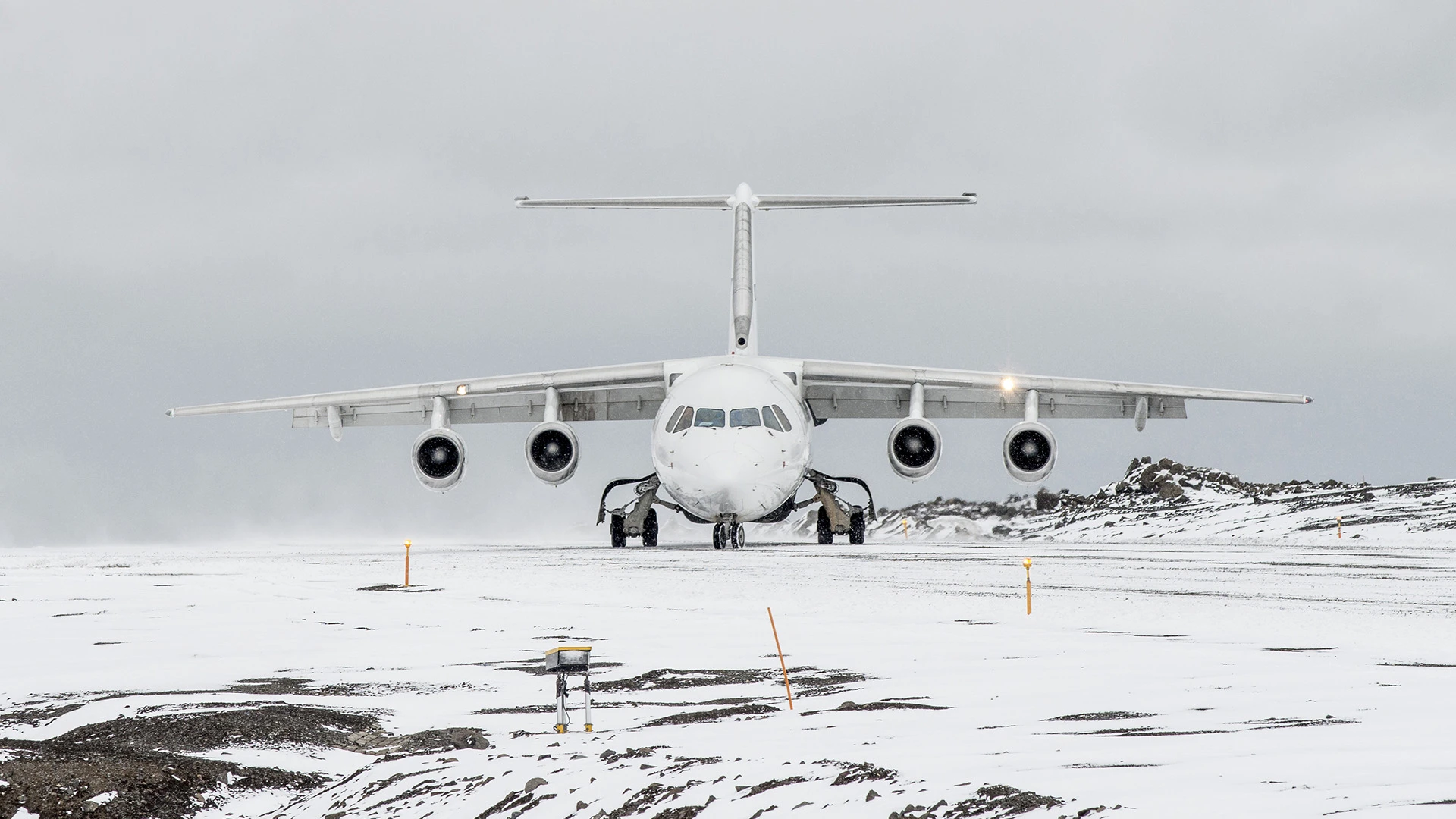
– Fly-cruise options: Fly across the stormy Drake Passage directly to King George Island to board your ship, saving time while still enjoying the full Antarctic coastal experience.
– End-to-end logistics: Complete coordination of international flights, pre-cruise stays in Ushuaia or Buenos Aires, mandatory polar park permits, and high-spec polar outerwear rental.
Not all Antarctic itineraries are the same. Depending on your time and spirit of adventure, you can choose between a classic coastal introduction or a comprehensive sub-Antarctic voyage.
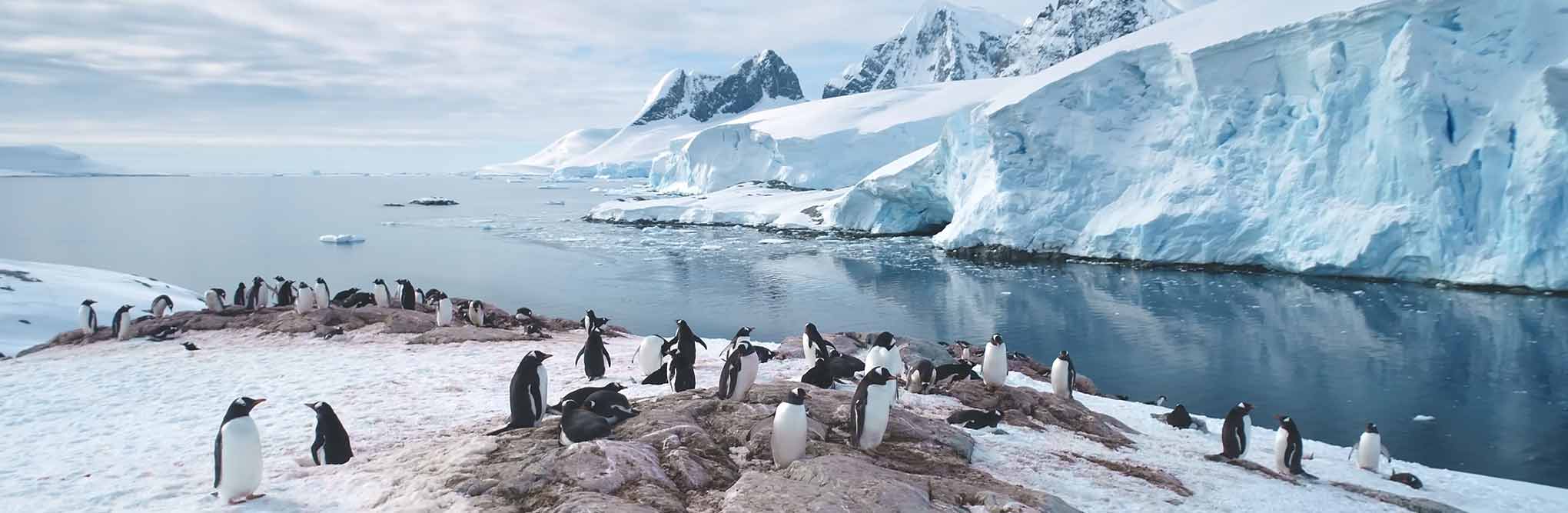
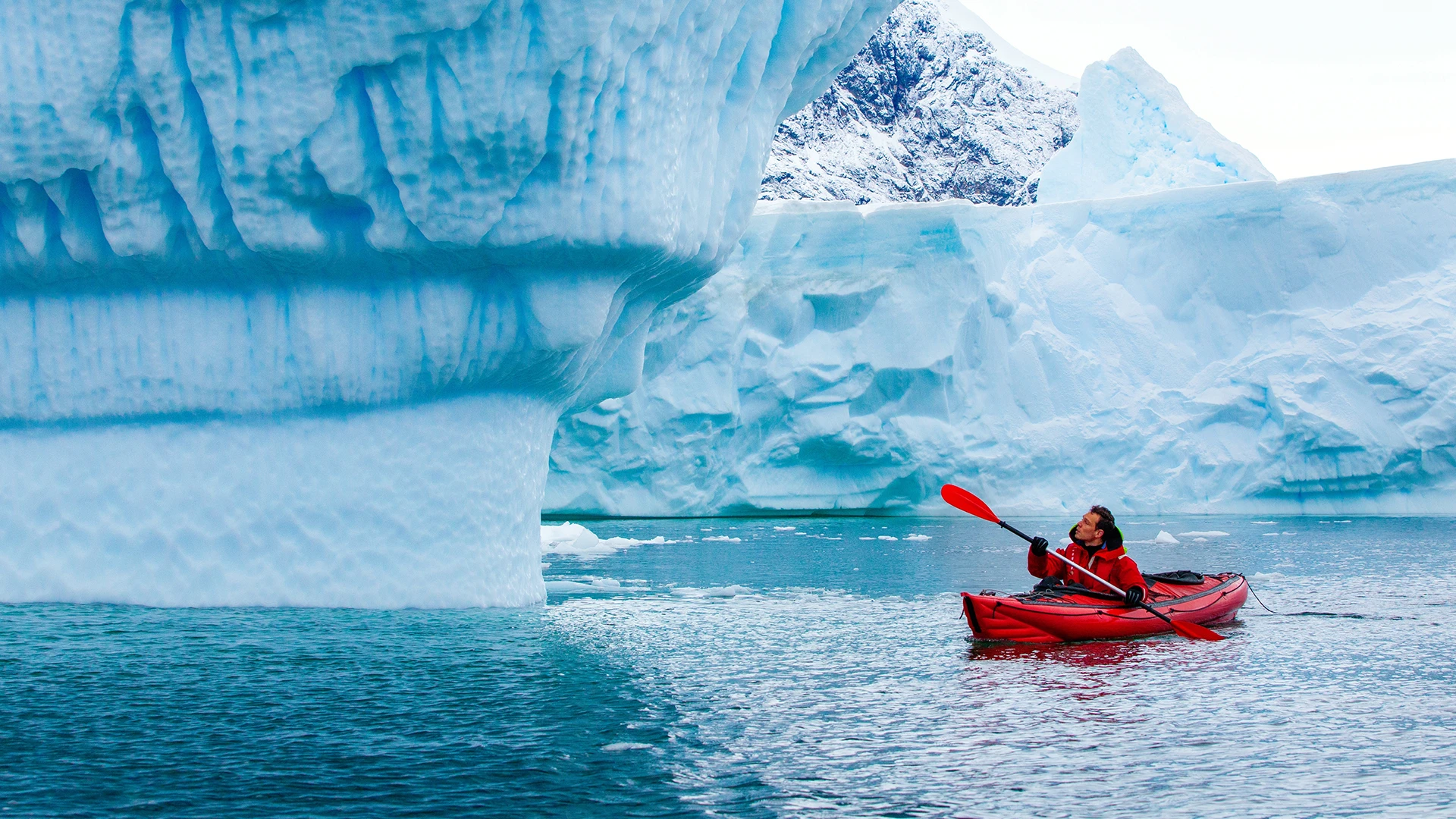
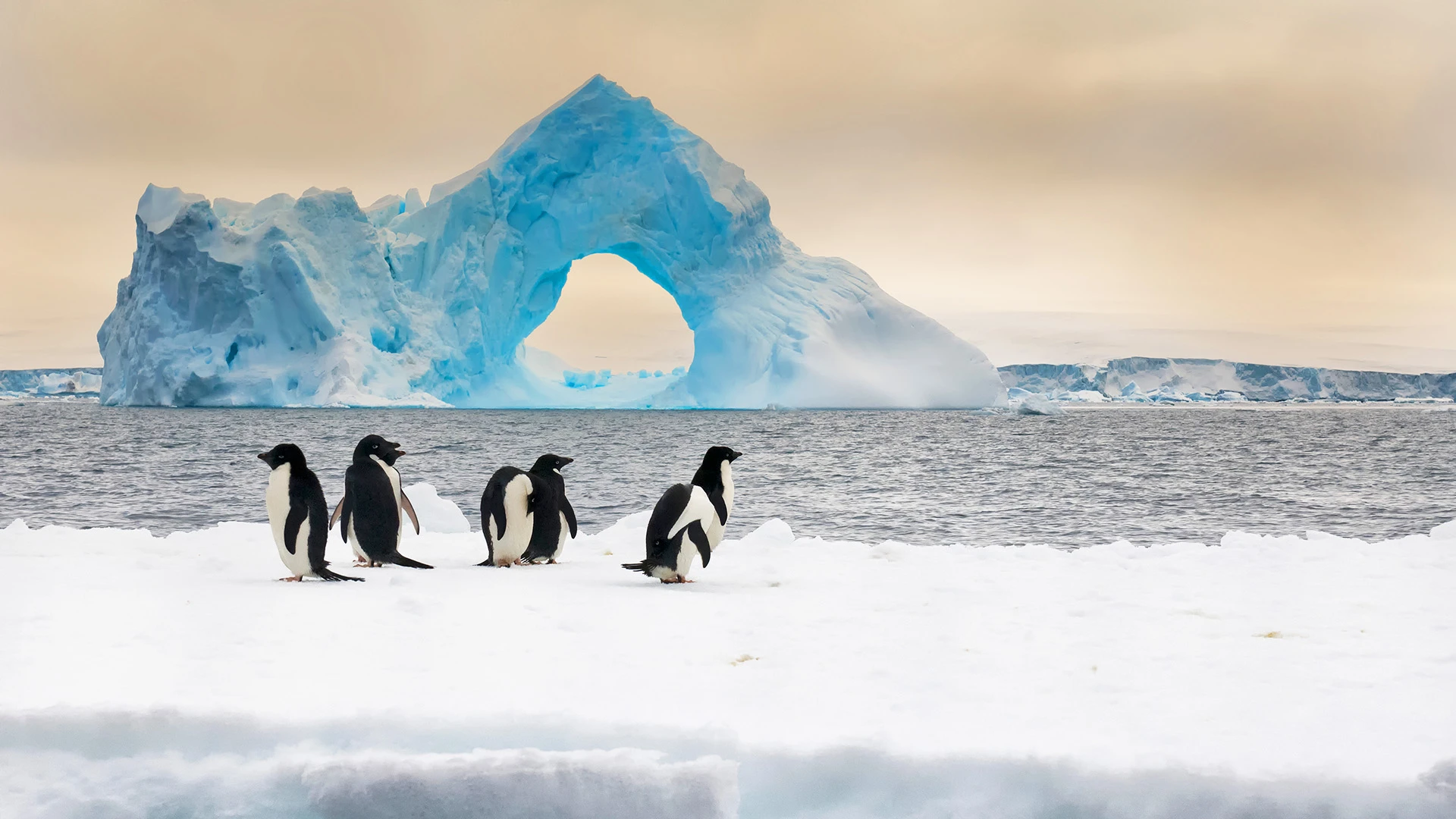
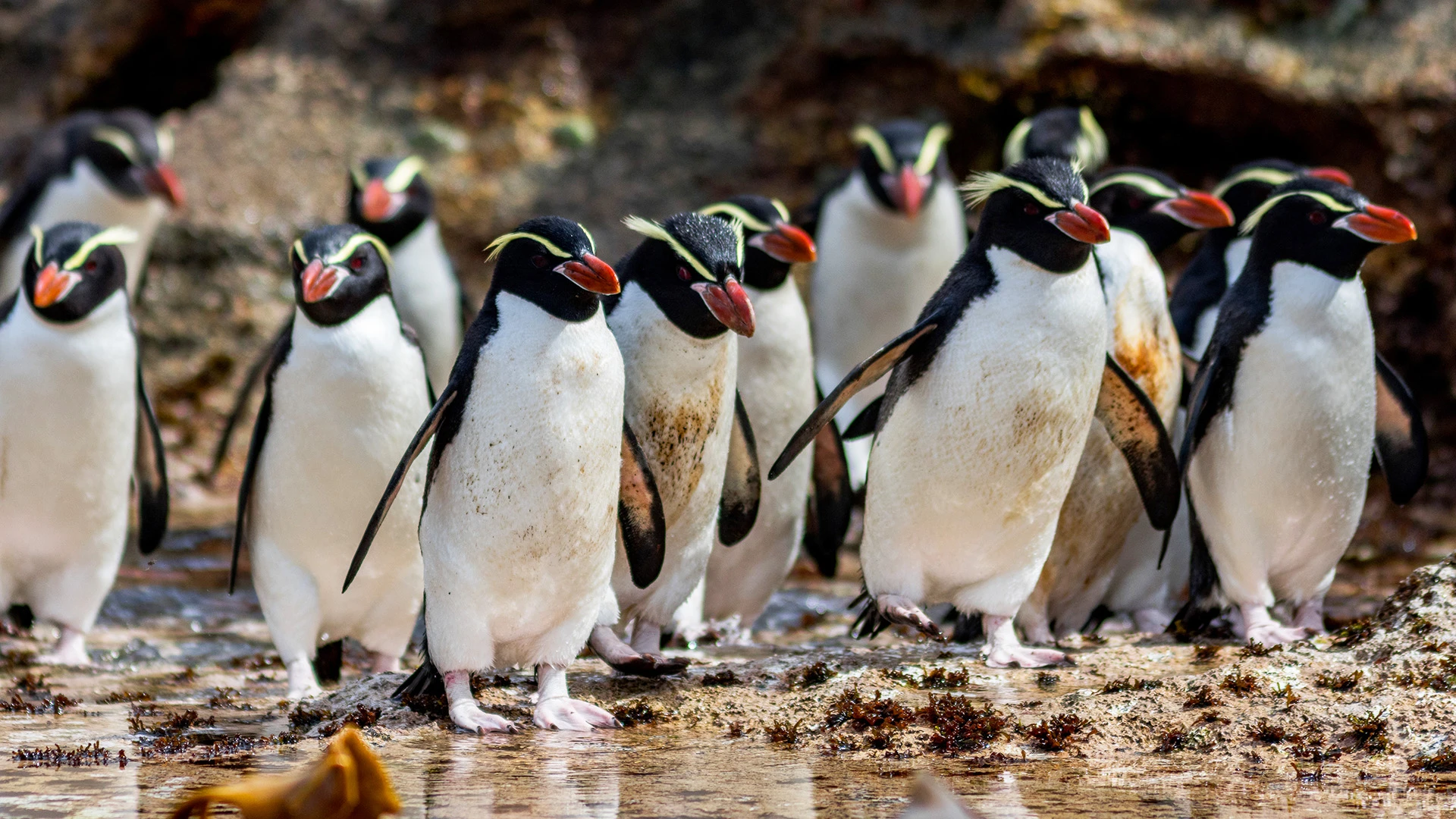
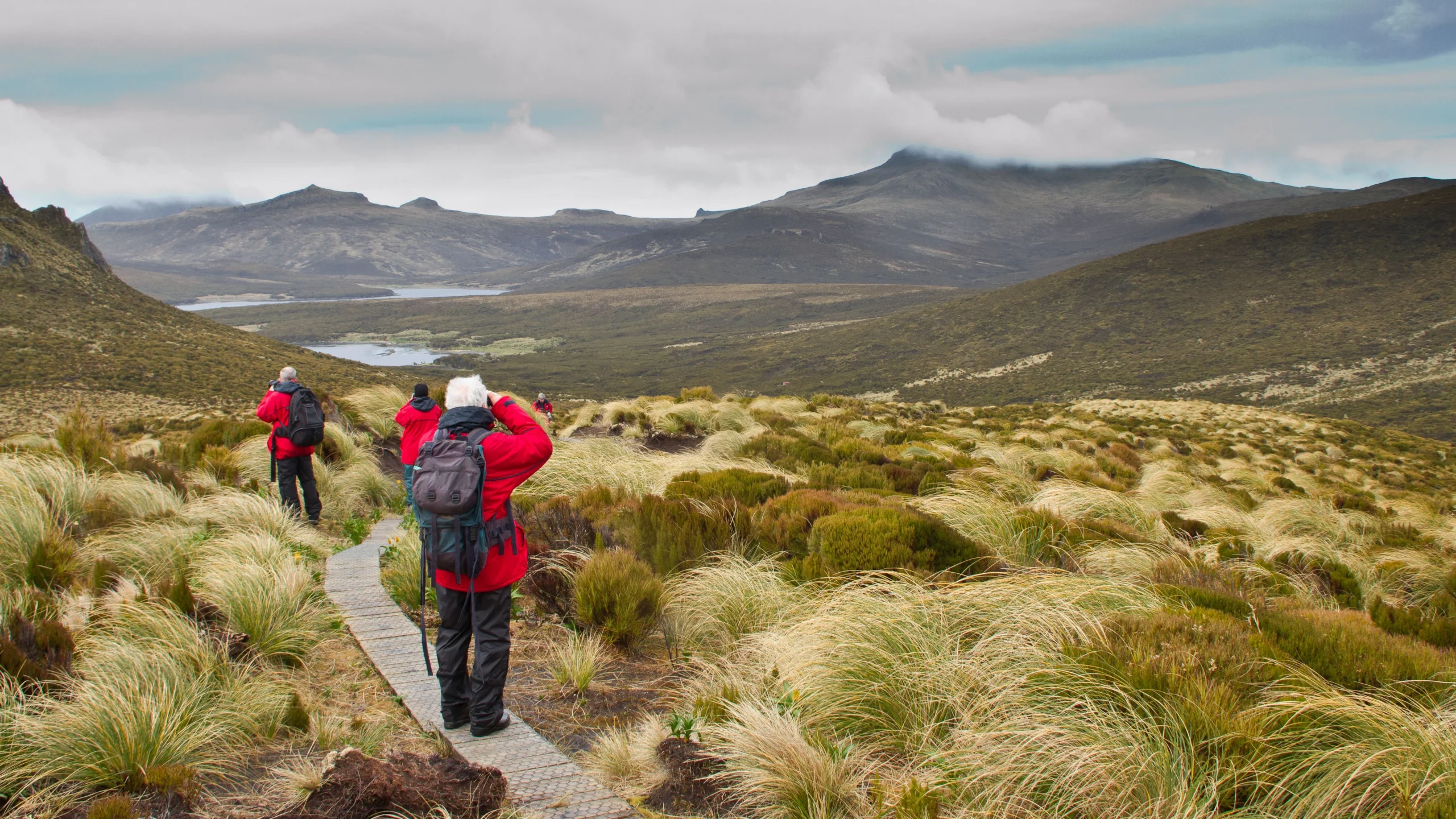
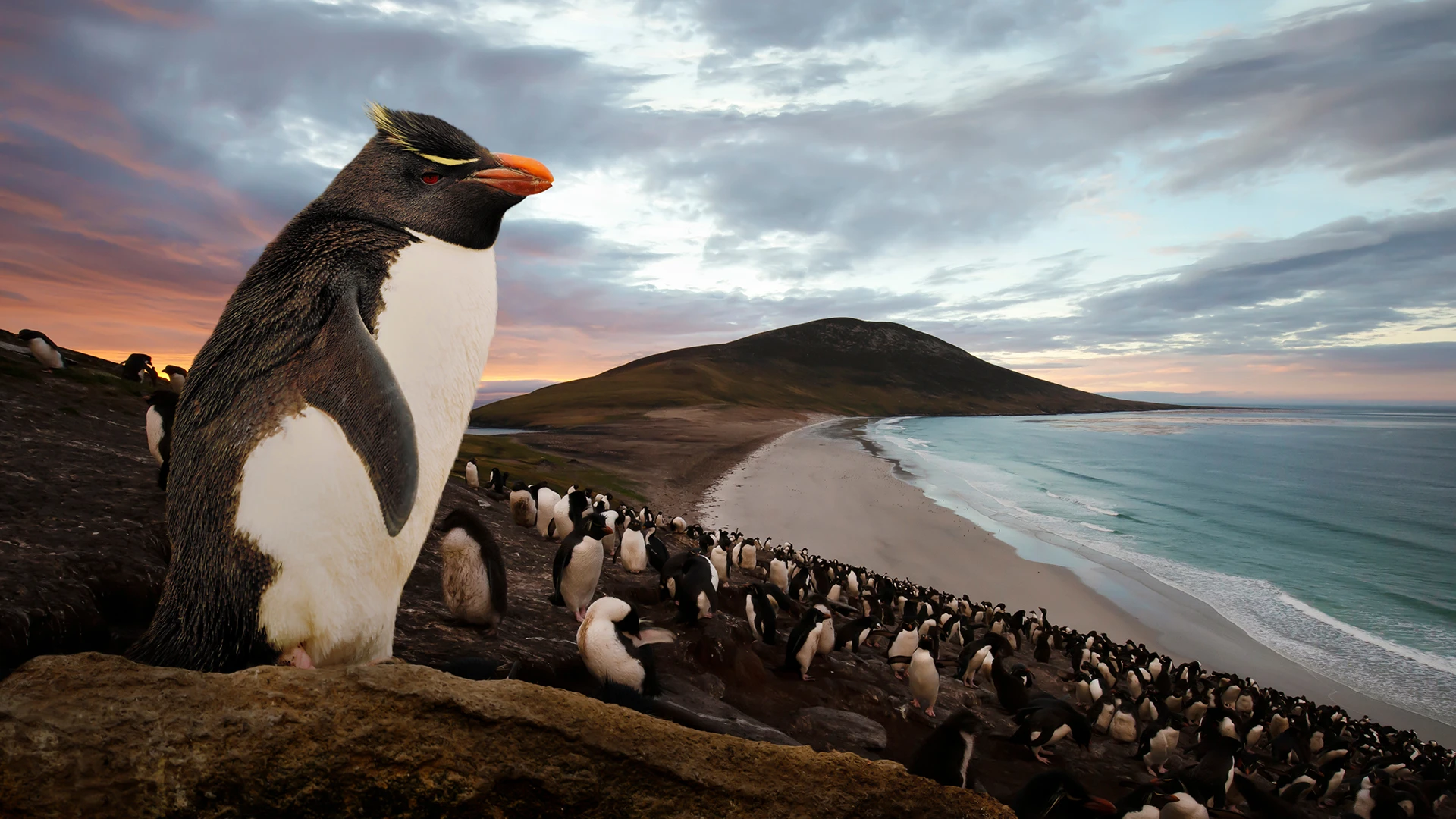
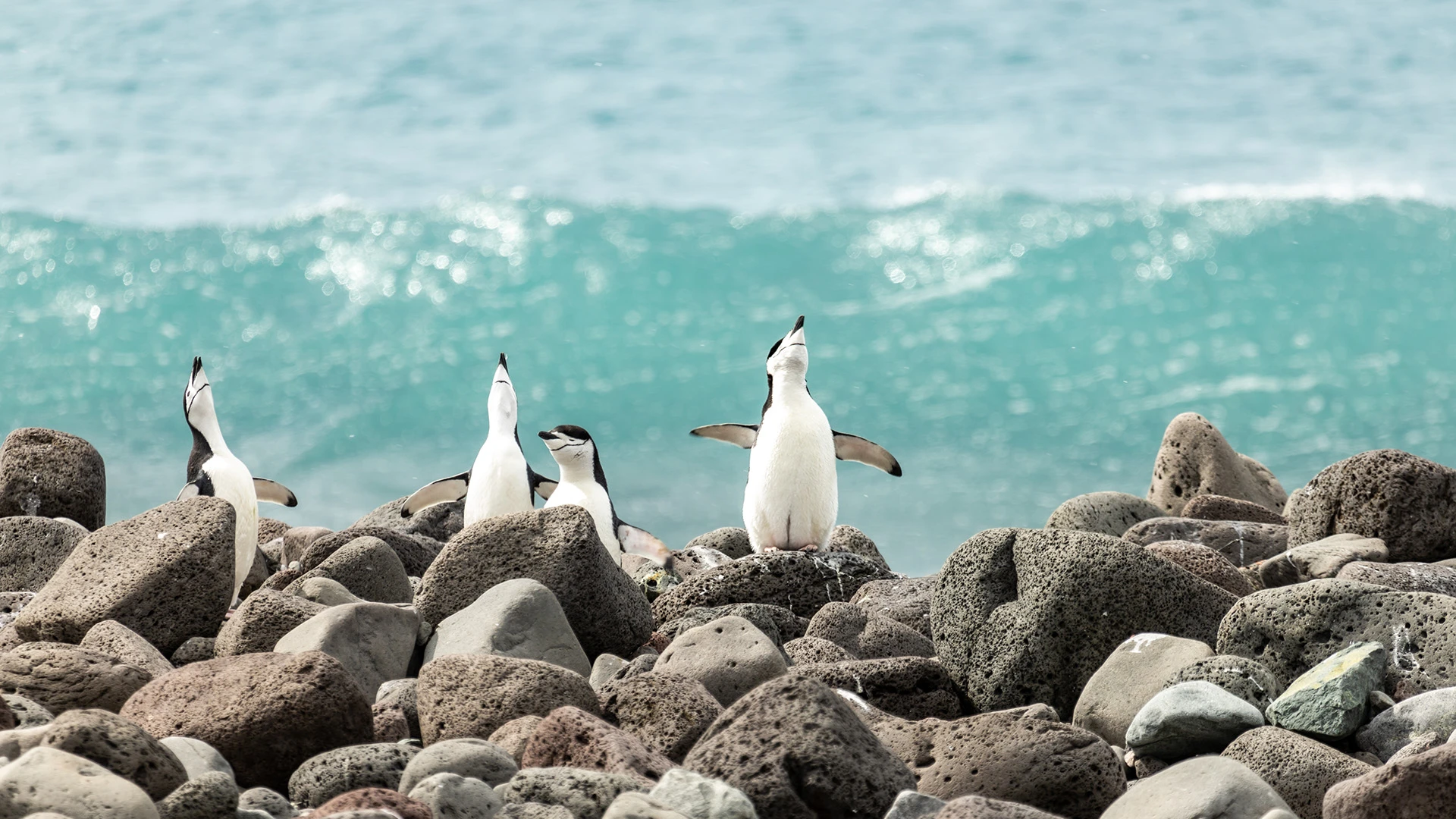
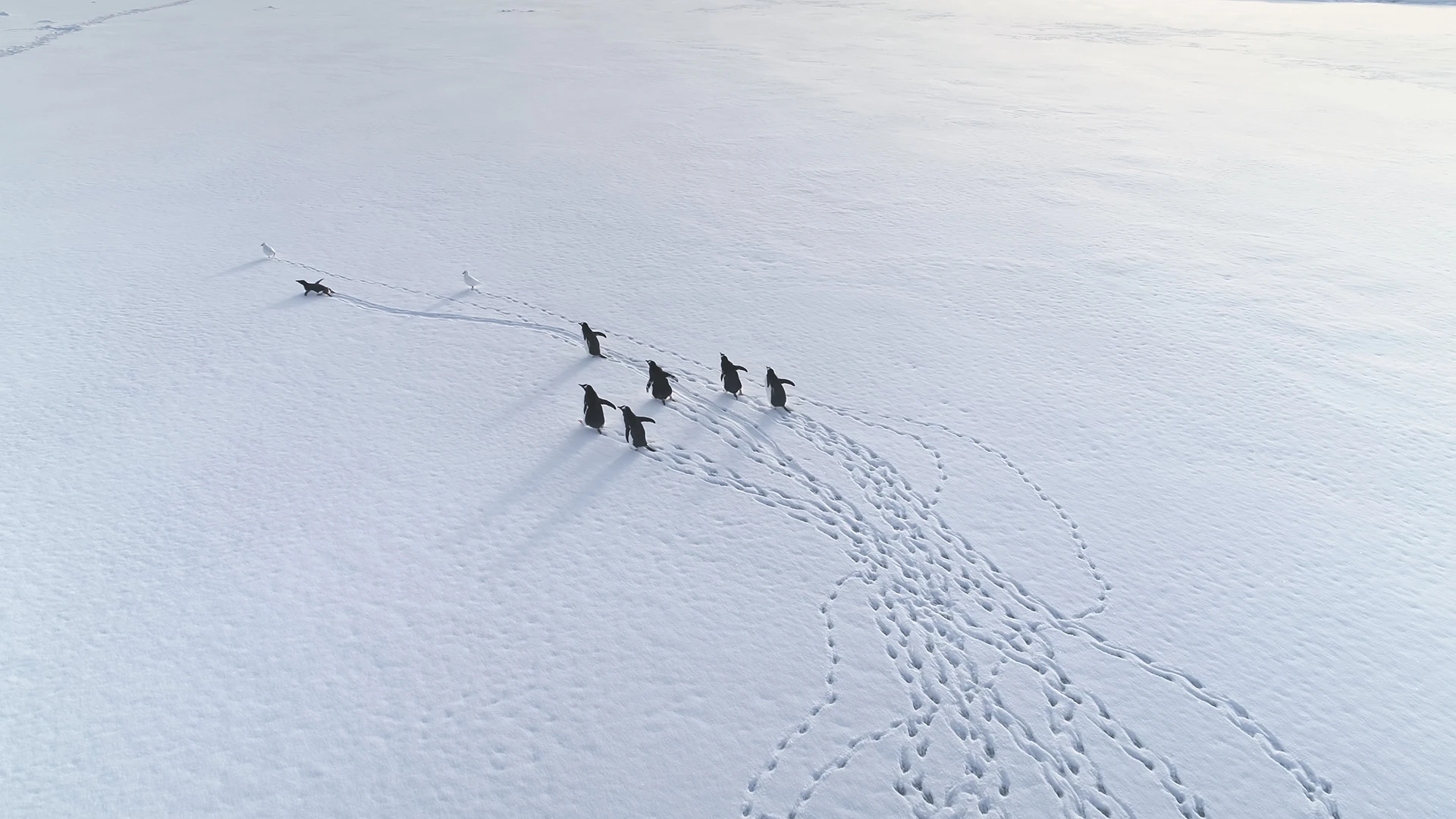
The most popular option, this 10 to 12-day voyage crosses the Drake Passage from Ushuaia, Argentina, to explore the sheltered channels, glaciers, and bay islands of the Antarctic Peninsula. You will experience daily Zodiac landings, sea kayaking among icebergs, and visits to bustling gentoo and chinstrap penguin colonies.
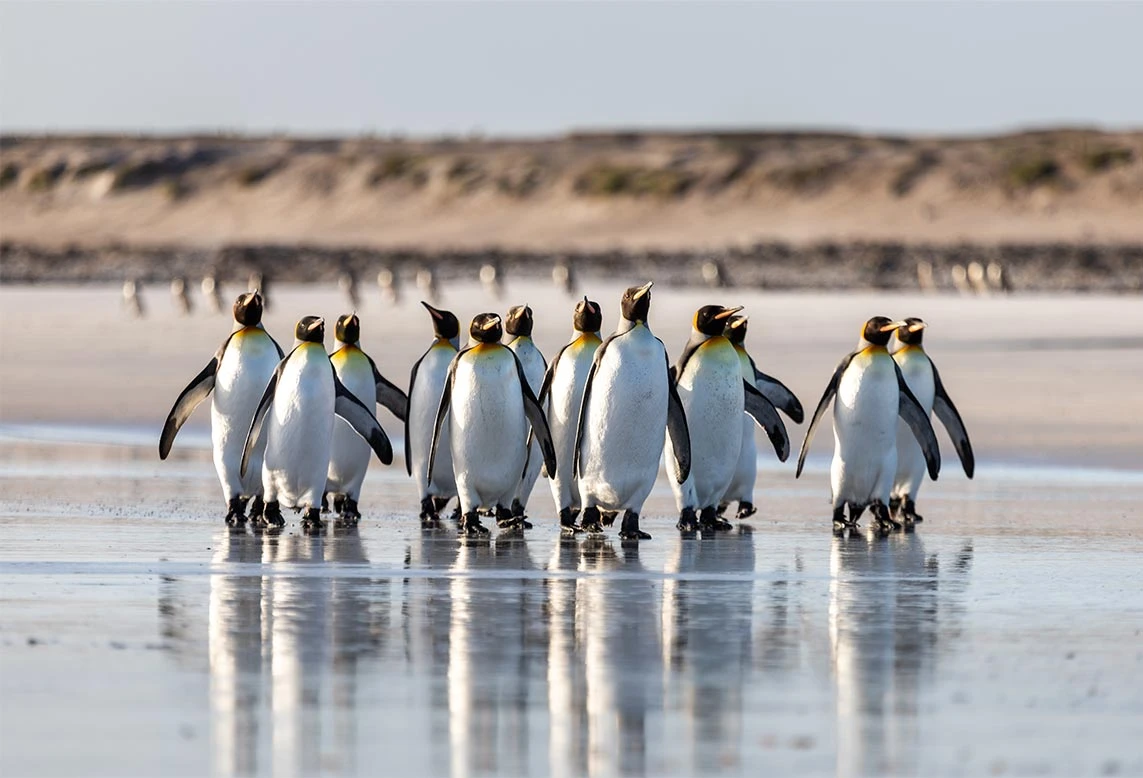
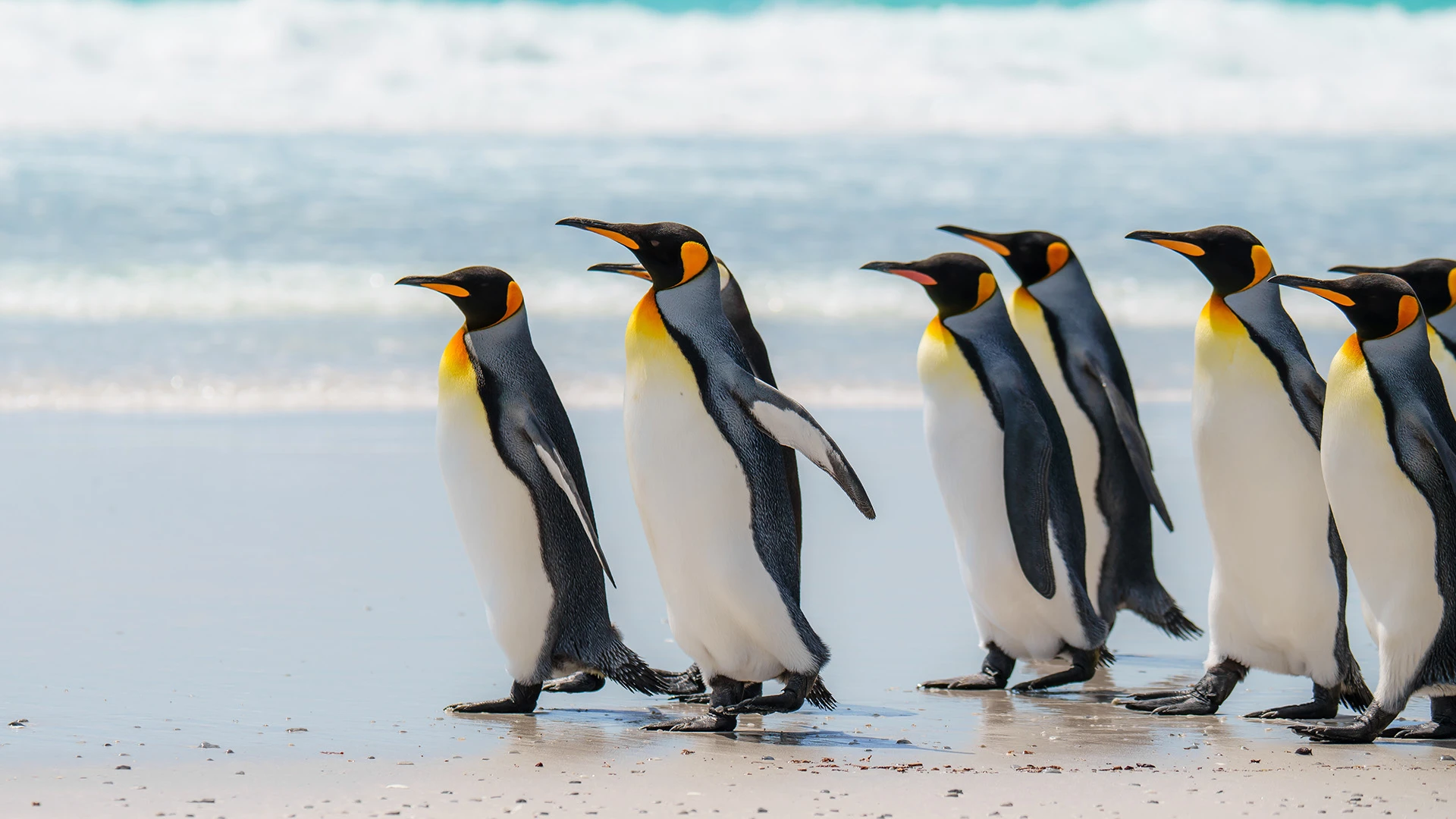
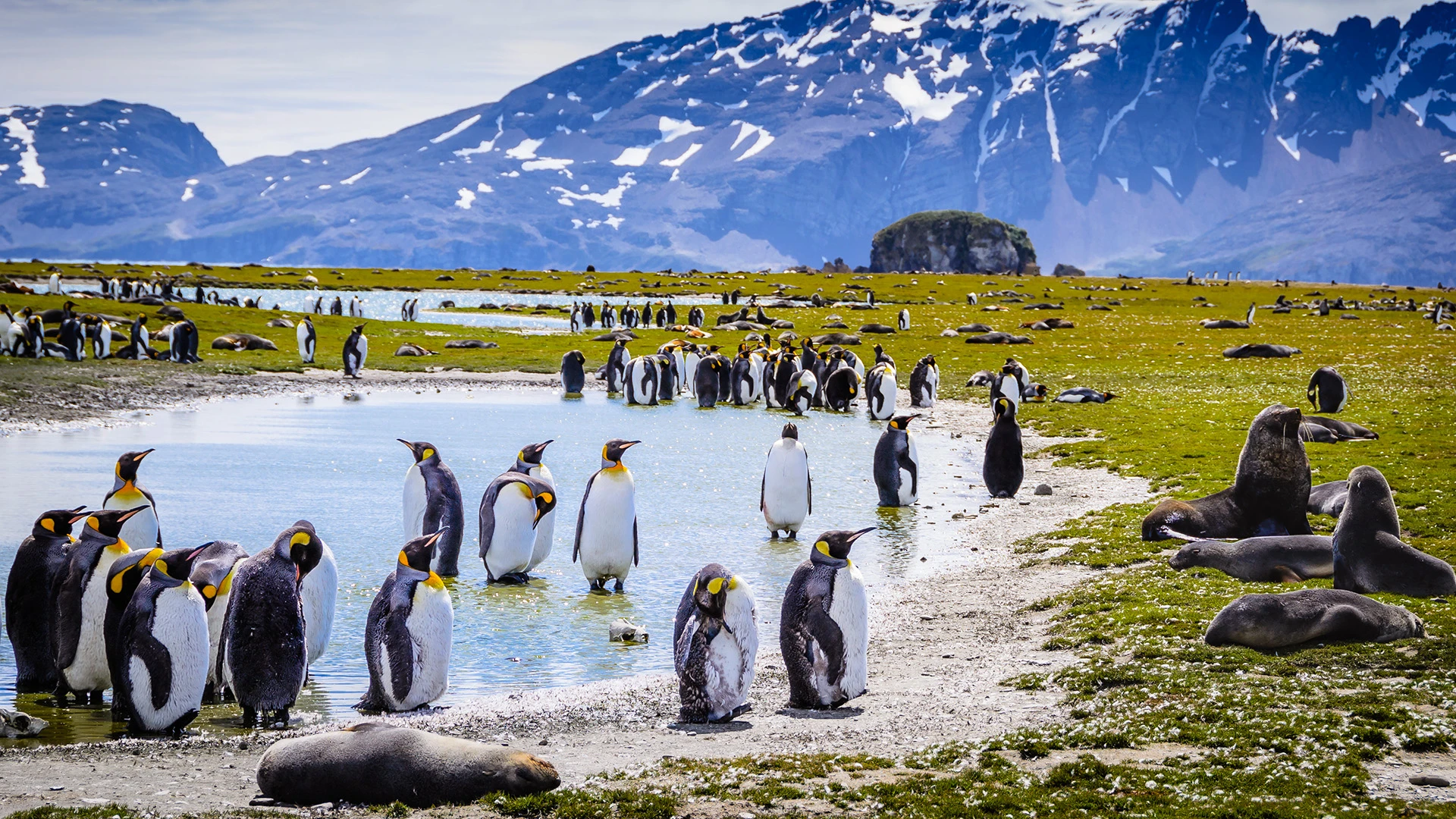
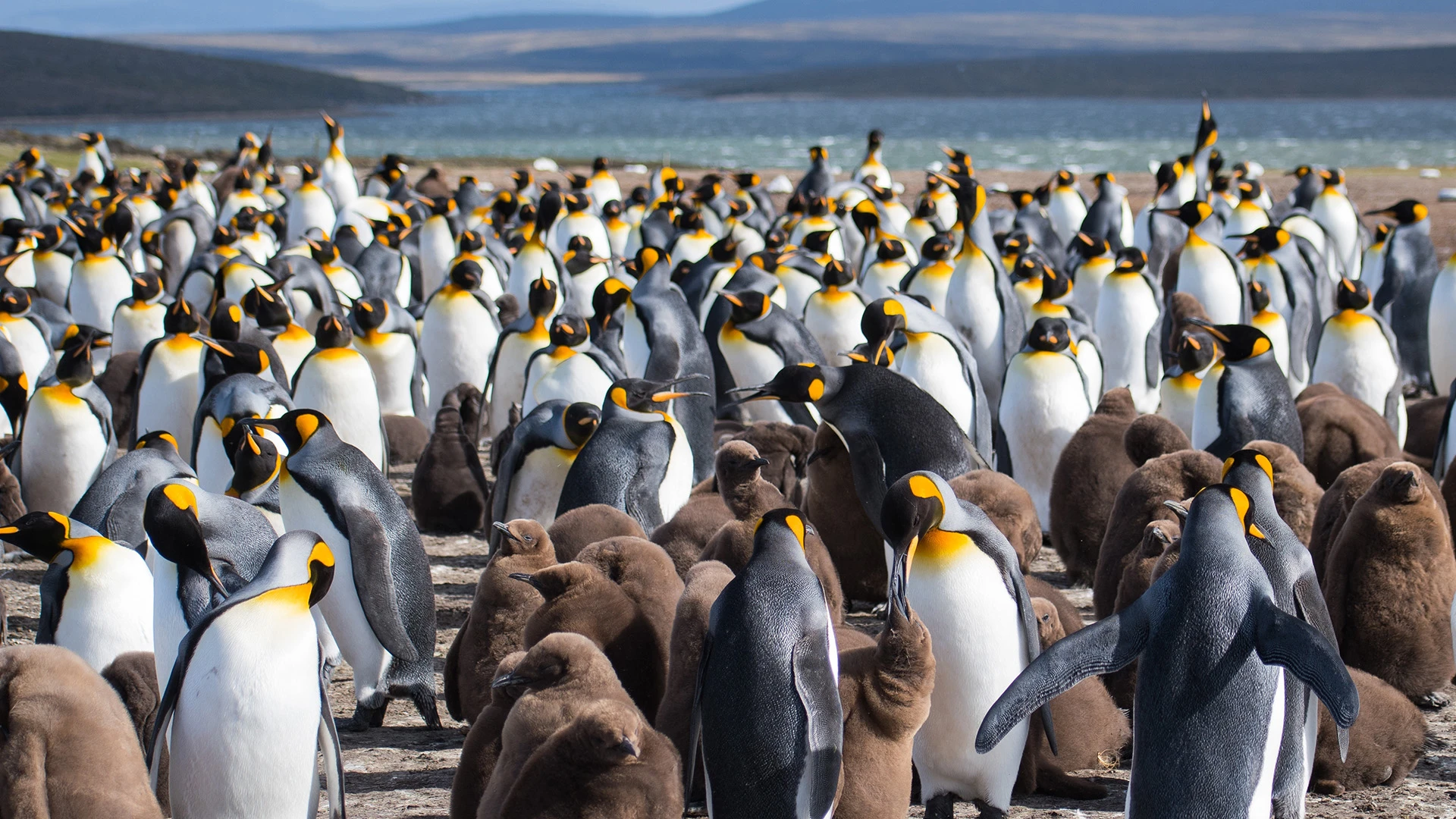
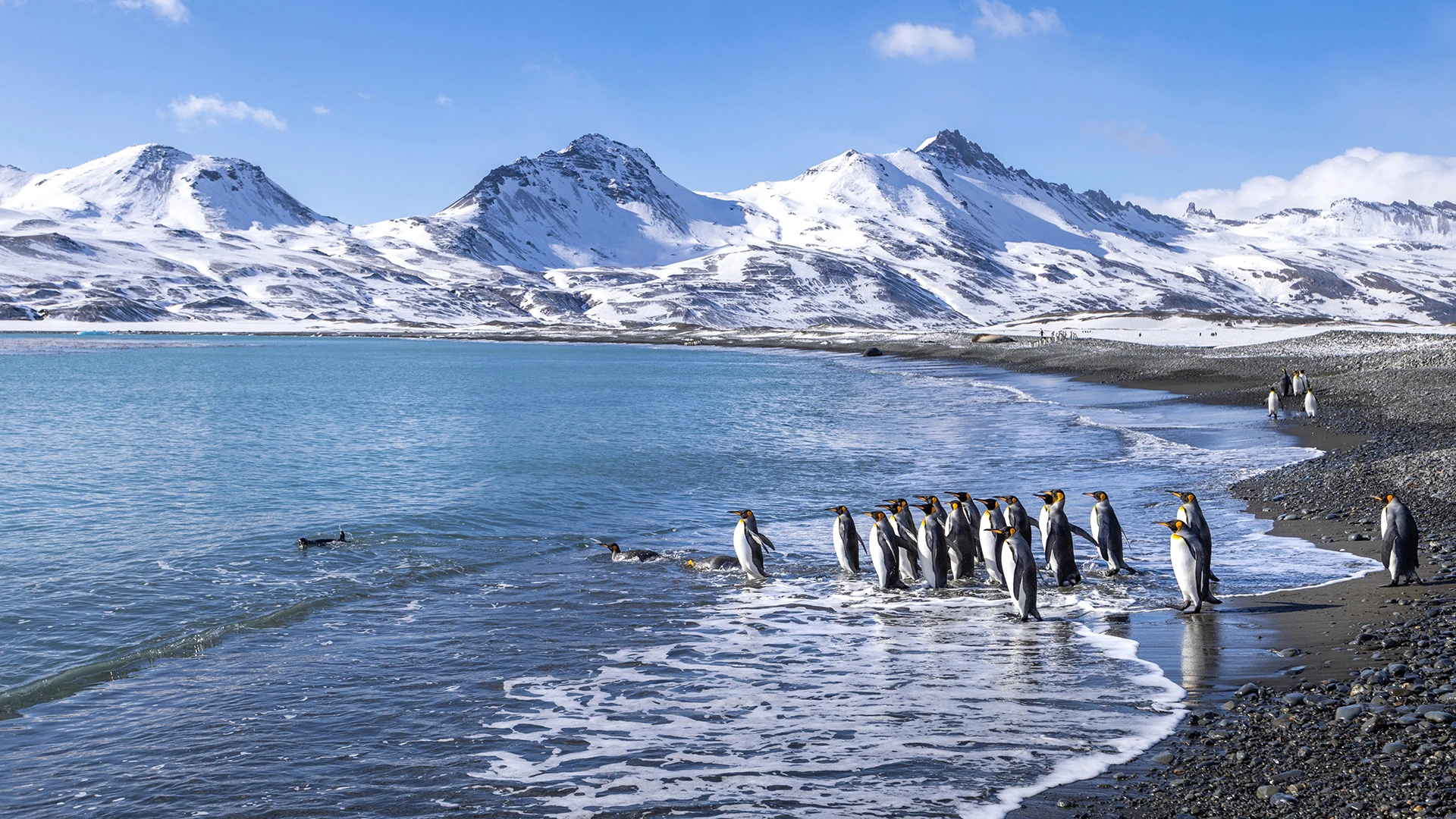
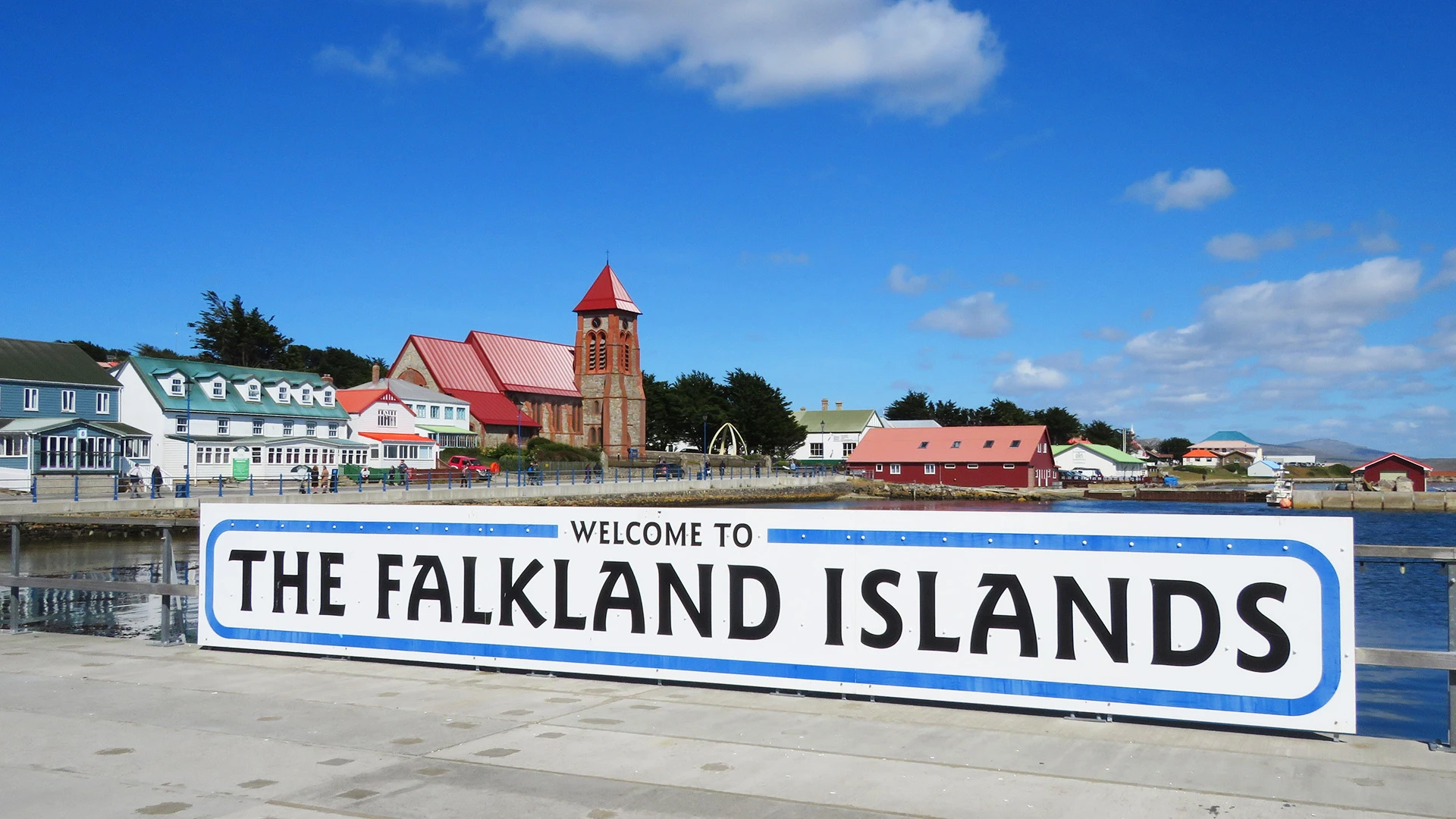
Often considered the ultimate polar voyage, this 18 to 23-day expedition pairs the icy grandeur of the Peninsula with the wildlife-dense shores of South Georgia and the Falkland Islands. South Georgia is famous for its beaches packed with hundreds of thousands of king penguins and massive elephant seals.
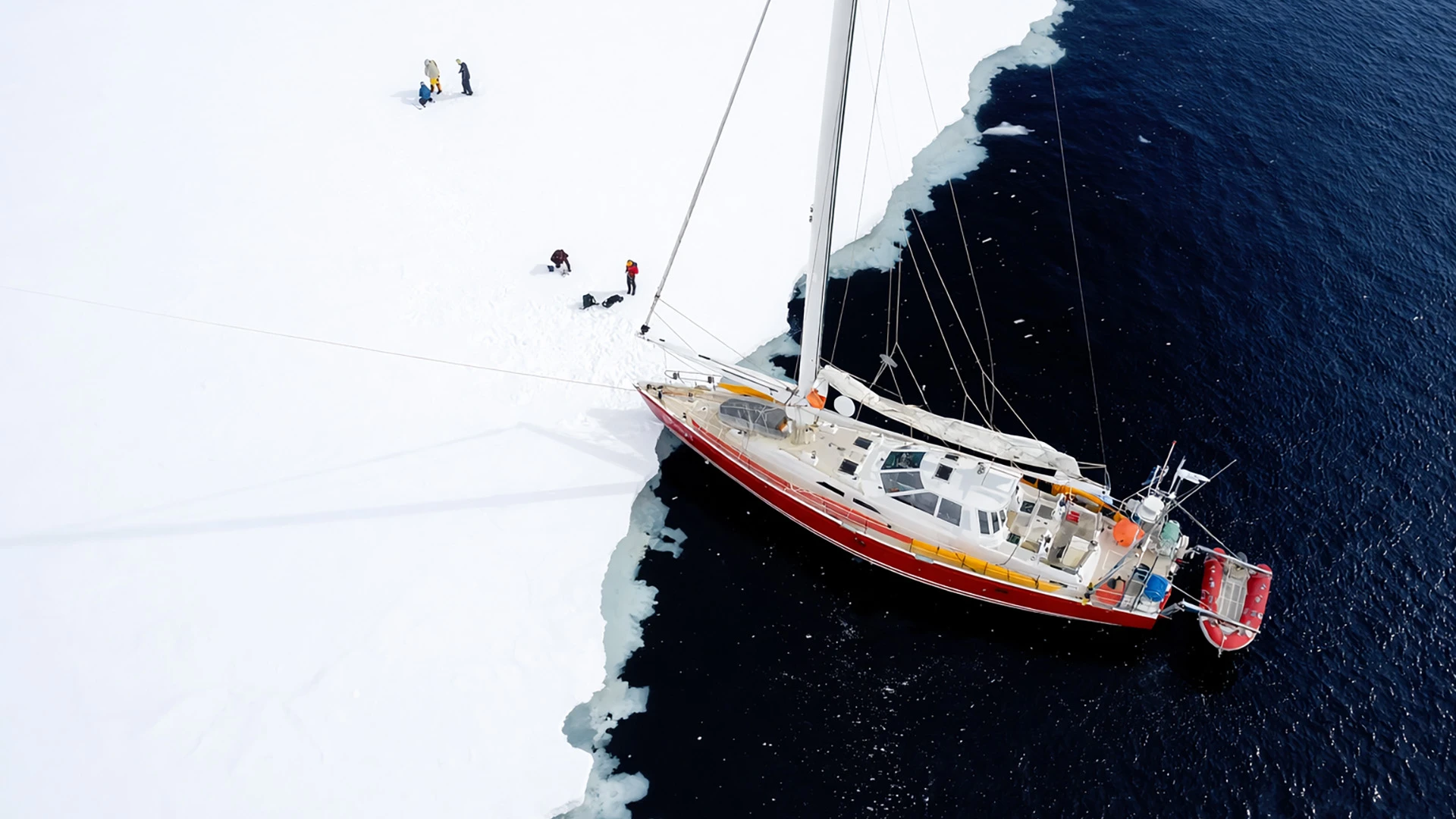
For travellers seeking to go further south, itineraries that aim for 66∘33′S venture into regions where sea ice thickens and seeing other people is rare. Crossing this line is a true milestone of exploration.
The Antarctic travel season runs during the Southern Hemisphere summer, from November to March. Each month brings a completely different natural spectacle:
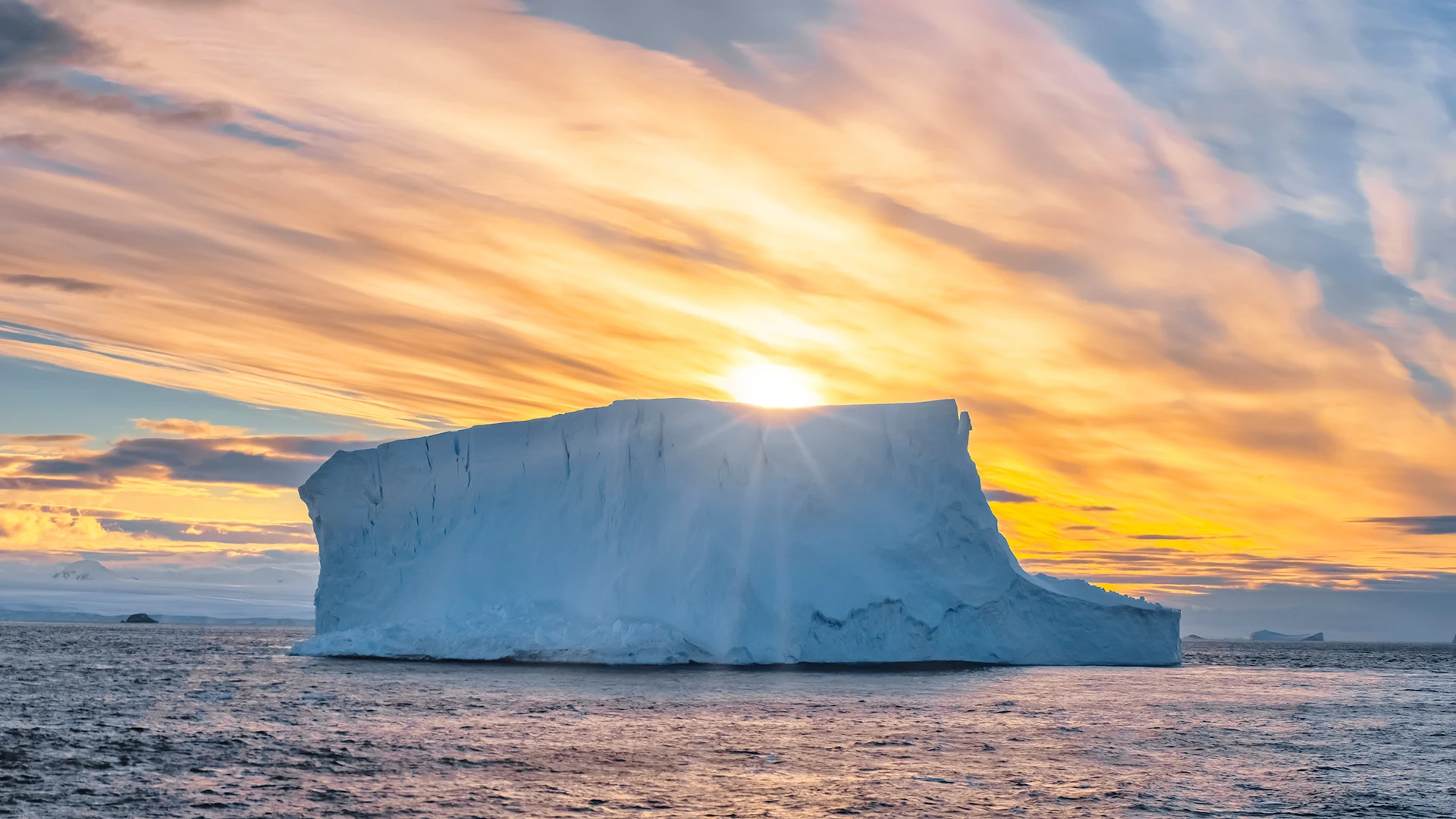
– November (early summer): The ice is at its purest and most dramatic. Massive icebergs drift through open channels, and penguins begin building their nests and courting.
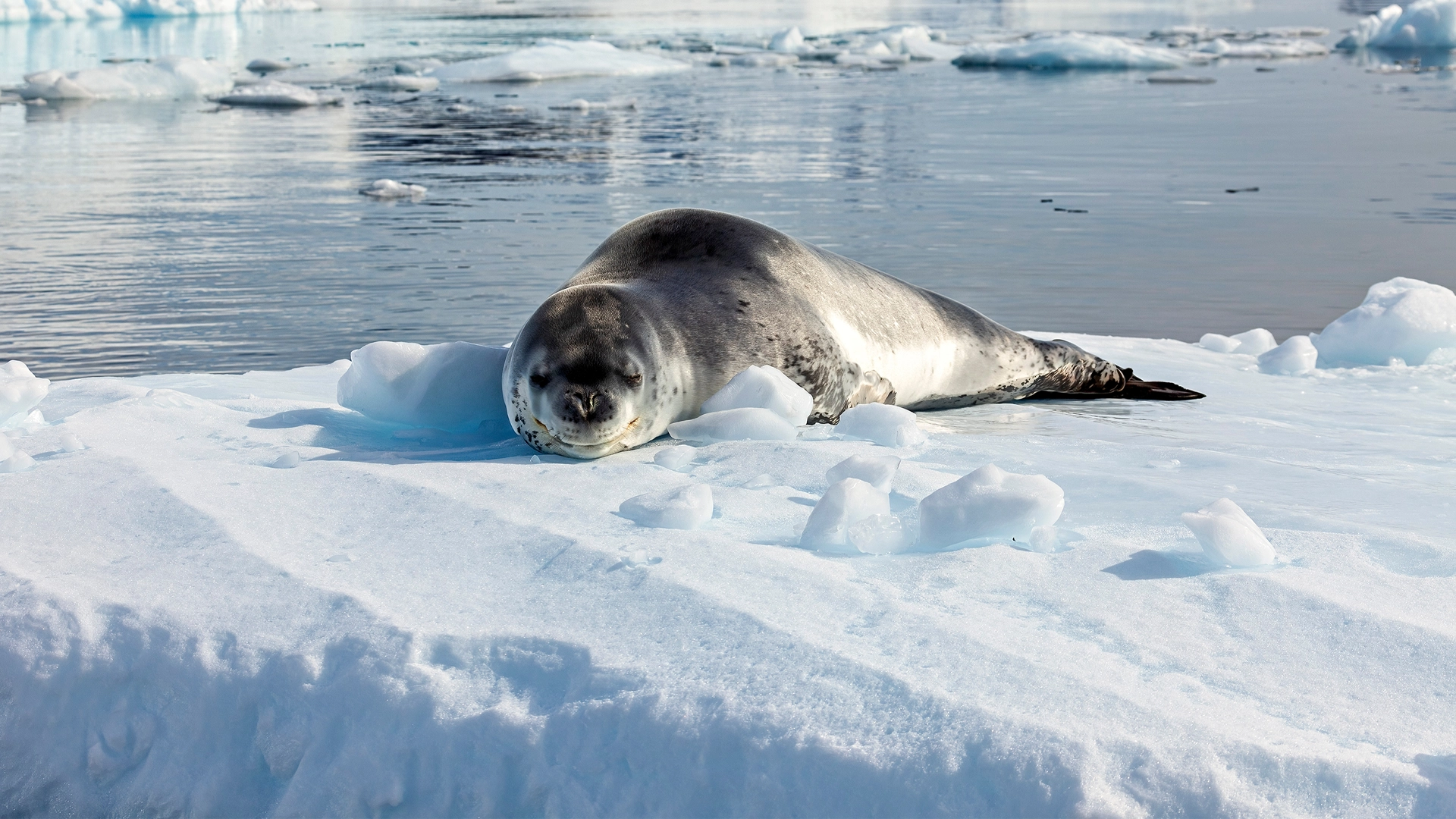
– December & January (mid-summer): The warmest months with up to 20 hours of daylight. Penguin chicks hatch, seal pups fill the beaches, and whale sightings begin to increase.
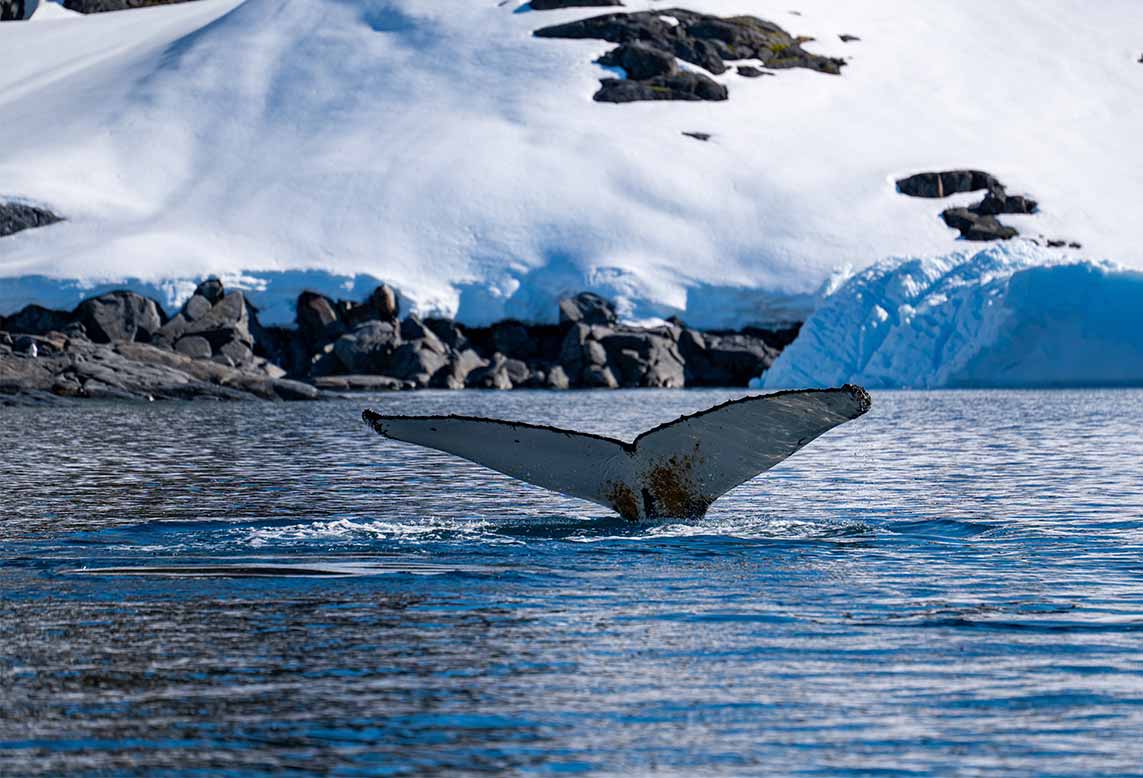
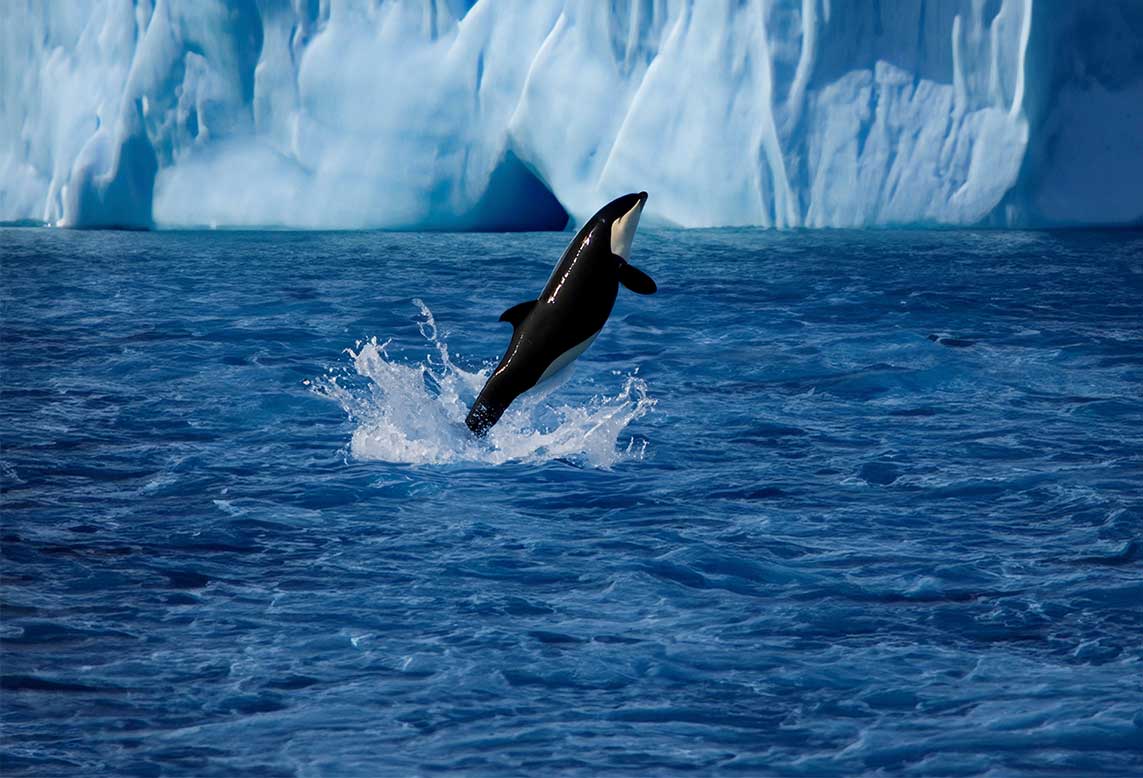
– February & March (late summer): The absolute prime season for whale watching. Humpback, minke, and killer whales gather in high concentrations in the nutrient-rich bays, and penguin chicks fledge.
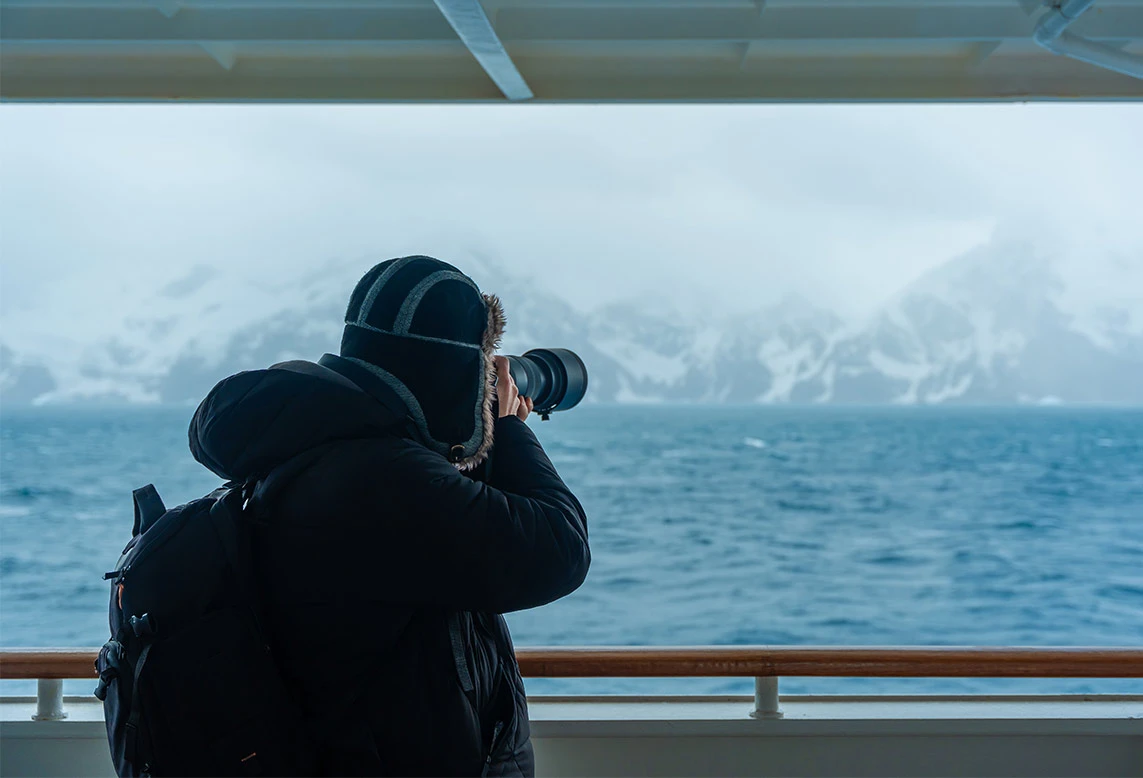
Packing for a polar expedition is all about layering, not bulky clothing. Conditions on the Antarctic Peninsula can range from clear, sunny days at 0∘C to windy, snowy spells on open water.
– Thermal base layers: Merino wool or synthetic tops and bottoms that wick moisture away from your skin.
– Insulating mid-layers: Fleece jackets or lightweight down coats that trap body heat.
– Waterproof shells: Genuinely waterproof and windproof trousers and an overjacket (many top expedition ships provide a heavy-duty parka to keep).
– High-protection accessories: UV-blocking sunglasses, waterproof gloves, thermal hats, and reef-safe sunscreen to avoid intense solar reflection off the ice.
Reaching the White Continent is an incredible experience, but getting to a place this far off the map takes careful preparation. With no ports or hotels on the continent itself, the details matter, from choosing a small ship that gets you onto the ice quickly to picking the right cabin for the open ocean crossing.
At Exclusive Expeditions, we take care of every step of the journey. We handle your flights, arrange pre-cruise stays in Buenos Aires or Ushuaia, and match you with expert polar guides who know these waters inside out.
Ready to start planning your journey? Contact our team today to talk through your travel dates and preferred route.
For a deeper look into seasonal wildlife patterns, read our complete guide on Antarctica whale watching to discover when to spot these ocean giants at their most active.
Browse our full collection of Antarctica luxury tours and holidays to explore all available travel options across the Southern Ocean, or, plan ahead by reading our guide on when to book an expedition cruise to secure peak season cabins.
Every journey we offer is handpicked by our specialists. These are the ones we recommend the most.
14 Nights From £10,850pp
Explore Antarctica aboard Ocean Explorer with Quark Expeditions, witnessing glaciers, penguins, whales, and Zodiac or kayaking adventures.
View details9-14 Nights Nights From £8,000pp
Discover the 7th continent with Exclusive Expeditions. Our Antarctic Explorer tours offer bespoke luxury cruises and tailor-made expeditions.
View details16 Nights From £11,380pp
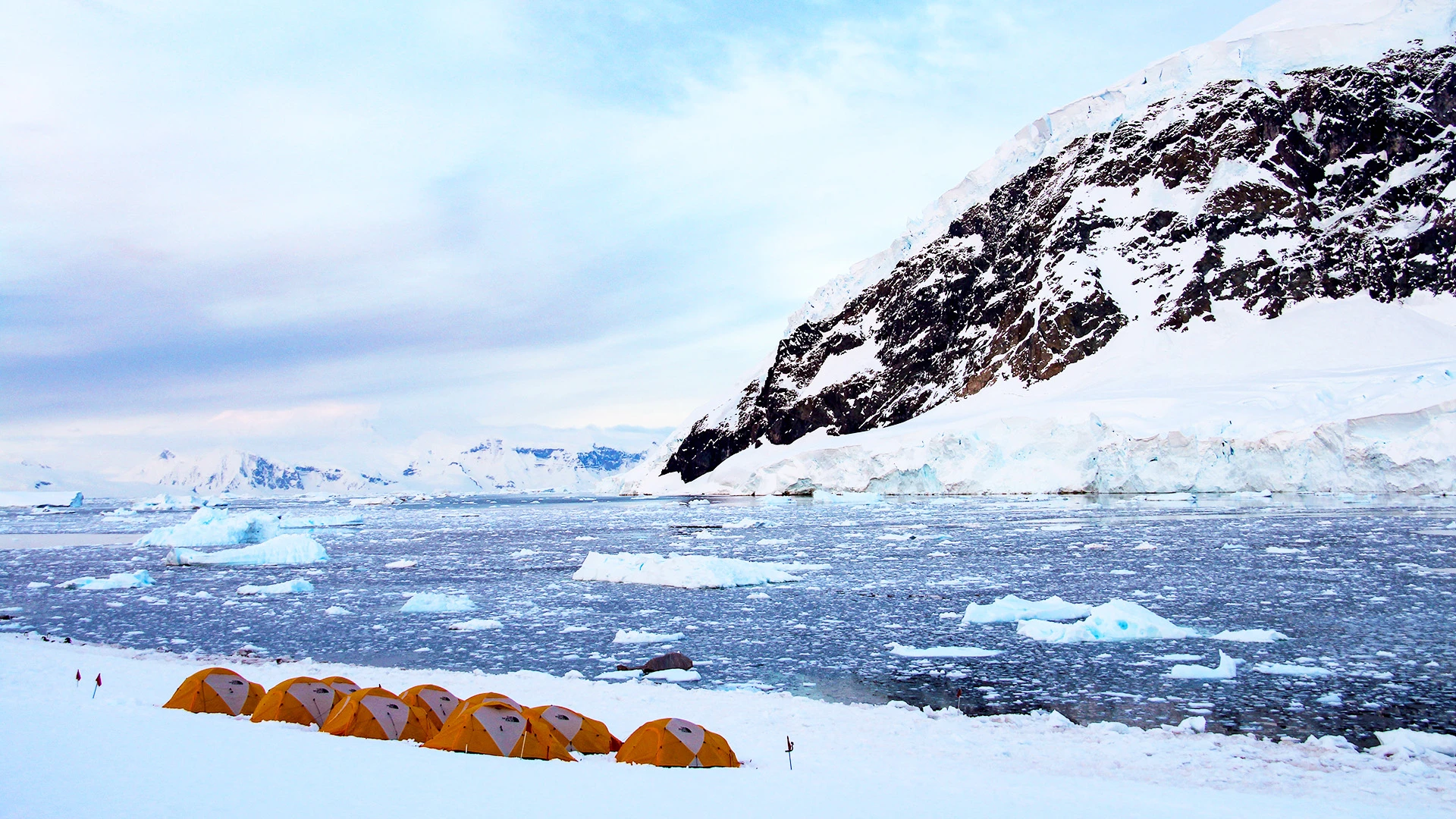
12-night Antarctic cruise from Ushuaia with Zodiac tours, wildlife, glaciers, kayaking, hiking & optional camping.
View details32-34 Nights Nights From £20,000pp
Venture to the remote Ross Sea, encounter rare wildlife, and explore Antarctica’s most untouched, dramatic frontier.
View details14 Nights From £13,280pp
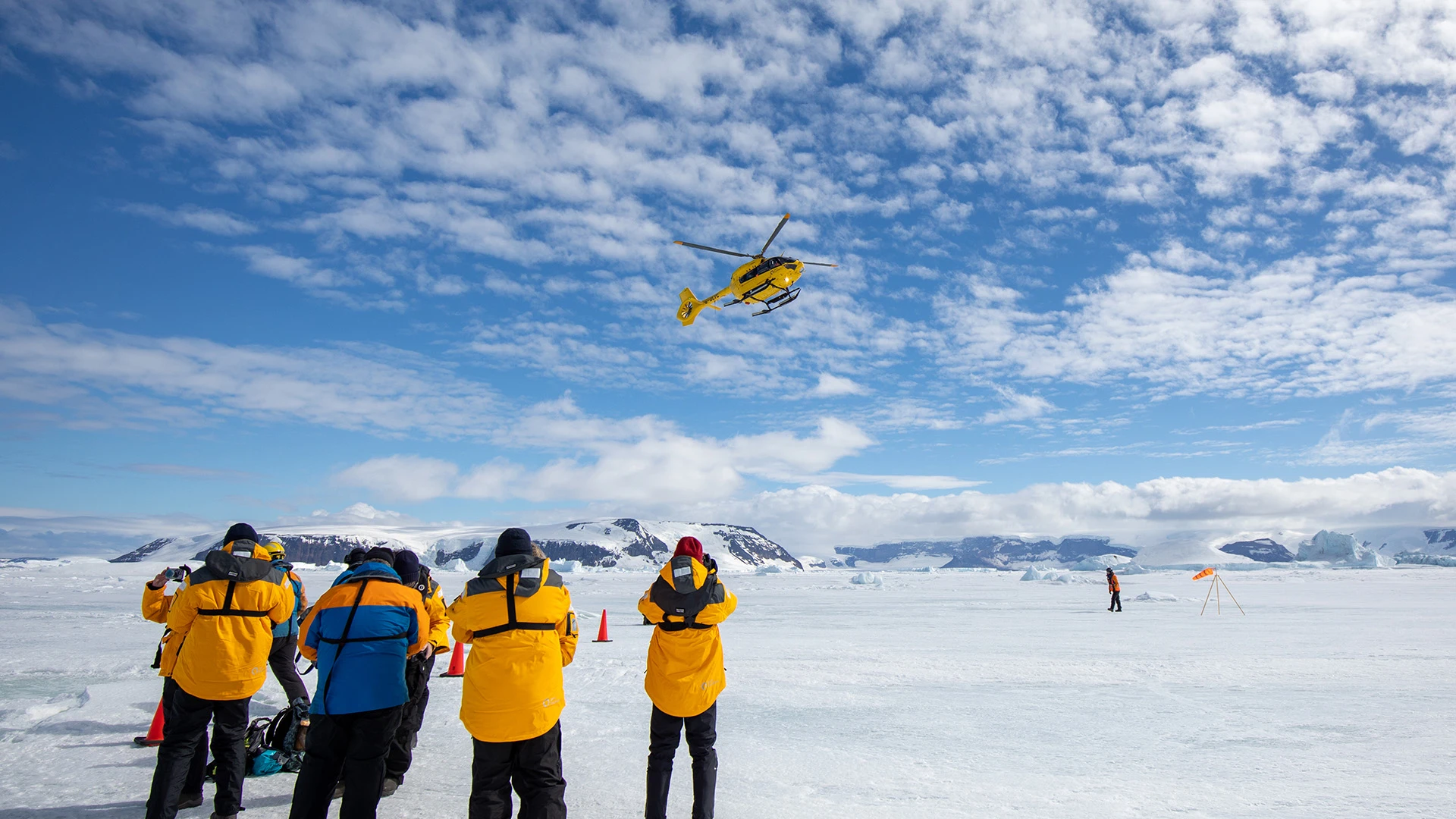
15-day Antarctic adventure on Ultramarine with helicopter tours, Zodiac cruises, wildlife, glaciers, and expert-led excursions.
View details10 Nights From £7,650pp
Discover the Antarctic Peninsula's towering icebergs, abundant wildlife and spectacular frozen landscapes.
View details33 Nights From £19,500pp
Experience Antarctica's wild beauty, from towering icebergs to the remote shores of the Ross Sea.
View details5 Nights From £4,500pp
Fly across the Drake Passage and maximise your time exploring Antarctica's spectacular icy wilderness.
View details21 Nights From £9,200pp
Discover Antarctica, South Georgia and the Falklands, where epic landscapes and extraordinary wildlife await.
View details11 Nights Nights From £6,750pp
Journey to the remote Sub-Antarctic Islands, discovering rare wildlife, dramatic landscapes, and untamed beauty.
View details24 Nights From £15,730pp
Sail from South America aboard the boutique Ocean Nova, exploring South Georgia, the Falklands and Antarctica.
View details21 Nights From £14,500pp
Sail from Africa to Antarctica in style, discovering remote islands, remarkable wildlife and polar wonders.
View details11 Nights From £16,400pp
Journey to the Antarctic Peninsula in style, where extraordinary wildlife meets world-class comfort.
View details29 Nights From £58,000pp
Experience the ultimate polar crossing, exploring Antarctica and the remote Ross Sea with refined luxury.
View details5 Nights From £13,500pp
Experience the White Continent in style, combining elegant surroundings with immersive polar exploration.
View details20 Nights Nights From £22,500pp
Journey to Antarctica, South Georgia and the Falklands, where luxury meets extraordinary polar exploration.
View details14 Nights Nights From £14,000pp
Experience the Sub-Antarctic Islands in comfort, with rare wildlife encounters, stunning scenery, and refined exploration.
View details12 Nights From £15,150pp
Explore Chilean wine and culture, then fly to Antarctica to see glaciers, wildlife, and the South Shetland Islands.
View details20 Nights From £11,500pp
Journey from Africa to Antarctica, discovering remote islands, rich wildlife and the wonders of the Southern Ocean.
View details10 Nights From £9,650pp
Delve deeper into the Antarctic Peninsula, exploring remote bays, vast glaciers and thriving wildlife colonies.
View details27 Nights From £26,000pp
Embark on a 27-night voyage through Antarctica and the remote Ross Sea, rich in wildlife and polar history.
View details9 Nights From £13,000pp
Discover the true spirit of Antarctica, with immersive exploration, breath-taking scenery and unforgettable encounters.
View details22 Nights From £15,300pp
Experience the ultimate Southern Ocean voyage, exploring Antarctica, South Georgia and the wildlife-rich Falklands.
View details19 Nights From £16,460pp
A world-first Antarctic adventure combining expedition cruising with ultra-exclusive polar yachting for rare access.
View detailsYour message has been submitted successfully.
Ready to start planning? Our specialists are here to help.
Vietnam Weather in February: Regional Climates, Ideal Seasons & Travel Advice Pack a jacket for Hanoi and sunscreen for Ho...
Read nowA single small island holds all of this: the world's densest population of leopards, herds of wild elephants numbering in...
Read nowWhat to pack for wildlife photography holidays: essential kit & field gear Capturing animals in the wild comes down to...
Read nowGuided Safaris in Mikumi National Park: Exploring Tanzania's Southern Wilderness Four and a half hours west of Dar es Salaam,...
Read nowWhere to travel in December: The best global destinations for winter expeditions December carries a unique energy for global exploration....
Read nowThe most extraordinary remote destinations to visit across the Pacific region Ask us for the top destinations in the Pacific,...
Read nowVietnam Weather in February: Regional Climates, Ideal Seasons & Travel Advice Pack a jacket for Hanoi and sunscreen for Ho...
Read nowA single small island holds all of this: the world's densest population of leopards, herds of wild elephants numbering in...
Read nowWhat to pack for wildlife photography holidays: essential kit & field gear Capturing animals in the wild comes down to...
Read nowGuided Safaris in Mikumi National Park: Exploring Tanzania's Southern Wilderness Four and a half hours west of Dar es Salaam,...
Read nowWhere to travel in December: The best global destinations for winter expeditions December carries a unique energy for global exploration....
Read nowThe most extraordinary remote destinations to visit across the Pacific region Ask us for the top destinations in the Pacific,...
Read now