
Wildlife in Antarctica
An expert field guide to Antarctica’s remarkable wildlife The first thing you notice at an Antarctic landing is the noise....
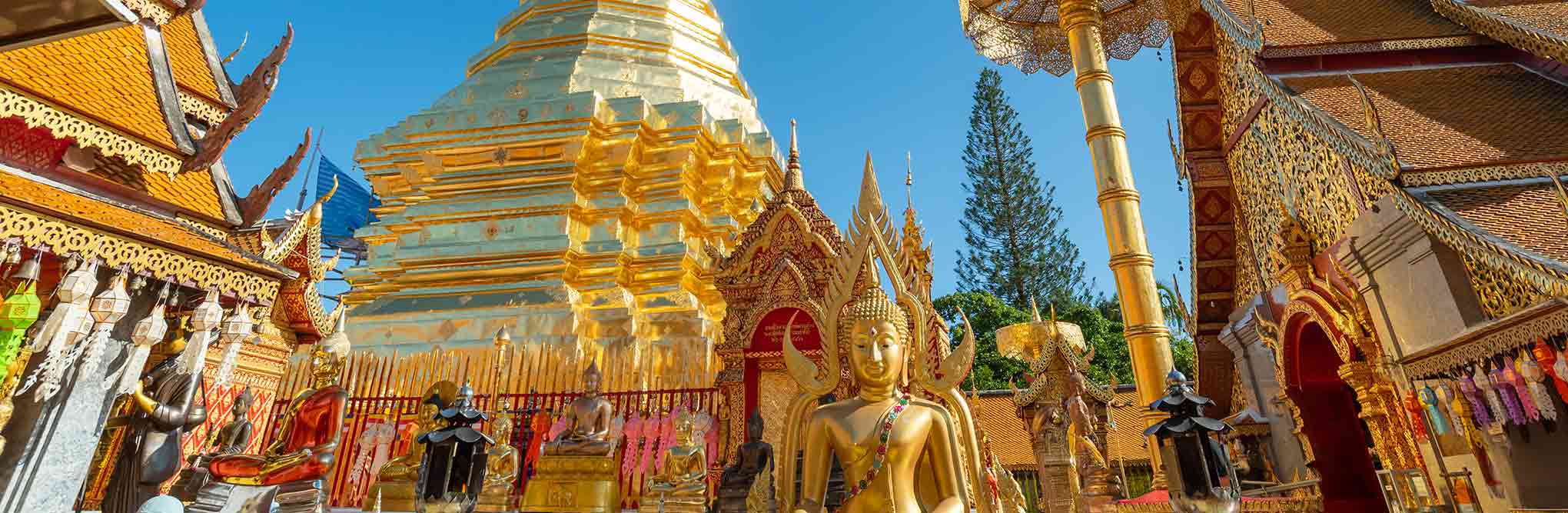
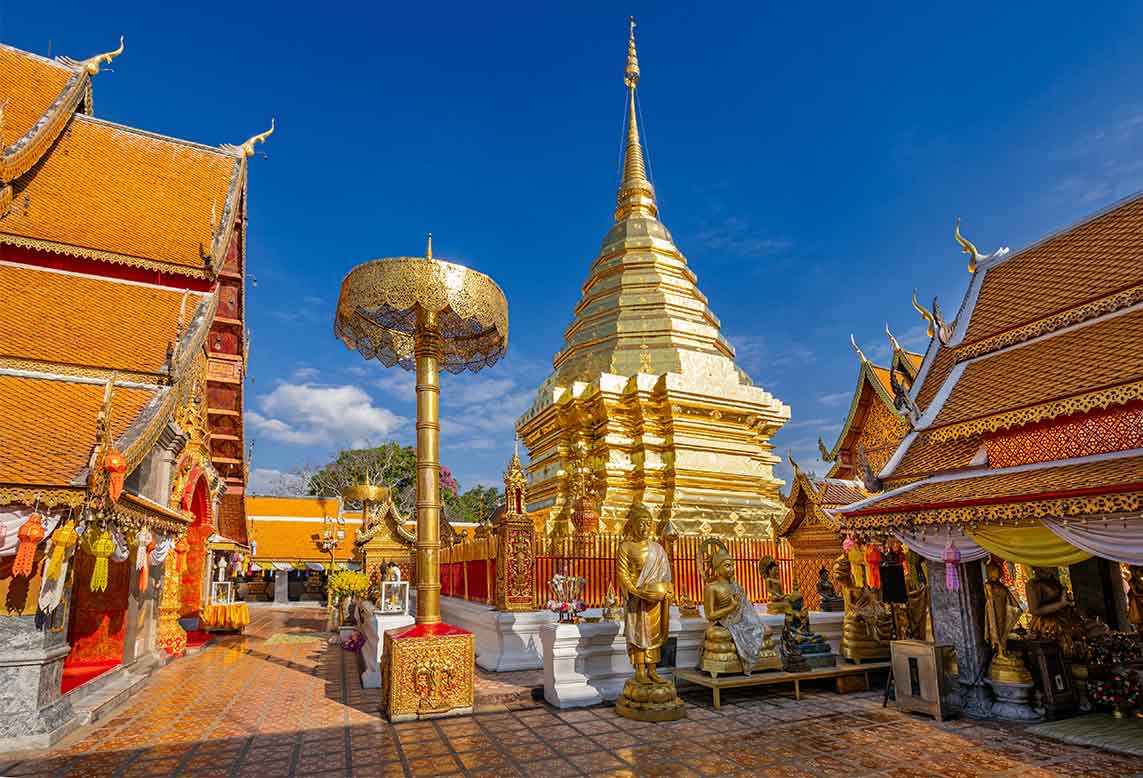
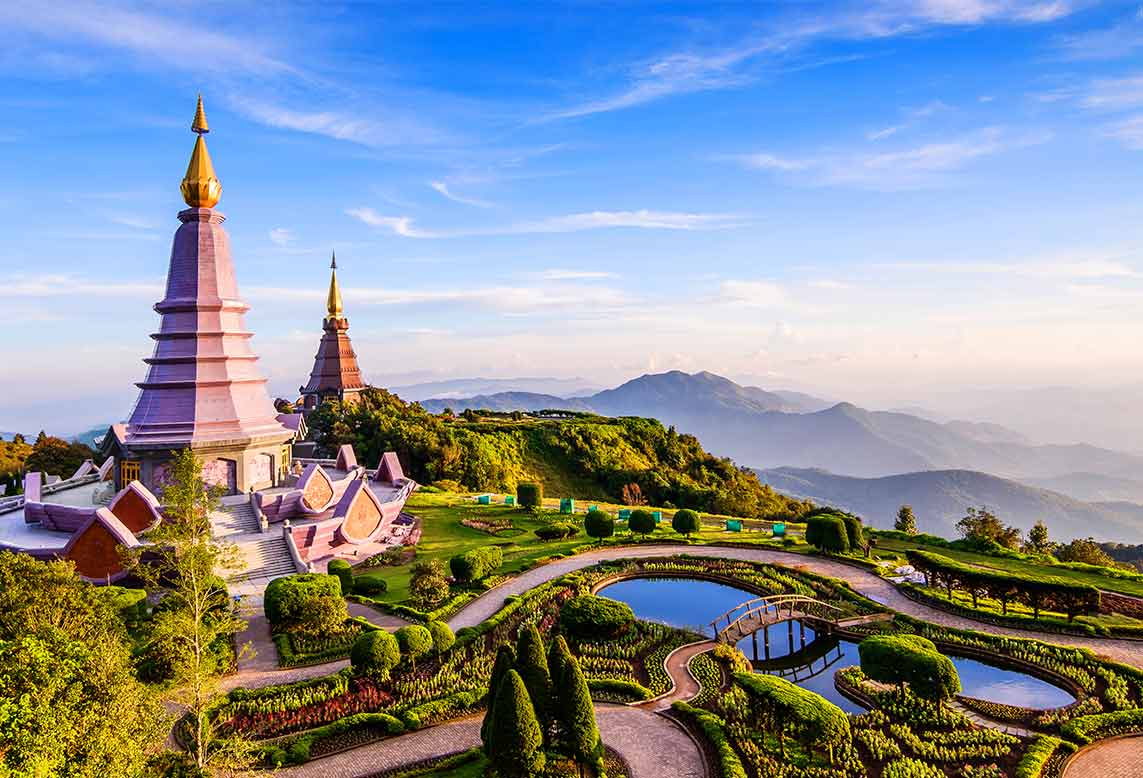
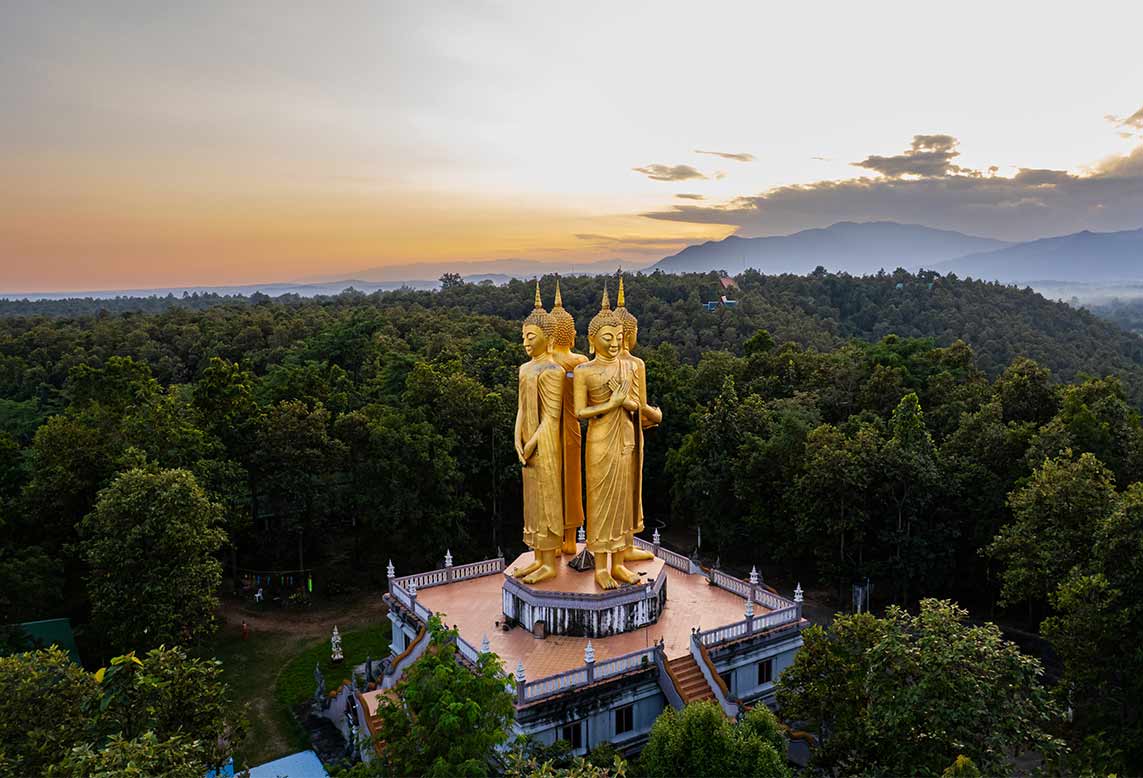
Read nowTucked into the misty mountains of Northern Thailand, Chiang Mai feels worlds away from the energetic pace of Bangkok. Established in the late 13th century as the capital of the Lanna Kingdom, this city remains the cultural centre of the north. Here, centuries-old moat walls encircle quiet yet atmospheric streets, golden temple roofs glisten through the trees, and the surrounding forested hills offer a gateway to remote mountain communities and ethical wildlife sanctuaries.
For travellers seeking depth and immersion, Northern Thailand offers a perfect balance of heritage, wilderness, and warm hospitality. Here is our practical guide to exploring Chiang Mai, from its beautiful culture to the mountain trails beyond.
Framed by old brick walls and canals, the Old City is an easy square mile to explore on foot. The best way to experience it is during the cooler morning hours, moving between quiet temple courtyards where monks chant and incense lingers in the warm air.
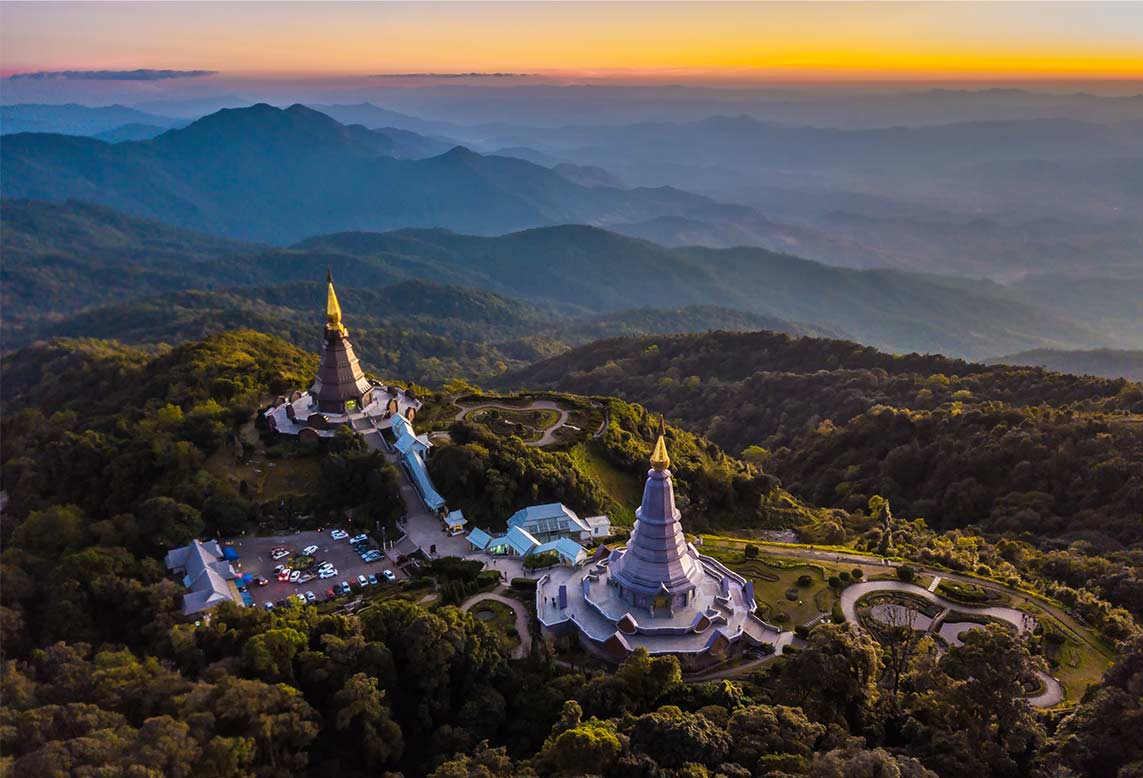
Beyond the city walls, the landscape rises sharply into forested national parks and mountain peaks. The high-altitude wilderness surrounding Chiang Mai offers cooler temperatures, hidden waterfalls, and exceptional birdlife.
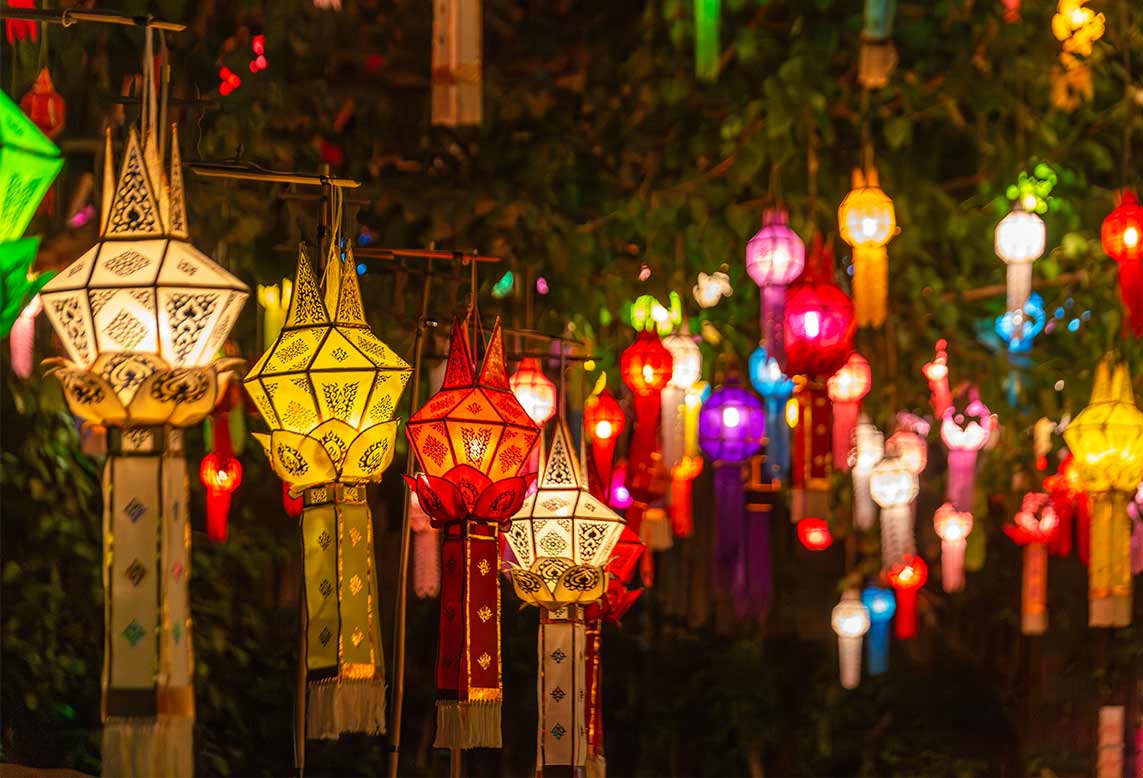
Chiang Mai’s identity is defined by its distinct Lanna heritage, a regional identity seen in its traditional crafts, night markets, and unique culinary style.
Whether Chiang Mai serves as the starting point for a deep dive into Lanna culture or a quiet mountain retreat before flying south to remote tropical islands, thoughtful logistics ensure a seamless journey.
At Exclusive Expeditions, we take care of every detail, from securing expert local cultural guides and private mountain transfers to arranging stays at boutique riverside estates and private heritage villas.
Contact our team today to start shaping your Thailand or Southeast Asian itinerary.
To see how we connect Northern Thailand with Southeast Asia, view our crafted itinerary combining Bangkok, Bali and beyond. If you are planning a broader journey across the continent, explore our full portfolio of Asia destinations to combine cultural exploration with island archipelagos.
If you are planning to escape the winter chill of the UK, read our guide on where to travel in December for expert seasonal timing.
Every journey we offer is handpicked by our specialists. These are the ones we recommend the most.
16 Nights From £5,850pp
Explore Vietnam, Cambodia, Bangkok and more on this 16-night cruise & land experience in Southeast Asia.
View detailsYour message has been submitted successfully.
Ready to start planning? Our specialists are here to help.
An expert field guide to Antarctica’s remarkable wildlife The first thing you notice at an Antarctic landing is the noise....
Read nowVietnam Weather in February: Regional Climates, Ideal Seasons & Travel Advice Pack a jacket for Hanoi and sunscreen for Ho...
Read nowA single small island holds all of this: the world's densest population of leopards, herds of wild elephants numbering in...
Read nowWhat to pack for wildlife photography holidays: essential kit & field gear Capturing animals in the wild comes down to...
Read nowGuided Safaris in Mikumi National Park: Exploring Tanzania's Southern Wilderness Four and a half hours west of Dar es Salaam,...
Read nowWhere to travel in December: The best global destinations for winter expeditions December carries a unique energy for global exploration....
Read nowAn expert field guide to Antarctica’s remarkable wildlife The first thing you notice at an Antarctic landing is the noise....
Read nowVietnam Weather in February: Regional Climates, Ideal Seasons & Travel Advice Pack a jacket for Hanoi and sunscreen for Ho...
Read nowA single small island holds all of this: the world's densest population of leopards, herds of wild elephants numbering in...
Read nowWhat to pack for wildlife photography holidays: essential kit & field gear Capturing animals in the wild comes down to...
Read nowGuided Safaris in Mikumi National Park: Exploring Tanzania's Southern Wilderness Four and a half hours west of Dar es Salaam,...
Read nowWhere to travel in December: The best global destinations for winter expeditions December carries a unique energy for global exploration....
Read now