Chiang Mai city guide temples mountains lanna culture
Chiang Mai city guide: Ancient temples, mountain sanctuaries & Lanna culture Tucked into the misty mountains of Northern Thailand, Chiang...
Read nowThe first thing you notice at an Antarctic landing is the noise. Thousands of penguins squabble, call and waddle along well-worn highways in the snow. A leopard seal glides past the shore, and a humpback blows beyond the Zodiac. Nothing prepares you for how close it all feels.
At Exclusive Expeditions, we treat wildlife as the heart of every voyage to Antarctica. Few places on Earth hold so many animals in such an untouched setting. So what can you expect to see? We asked Nikki, one of our specialists who has sailed there herself.
Her list was long: penguins, seals, birds, humpback whales, orcas and dolphins. Here is our field guide to each one, with Nikki’s own highlights along the way.
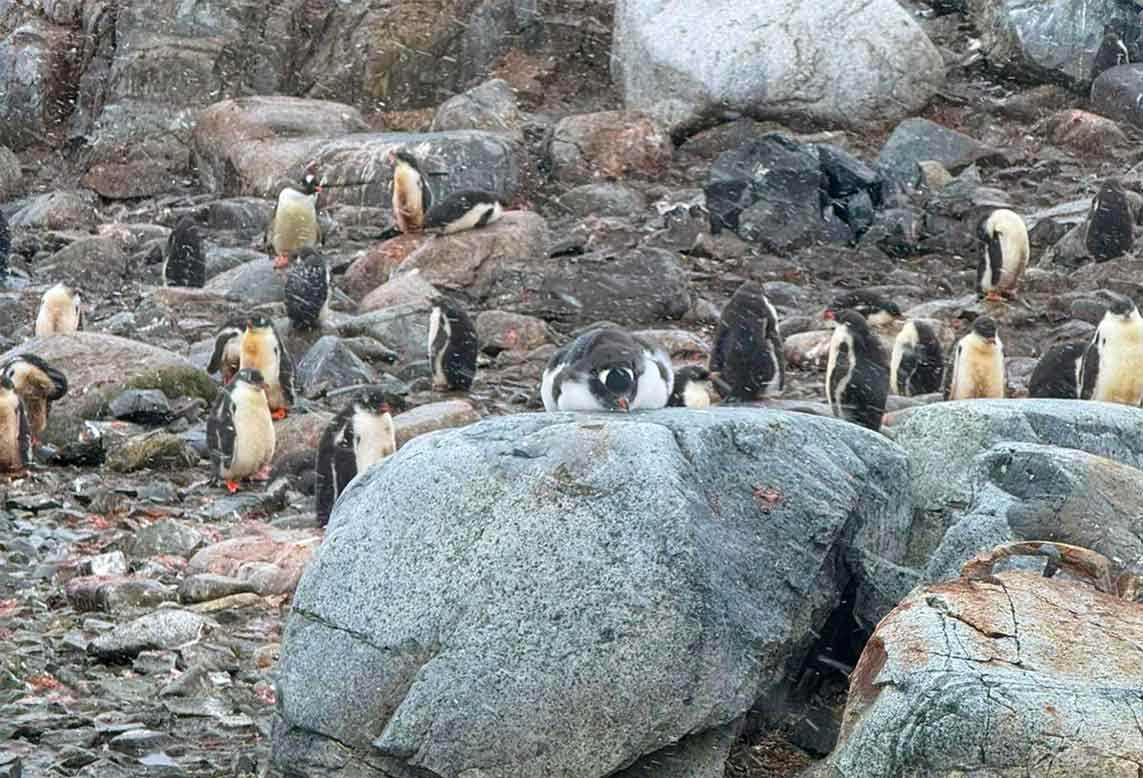
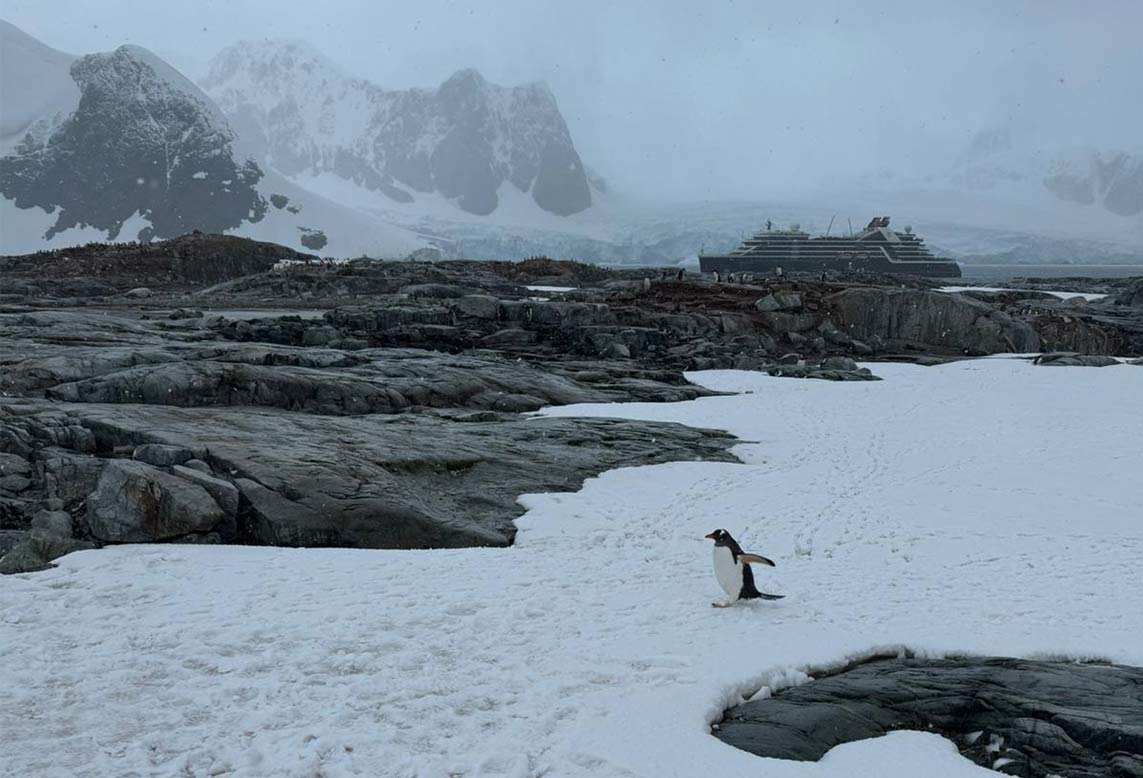
Penguins steal the show, and it is easy to see why. They have little fear of people, so they will often waddle up to you if you stand still. Several species share the coast, and each one has its own character.
– Gentoo penguins: Look for the bright orange bill and feet. Gentoos nest in busy colonies along the Antarctic Peninsula, and they trek in lines across the snow.
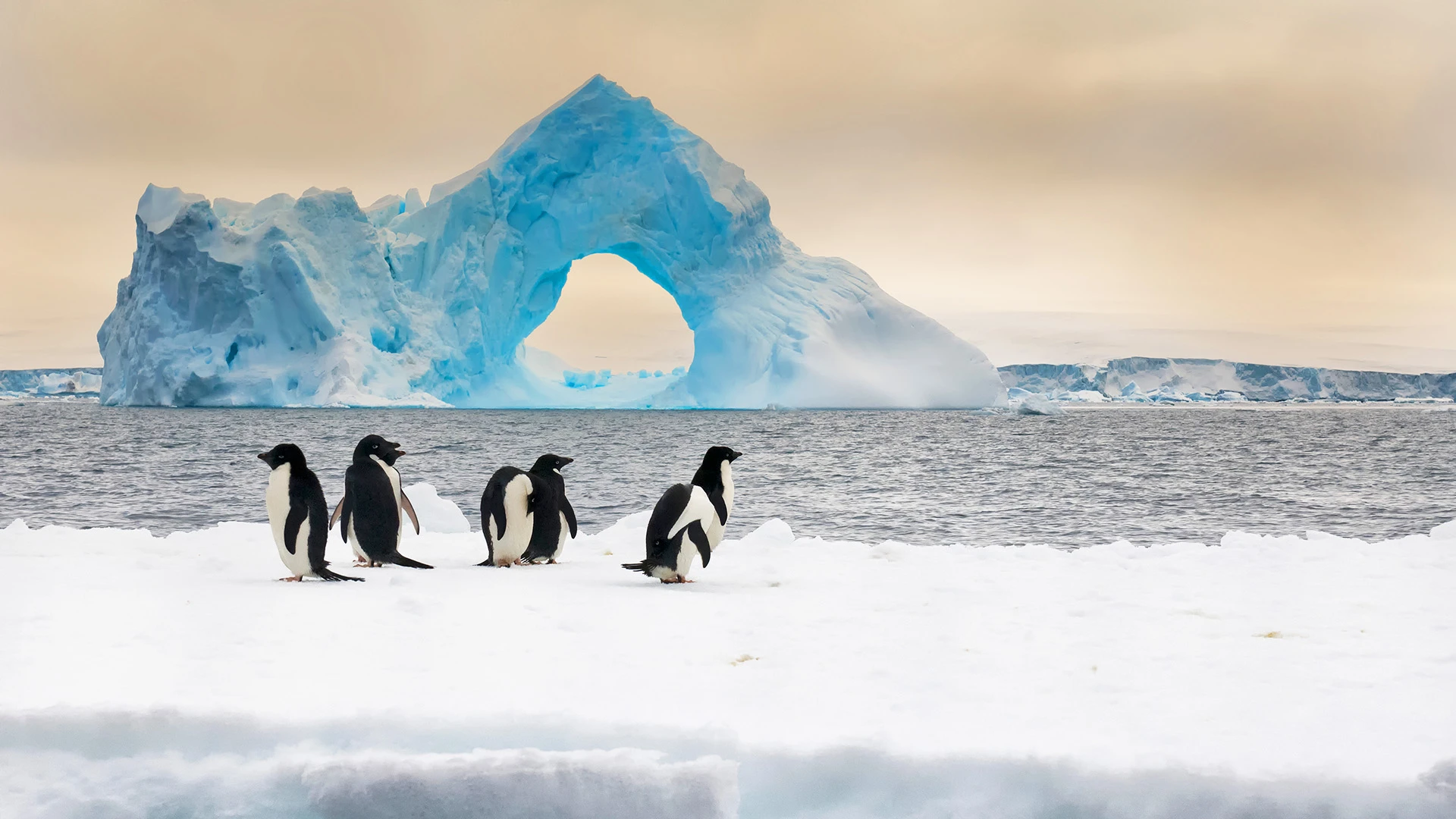
– Adélie penguins: Small, black and white, with beady eyes. They toboggan across the ice on their bellies, which is a joy to watch.
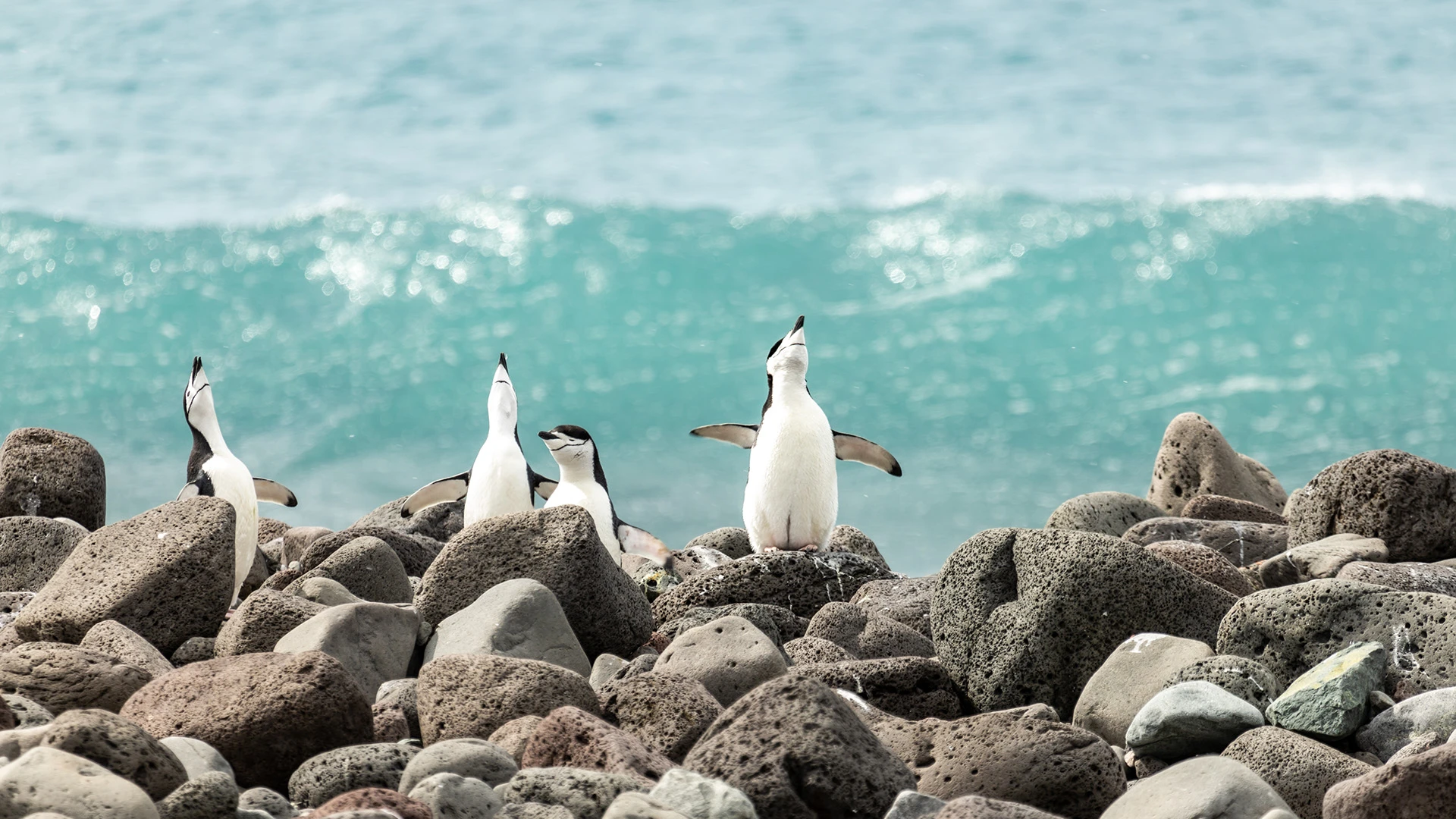
– Chinstrap penguins: A thin black band under the head gives them away. They nest on rocky slopes and are famously feisty.
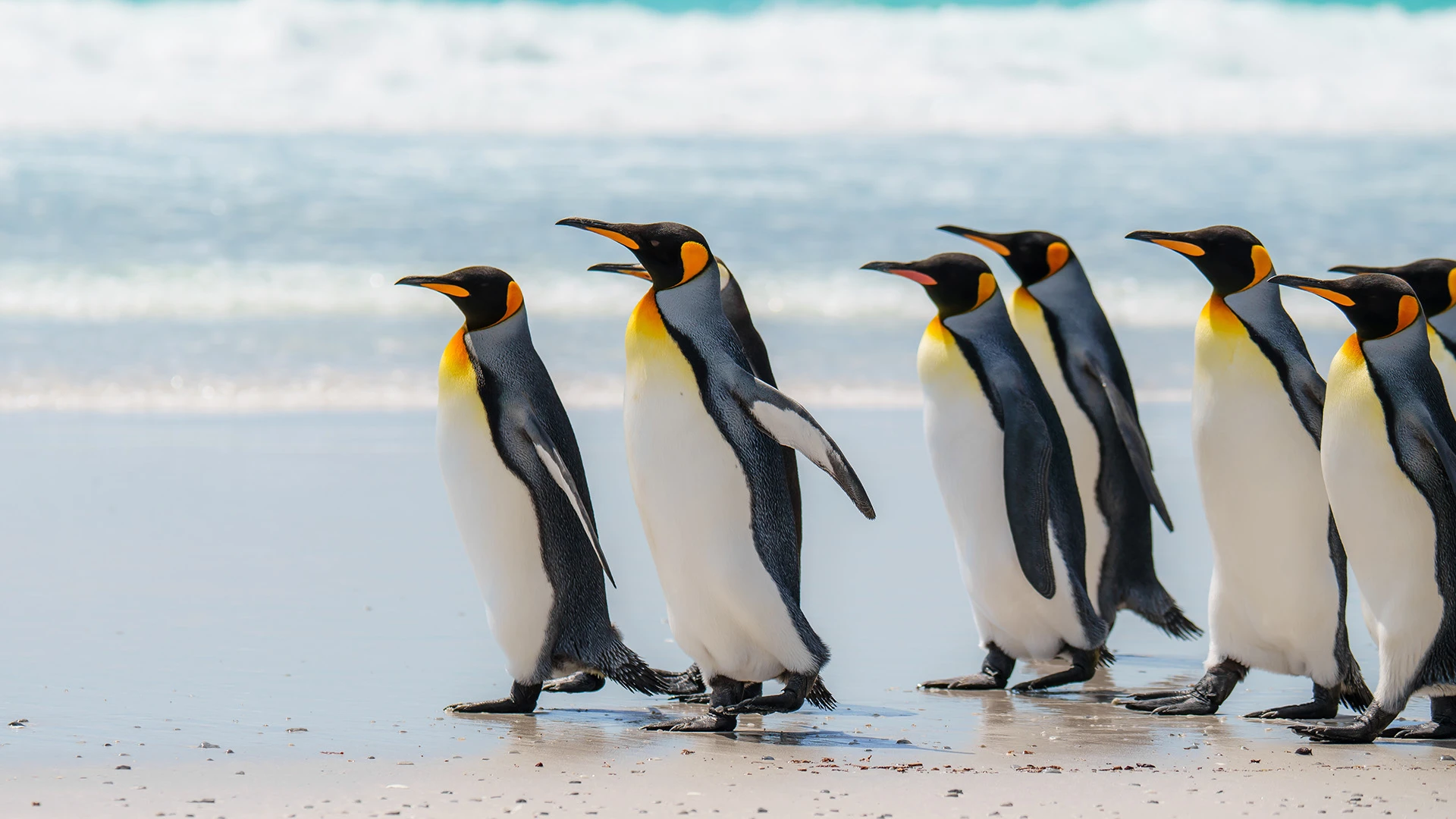
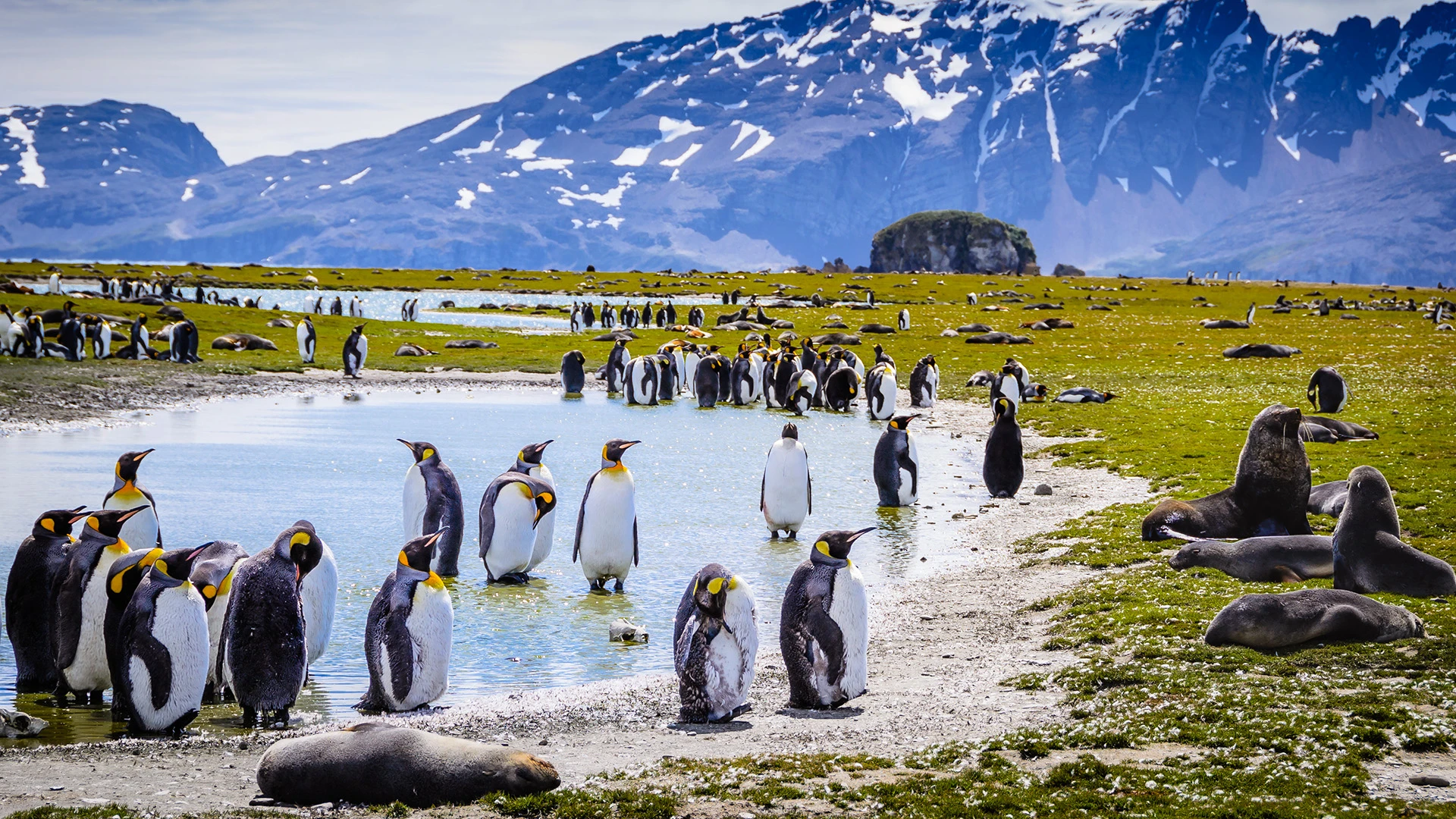
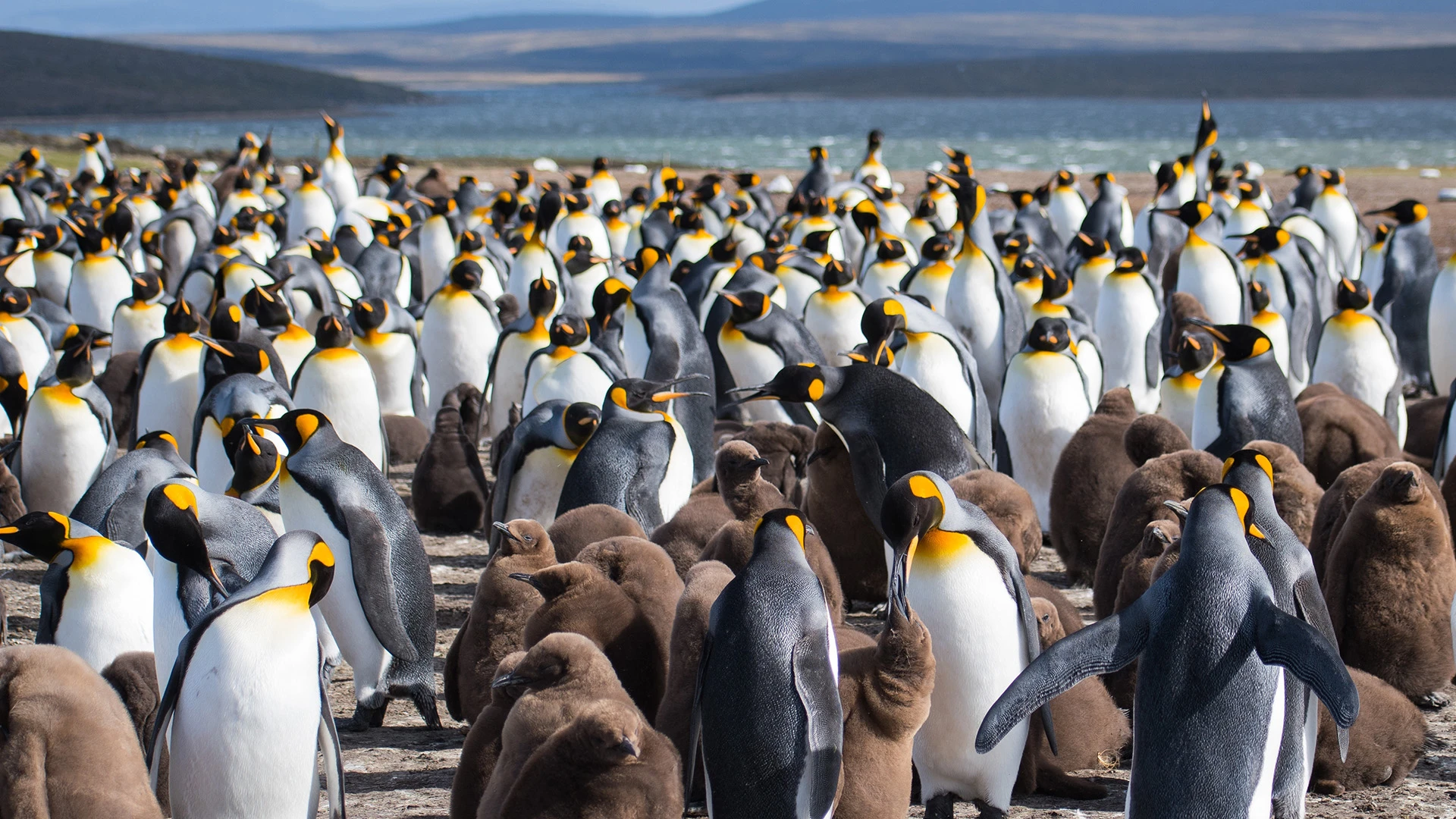
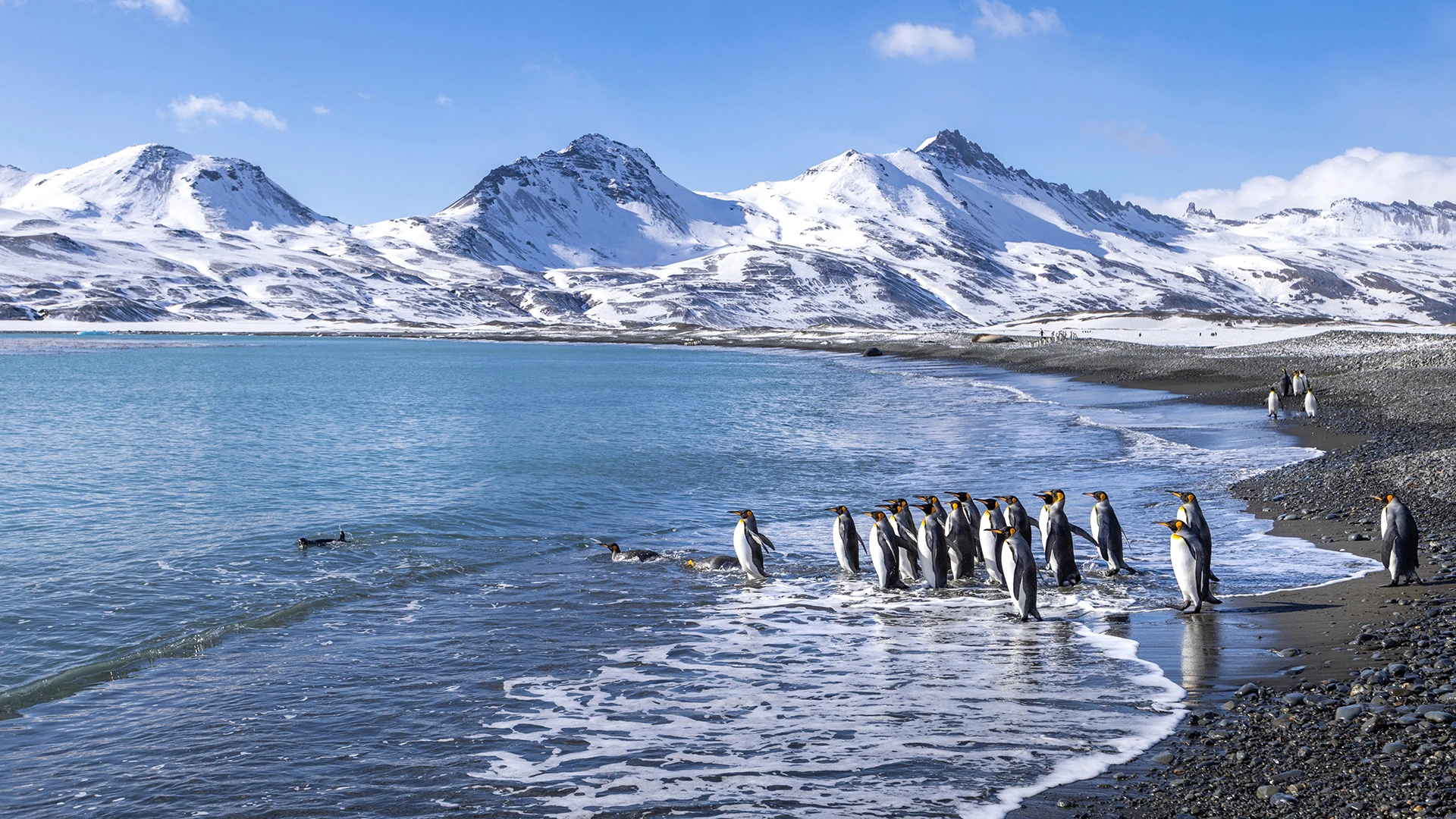
– King penguins: South Georgia is their stronghold, where hundreds of thousands gather. Look for the golden-orange glow at the throat.
– Emperor penguins: These are the hardest to find. In the Weddell Sea, private helicopter excursions can take you to see them.
Our specialist Nikki has no doubt about the star of the show. “My favourite were the penguins,” she says.
The sea is just as busy as the shore. Krill-rich water draws whales to feed in large numbers, so you can spot them from the deck as well as from a Zodiac. Sightings are never guaranteed, but your chances rise in late summer.
– Humpback whales: These are the showmen. They dive, slap their tails and sometimes feed together in bubble nets. Nikki saw humpbacks on her voyage too.
– Minke whales: Smaller than humpbacks, minkes often surface among the ice.
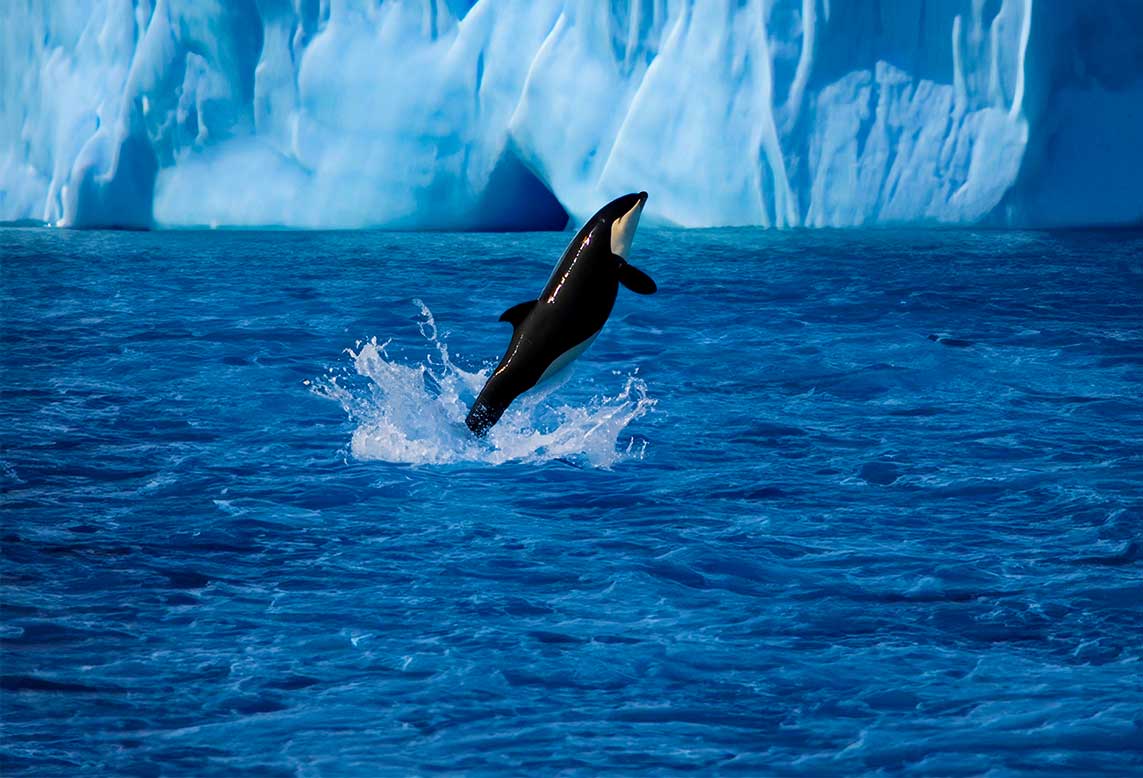
– Orcas: Orcas hunt in family pods and patrol the icy waters. Nikki spotted a whole family while out at sea. “It was amazing to see a family of orcas,” she says. The moment felt out of this world, because so few people ever experience anything like it.
– Blue and fin whales: Rarer treats, but they also feed in these nutrient-rich seas.
Dolphins add to the show, and Nikki saw them too. They sometimes race the ship across the Drake Passage. Want the full month-by-month picture? Read our guide to Antarctica whale watching.
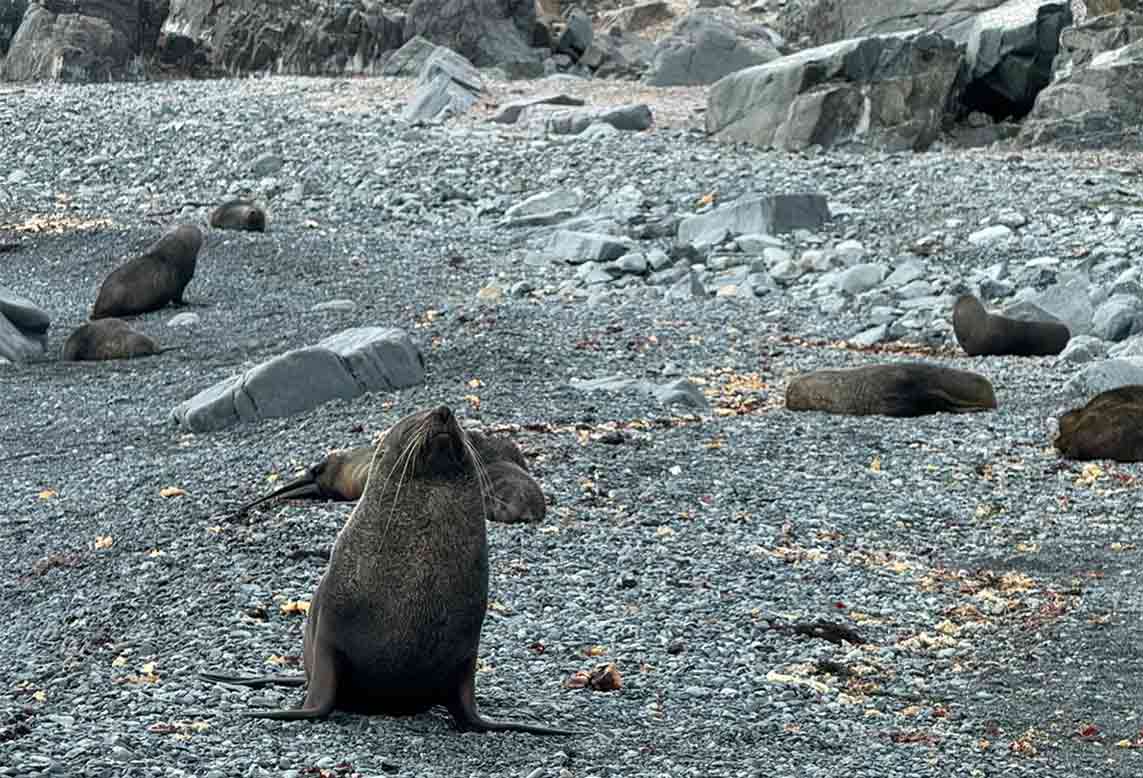
Look beyond the penguins and you will find plenty more. Seals haul out on ice floes and beaches, while seabirds wheel overhead.
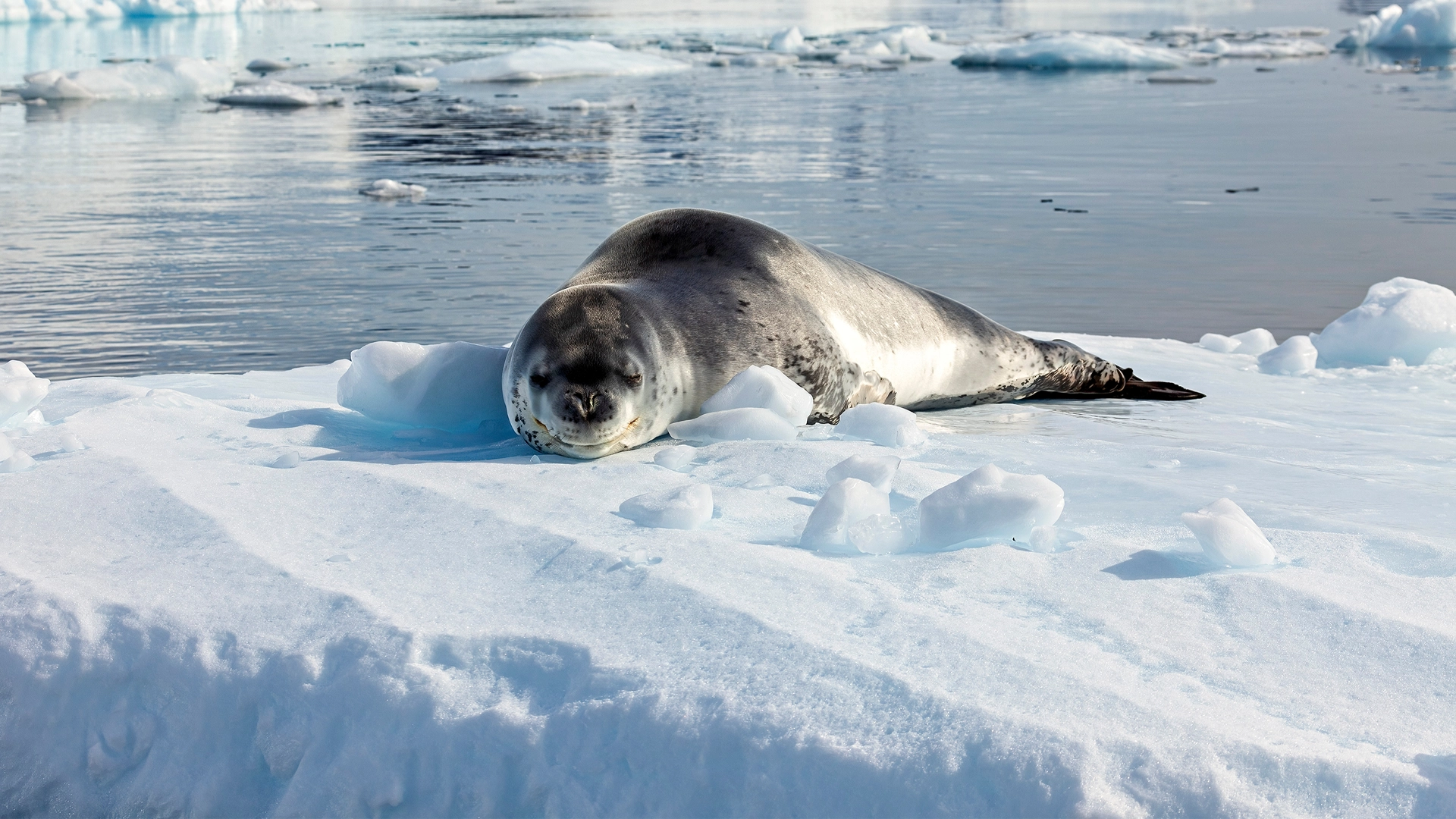
– Leopard seals: Solitary, powerful and fast. They patrol the shoreline hunting penguins, which makes them thrilling to watch from the Zodiac.
– Weddell seals: These plump seals often doze on the ice, so they are easy to spot from a landing.
– Elephant seals: South Georgia is the place to see them. Huge males guard their harems, while young males play-fight on the beach.
– Seabirds: Wandering albatrosses sometimes follow the ship across the Drake Passage, with wingspans of more than three metres. Skuas and snowy sheathbills patrol the penguin colonies.
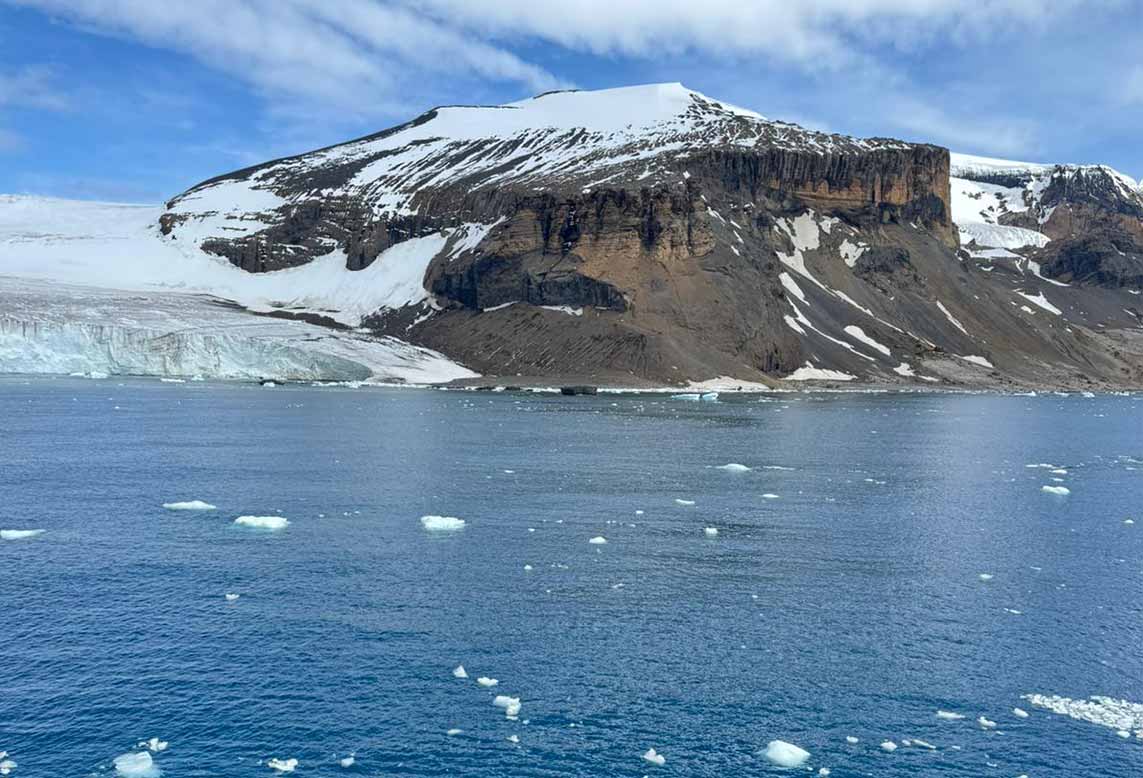
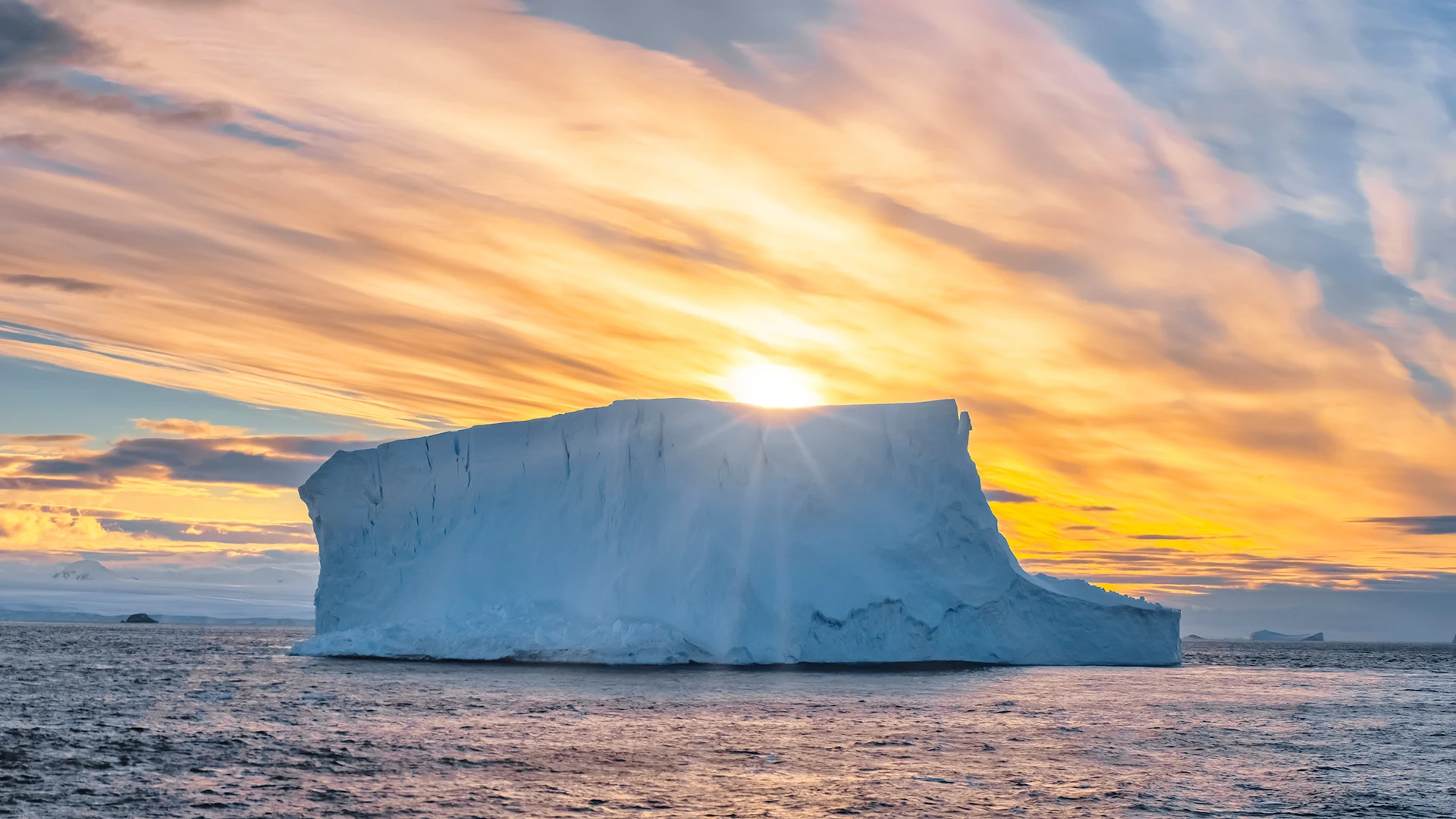
Antarctica opens to visitors from November to March, and the month you choose shapes what you see. Ice and darkness close the continent for the rest of the year.
– November: The pack ice breaks up and the landscape looks pristine. Penguins begin nesting and courtship displays.
– December to January: Chicks hatch and the rookeries buzz. You also get nearly 24 hours of daylight and the year’s warmest temperatures.
– February to March: This is the best time for whales, with humpbacks, minkes and orcas at their most active. Penguin chicks fledge and head to sea.
For a full checklist before you book, read our guide on how to plan an Antarctica adventure.
In Antarctica, the animals always have the right of way. Strict guidelines protect them, and your expedition team will explain them before you land. The key guideline is to stay at least five metres from penguins and seals. That distance includes your camera lens.
However, penguins are curious. If one closes the gap itself, stand still and enjoy the moment.
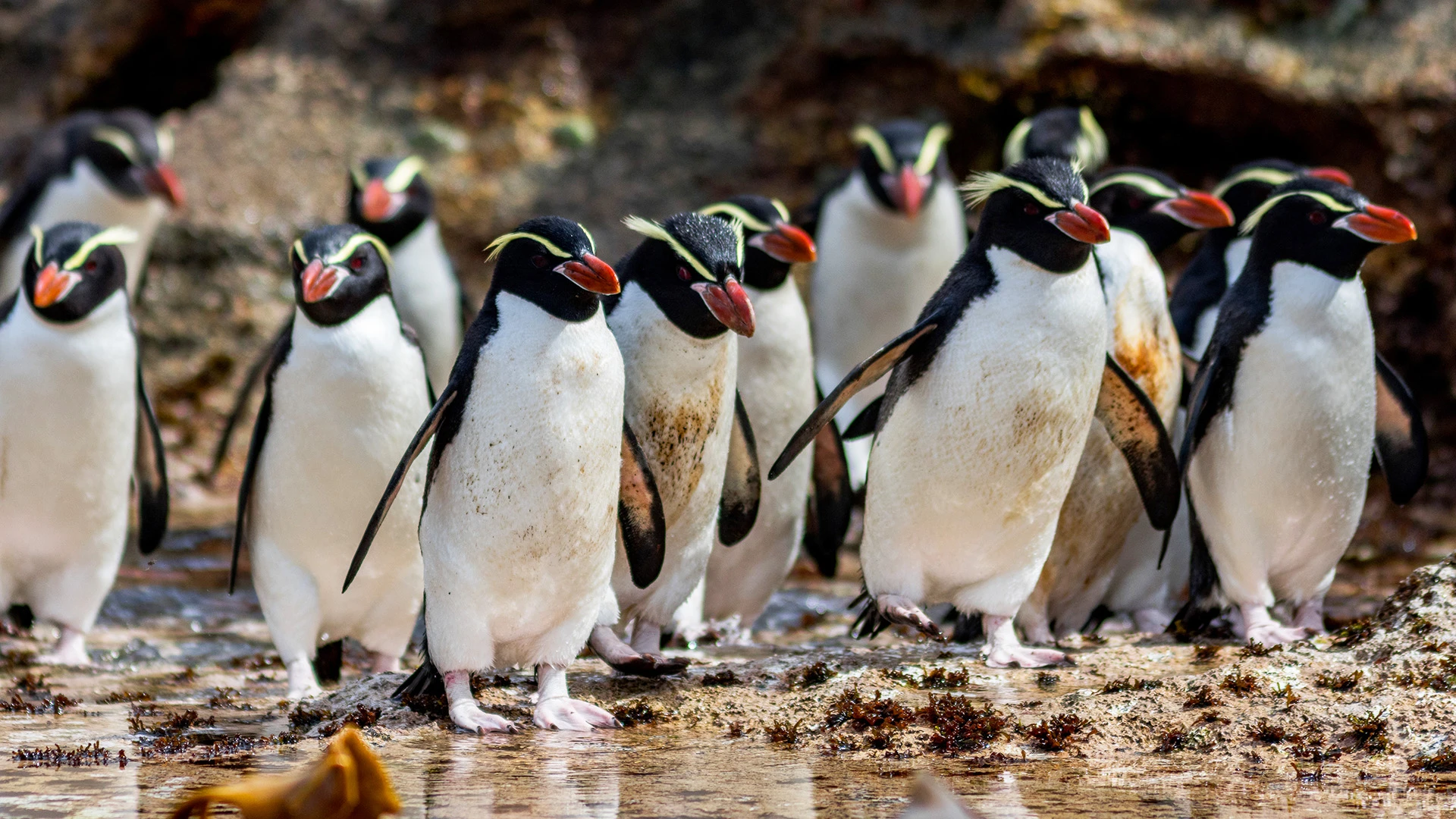
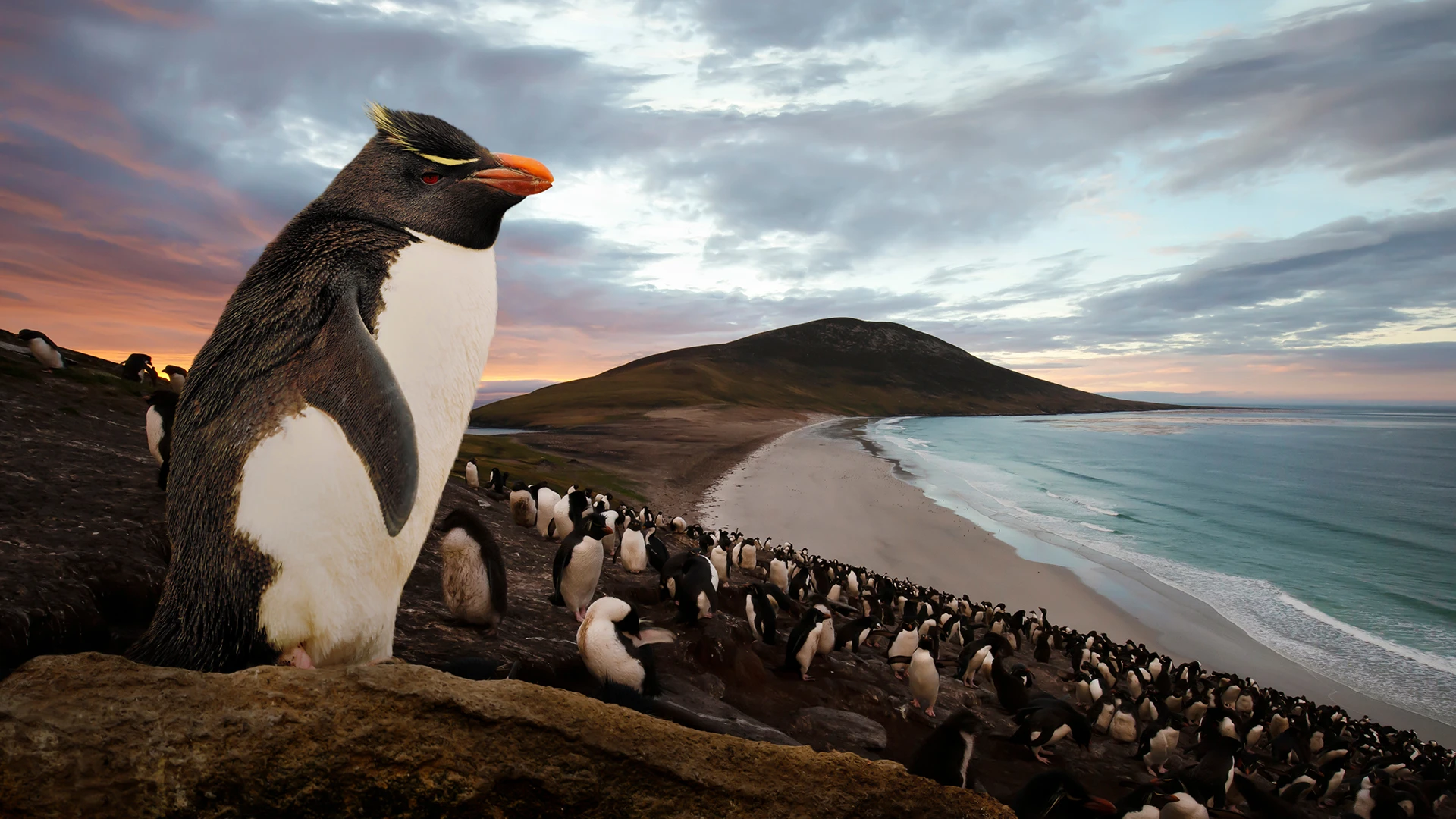
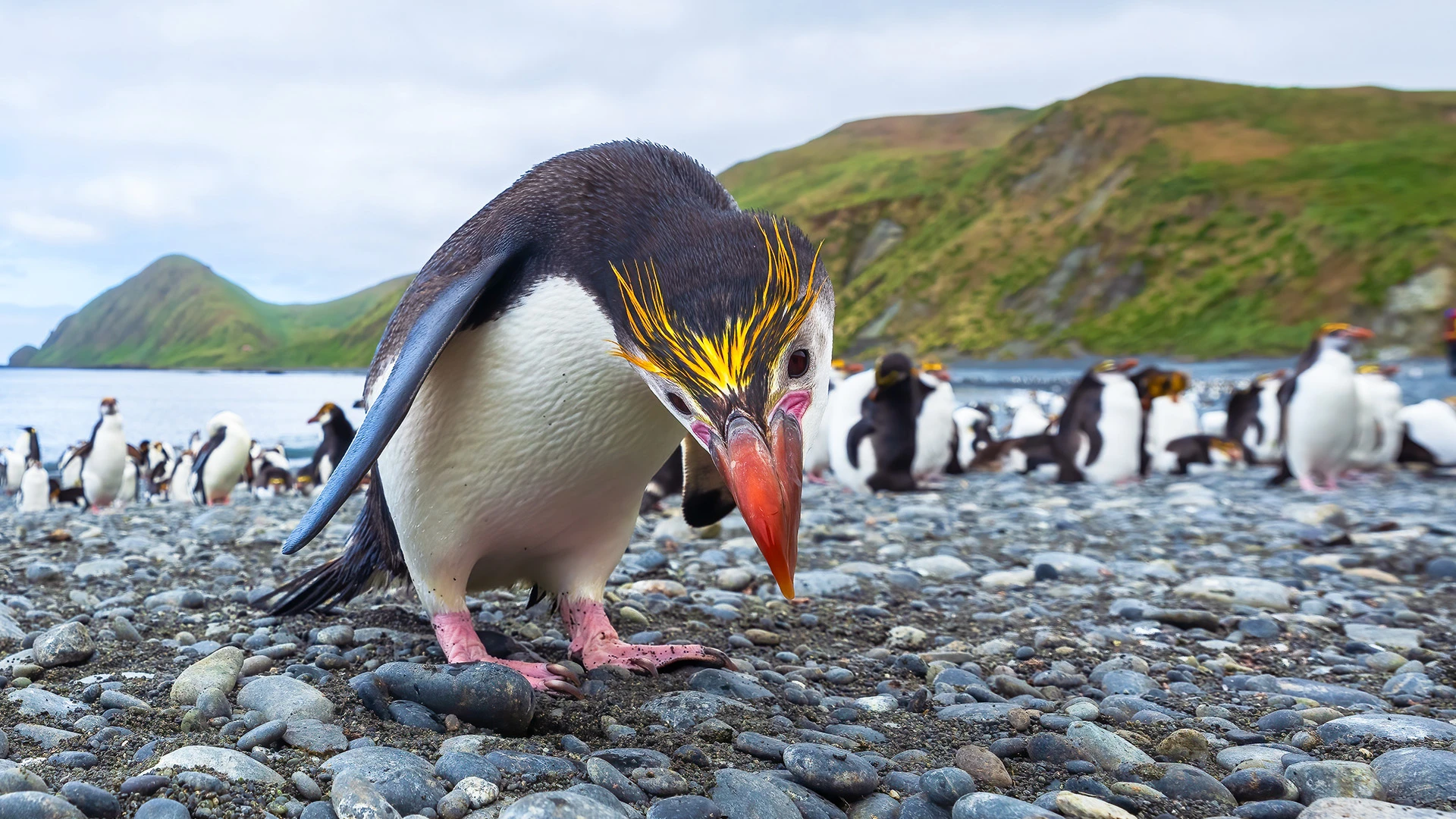
Nikki’s voyage shows how much one trip can deliver. Different routes reveal different animals, though. Our Luxury Africa to Antarctica Expedition and True Africa to Antarctica Expedition both call at Tristan da Cunha and South Georgia before they reach the Antarctic Peninsula. Along the way, you can see rockhopper penguins, king penguins, elephant seals and albatrosses.
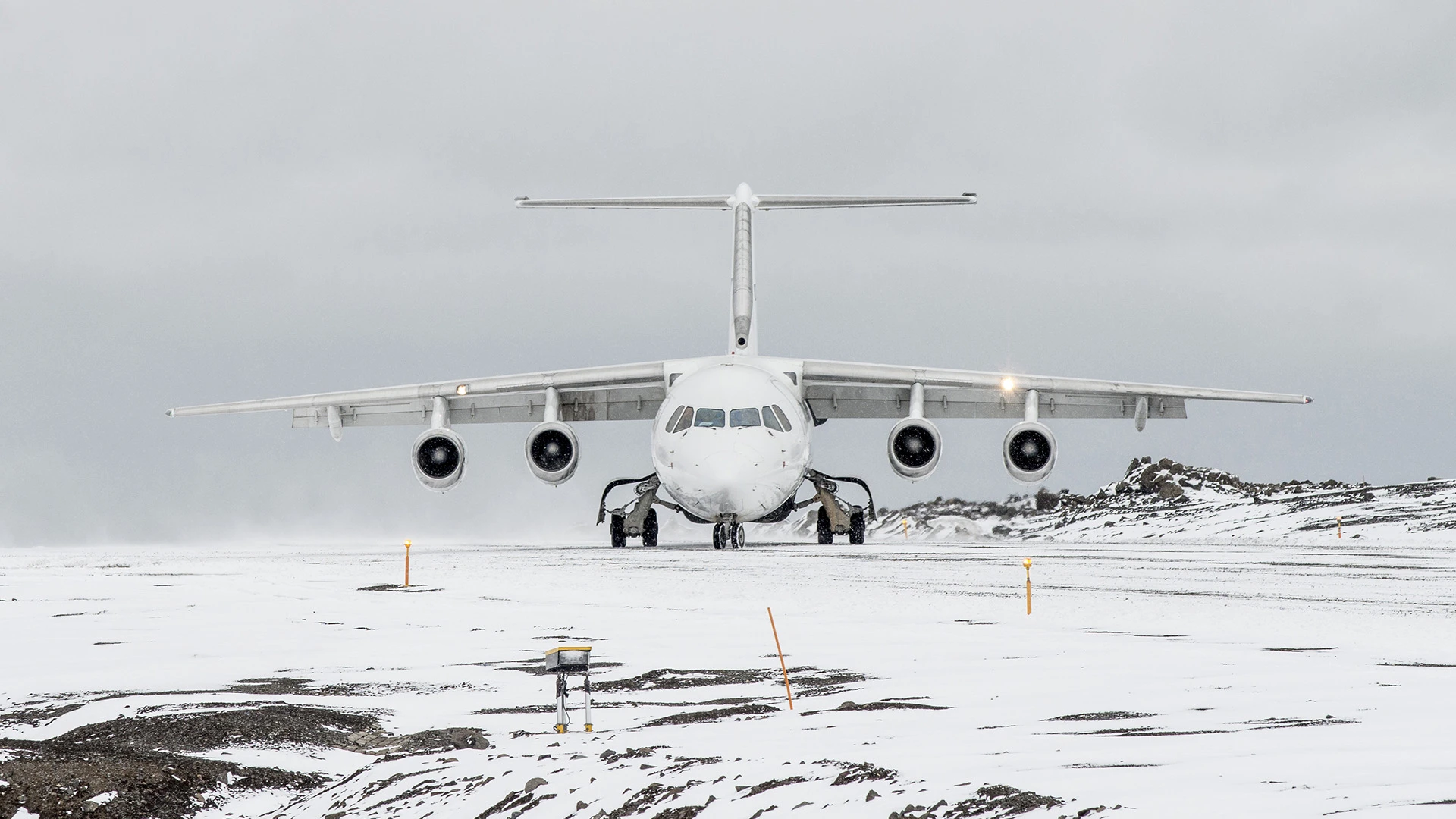
If you want the deep south, join our Classic Antarctica & Ross Sea Expedition. The Ross Sea holds Antarctica’s largest Adélie colony, and the voyage also offers a chance to see emperor penguins, orcas and Weddell seals.
At Exclusive Expeditions, we match every route to the animals you most want to see. Browse our featured journeys, which start from £4,500 per person. Or explore Antarctica’s regions and natural wonders to decide where to go.
Contact our team today to start shaping your Antarctica itinerary.
Ready to see the whales up close? Read our guide to Antarctica whale watching for the best months and species. If you are new to whale watching, our first whale watching expedition guide covers what to expect.
If you love wildlife travel, you will also enjoy our guide to the wildlife of the Galápagos Islands, where fearless animals gather in a very different setting.
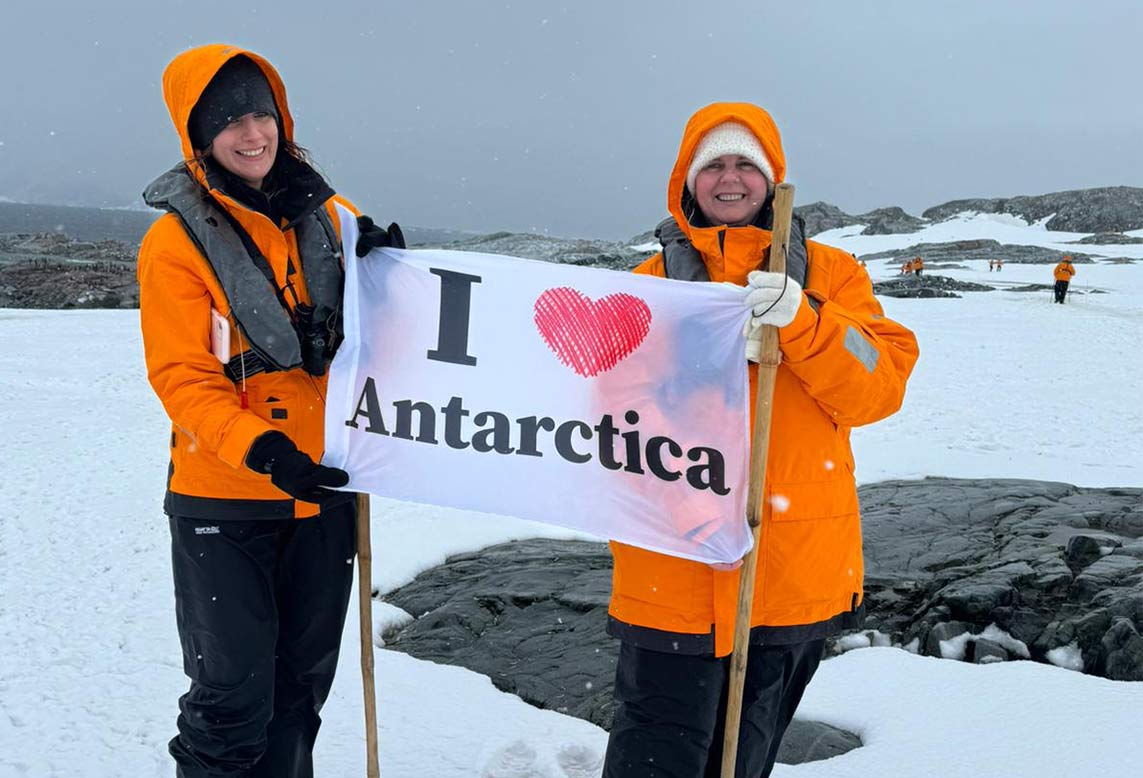
*Image note: all photography in this guide was taken by Nikki during her Antarctica voyage, with the exception of the orca image.*
Our specialists handpick every journey we offer. For this guide, Nikki, who has sailed to Antarctica herself, chose the ones she recommends most.
14 Nights From £10,850pp
Explore Antarctica aboard Ocean Explorer with Quark Expeditions, witnessing glaciers, penguins, whales, and Zodiac or kayaking adventures.
View details9-14 Nights Nights From £8,000pp
Discover the 7th continent with Exclusive Expeditions. Our Antarctic Explorer tours offer bespoke luxury cruises and tailor-made expeditions.
View details16 Nights From £11,380pp
12-night Antarctic cruise from Ushuaia with Zodiac tours, wildlife, glaciers, kayaking, hiking & optional camping.
View details32-34 Nights Nights From £20,000pp
Venture to the remote Ross Sea, encounter rare wildlife, and explore Antarctica’s most untouched, dramatic frontier.
View details14 Nights From £13,280pp
15-day Antarctic adventure on Ultramarine with helicopter tours, Zodiac cruises, wildlife, glaciers, and expert-led excursions.
View details10 Nights From £7,650pp
Discover the Antarctic Peninsula's towering icebergs, abundant wildlife and spectacular frozen landscapes.
View details33 Nights From £19,500pp
Experience Antarctica's wild beauty, from towering icebergs to the remote shores of the Ross Sea.
View details5 Nights From £4,500pp
Fly across the Drake Passage and maximise your time exploring Antarctica's spectacular icy wilderness.
View details21 Nights From £9,200pp
Discover Antarctica, South Georgia and the Falklands, where epic landscapes and extraordinary wildlife await.
View details11 Nights Nights From £6,750pp
Journey to the remote Sub-Antarctic Islands, discovering rare wildlife, dramatic landscapes, and untamed beauty.
View details24 Nights From £15,730pp
Sail from South America aboard the boutique Ocean Nova, exploring South Georgia, the Falklands and Antarctica.
View details21 Nights From £14,500pp
Sail from Africa to Antarctica in style, discovering remote islands, remarkable wildlife and polar wonders.
View details11 Nights From £16,400pp
Journey to the Antarctic Peninsula in style, where extraordinary wildlife meets world-class comfort.
View details29 Nights From £58,000pp
Experience the ultimate polar crossing, exploring Antarctica and the remote Ross Sea with refined luxury.
View details5 Nights From £13,500pp
Experience the White Continent in style, combining elegant surroundings with immersive polar exploration.
View details20 Nights Nights From £22,500pp
Journey to Antarctica, South Georgia and the Falklands, where luxury meets extraordinary polar exploration.
View details14 Nights Nights From £14,000pp
Experience the Sub-Antarctic Islands in comfort, with rare wildlife encounters, stunning scenery, and refined exploration.
View details20 Nights From £11,500pp
Journey from Africa to Antarctica, discovering remote islands, rich wildlife and the wonders of the Southern Ocean.
View details12 Nights From £15,150pp
Explore Chilean wine and culture, then fly to Antarctica to see glaciers, wildlife, and the South Shetland Islands.
View details10 Nights From £9,650pp
Delve deeper into the Antarctic Peninsula, exploring remote bays, vast glaciers and thriving wildlife colonies.
View detailsReady to start planning? Our specialists are here to help.
Lorem ipsum dolor sit amet, consectetur adipiscing elit, sed do eiusmod tempor incididunt ut labore et dolore magna aliqua. Ut enim ad minim veniam, quis
Chiang Mai city guide: Ancient temples, mountain sanctuaries & Lanna culture Tucked into the misty mountains of Northern Thailand, Chiang...
Read nowVietnam Weather in February: Regional Climates, Ideal Seasons & Travel Advice Pack a jacket for Hanoi and sunscreen for Ho...
Read nowA single small island holds all of this: the world's densest population of leopards, herds of wild elephants numbering in...
Read nowWhat to pack for wildlife photography holidays: essential kit & field gear Capturing animals in the wild comes down to...
Read nowGuided Safaris in Mikumi National Park: Exploring Tanzania's Southern Wilderness Four and a half hours west of Dar es Salaam,...
Read nowWhere to travel in December: The best global destinations for winter expeditions December carries a unique energy for global exploration....
Read nowChiang Mai city guide: Ancient temples, mountain sanctuaries & Lanna culture Tucked into the misty mountains of Northern Thailand, Chiang...
Read nowVietnam Weather in February: Regional Climates, Ideal Seasons & Travel Advice Pack a jacket for Hanoi and sunscreen for Ho...
Read nowA single small island holds all of this: the world's densest population of leopards, herds of wild elephants numbering in...
Read nowWhat to pack for wildlife photography holidays: essential kit & field gear Capturing animals in the wild comes down to...
Read nowGuided Safaris in Mikumi National Park: Exploring Tanzania's Southern Wilderness Four and a half hours west of Dar es Salaam,...
Read nowWhere to travel in December: The best global destinations for winter expeditions December carries a unique energy for global exploration....
Read now