

First Whale Watching Expedition Guide
What to know before your first whale-watching expedition Before you book your first whale watching trip, know this: nothing guarantees...
Read nowEveryone knows about cherry blossom season in Japan. The pale pink clouds. The hanami picnics under flowering trees. The Instagram queues at Maruyama Park. It is one of the most beautiful natural spectacles on earth, and Japan in spring is truly extraordinary.
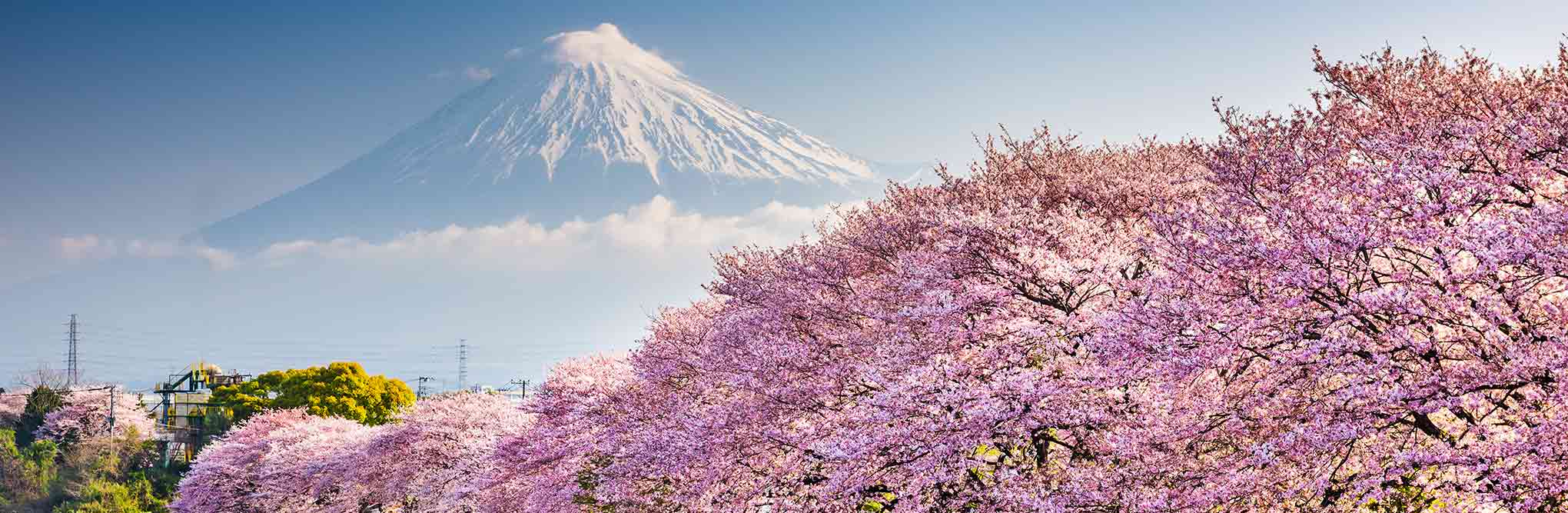
But cherry blossom season is just one week of one season, in a country that remains a nation of boundless discovery year-round. Beyond the blossoms, you will find the remote alpine villages of the Japanese Alps in deep winter and the ancient pilgrimage routes of the Kii Peninsula that are still walked today through a thousand-year-old cedar forest. This is Japan adventure travel at its finest, and it barely appears on the standard tourist map.
At Exclusive Expeditions, we design Japan itineraries that go off the beaten track. Here is what the country looks like when you go beyond the blossoms.

December to February is arguably the best time to visit Hokkaido and the Japanese Alps for travellers who want something genuinely extraordinary. Japan in winter is a different country.
The alpine village of Shirakawa-go, a UNESCO World Heritage Site in Gifu Prefecture, receives some of the heaviest snowfall of any inhabited place on earth. The traditional gassho-zukuri farmhouses, built with steep thatched roofs specifically to shed the weight of snow, sit buried to their eaves in white. In the evenings, the village is illuminated with warm light filtering through the snow. It looks like a scene from another century. Because in most respects, it still is.
Further north, the ski resorts of Niseko and Furano in Hokkaido receive world-class powder snow, consistently rated among the finest in Asia. But the winter appeal of Hokkaido goes far beyond skiing. The ice floes that drift south from the Sea of Okhotsk in late January and February create one of Asia’s most dramatic winter seascapes. At Abashiri, on Hokkaido’s northeastern coast, icebreaker cruises push through the pack ice while Steller’s sea eagles circle overhead. It is unlike anywhere else on earth.
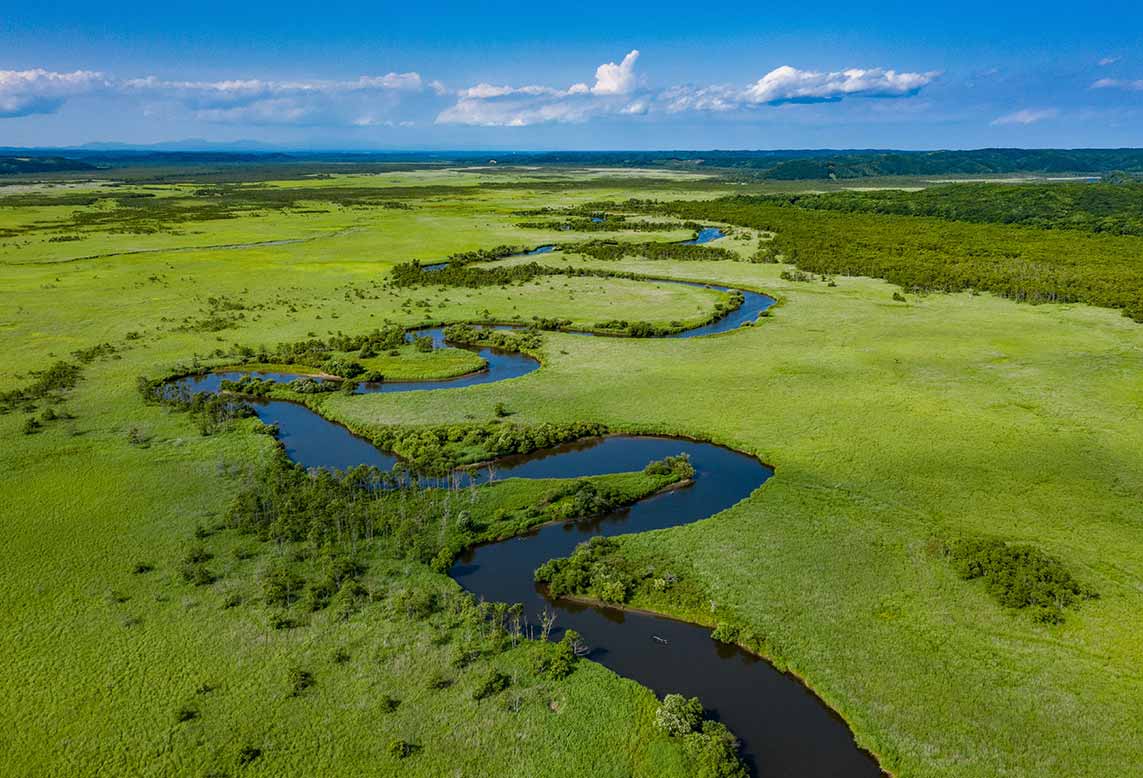
The best time to visit Hokkaido for wildlife is January and February. And the reason is one of the most iconic wildlife encounters in Japan – the red-crowned cranes of Kushiro Marshland.
The red-crowned crane is one of the rarest and most beautiful birds in the world. In winter, several hundred gather in the wetlands around Kushiro in eastern Hokkaido, performing their extraordinary courtship dances in the snow: leaping, calling, and bowing to each other against a backdrop of frozen marsh and birch forest. Photographers travel from across the world for this. It is one of the great wildlife spectacles of Asia, and almost entirely unknown to the mainstream travel market.
Hokkaido in winter also offers sika deer moving through snow-covered forests, Blakiston’s fish owls hunting frozen rivers at dusk, the largest owls on earth, and the possibility of spotting red foxes and Ezo brown bears in the wilder reaches of the Shiretoko Peninsula, a UNESCO World Heritage wilderness that juts into the Sea of Okhotsk.
Good to know: Hokkaido’s wildlife season peaks in January and February. This is also peak ski season, so accommodation in resort areas books out fast. A dedicated wildlife and winter wilderness itinerary in eastern Hokkaido, away from the ski crowds, is a very different and deeply rewarding experience. Talk to us about building one.
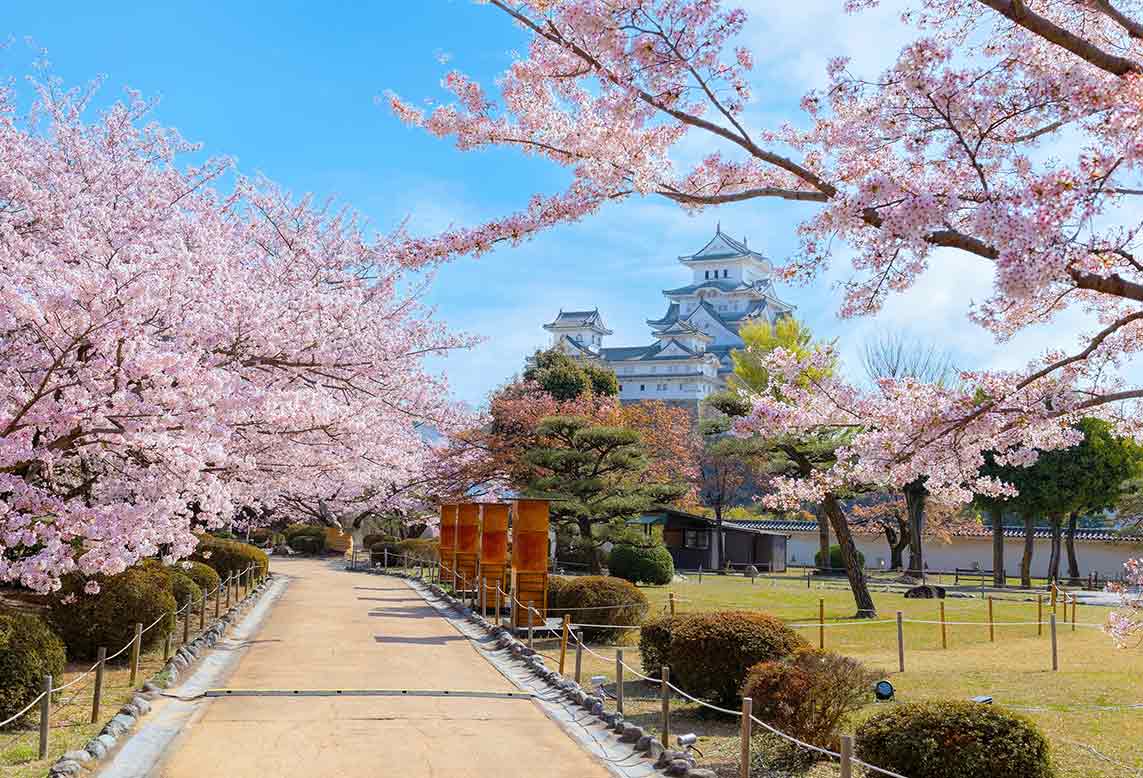
Cherry blossom season in Japan is genuinely one of the greatest natural events. The sakura front, the wave of flowering that moves northward from Kyushu to Hokkaido between late March and early May, is tracked by the Japan Meteorological Corporation and followed by national obsession. For good reason.
The best time to visit Japan for cherry blossoms is late March to mid-April in most of Honshu, Tokyo, Kyoto, and the cities in between. But the crowds in these places have grown dramatically. If cherry blossom is your primary reason for visiting, consider going somewhere most travellers do not.
The remote castle town of Hirosaki, in northern Honshu, has 2,600 cherry trees around its feudal castle. The crowds are a fraction of Kyoto’s. The mountain village of Takato, in the Japanese Alps, is known among Japanese travellers as one of the finest cherry blossom spots in the country, virtually unknown internationally. And in Hokkaido, the sakura season arrives in late April to early May, a month later than Tokyo, offering a second chance at the spectacle in a far wilder setting.
EE recommends: Pair cherry blossoms in the Japanese Alps with a ryokan stay in the historic post town of Nagiso or Tsumago on the old Nakasendo highway. You get the blossoms without the crowds, and a glimpse of Edo-period Japan that most visitors never find.
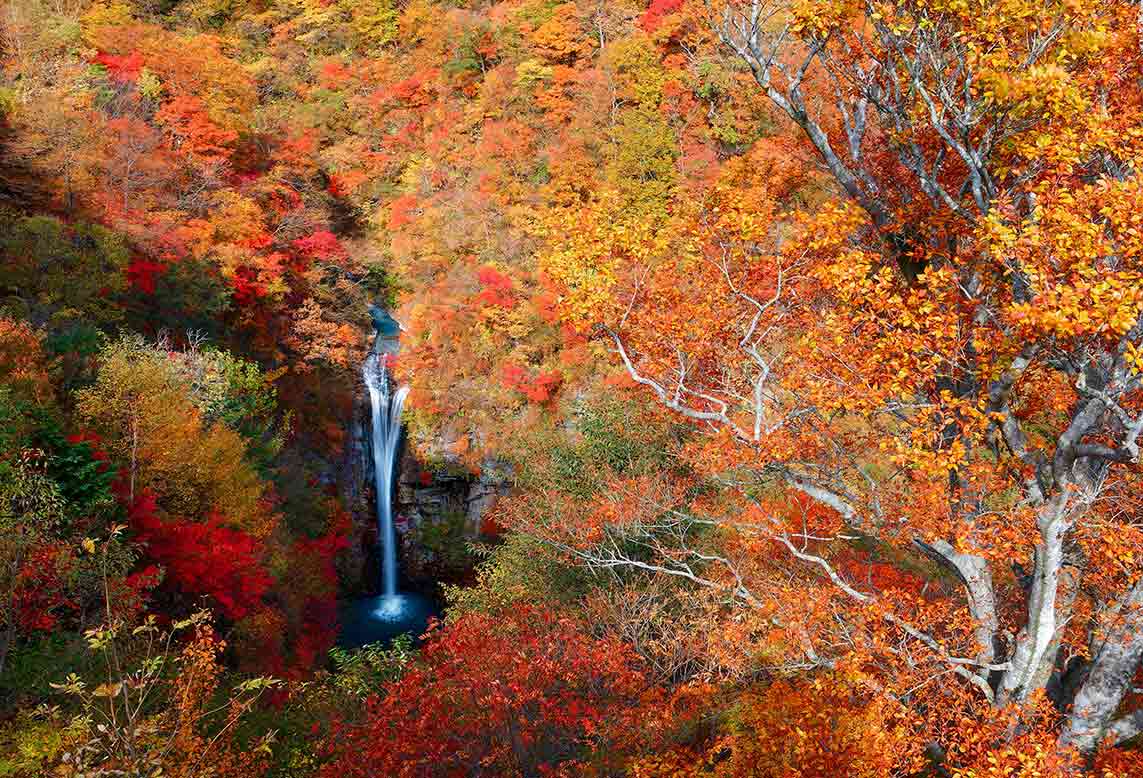
If spring is famous for cherry blossoms, autumn is Japan’s other great visual spectacle – and in many ways the more dramatic of the two. The koyo, or autumn leaf season, runs from October through November, again tracking northward to south as temperatures drop.
In Nikko, north of Tokyo, ancient shrine complexes sit surrounded by forests of maple and ginkgo turning gold and scarlet. In Kyoto’s Arashiyama district, the hillsides above the bamboo groves burn with colour. And in the Japanese Alps, the high passes around Kamikochi, one of Japan’s finest mountain valleys, offer autumn hiking through some of the most beautiful landscapes in Asia before the first snows close the route in November.
Autumn is also excellent for Japan adventure travel in the mountains. The high routes of the Kita Alps, accessible from Matsumoto, draw serious hikers from across Japan but see very few international visitors. The combination of alpine scenery, autumn colour, and the almost complete absence of foreign tourists makes this one of the best-kept secrets in Japanese travel.

Japan has some of the world’s great walking routes. The Kumano Kodo, on the Kii Peninsula south of Osaka, is one of only two pilgrimage routes in the world to hold UNESCO World Heritage status alongside the Camino de Santiago. It passes through ancient cedar forests, past waterfalls and mountain shrines, on paths that have been walked for over a thousand years.
The Nakasendo, the old mountain highway between Tokyo and Kyoto, passes through the preserved post towns of Magome and Tsumago in the Kiso Valley, where the Edo period feels genuinely present. For expedition-minded travellers, these routes offer something that temples and bullet trains cannot, a Japan experienced at walking pace, through landscapes that tourism has barely touched.
Ready to see Japan differently? Whether it is winter wildlife in Hokkaido, alpine hiking in the Kita Alps, or walking the Kumano Kodo, we build Japan expedition itineraries that go beyond the standard tour. Get in touch with the Exclusive Expeditions team to start planning.

Japan pairs naturally with other Asia expedition destinations – particularly the wildlife of Borneo or a polar expedition cruise departing from Japan’s northern ports.
New to expedition travel? Read our guide: What Is an Expedition Holiday? Or explore our pick of the 10 best expedition destinations in the world.
Every journey we offer is handpicked by our specialists. These are the ones we recommend most.
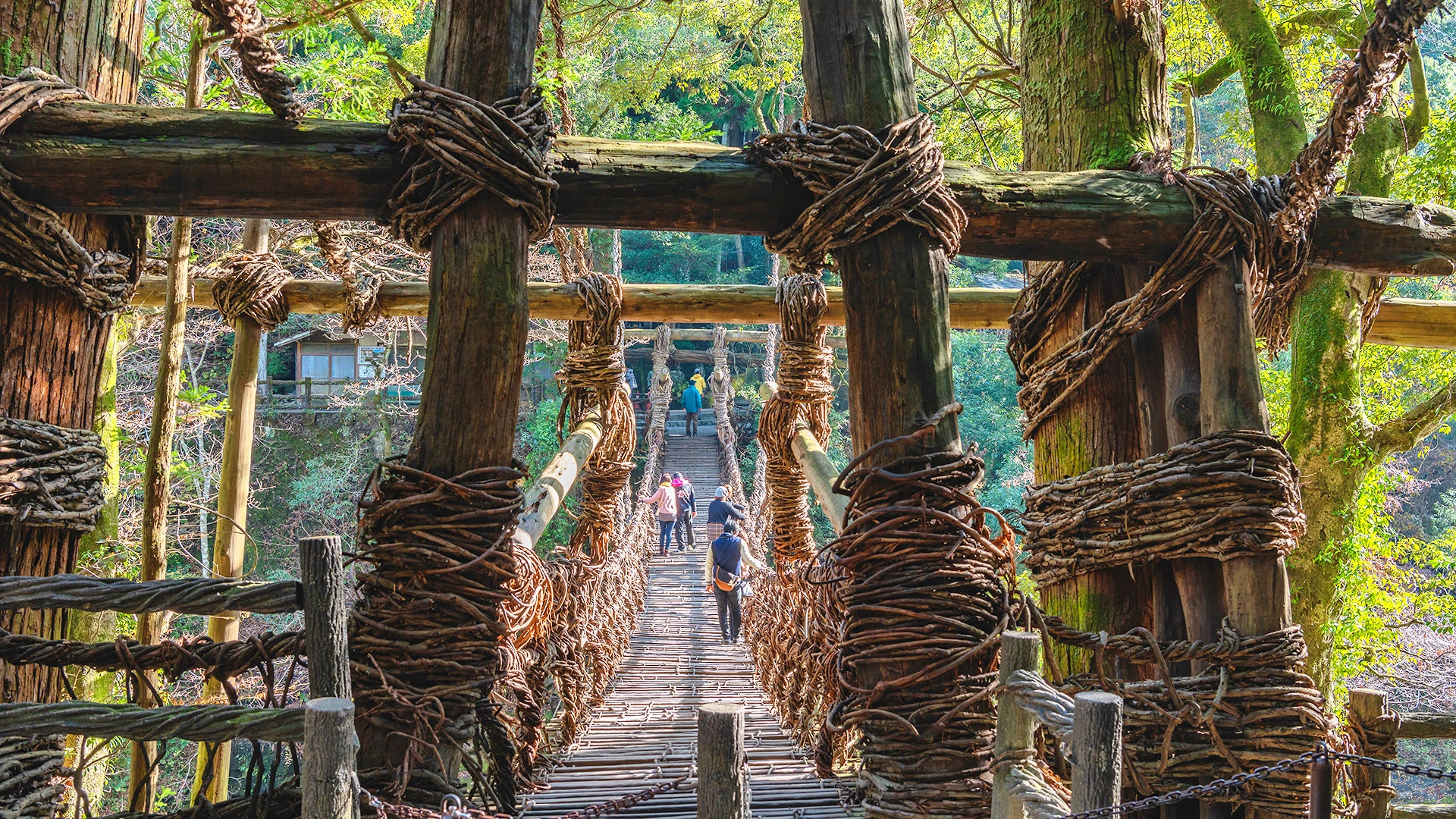
14 Nights From £15,240pp
Experience Shikoku, Japan’s hidden gem, with a private guide, luxury stays and curated cultural moments.
View details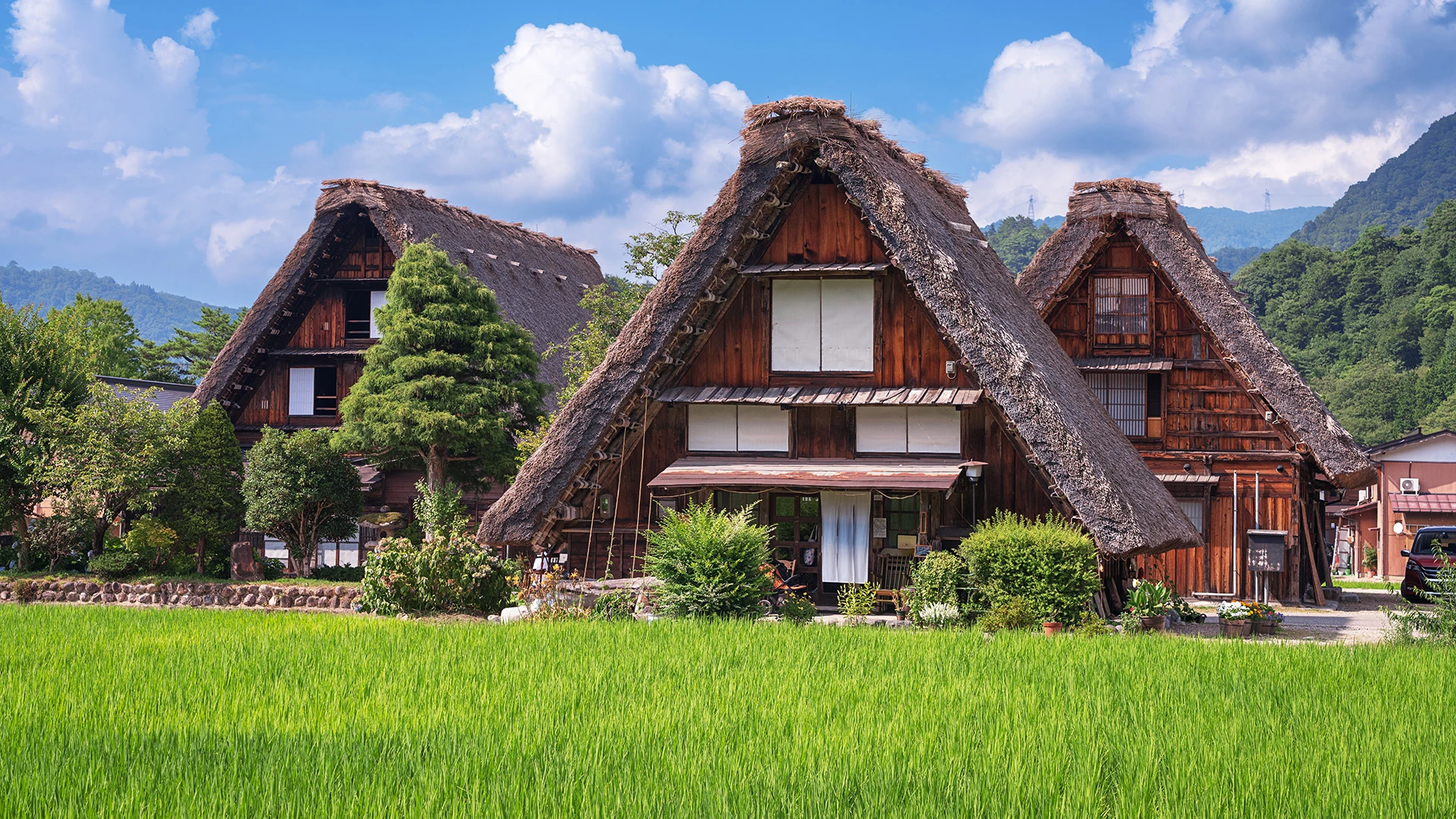
12 Nights From £11,260pp
Explore Japan’s temples gardens, artisan workshops and UNESCO villages while indulging in serene ryokan and onsen experiences.
View details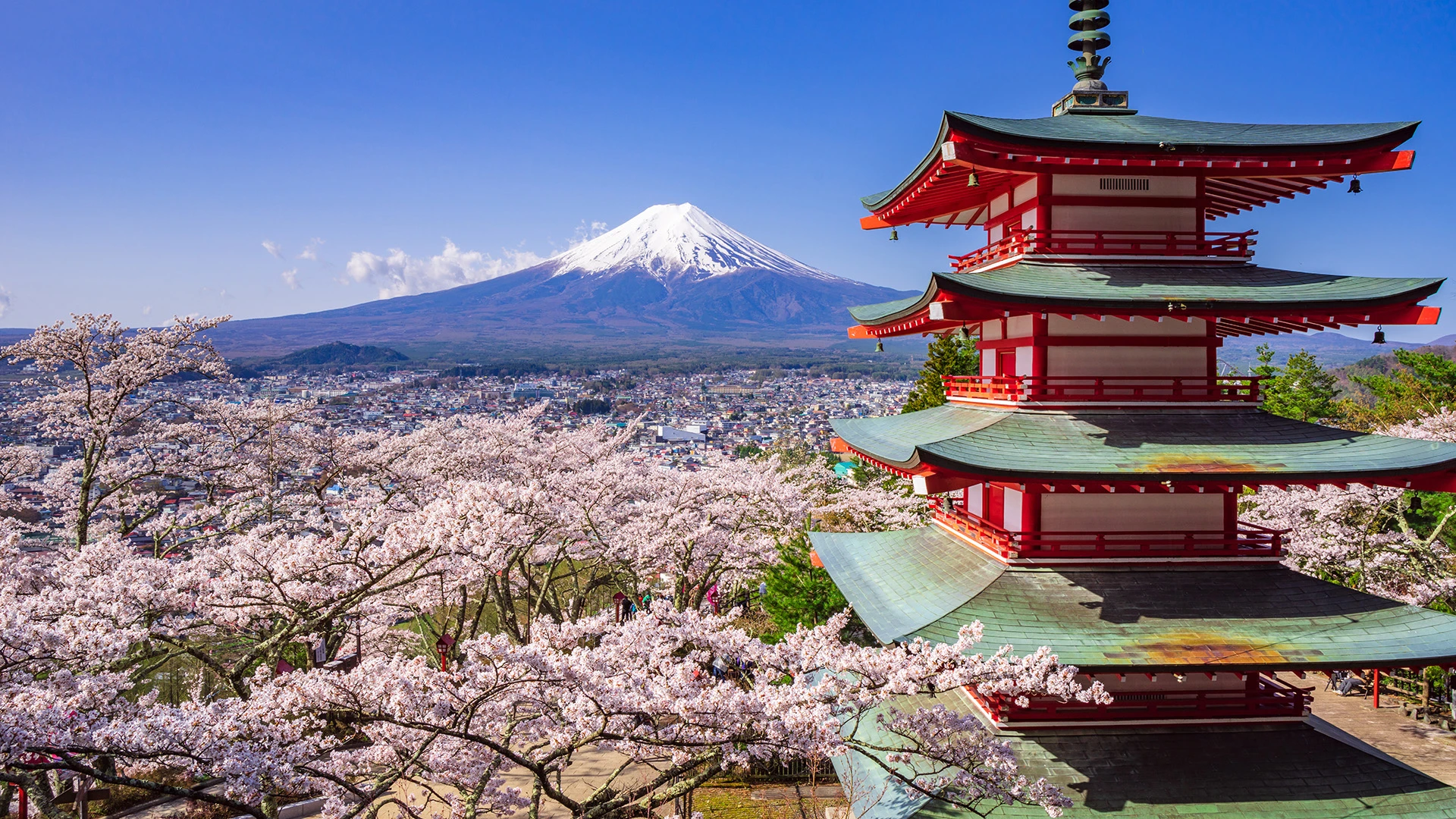
11 Nights From £11,420pp
Immerse yourself in Japan’s rich heritage, scenic landscapes, and exclusive cultural experiences.
View details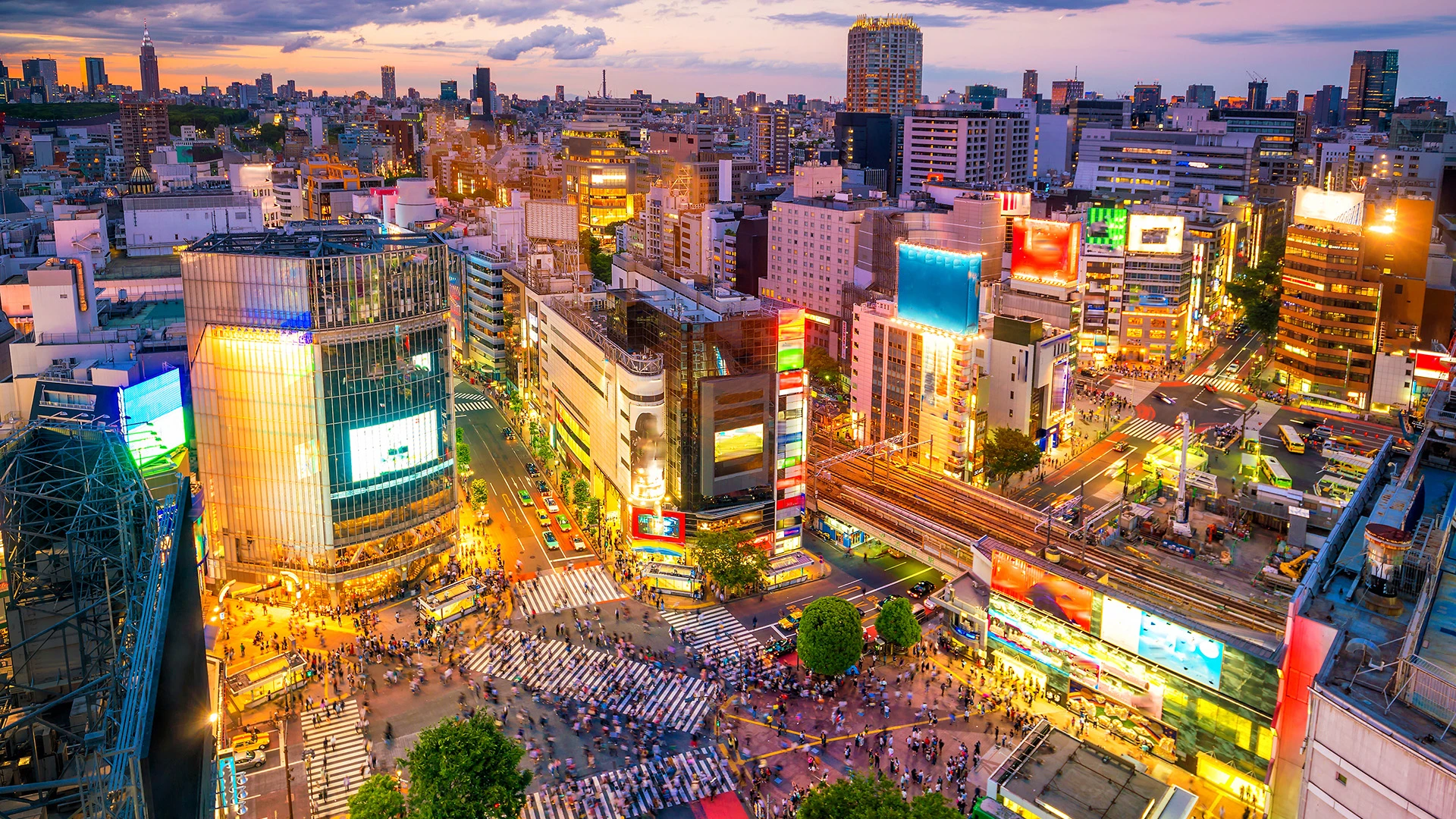
13 Nights From £10,890pp
Discover Japan from Tokyo to Osaka with Hakone, Kyoto, and Nara by bullet train, cultural experiences, and expert guides.
View details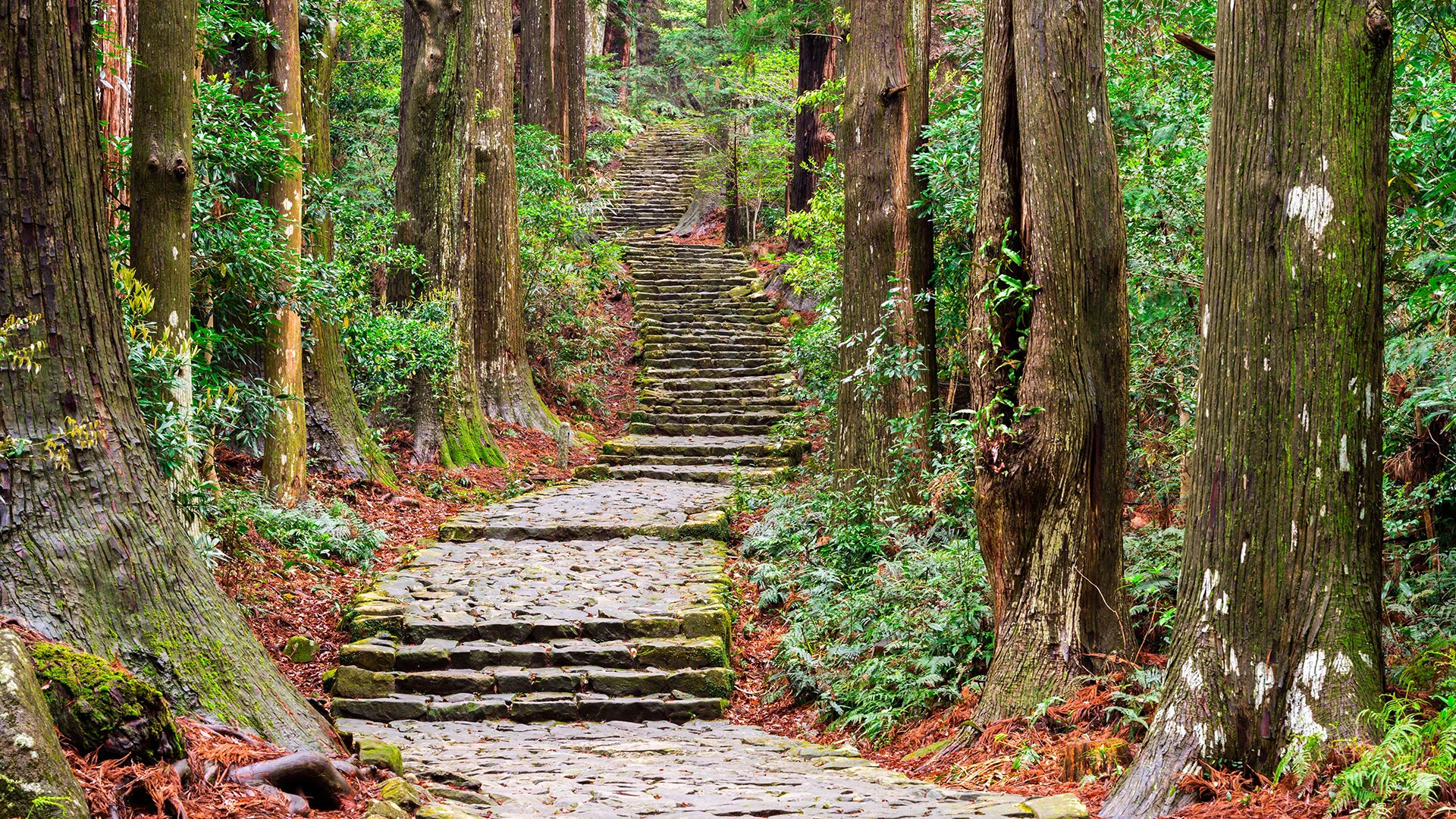
14 Nights From £14,780pp
Walk ancient trails, join sacred rituals, and immerse in Japan’s spiritual and mindful traditions in this unparalleled journey.
View detailsYour message has been submitted successfully.
Ready to start planning? Our specialists are here to help.
What to know before your first whale-watching expedition Before you book your first whale watching trip, know this: nothing guarantees...
Read now
How to choose the best safari reserve in South Africa: Private concessions vs Greater Kruger The right safari reserve in...
Read now
From Rajasthan to Britain: The Architecture and History of World-Famous Fortresses Across the arid plains of Northern India and the...
Read now
Antarctica whale watching: The best months to spot humpbacks, minkes & orcas There is no land route to Antarctica, and...
Read now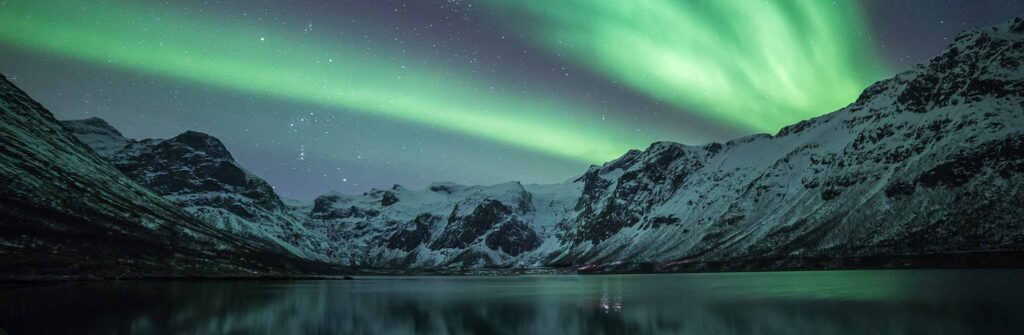
The best time of year to see the Northern Lights in Svalbard High above the Arctic Circle, halfway between mainland...
Read now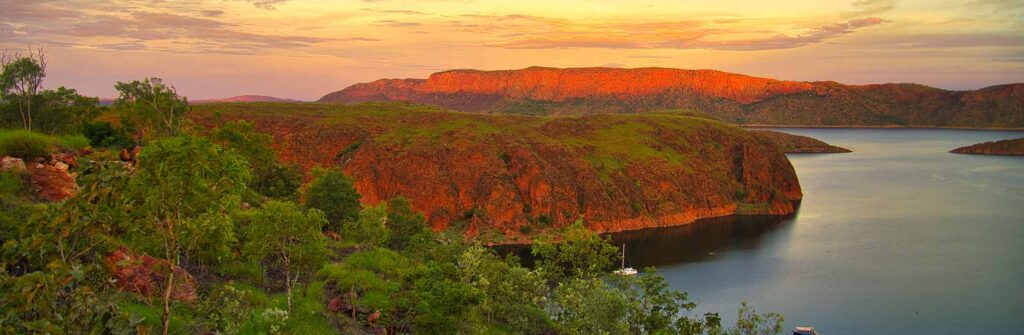
Extraordinary things to do in the Kimberley: National parks & wilderness expeditions In the far north of Western Australia, the...
Read now
What to know before your first whale-watching expedition Before you book your first whale watching trip, know this: nothing guarantees...
Read now
How to choose the best safari reserve in South Africa: Private concessions vs Greater Kruger The right safari reserve in...
Read now
From Rajasthan to Britain: The Architecture and History of World-Famous Fortresses Across the arid plains of Northern India and the...
Read now
Antarctica whale watching: The best months to spot humpbacks, minkes & orcas There is no land route to Antarctica, and...
Read now
The best time of year to see the Northern Lights in Svalbard High above the Arctic Circle, halfway between mainland...
Read now
Extraordinary things to do in the Kimberley: National parks & wilderness expeditions In the far north of Western Australia, the...
Read now