Wildlife in Antarctica
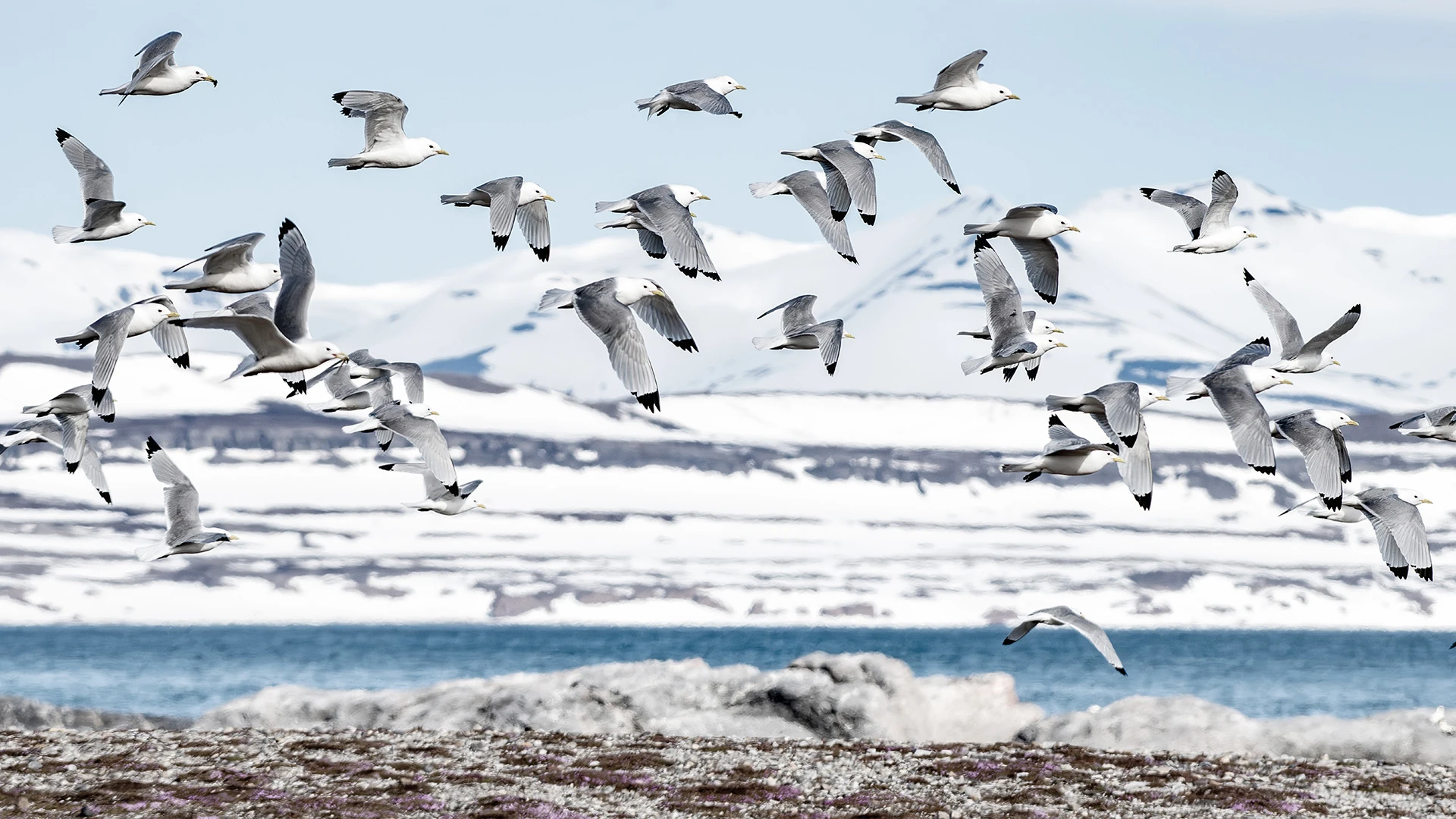
An expert field guide to Antarctica’s remarkable wildlife The first thing you notice at an Antarctic landing is the noise....
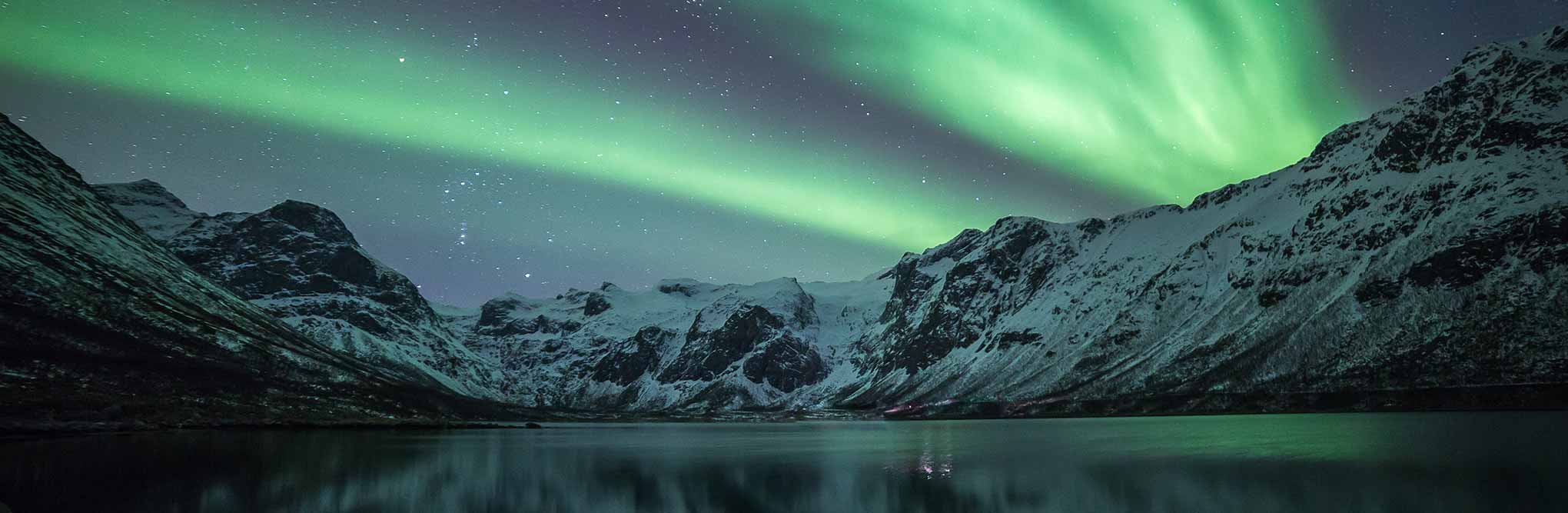
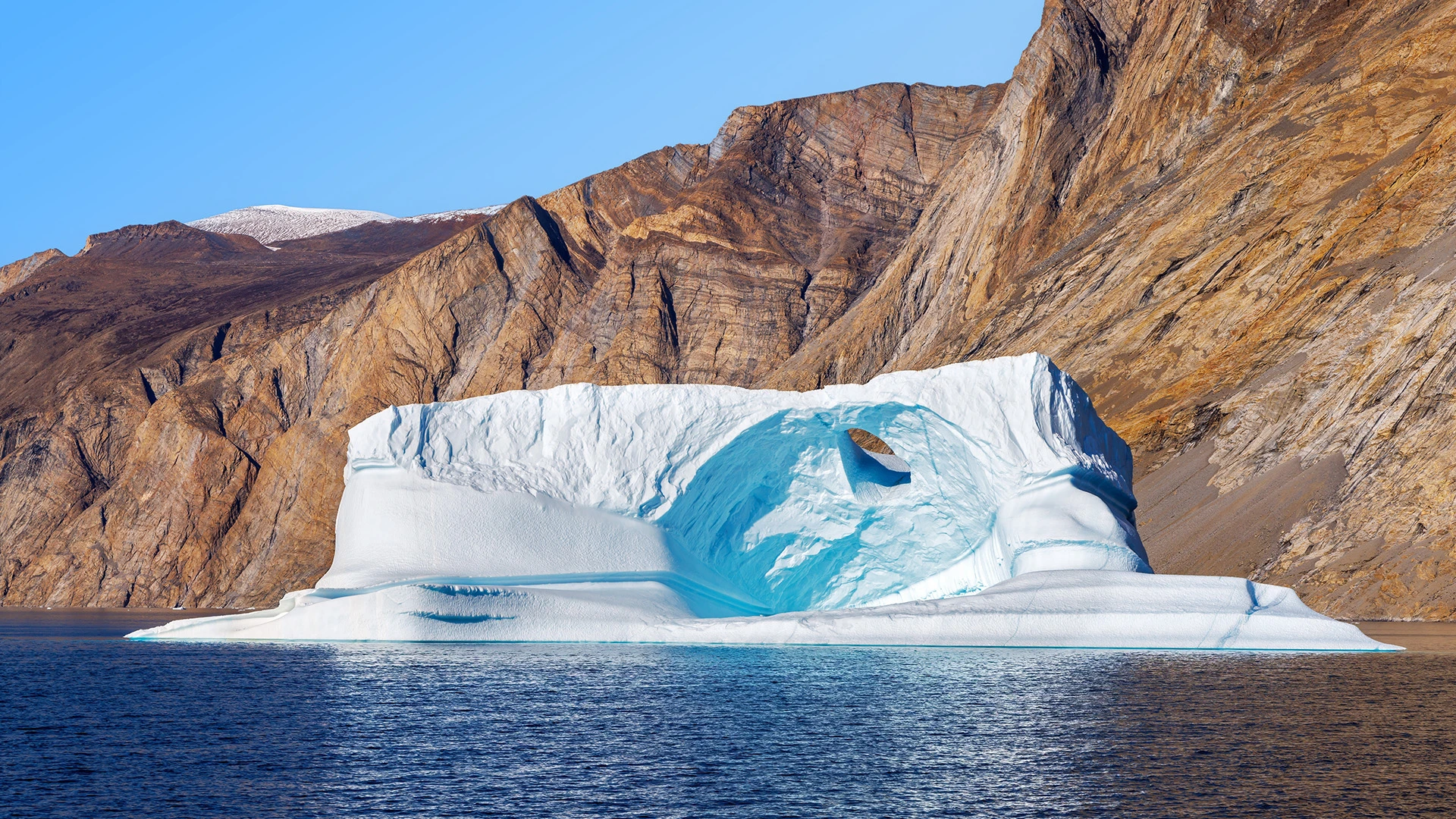
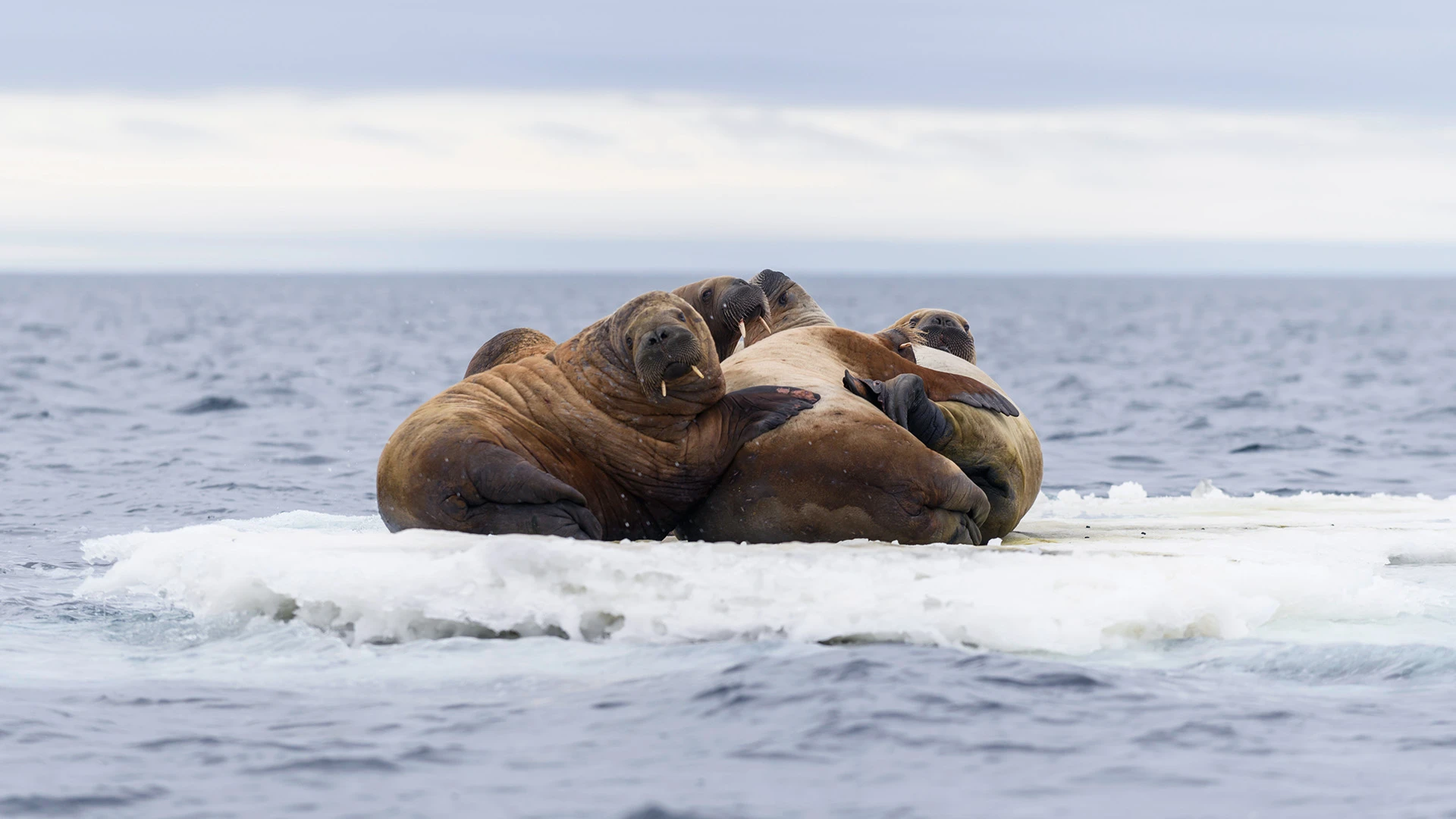
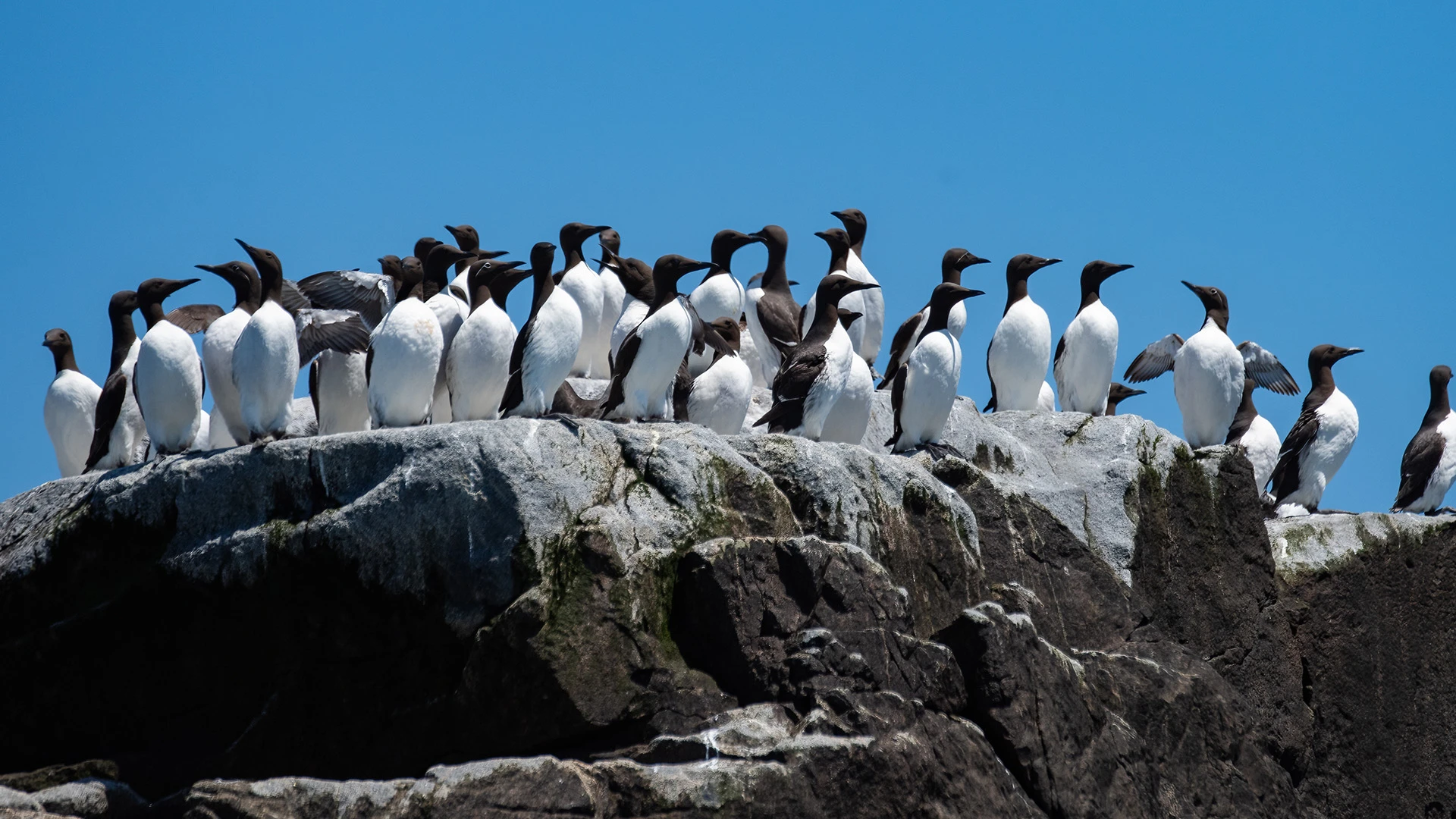
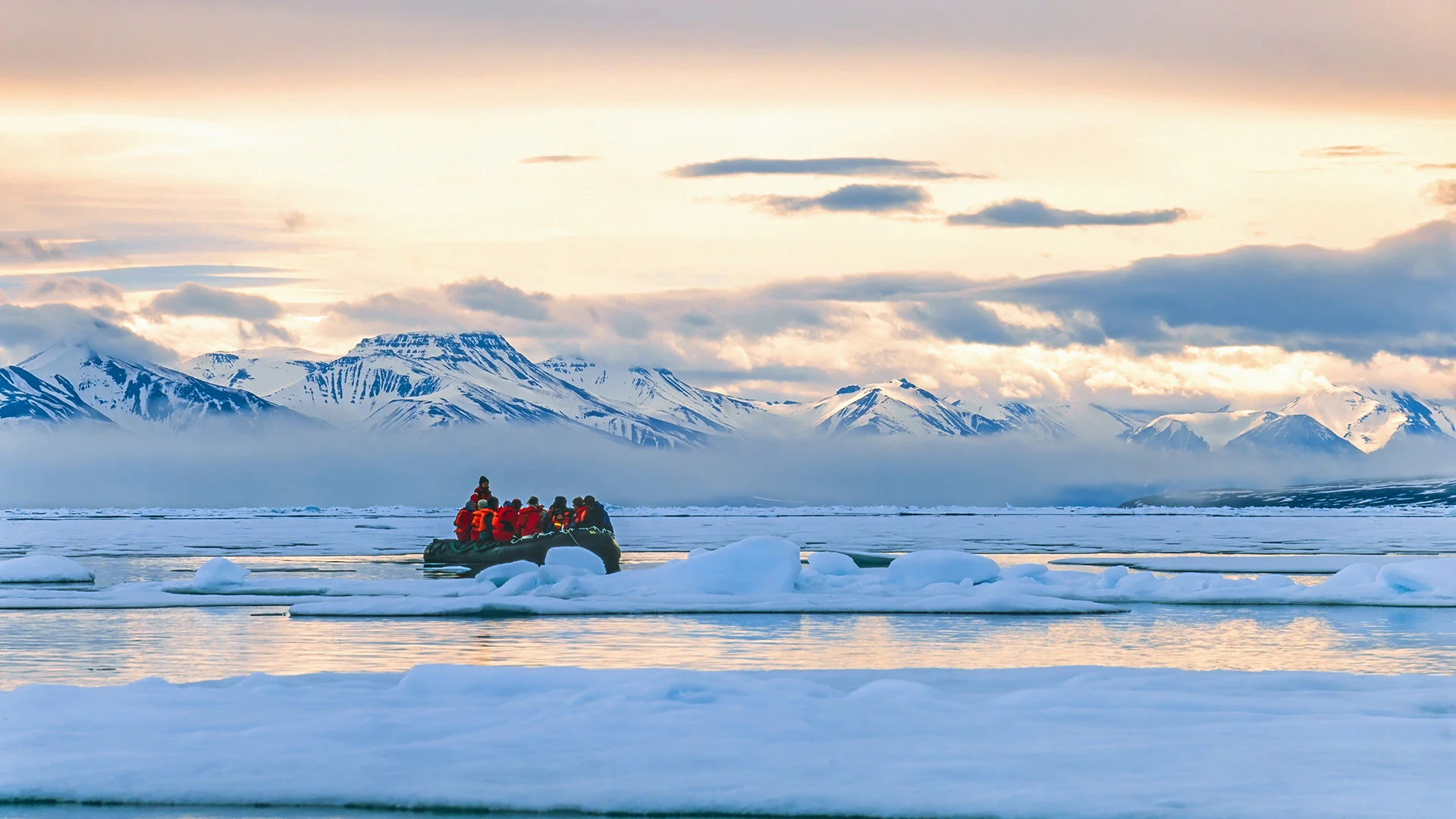
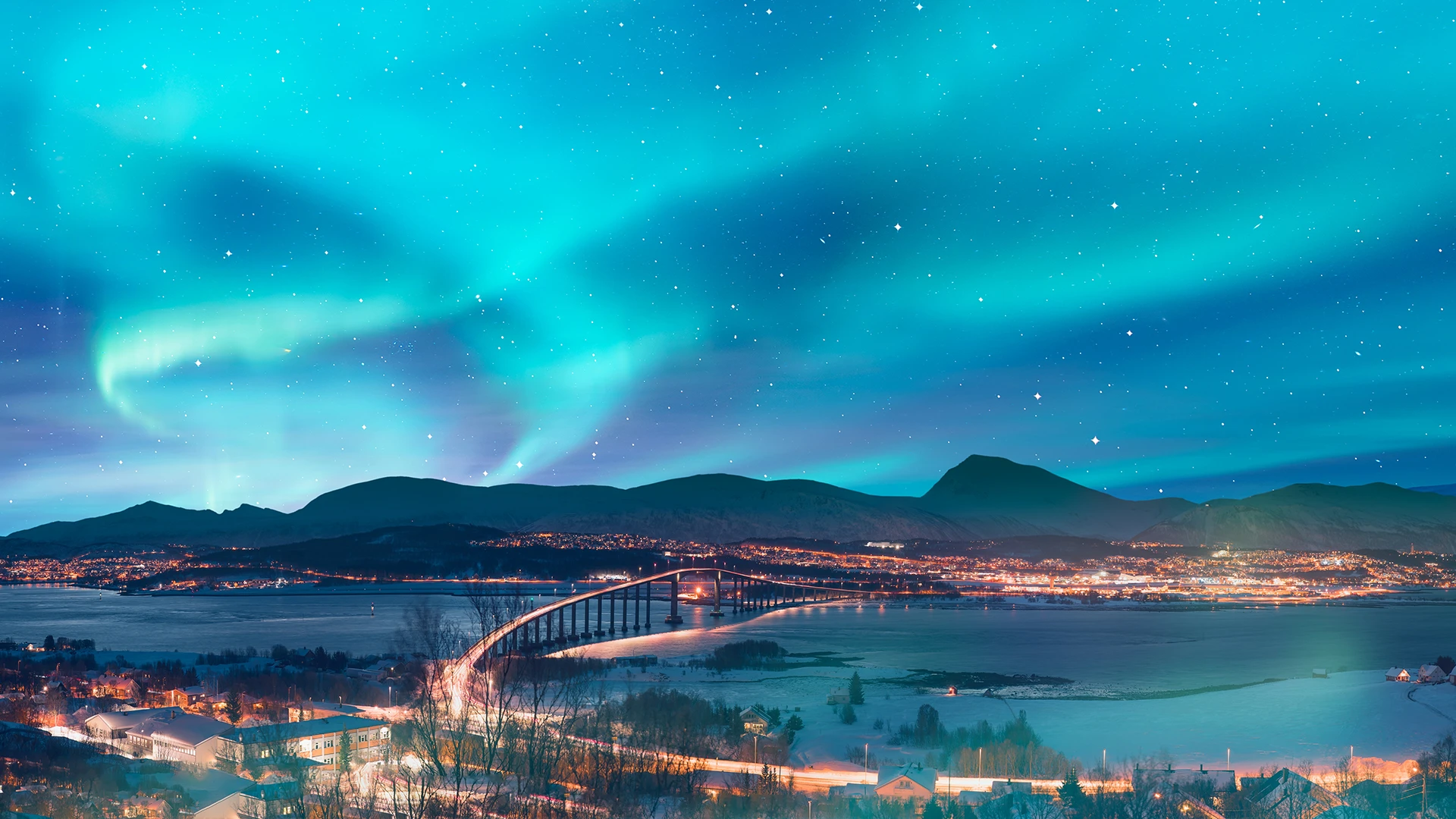
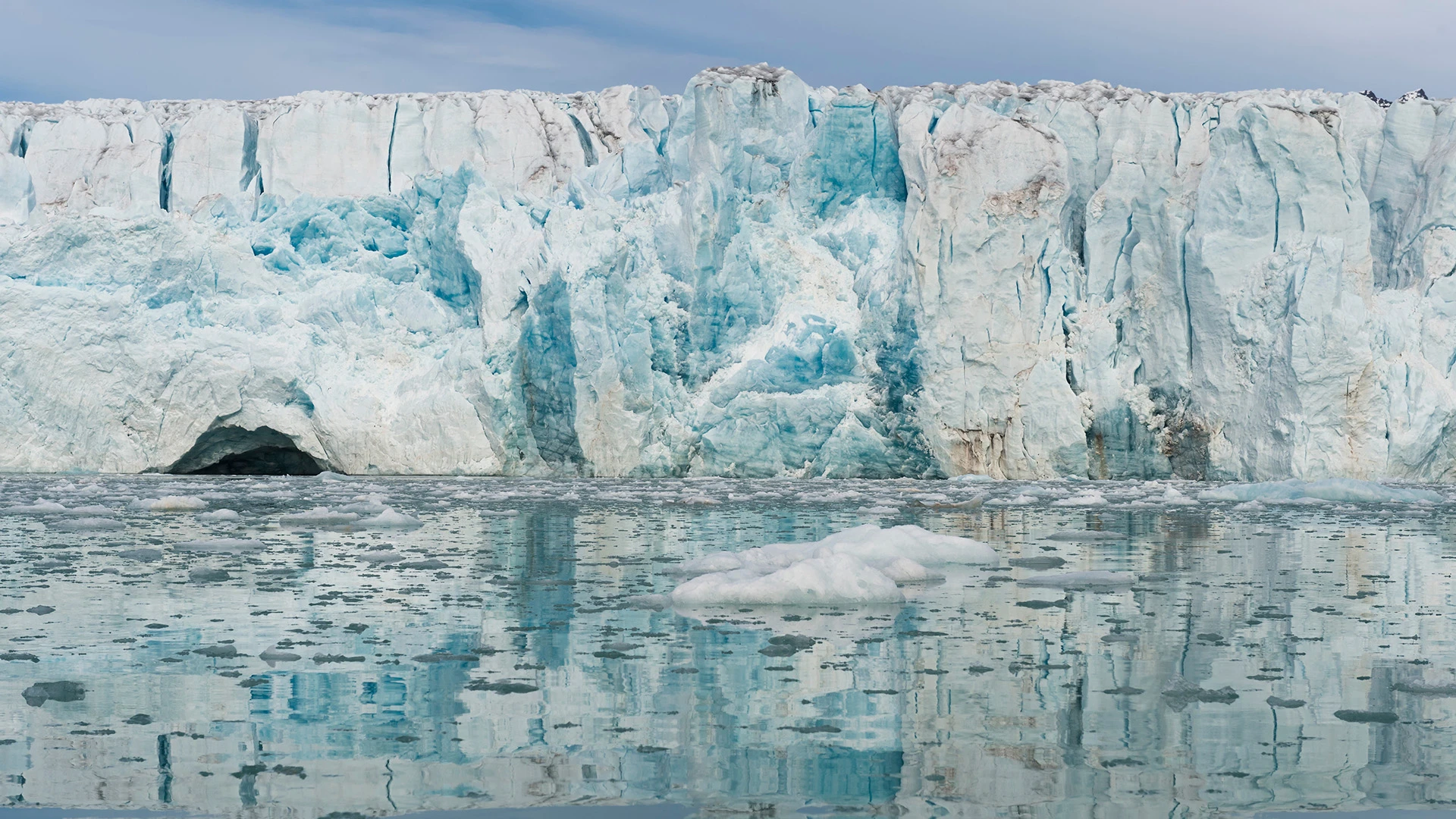
Read nowHigh above the Arctic Circle, halfway between mainland Norway and the North Pole, lies Svalbard, a wilderness of jagged mountains, sweeping glaciers, and open tundra. For travellers seeking the world’s most pristine wilderness, witnessing the Aurora Borealis just a few hundred miles from the North Pole is the ultimate polar pursuit.
Because of its extreme latitude, Svalbard offers a celestial phenomenon found almost nowhere else on Earth: the ability to see the Northern Lights during both the day and the night. However, timing your journey is critical to experiencing this remote landscape at its most magical.
The prime window for seeing the Aurora Borealis in Svalbard runs from late October to late February. Within this period, the archipelago enters the polar night, a time when the sun remains at least six degrees below the horizon, plunging the landscape into 24-hour darkness.
Determining the absolute Svalbard best time to see northern lights comes down to the distinct atmospheric conditions across the winter months:
November to January (the deep polar night): Between mid-November and late January, Svalbard experiences total twilight-free darkness. This is the peak season for witnessing daytime auroras. Because Svalbard collides with Earth’s atmosphere, ribboning green and violet displays ignite the sky, even at midday.
October & February (the twilight months): These shoulder months offer a striking contrast. You gain a few hours of soft, dusky Arctic light each day (ideal for mountain treks and snowmobile expeditions), followed by dark, clear nights perfectly suited for aurora hunting.
Unlike mainland Scandinavian destinations such as Tromsø or Swedish Lapland, Svalbard’s extreme northern latitude opens up a phenomenon known as the daytime aurora.
During the Polar Night, Svalbard rotates directly beneath the “cusp” of Earth’s magnetic field – the vulnerable spot where the planet’s magnetic shield curves downward toward the poles. This allows solar wind particles from the sun to stream straight into the upper atmosphere without having to travel around to the night side of the planet first.
This distinct physics changes how the lights actually appear in the sky:
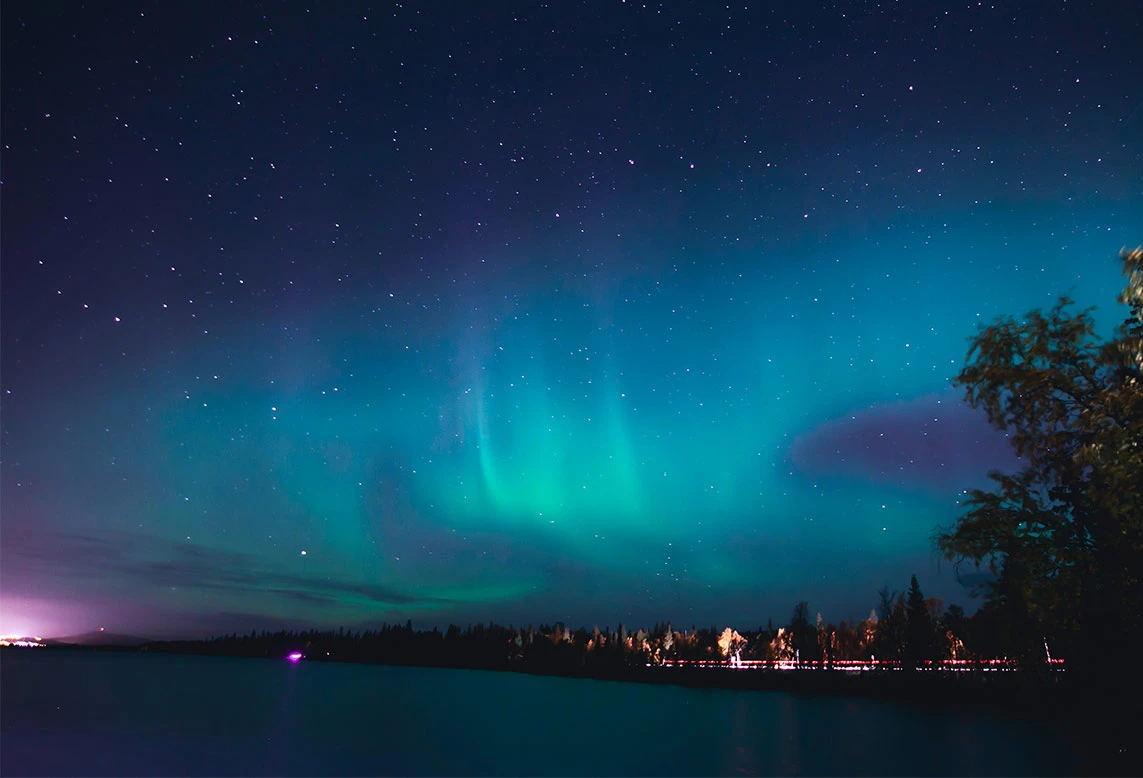
Ethereal colours: Nighttime auroras are famous for their broad, vivid green curtains formed lower in the atmosphere. Daytime auroras hit the atmosphere at much higher altitudes, producing delicate crimson, soft turquoise, and rare violet hues that are far more subtle and atmospheric.
Midday viewing: Because the sun stays hidden below the horizon for months, you do not need to stay awake until 2:00 AM or stare into pitch-black darkness to see them. Celestial displays can ignite the sky at 12:00 PM while you are out on a snowmobile, snowshoeing across frozen valleys, or cruising silent ice fjords.
Viewing the Aurora Borealis in Svalbard is seamlessly woven into deep-wilderness exploration. During the winter months, the frozen terrain opens up for extraordinary land expeditions:
Snowmobile safaris into the wilderness: Traverse frozen valleys and mountain passes to reach remote outposts far from any artificial light.
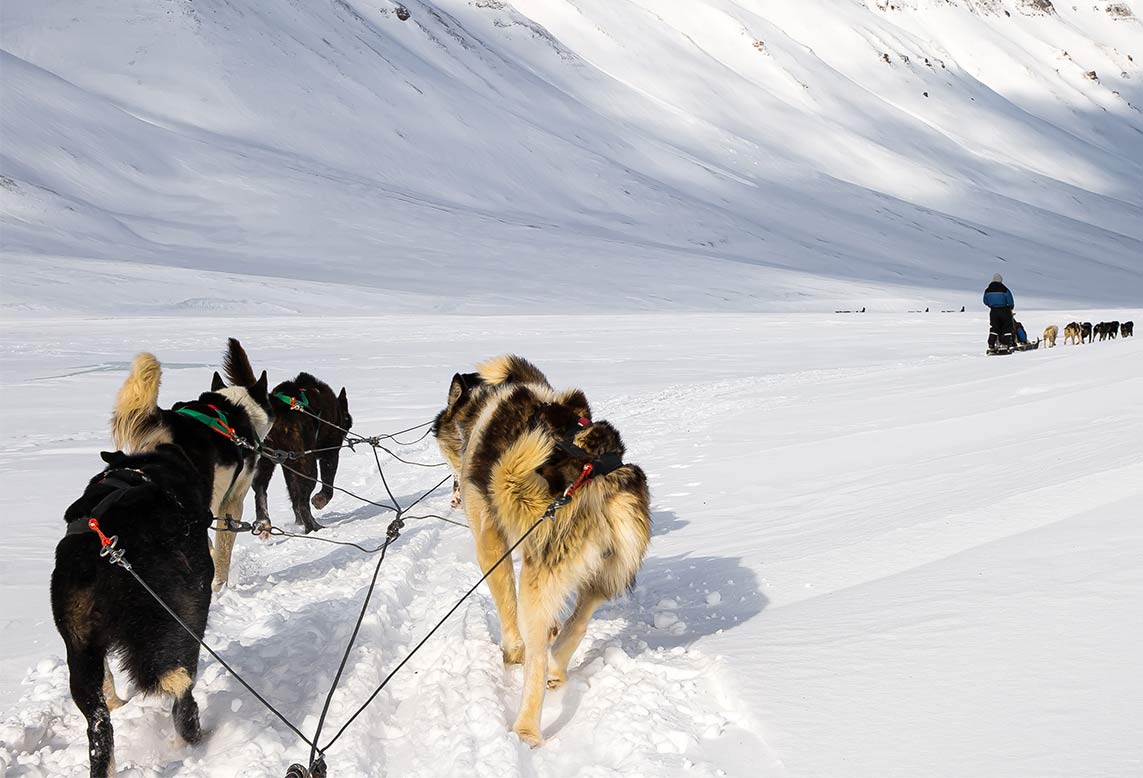
Dog sledging under the aurora: Experience the ancient mode of Arctic transport, guided only by a team of huskies and the glow of the stars.
Ice cave trekking: Venture deep into the subterranean tunnels formed within glaciers during the summer melt.
To turn a polar voyage into a broader High Arctic story, many travellers combine winter northern lights hunting with summer or spring voyages. Explore our signature Svalbard cruise expeditions to see how the archipelago transforms across the seasons, or browse our complete collection of polar expeditions for inspiration across the Arctic and Antarctica.
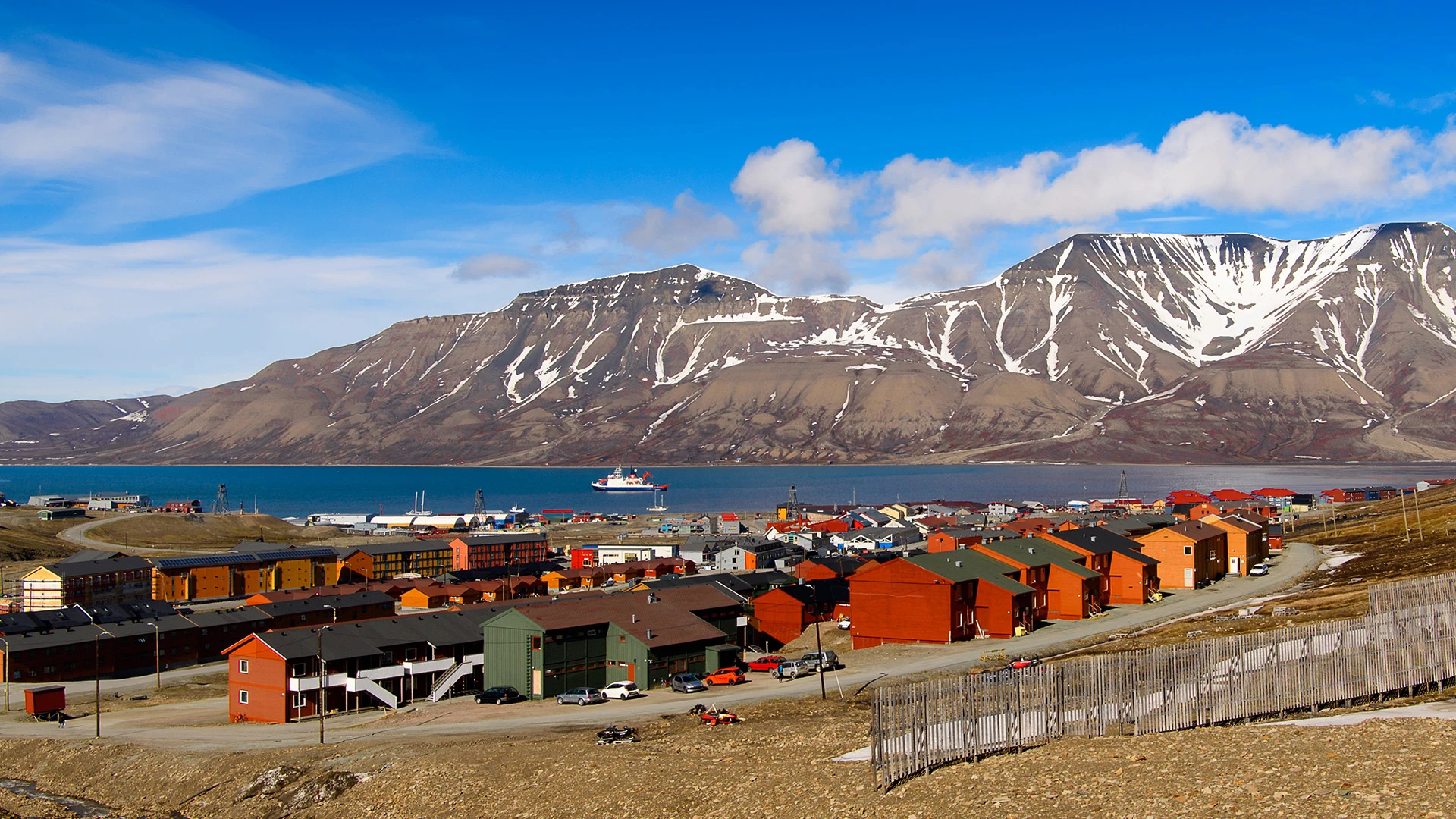
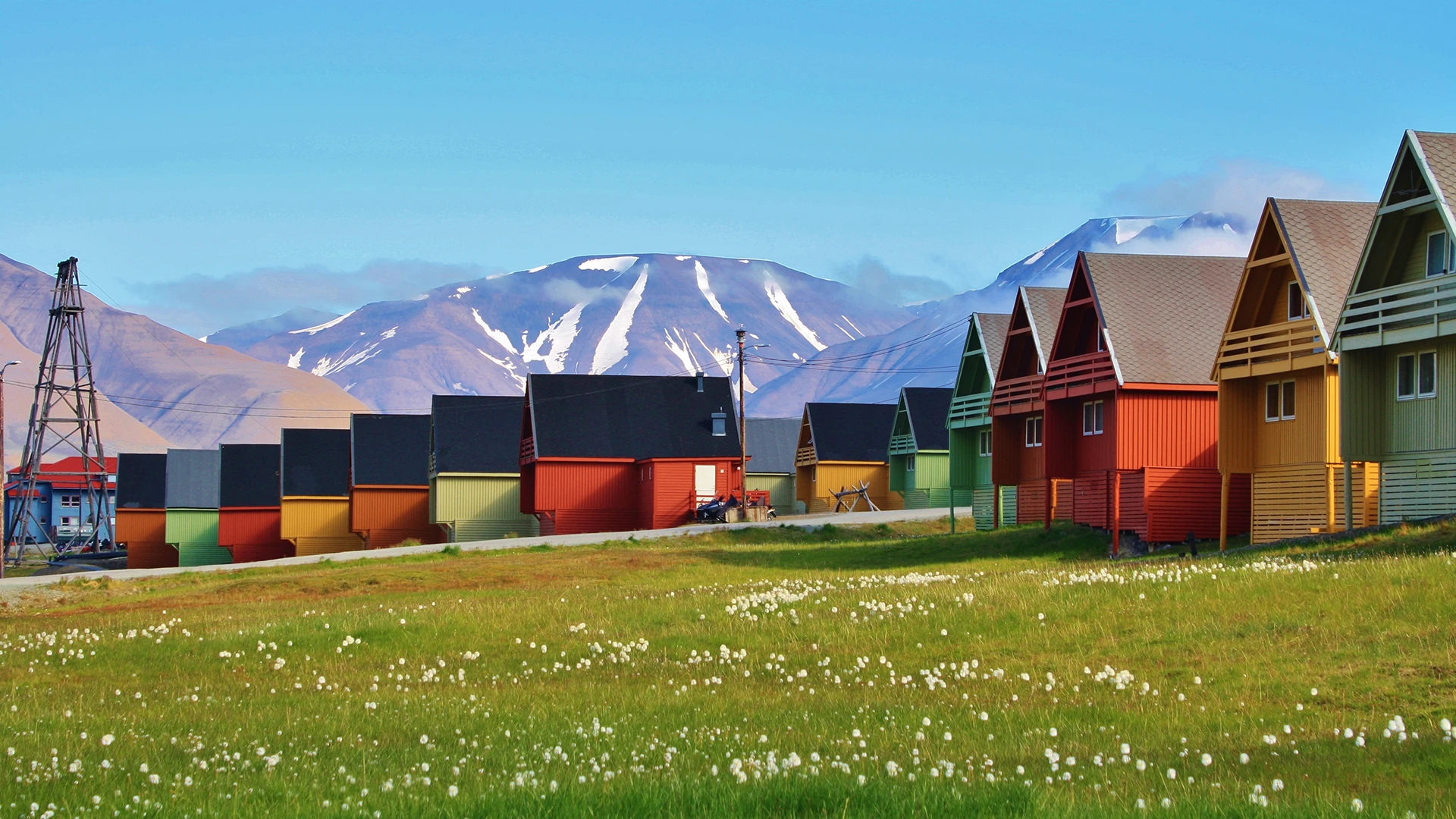
A journey to Svalbard demands meticulous preparation, specialist cold-weather equipment, and local polar expertise. The remote nature of the archipelago means every excursion beyond Longyearbyen must be led by seasoned wilderness guides who understand Arctic navigation and safety.
At Exclusive Expeditions, we handle every detail of your High Arctic adventure. We arrange private transfers, select hand-picked lodges, and connect you with specialist guides. Together, we make your journey as safe and effortless as it is extraordinary.
Ready to stand beneath the dancing lights of the High Arctic? Contact our expedition experts today to begin planning your tailor-made voyage.
Thinking of viewing the northern lights in Iceland instead? Read our latest blog on the best time to visit Iceland to view the aurora at its peak. Or, explore our full range of curated Exclusive Expeditions itineraries.
Every journey we offer is handpicked by our specialists. These are the ones we recommend the most.
9 Nights From £12,260pp
A seven-night Aqua Lares expedition through Svalbard's fjords, glaciers, and polar wildlife
View details7 Nights From £2,800pp
The perfect Arctic escape, combining Svalbard’s glaciers, wildlife, and epic landscapes in a shorter expedition.
View details8 Nights From £8,000pp
Sail through Spitsbergen’s glaciers and fjords in search of polar bears and Arctic wildlife.
View details14 Nights From £5,650pp
Sail north from Iceland to Svalbard via Greenland, exploring fjords, glaciers, wildlife, and Arctic cultures.
View details6 Nights From £11,500pp
Experience Svalbard in luxury, discovering glaciers, polar bears, remote fjords, and breathtaking Arctic scenery.
View details9 Nights From £12,500pp
Sail from Tromsø to Svalbard in luxury, exploring glaciers, polar wildlife, remote fjords, and Arctic wilderness.
View details17 Nights From £18,500pp
Journey south from Svalbard through Greenland to Iceland, discovering glaciers, wildlife, and Arctic wonders.
View details7 Nights From £9,000pp
Svalbard to Tromso aboard the Aqua Lares via Bear Island and the North Cape
View details10 Nights From £7,800pp
Sail north from Iceland to Svalbard, exploring dramatic fjords, Arctic wildlife, and remote polar landscapes.
View details7 Nights From £5,500pp
Fly from Helsinki to discover Svalbard’s glaciers, polar wildlife, dramatic fjords, and Arctic wilderness.
View details9 Nights From £6,300pp
Embark from Longyearbyen to explore Svalbard’s glaciers, polar wildlife, remote fjords, and Arctic beauty.
View details10 Nights From £7,200pp
Enjoy an Arctic adventure from Tromsø, exploring Svalbard’s glaciers, wildlife, and spectacular polar scenery.
View detailsYour message has been submitted successfully.
Ready to start planning? Our specialists are here to help.
An expert field guide to Antarctica’s remarkable wildlife The first thing you notice at an Antarctic landing is the noise....
Read nowChiang Mai city guide: Ancient temples, mountain sanctuaries & Lanna culture Tucked into the misty mountains of Northern Thailand, Chiang...
Read nowVietnam Weather in February: Regional Climates, Ideal Seasons & Travel Advice Pack a jacket for Hanoi and sunscreen for Ho...
Read nowA single small island holds all of this: the world's densest population of leopards, herds of wild elephants numbering in...
Read nowWhat to pack for wildlife photography holidays: essential kit & field gear Capturing animals in the wild comes down to...
Read nowGuided Safaris in Mikumi National Park: Exploring Tanzania's Southern Wilderness Four and a half hours west of Dar es Salaam,...
Read nowAn expert field guide to Antarctica’s remarkable wildlife The first thing you notice at an Antarctic landing is the noise....
Read nowChiang Mai city guide: Ancient temples, mountain sanctuaries & Lanna culture Tucked into the misty mountains of Northern Thailand, Chiang...
Read nowVietnam Weather in February: Regional Climates, Ideal Seasons & Travel Advice Pack a jacket for Hanoi and sunscreen for Ho...
Read nowA single small island holds all of this: the world's densest population of leopards, herds of wild elephants numbering in...
Read nowWhat to pack for wildlife photography holidays: essential kit & field gear Capturing animals in the wild comes down to...
Read nowGuided Safaris in Mikumi National Park: Exploring Tanzania's Southern Wilderness Four and a half hours west of Dar es Salaam,...
Read now