Wildlife in Antarctica
An expert field guide to Antarctica’s remarkable wildlife The first thing you notice at an Antarctic landing is the noise....
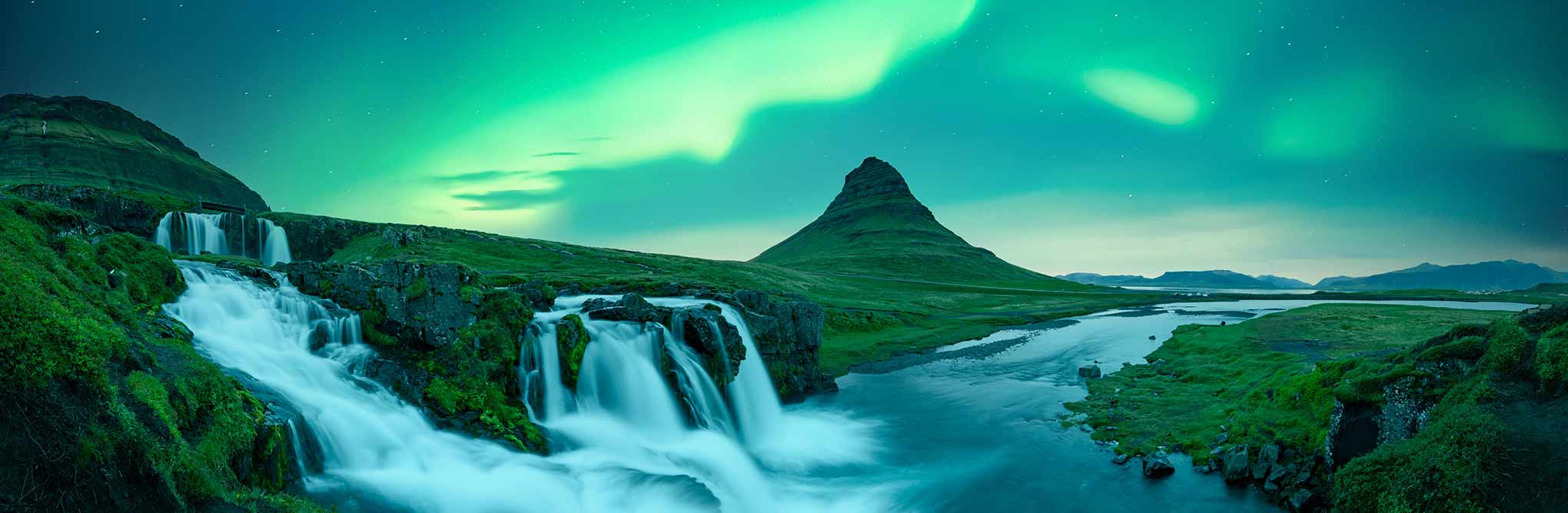
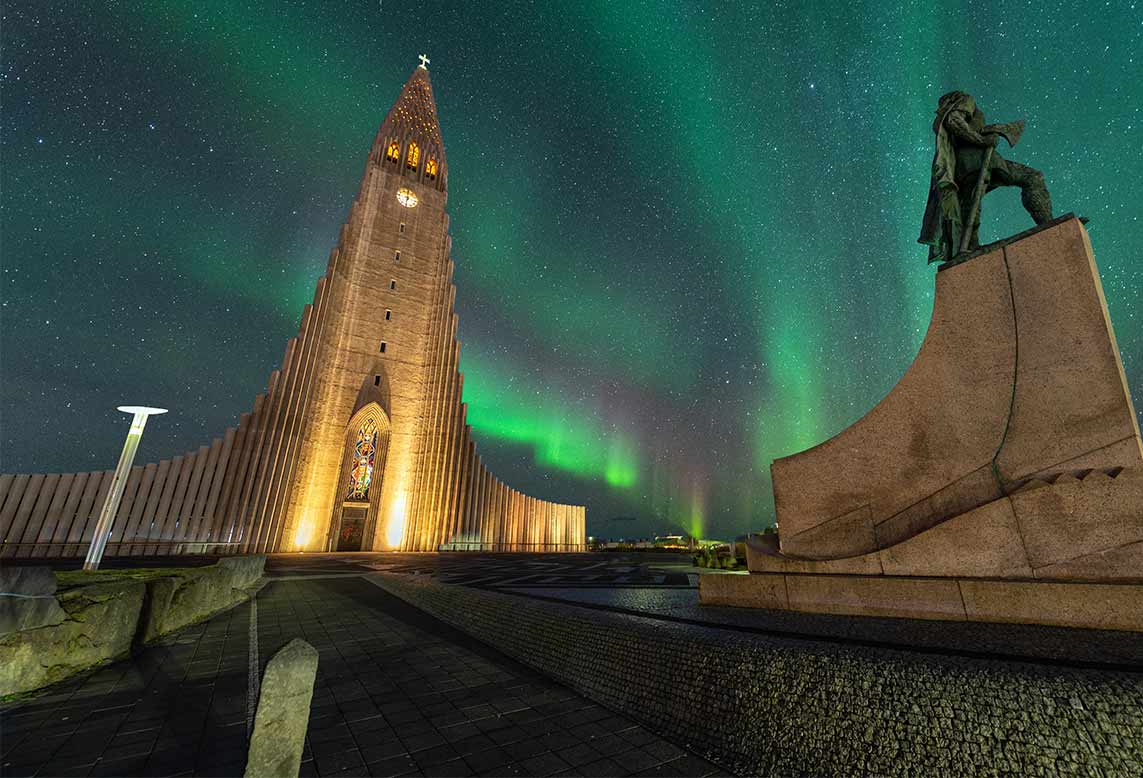
Read nowThe Northern Lights do not perform on schedule. They cannot be guaranteed, predicted with precision, or reliably booked. What can be done is everything else – choosing the right time of year, getting far enough from artificial light, understanding the conditions that favour a display, and being patient enough to wait for one. That is what separates the travellers who see the aurora from those who go home disappointed.
Iceland is the most accessible place on earth to chase the Northern Lights – but it rewards those who understand what the best time to visit Iceland actually means. The answer changes entirely depending on whether you are chasing the aurora, the midnight sun, puffins on clifftops, or glaciers at their most dramatic. At Exclusive Expeditions, we design Iceland itineraries built around exactly this question. Here is the honest version of the answer.
This is where most aurora trips go wrong. Reykjavik is a small city by international standards but its light output is enough to wash out all but the most intense displays. The difference between watching the aurora from the city outskirts and watching it from a dark hillside 40 minutes east on the Reykjanes peninsula, or from the shores of Thingvellir National Park, or from the farmland of the Snæfellsnes peninsula, is dramatic.
The regions that consistently deliver the darkest skies are the Westfjords, the eastern highlands around Egilsstaðir, and the Snæfellsnes peninsula interior. These require a deliberate decision to go further, and they reward it with aurora displays that the car parks outside Reykjavik cannot match.
EE recommends: Plan for a minimum of five nights in Iceland if the aurora is your primary goal. The weather is genuinely unpredictable and cloud cover can persist for days. A longer stay means more chances, and means you can afford to wait out a cloudy night rather than spending your only clear evening in the wrong place. Our Iceland itineraries are designed with this flexibility built in.
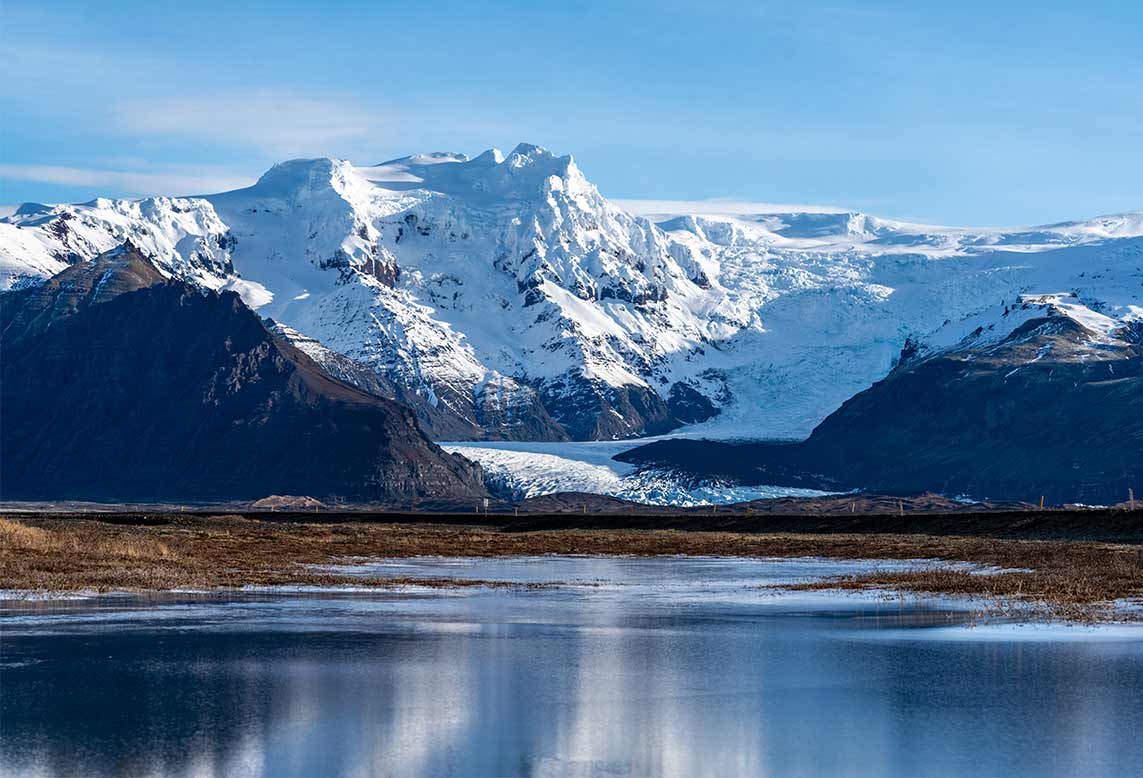
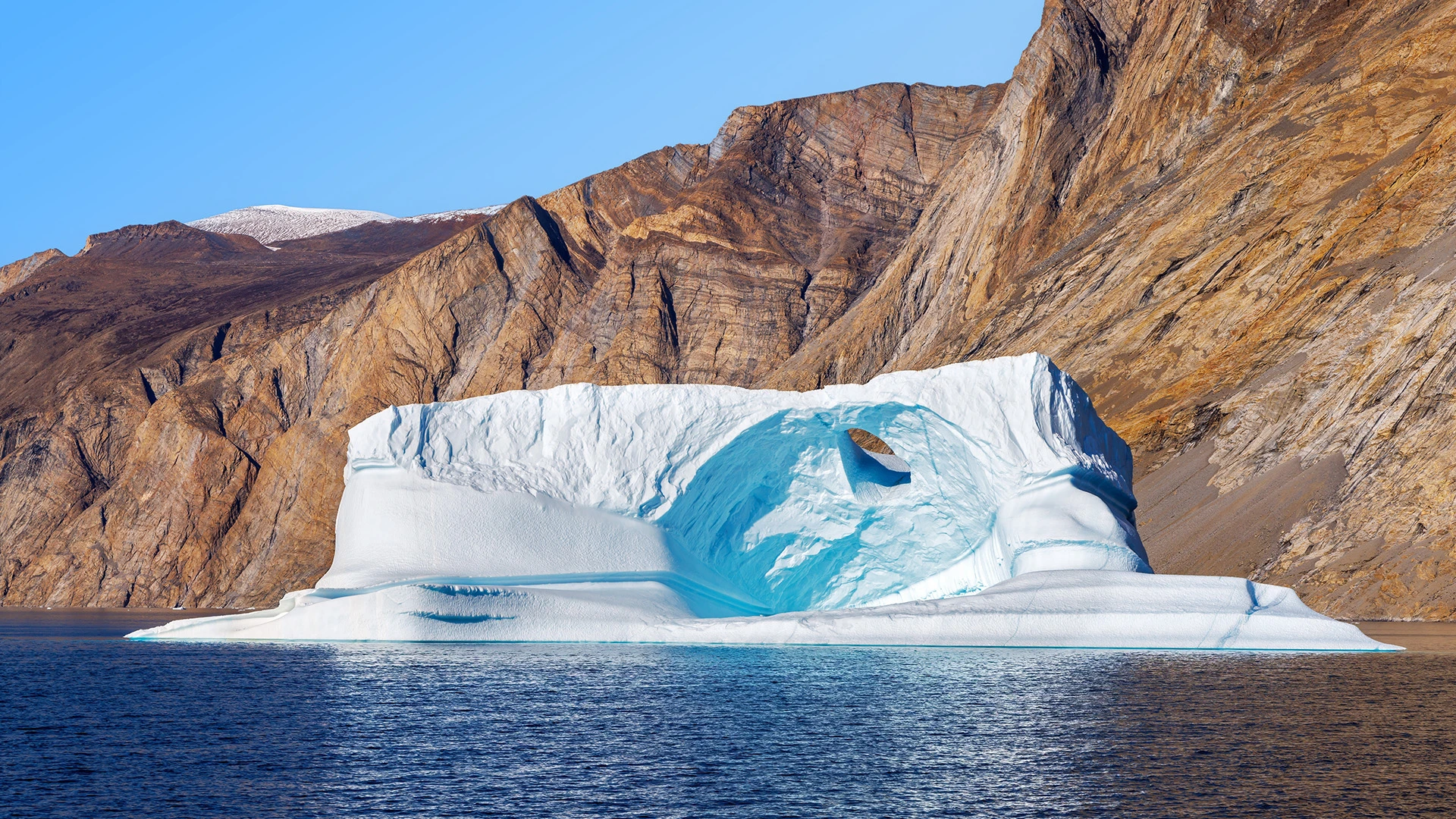
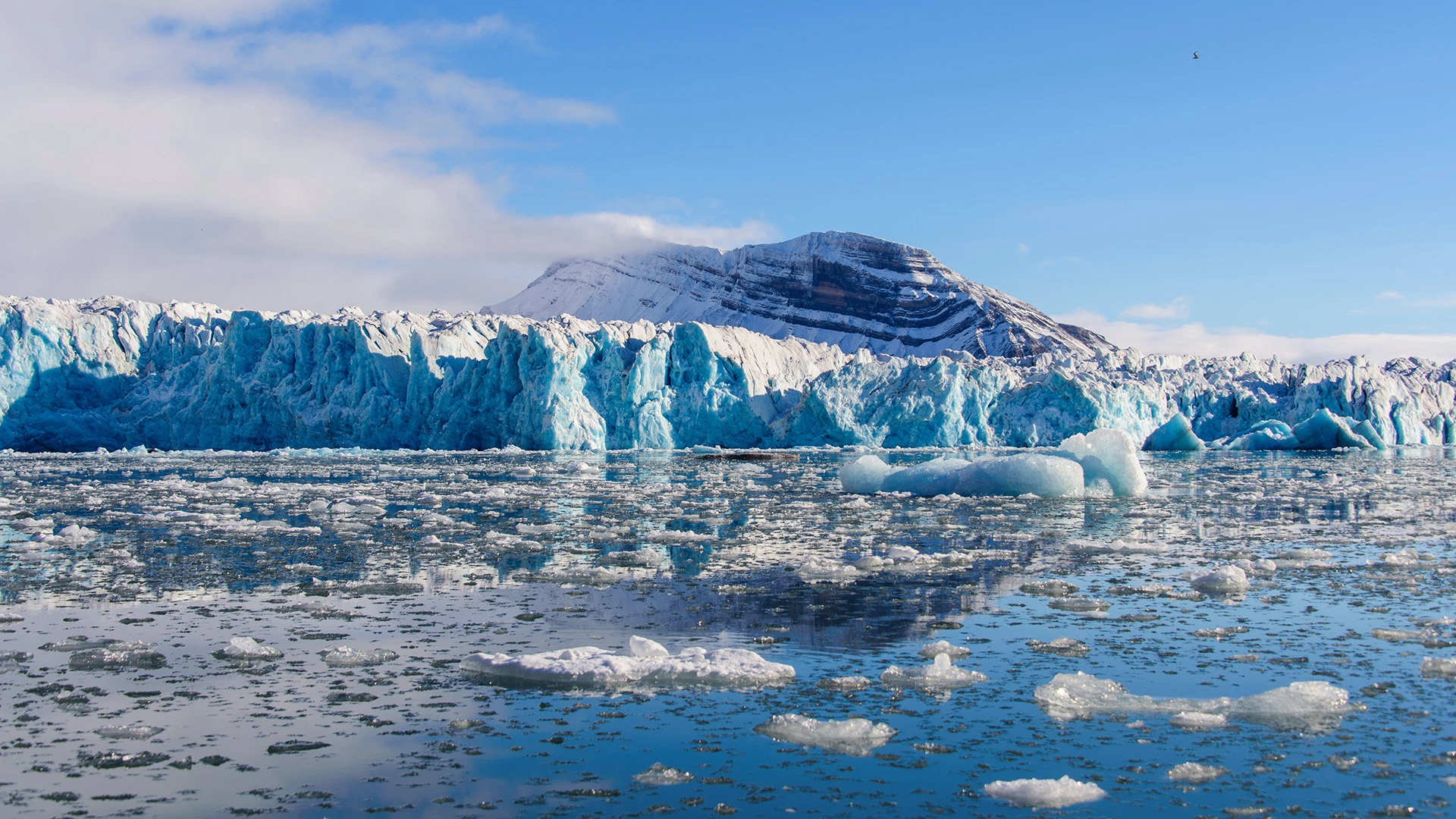
Iceland in winter is not solely about the aurora. The natural wonders of Iceland are at their most dramatic in the cold months. The ice caves that form each winter inside the Vatnajökull glacier, the largest in Europe outside Greenland, are accessible only from November to March, when temperatures stay low enough to keep the ice stable. Walking into a glacier cave, surrounded by blue ice that has been forming for centuries, is one of the most extraordinary experiences Iceland offers. One that cannot be had in summer.
The Diamond Beach, where icebergs wash up on black sand, is magnificent year-round but extraordinary in winter light. Waterfalls freeze at their edges. And Iceland’s geothermal pools take on a different quality altogether when you are immersed in 38-degree water with snow on the ground and the aurora overhead.
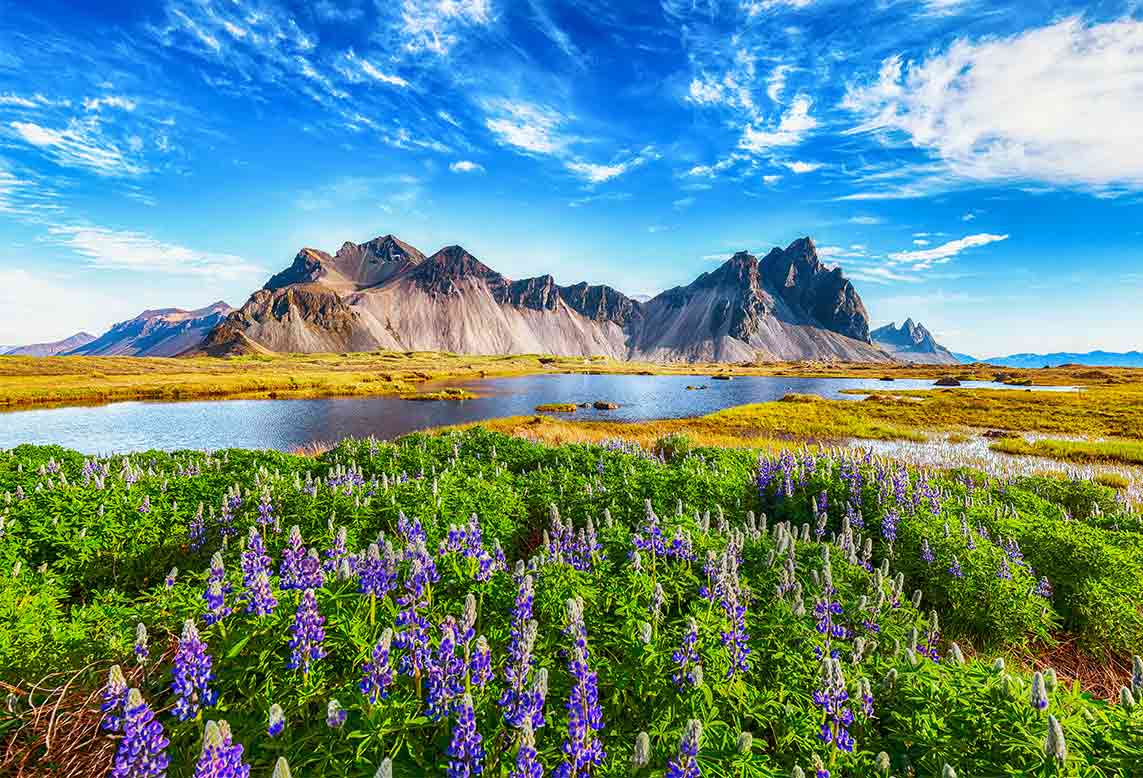
The best time to visit Iceland for wildlife and photography is summer, when the midnight sun keeps the country lit for up to 24 hours. Around the solstice, the light in the hours around midnight, golden, low, directional, is extraordinary. Lupins cover the roadside verges in purple. The lava fields glow.
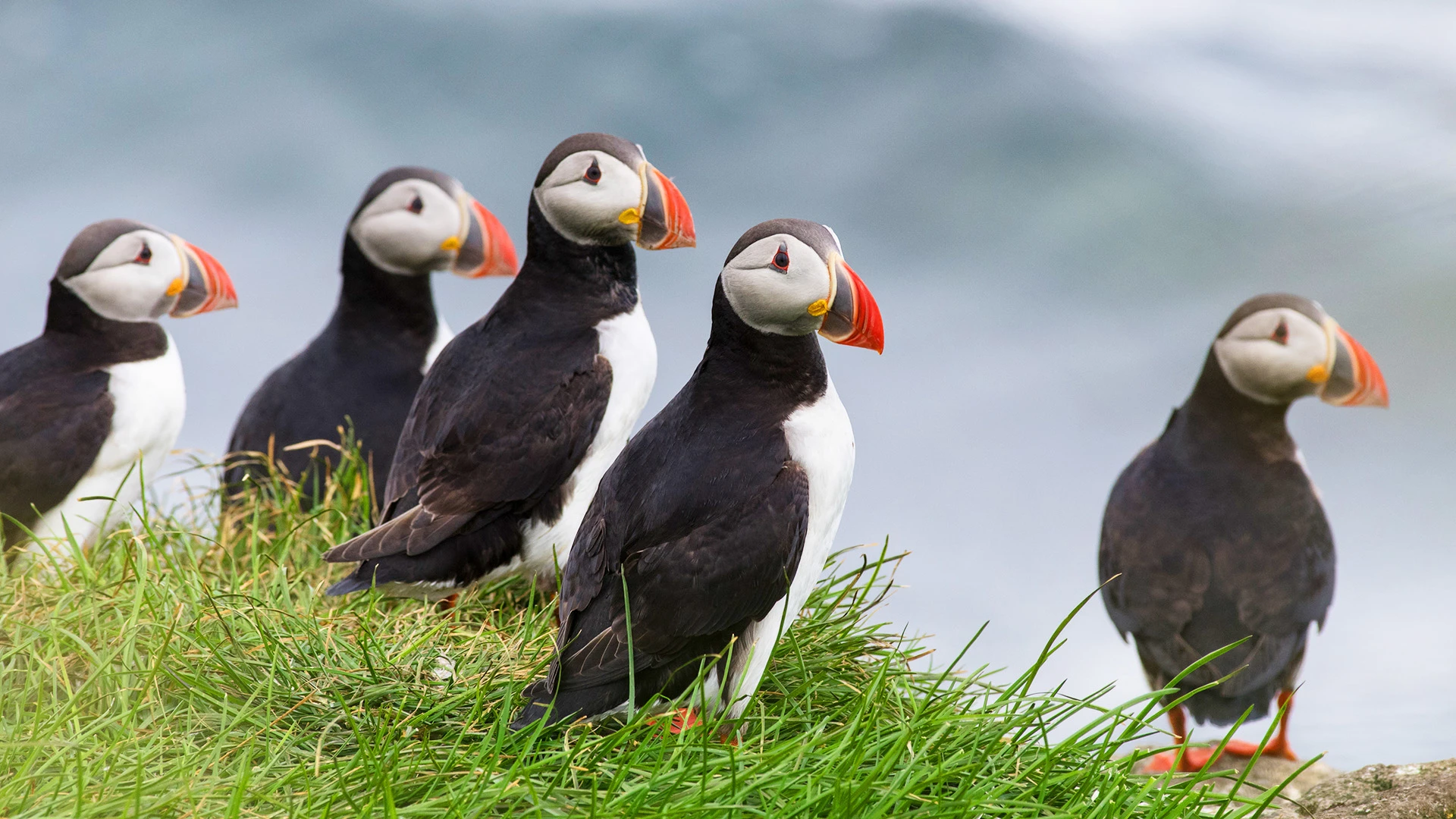
Summer is also the puffin season. Between May and August, several million Atlantic puffins nest on Iceland’s clifftops: at Látrabjarg on the Westfjords, at Dyrhólaey near Vík, and on Vestmannaeyjar, which holds the largest puffin colony in the world. At Látrabjarg, they will land within arm’s reach.
The interior of Iceland’s uninhabited highland plateau, accessible only when summer opens the mountain roads, is one of the great wilderness landscapes in Europe. The Landmannalaugar area, with rhyolite mountains in shades of pink, orange, and green, looks genuinely unreal. The Laugavegur trail running 55 kilometres to Þórsmörk is one of the finest multi-day hikes in the world. None of it is accessible in winter.
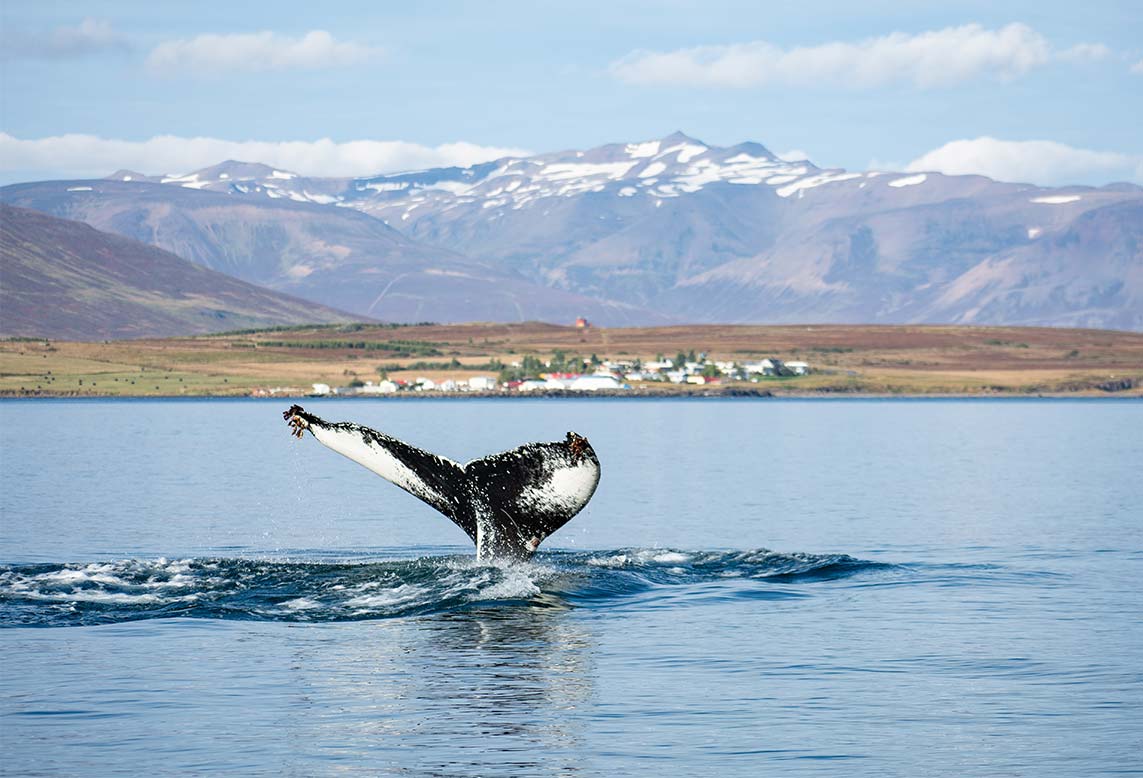
Good to know: Humpback whales, minke whales, and white-beaked dolphins are reliably sighted on whale watching trips from Húsavík in northern Iceland between May and September. Húsavík is considered the whale watching capital of Europe and the sighting rates are exceptional. It pairs naturally with a visit to Lake Mývatn, Iceland’s great birdwatching lake, and the geothermal landscape of the north.
April and September are increasingly the answers that experienced Iceland travellers give when asked about the best time to visit. Both months combine elements of the two main seasons in ways that reward the traveller who plans carefully.
In September, the aurora returns as the nights lengthen while summer wildlife is still present. Puffins are departing, whale watching remains excellent, the interior roads are still open, and tourist numbers are noticeably lower than August.
April reverses the equation. The aurora is still possible before the nights shorten. Puffins begin arriving from mid-April. Ice caves are at the end of their season. Long hours of golden spring sun fall on a landscape still largely white. April feels like catching Iceland in transition, which is exactly what makes it so compelling.
Ready to plan your Iceland expedition? We design bespoke Iceland itineraries for every season, from dark-sky aurora trips in the Westfjords to midnight sun hiking in the interior. Get in touch with the Exclusive Expeditions team to start planning.
Iceland pairs naturally with Svalbard and the High Arctic for a wider polar itinerary, or with Greenland for an extended North Atlantic expedition. Find out what an expedition holiday actually is and whether it is right for you.
Every journey we offer is handpicked by our specialists. These are the ones we recommend most.
15 Nights From £4,700pp
Explore Iceland, Greenland, and Newfoundland, discovering glaciers, fjords, wildlife, and rugged North Atlantic shores.
View details14 Nights From £5,650pp
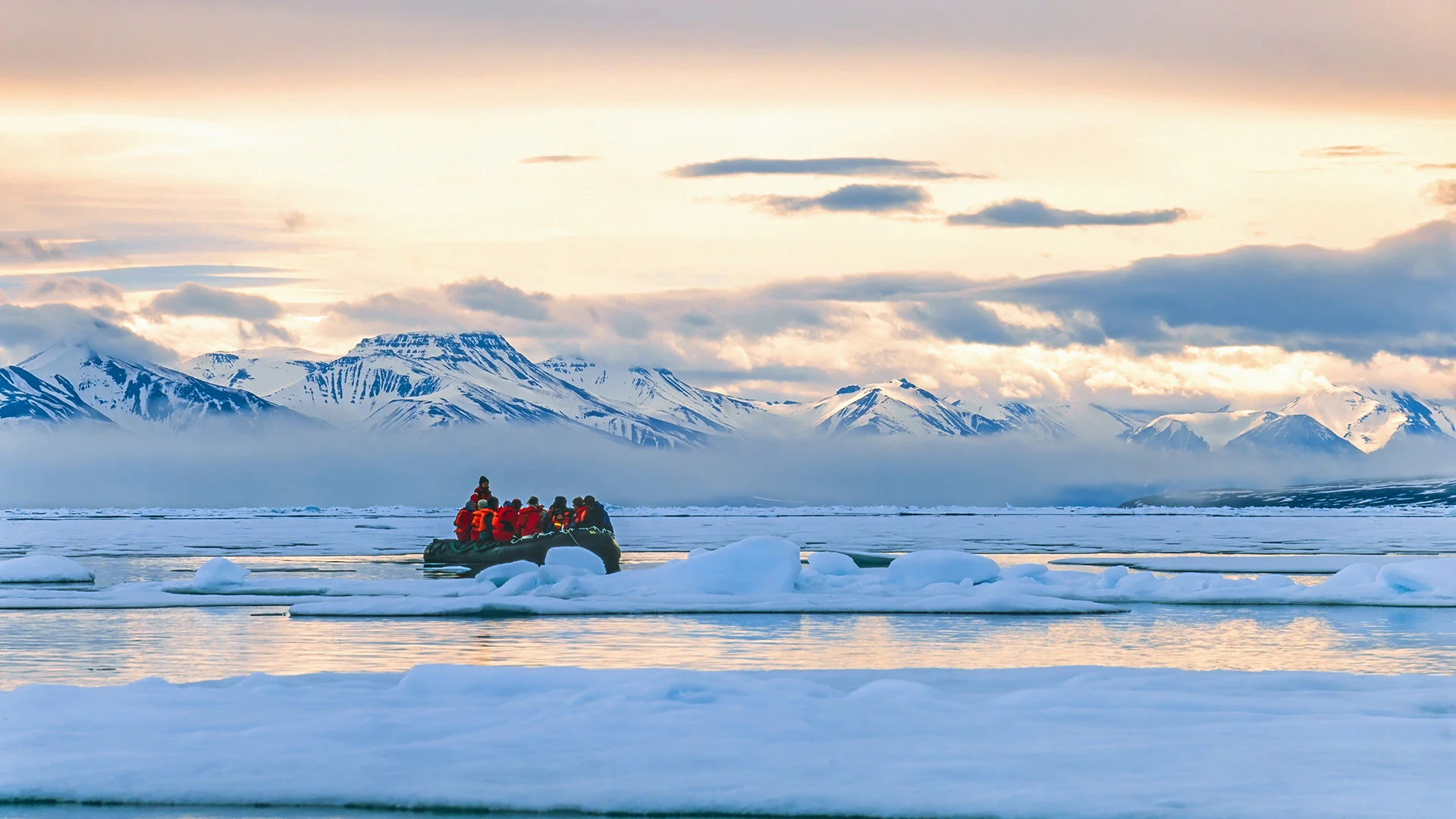
Sail north from Iceland to Svalbard via Greenland, exploring fjords, glaciers, wildlife, and Arctic cultures.
View details18 Nights From £7,850pp
Sail from Reykjavik to Longyearbyen, this expedition blends adventure, wildlife, and dramatic Arctic landscapes.
View details13 Nights Nights From £11,800pp
Discover Iceland and Greenland in luxury, exploring towering fjords, glaciers, wildlife, and breathtaking Arctic scenery.
View details17 Nights From £18,500pp
Journey south from Svalbard through Greenland to Iceland, discovering glaciers, wildlife, and Arctic wonders.
View details12 Nights From £7,500pp
Explore Iceland and Greenland’s wild beauty, from dramatic fjords and glaciers to rich wildlife and remote Arctic shores.
View details10 Nights From £7,800pp
Sail north from Iceland to Svalbard, exploring dramatic fjords, Arctic wildlife, and remote polar landscapes.
View detailsYour message has been submitted successfully.
Ready to start planning? Our specialists are here to help.
An expert field guide to Antarctica’s remarkable wildlife The first thing you notice at an Antarctic landing is the noise....
Read nowChiang Mai city guide: Ancient temples, mountain sanctuaries & Lanna culture Tucked into the misty mountains of Northern Thailand, Chiang...
Read nowVietnam Weather in February: Regional Climates, Ideal Seasons & Travel Advice Pack a jacket for Hanoi and sunscreen for Ho...
Read nowA single small island holds all of this: the world's densest population of leopards, herds of wild elephants numbering in...
Read nowWhat to pack for wildlife photography holidays: essential kit & field gear Capturing animals in the wild comes down to...
Read nowGuided Safaris in Mikumi National Park: Exploring Tanzania's Southern Wilderness Four and a half hours west of Dar es Salaam,...
Read nowAn expert field guide to Antarctica’s remarkable wildlife The first thing you notice at an Antarctic landing is the noise....
Read nowChiang Mai city guide: Ancient temples, mountain sanctuaries & Lanna culture Tucked into the misty mountains of Northern Thailand, Chiang...
Read nowVietnam Weather in February: Regional Climates, Ideal Seasons & Travel Advice Pack a jacket for Hanoi and sunscreen for Ho...
Read nowA single small island holds all of this: the world's densest population of leopards, herds of wild elephants numbering in...
Read nowWhat to pack for wildlife photography holidays: essential kit & field gear Capturing animals in the wild comes down to...
Read nowGuided Safaris in Mikumi National Park: Exploring Tanzania's Southern Wilderness Four and a half hours west of Dar es Salaam,...
Read now