Wildlife in Antarctica
An expert field guide to Antarctica’s remarkable wildlife The first thing you notice at an Antarctic landing is the noise....
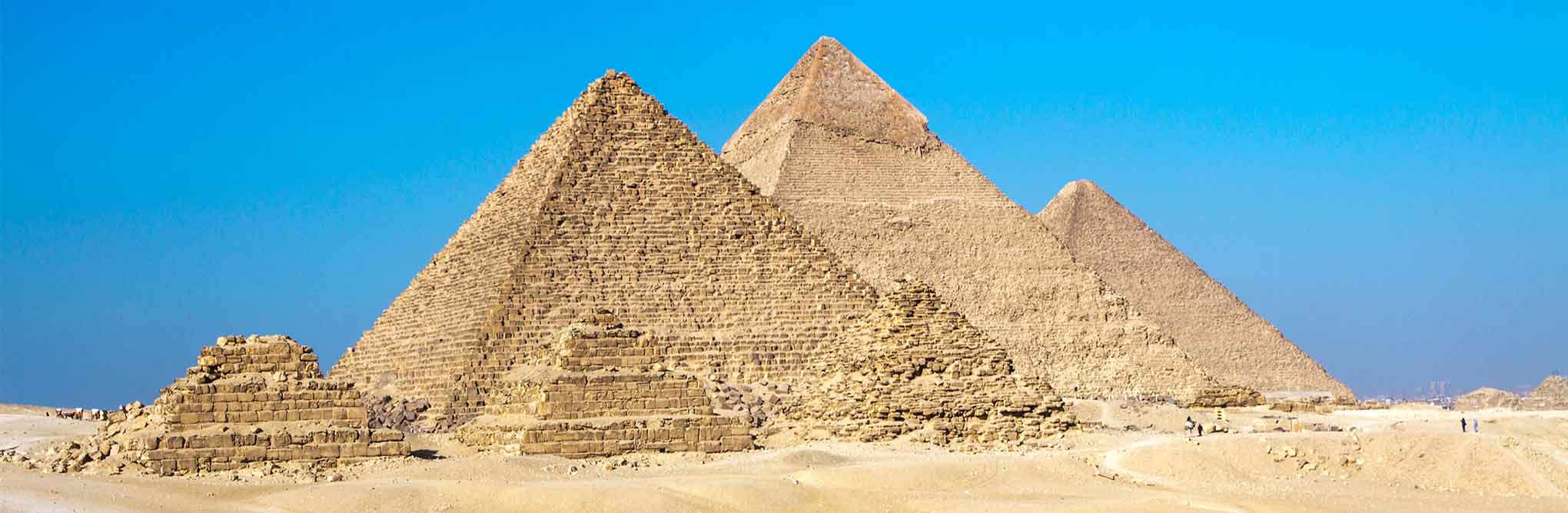
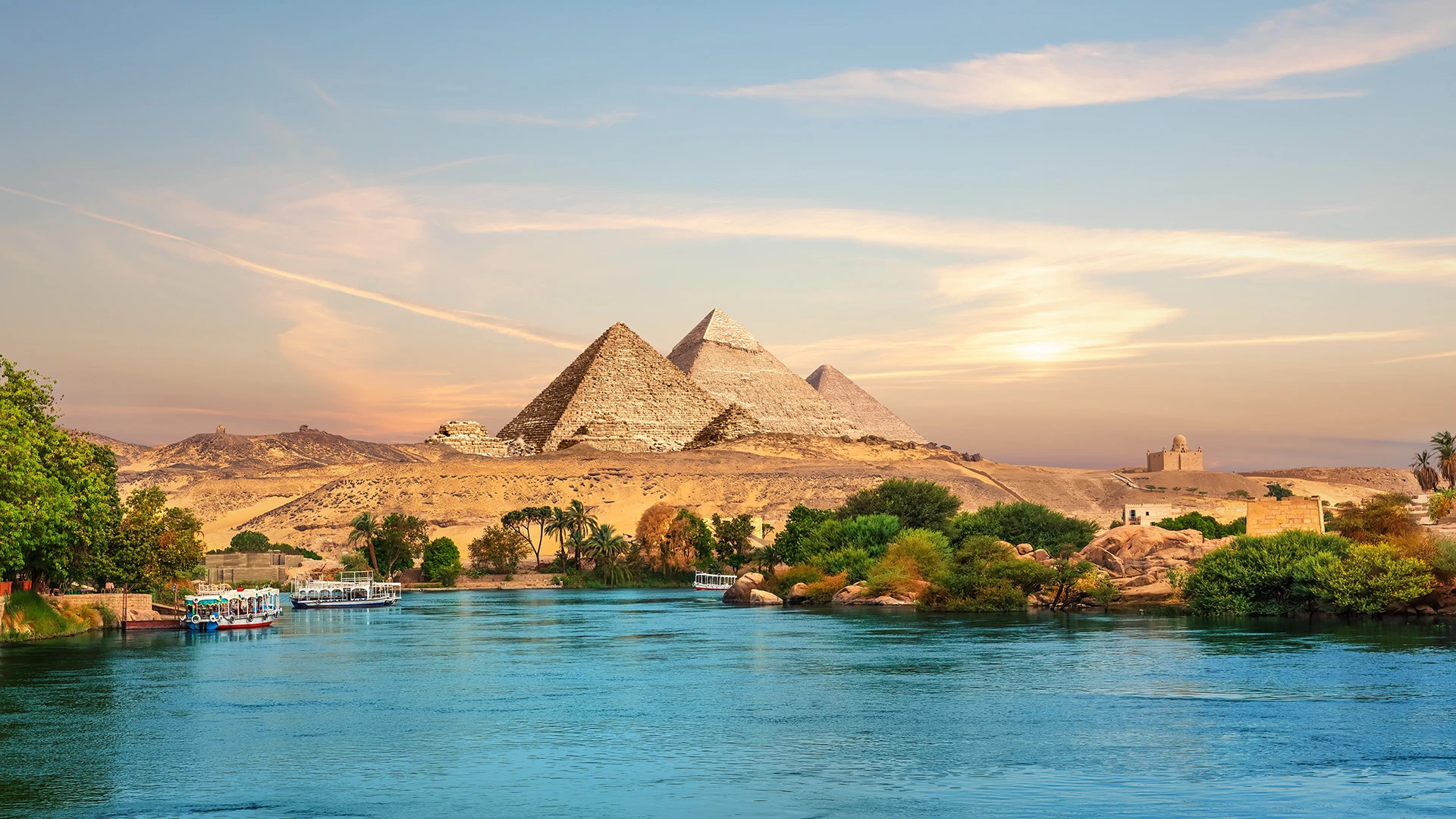
Read nowThe pyramids of Giza have been standing for 4,500 years, and they will not move. But how you experience them, whether you are sharing the site with several thousand other visitors or standing in the pre-dawn silence as the sun rises over the plateau, depends entirely on when you go and how you plan it.
Egypt rewards the traveller who thinks carefully about timing. The best time to visit Egypt is not simply a question of weather, it is a question of access. Access to the great monuments, to the Nile, to the temples and tombs at the heart of one of the oldest civilisations on earth. At Exclusive Expeditions, we design Egypt itineraries built around exactly this kind of access. Here is how to use the calendar to your advantage.
The cool season, running from October through to February, is the most comfortable time to visit Egypt. Temperatures across Upper Egypt: Luxor, Aswan, Abu Simbel, drop to manageable levels, typically between 20 and 28 degrees during the day. Cairo is mild. The Red Sea coast remains warm enough for diving and snorkelling. And the Nile, the artery along which Egypt’s greatest monuments are arranged, is at its most inviting for a river journey.
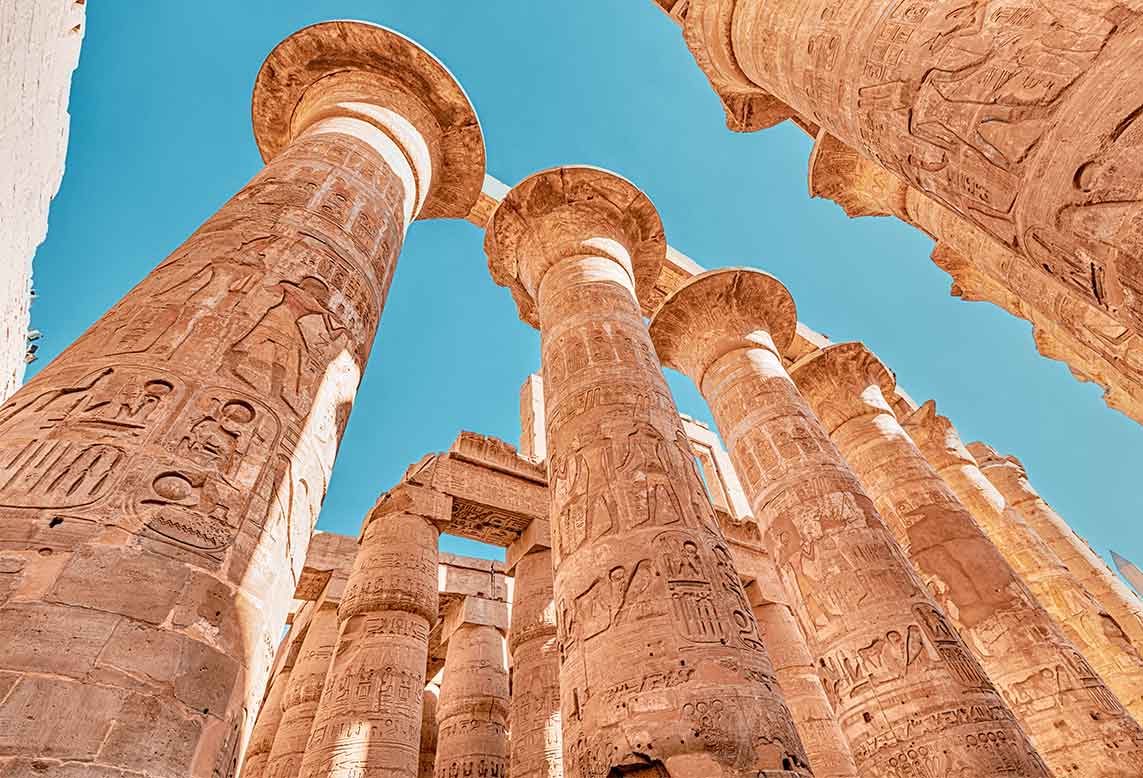
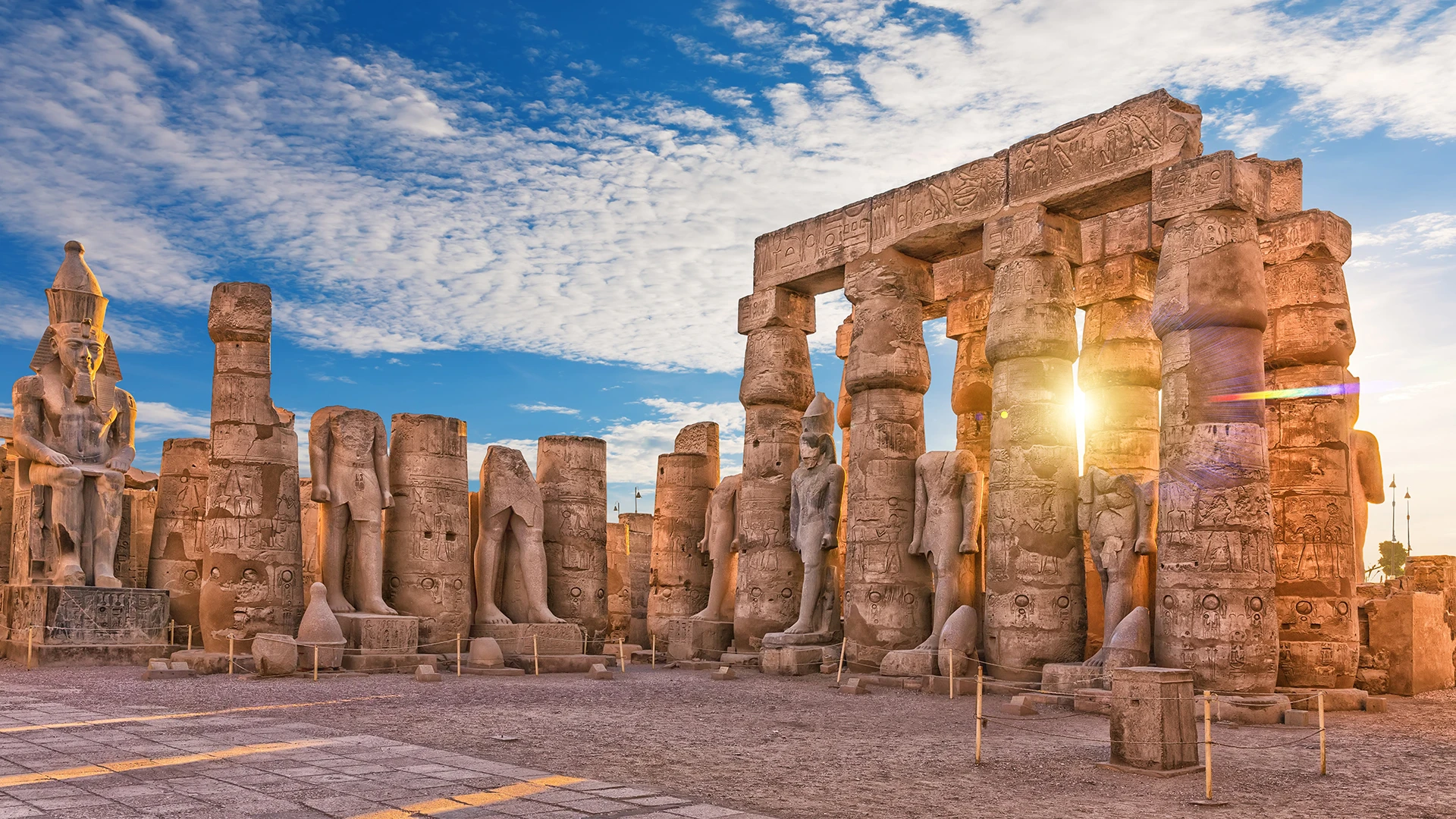
This is peak tourist season, which matters less than people assume if you plan well. The real advantage is not the weather alone, it is the quality of the light. Low winter sun angles across the temples at Karnak and the Valley of the Kings with warmth and directionality that summer’s harsh overhead light cannot replicate. Early morning visits put you at the entrance of the great tombs before the main groups arrive. For an hour at dawn, with the right access, the Valley of the Kings belongs to you.
EE recommends: Private early access to the Valley of the Kings, before the site officially opens to the general public, is available through specialist operators. It is one of the most extraordinary experiences Egypt offers, and one that most visitors don’t know is possible. Ask us about our Egypt journeys and what exclusive access arrangements we can make.
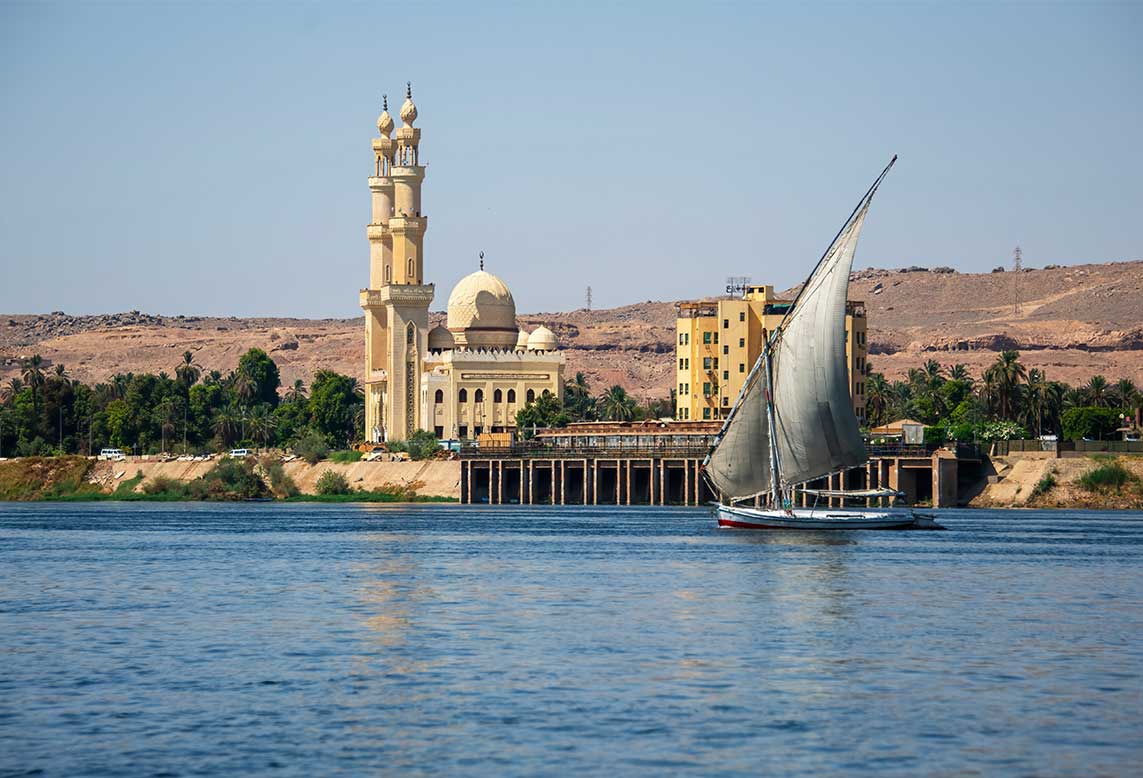
The Nile cruise is one of the greatest journeys in world travel. But the version that most people take, a large floating hotel shared with several hundred other passengers, stopping at the same jetties at the same times as every other vessel, is not the version worth taking. The best way to experience the Nile is by private dahabiya: the traditional two-masted sailing vessel that was the preferred mode of travel for 19th-century explorers and aristocrats, and that remains the most elegant and intimate way to travel the river.
A private dahabiya carries between eight and sixteen passengers, sailing under wind power and mooring at villages and temple sites larger cruise ships never visit. You stop when something is worth stopping for, not when a schedule dictates. Between Luxor and Aswan, the river passes through a landscape unchanged in two thousand years: narrow green fields, fishermen in small boats, and palm-lined banks with temples emerging from the desert behind them.
November to March is the ideal window for a dahabiya journey. The winds along this stretch of the Nile blow predominantly from the north, meaning a vessel travelling south can sail under wind power alone – the same physics the ancient Egyptians understood, and that made the Nile the engine of their civilisation.
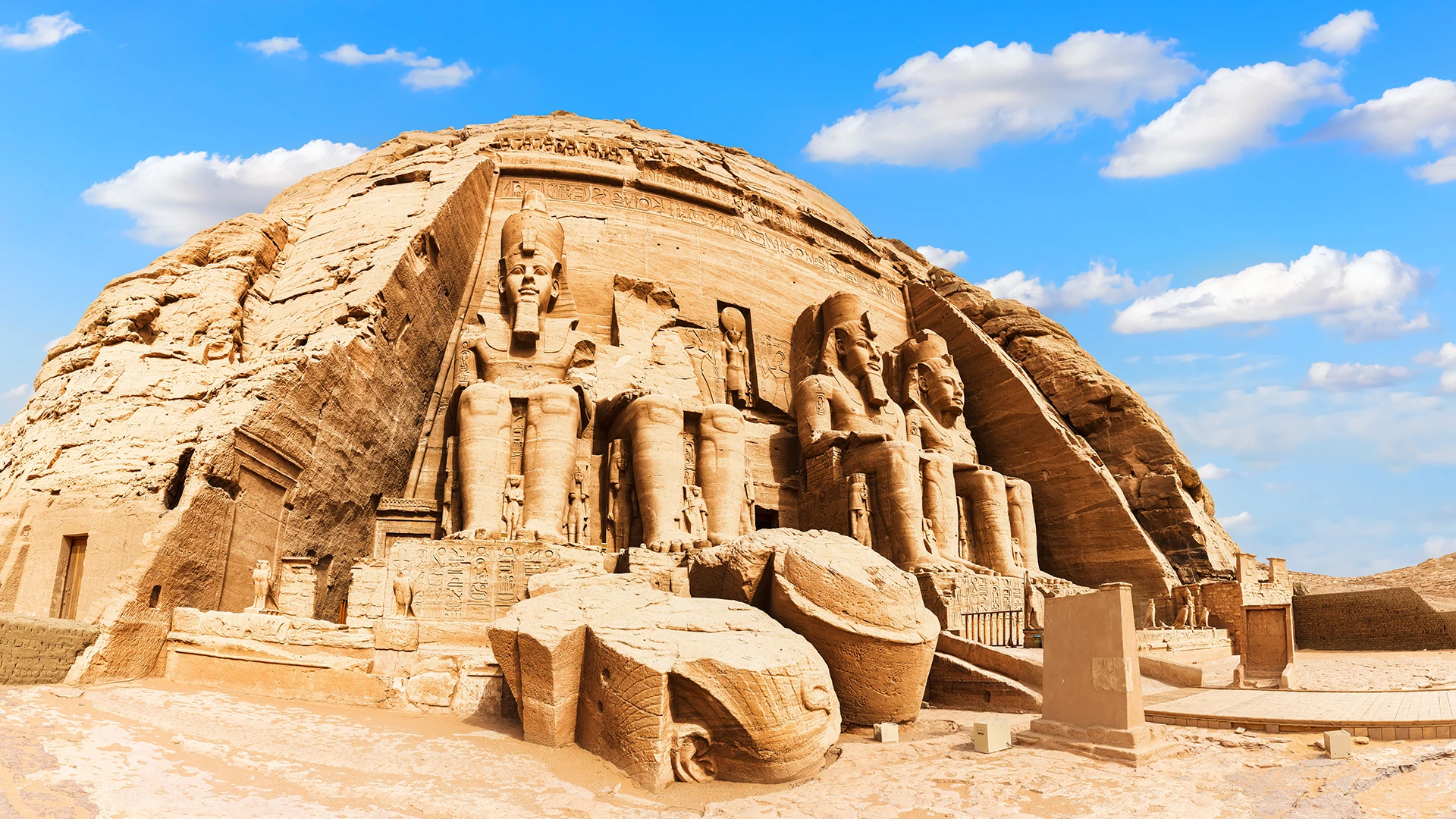
Good to know: Abu Simbel is best visited in October or February, when the sun illuminates the innermost sanctuary of the temple, a phenomenon engineered by the ancient Egyptians with extraordinary precision. Only twice a year, on the 22nd of each month, does the sun reach the back wall. Timing a visit around this is one of the most memorable things Egypt offers.
March and April occupy a middle ground that experienced travellers increasingly favour. Peak season thins, prices soften, and temperatures remain comfortable, typically 25 to 32 degrees in North Egypt. The light is excellent and the main sites noticeably quieter.
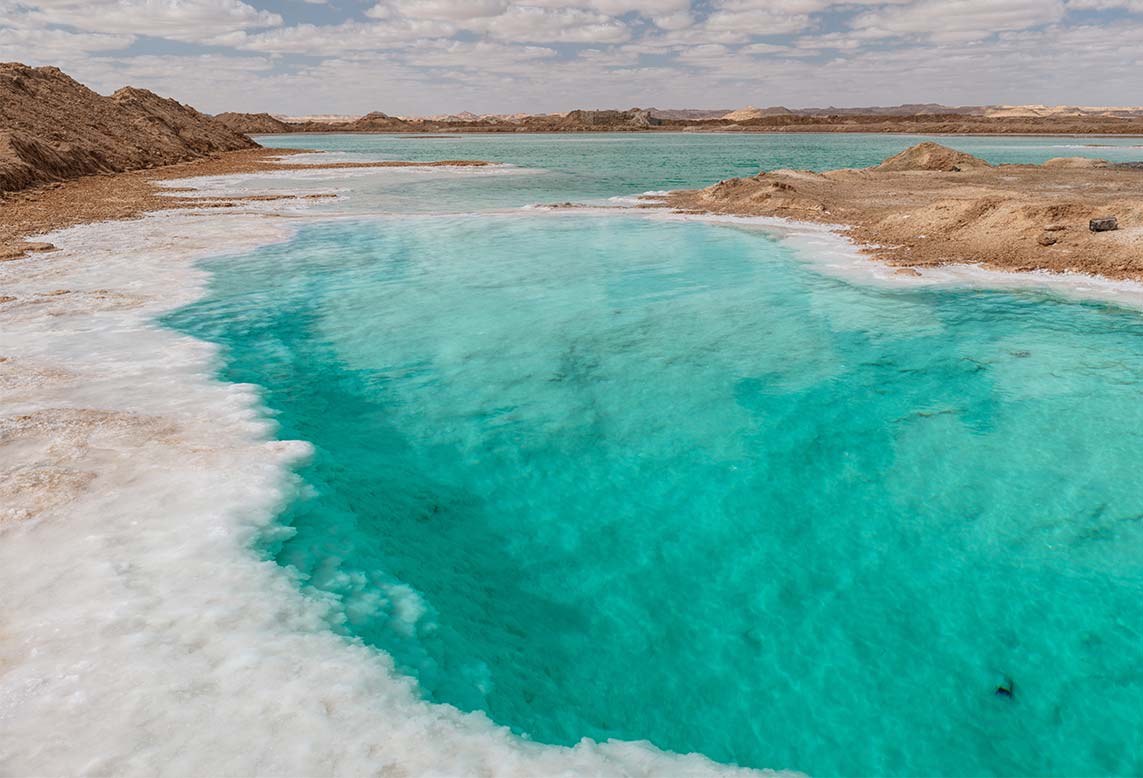
Spring is also when the Western Desert oases, Siwa, Bahariya, Farafra, are most rewarding. The White Desert, where chalk formations create a landscape of extraordinary shapes and colours, is best explored before the summer heat arrives. March is an excellent time for it.
By May, temperatures in Luxor and Aswan regularly exceed 40 degrees. Summer sees visitor numbers at their lowest and prices cheapest, but the heat makes extended outdoor visits challenging. Summer travellers are better placed in Cairo, Alexandria, or the Red Sea, where diving and snorkelling are excellent year-round.
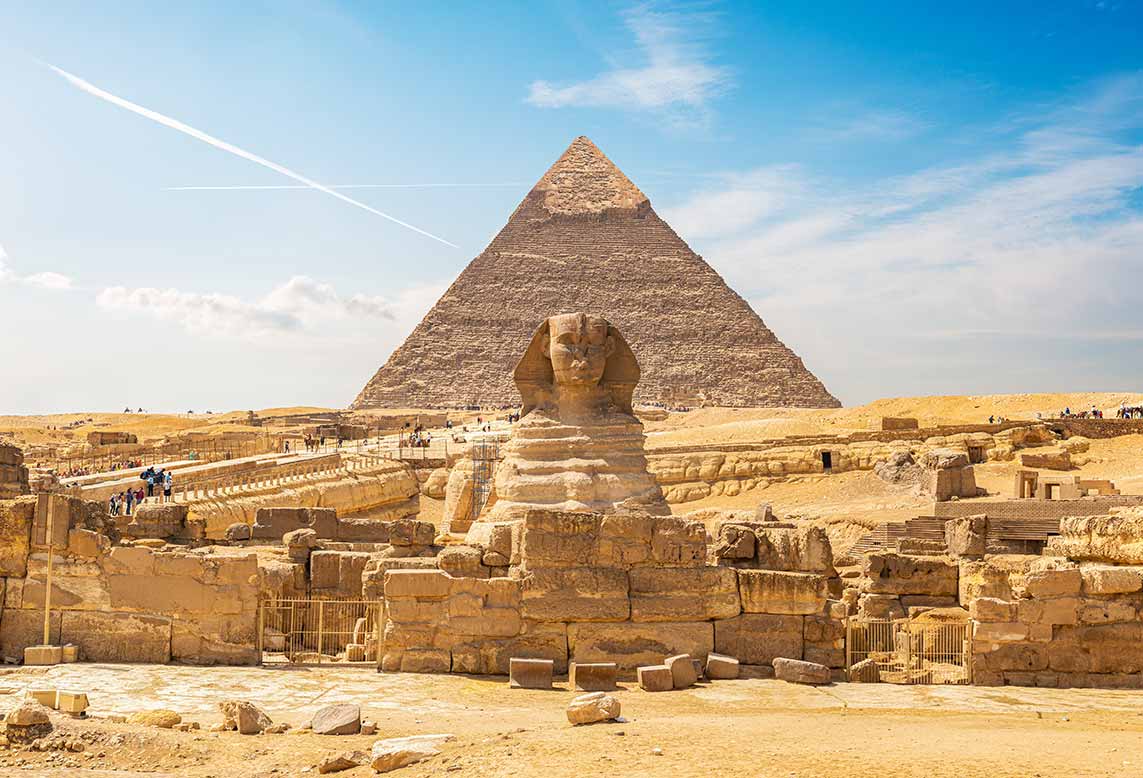
The Giza plateau is one of the most visited sites on earth. In peak season the approach road fills with tour buses by mid-morning. The way around this is not to avoid peak season, it is to arrive before it matters.
The plateau opens at dawn. Private visits access the site in the first hour, before the main groups arrive. With the rising sun casting long shadows across Khufu, Khafre, and Menkaure, and the Sphinx catching the low eastern light, the scale becomes comprehensible. The silence makes the age of the place feel real. This is the Egypt most visitors fly home without having seen.
The same principle applies across the country. Private access to the tombs of the nobles in Luxor, to Karnak at first light, to the temple of Philae at dusk – these are the moments that separate a specialist-led Egypt journey from a standard tour. The best time to visit Egypt is whenever you can arrange to see it properly.
We design bespoke Egypt itineraries with private early access to the great monuments, dahabiya journeys on the Nile, and overland routes into the Western Desert. Get in touch with the Exclusive Expeditions team to start planning.
Every journey we offer is handpicked by our specialists. These are the ones we recommend most.
8 Nights From £5,600pp
Ancient wonders, serene Nile, desert adventures and rich culture await your discovery in Egypt!
View details9 Nights From £6,950pp
Cairo to Aswan aboard the Kemet Dahabeya, with stays at the Four Seasons and Old Cataract
View details10 Nights From £5,100pp
An 10-night Egypt journey combining Cairo’s pyramids with a luxury Nile cruise, expert-guided temples, culture and scenery.
View details9 Nights From £7,400pp
Cairo to Aswan aboard the Historia Nile Cruise, with the Four Seasons and Sofitel Legend Old Cataract
View detailsYour message has been submitted successfully.
Ready to start planning? Our specialists are here to help.
An expert field guide to Antarctica’s remarkable wildlife The first thing you notice at an Antarctic landing is the noise....
Read nowChiang Mai city guide: Ancient temples, mountain sanctuaries & Lanna culture Tucked into the misty mountains of Northern Thailand, Chiang...
Read nowVietnam Weather in February: Regional Climates, Ideal Seasons & Travel Advice Pack a jacket for Hanoi and sunscreen for Ho...
Read nowA single small island holds all of this: the world's densest population of leopards, herds of wild elephants numbering in...
Read nowGuided Safaris in Mikumi National Park: Exploring Tanzania's Southern Wilderness Four and a half hours west of Dar es Salaam,...
Read nowWhere to travel in December: The best global destinations for winter expeditions December carries a unique energy for global exploration....
Read nowAn expert field guide to Antarctica’s remarkable wildlife The first thing you notice at an Antarctic landing is the noise....
Read nowChiang Mai city guide: Ancient temples, mountain sanctuaries & Lanna culture Tucked into the misty mountains of Northern Thailand, Chiang...
Read nowVietnam Weather in February: Regional Climates, Ideal Seasons & Travel Advice Pack a jacket for Hanoi and sunscreen for Ho...
Read nowA single small island holds all of this: the world's densest population of leopards, herds of wild elephants numbering in...
Read nowGuided Safaris in Mikumi National Park: Exploring Tanzania's Southern Wilderness Four and a half hours west of Dar es Salaam,...
Read nowWhere to travel in December: The best global destinations for winter expeditions December carries a unique energy for global exploration....
Read now