


How to choose Safari Reserve South Africa
How to choose the best safari reserve in South Africa: Private concessions vs Greater Kruger The right safari reserve in...
Read nowThe world is large. Expedition travel opens up the parts of it that most travellers never reach. But with so many extraordinary places to choose from, where do you actually start?
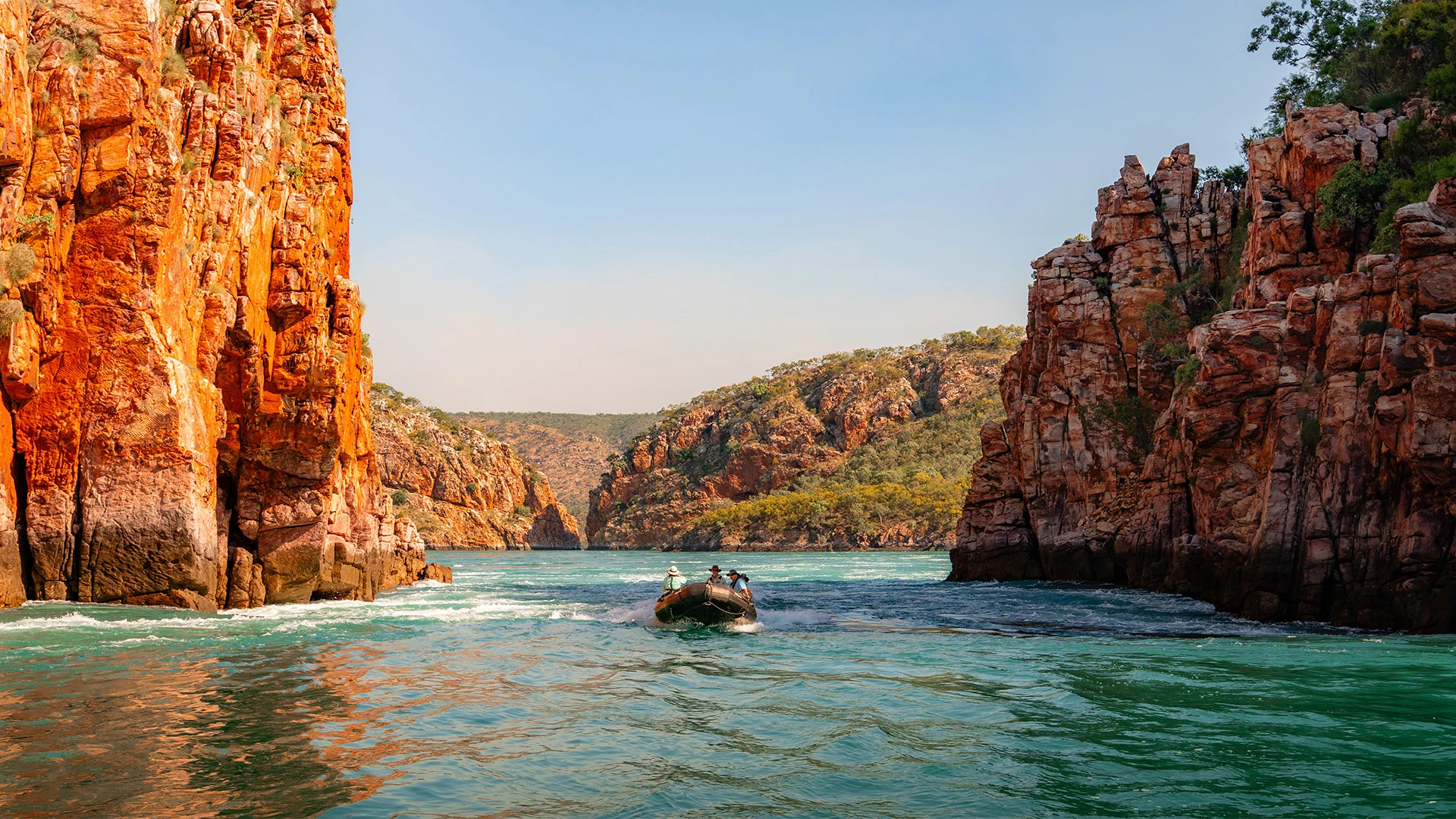
That is the question our specialists at Exclusive Expeditions answer every day. Here are our ten best expedition destinations in the world for 2026 – chosen for the quality of wildlife, the drama of the scenery, and the kind of experience that genuinely stays with you.
New to expedition travel? Start here: What Is an Expedition Holiday? – everything you need to know before you book.
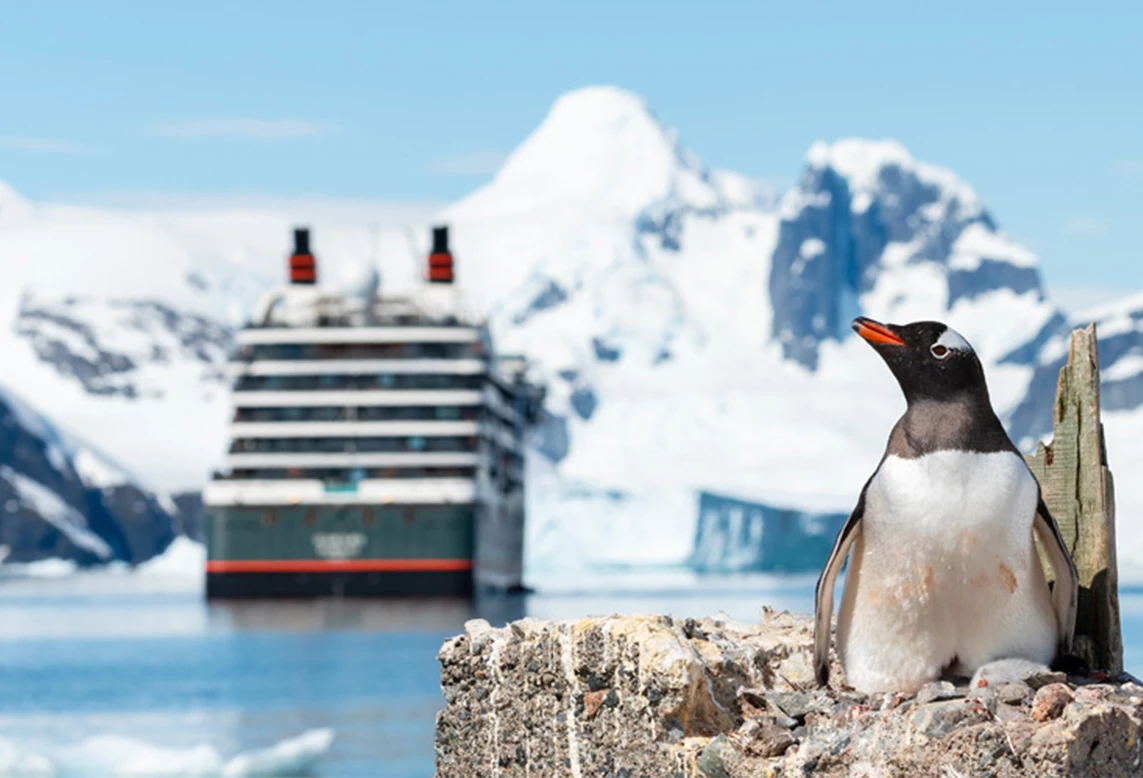
Best for: Wildlife, sheer spectacle, the ultimate bucket list
There is nothing quite like it. Not anywhere. Antarctica is a continent of cathedral-scale icebergs, penguin colonies numbering in the millions, leopard seals lounging on ice floes, and humpback whales surfacing alongside your Zodiac. Even the light is extraordinary – golden and crystalline even at midnight during the austral summer.
Most expeditions operate from November to March. They sail from Ushuaia, at the tip of Argentina, across the Drake Passage to the Antarctic Peninsula. The crossing is part of the experience – two days of open Southern Ocean with albatrosses trailing the ship and the air growing colder with every mile. The reward on the other side is worth every wave.
Antarctica also rewards repeat visits. Early season brings pristine snow and penguin courtship. Mid-season offers the longest days and the best whale sightings. Late season sees enormous numbers of whales gather as the sea ice recedes. There is no bad time to go.
Best for: Polar bears, midnight sun, raw Arctic wilderness
Halfway between Norway and the North Pole, Svalbard is the most accessible introduction to the High Arctic – and one of the best places on earth to see polar bears in the wild. Drifting sea ice. Towering bird cliffs. Ancient glaciers. Vast, empty horizons that make you feel very small in the best possible way.
Expedition cruises operate from June to August, when the midnight sun keeps the landscape lit around the clock. Wildlife activity is intense. Walrus colonies lounge on beaches. Vast flocks of seabirds fill the air. Bearded seals bob in the water alongside your Zodiac. And throughout every day, there is always the possibility of a polar bear on the ice.
Svalbard is also an excellent choice for first-time expedition travellers. Flights into Longyearbyen are easy from the UK, the wildlife density is high, and the experience rarely disappoints. Browse our Arctic expedition holidays to find the right voyage.
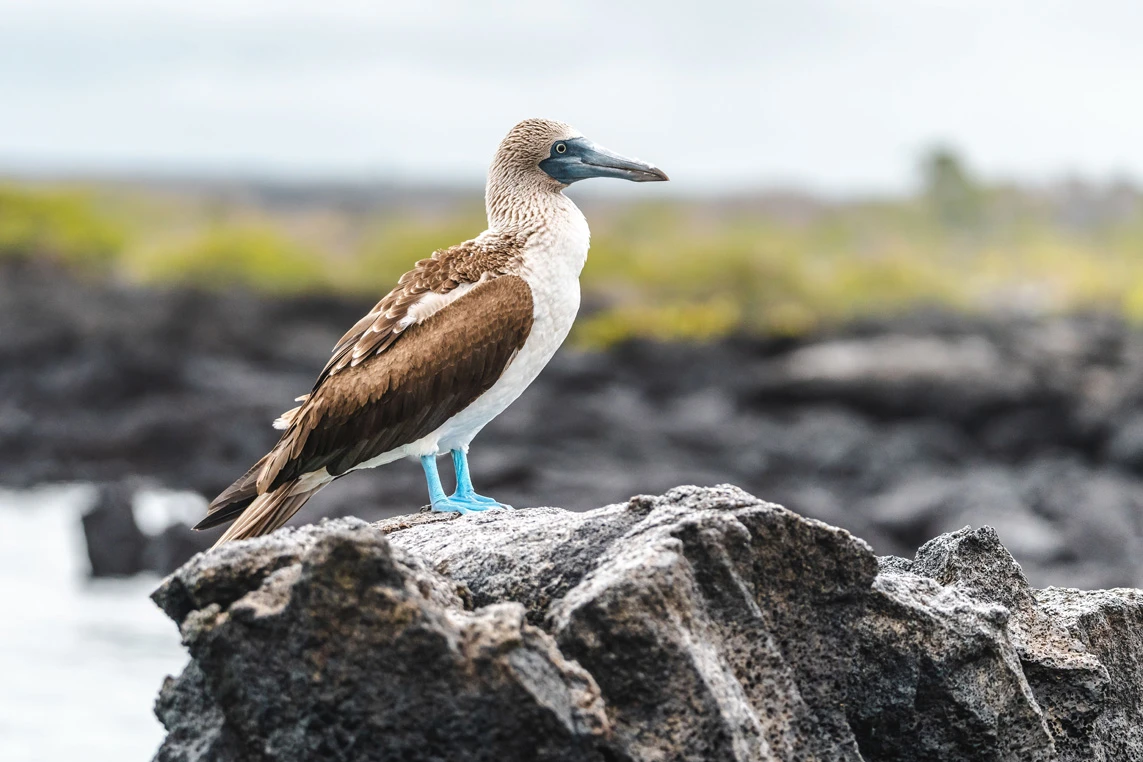
Best for: Wildlife found nowhere else on earth, snorkelling, natural history
Few places justify the word ‘extraordinary’ as consistently as the Galapagos. Located 900 kilometres west of Ecuador, this volcanic archipelago evolved in complete isolation for millions of years. The result is wildlife found nowhere else on the planet.
Marine iguanas swim in cold Pacific water. Blue-footed boobies perform their famous courtship dances on open lava fields. Giant tortoises graze in highland meadows. And crucially, none of them is afraid of you. These animals evolved without terrestrial predators, so they have no instinctive fear of humans. You can sit within a few feet of a nesting albatross, and it simply will not move. It is one of the most intimate wildlife experiences available anywhere.
Galapagos expeditions are closely regulated to protect the ecosystem. Only certified naturalist guides lead groups ashore, and visitor numbers at each site are strictly controlled. The result is conservation-first expedition travel at its best.
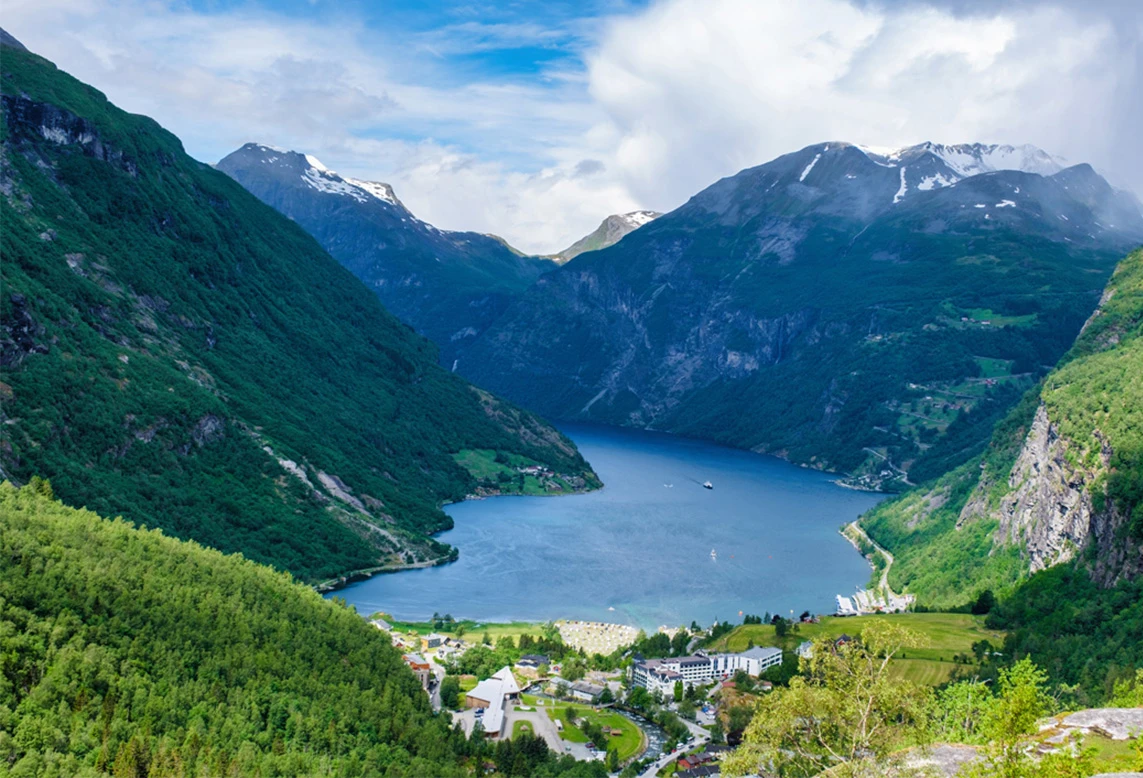
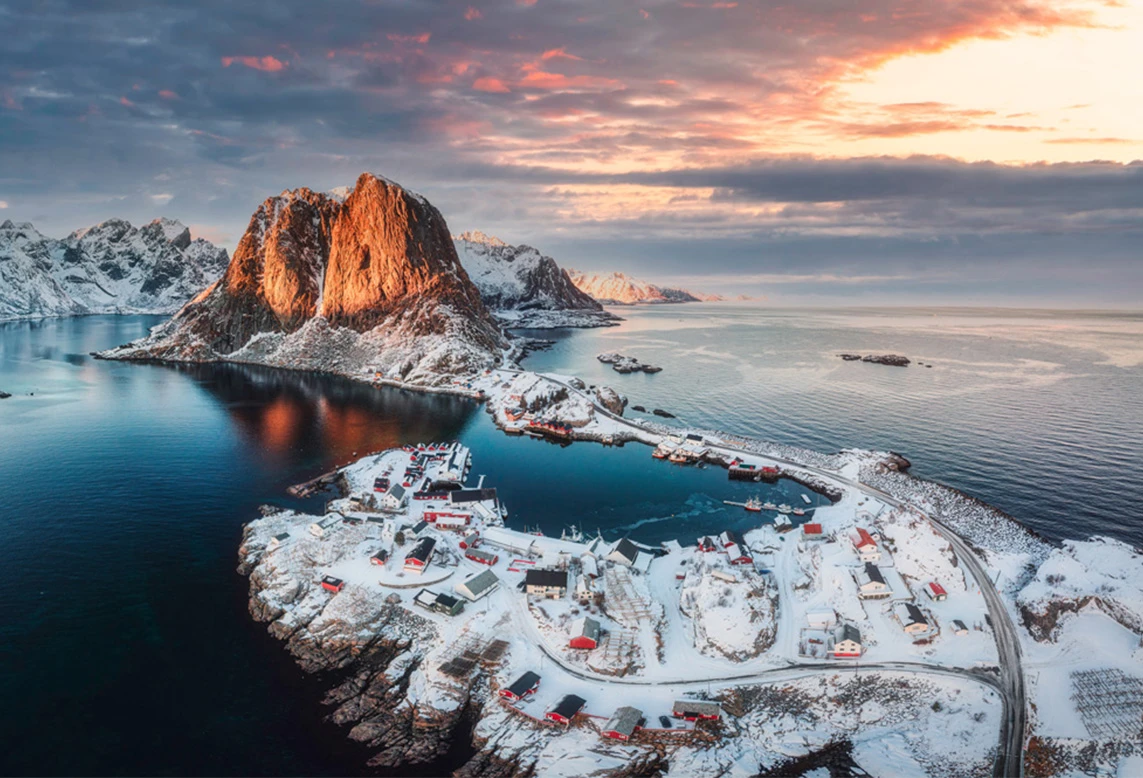
Best for: Dramatic scenery on Europe’s doorstep, wildlife, Northern Lights
Norway’s fjords offer world-class expedition scenery without a long-haul flight. Sheer rock walls rise thousands of metres from the water. Waterfalls tumble directly into the sea. Painted wooden villages perch at the water’s edge. In the right season, the Northern Lights dance overhead.
Exploring by small expedition ship reveals a Norway that road trips cannot access. Hidden arms of fjords. Remote fishing communities. High plateaux where reindeer graze under an Arctic sky. Summer brings the midnight sun and extraordinary photographic light. Winter brings aurora expeditions that offer some of the best Northern Lights viewing in Europe.
For travellers new to small-ship expedition travel, Norway is a superb starting point. You get the drama and remoteness of a proper expedition without flying to the ends of the earth to find it. Get in touch with our team to explore Norway itineraries.
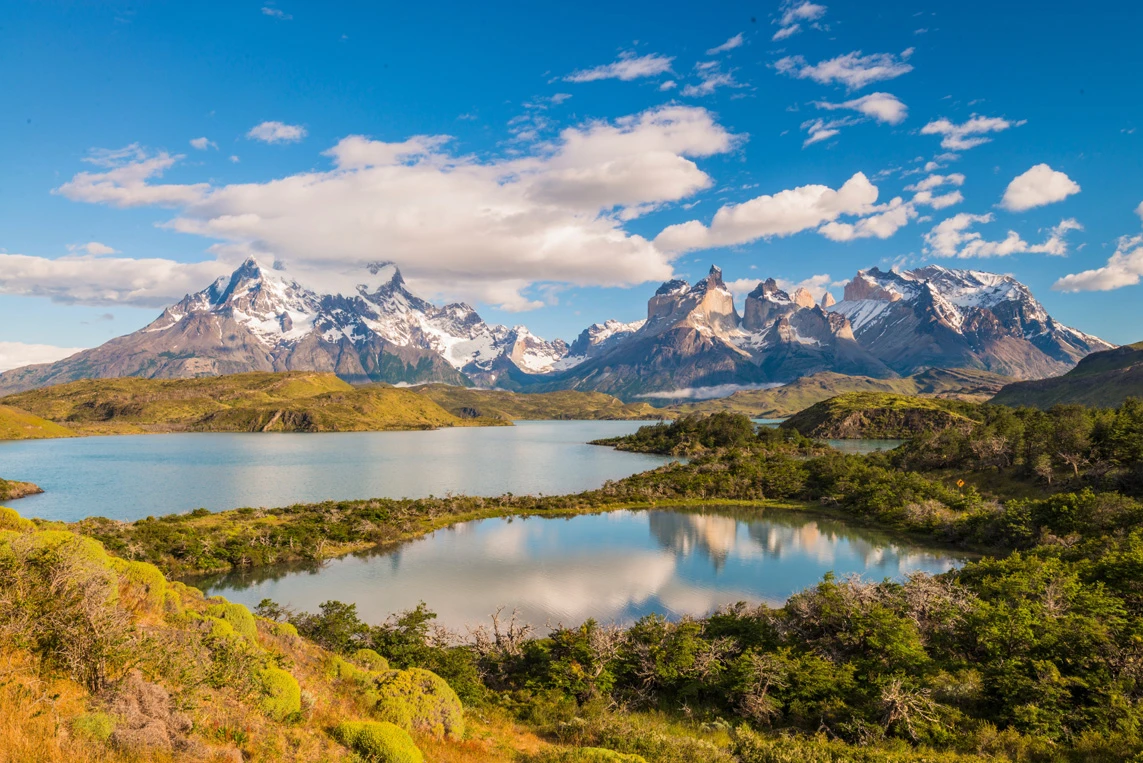
Best for: Wild landscapes, end-of-the-world drama, natural combination with Antarctica
Patagonia is not a country or a precise region. It is a feeling. The southern tip of South America, split between Argentina and Chile, is one of the most spectacular landscapes on earth. Torres del Paine’s granite spires. The Perito Moreno Glacier is advancing with a thunderous crack into Lago Argentino. The channels and fjords of Chilean Patagonia are navigable only by small ship. And at the very end, Tierra del Fuego, the Land of Fire, and Ushuaia, the southernmost city in the world.
Many Antarctic expeditions begin or end in Ushuaia, making Patagonia a natural companion to a polar voyage. However, it absolutely stands alone as an expedition destination. Trekking through Torres del Paine. Cruising the Chilean channels. Watching Magellanic penguins on the Falkland Islands. Any one of these would be a highlight of most travellers’ lives.
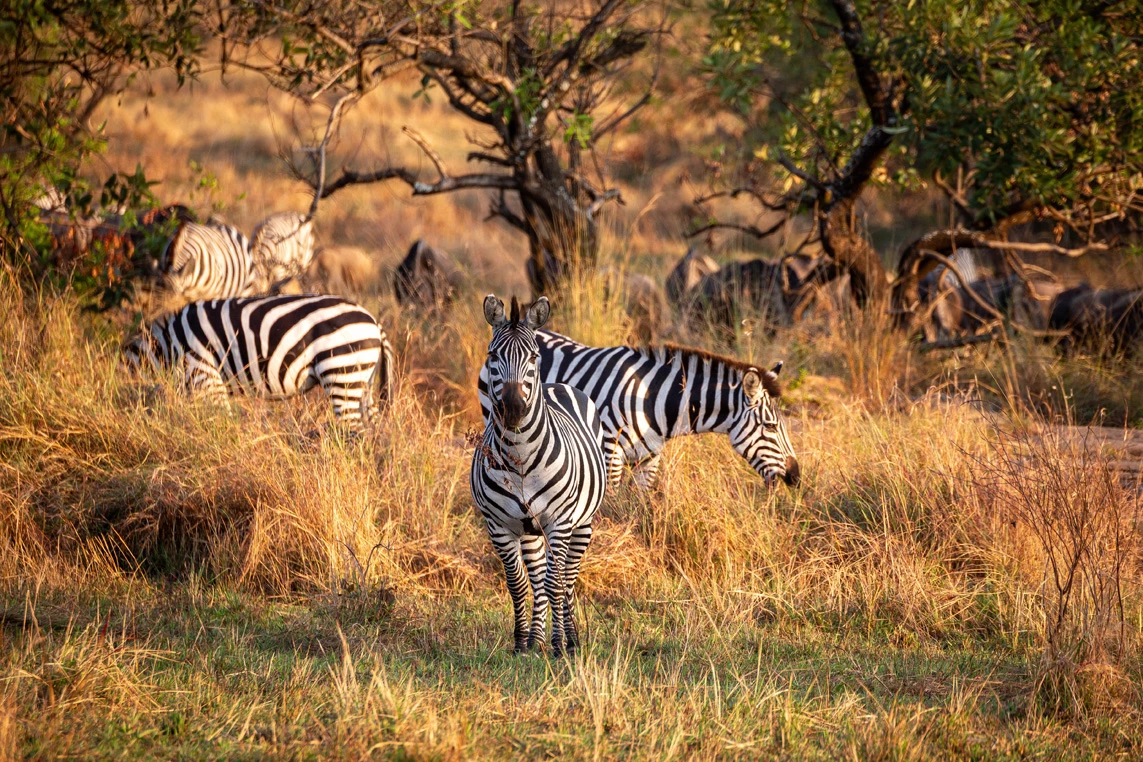
Best for: The Great Migration, big game, world-class safari
Africa’s great savannahs remain the benchmark for wildlife travel. East Africa, particularly Kenya and Tanzania, offers encounters of a scale and drama that nowhere else on earth can match. The Serengeti. The Masai Mara. Amboseli, with Kilimanjaro rising behind herds of elephant. The Ngorongoro Crater, where a single day’s game drive can produce lion, rhino, elephant, buffalo, and leopard.
Then there is the Great Migration. Around 1.5 million wildebeest, with hundreds of thousands of zebra and gazelle, move in an enormous annual circuit between Tanzania and Kenya. The river crossings are among the most astonishing wildlife spectacles on the planet. Herds plunge into crocodile-filled water in waves of noise and chaos. Witnessing it first-hand is genuinely unforgettable.
East Africa land expeditions also combine well with coastal extensions. The Swahili Coast, Zanzibar, or the remote islands of the Indian Ocean give you the best of both savannah and sea in a single trip. Speak to our specialists about building the perfect East Africa itinerary.
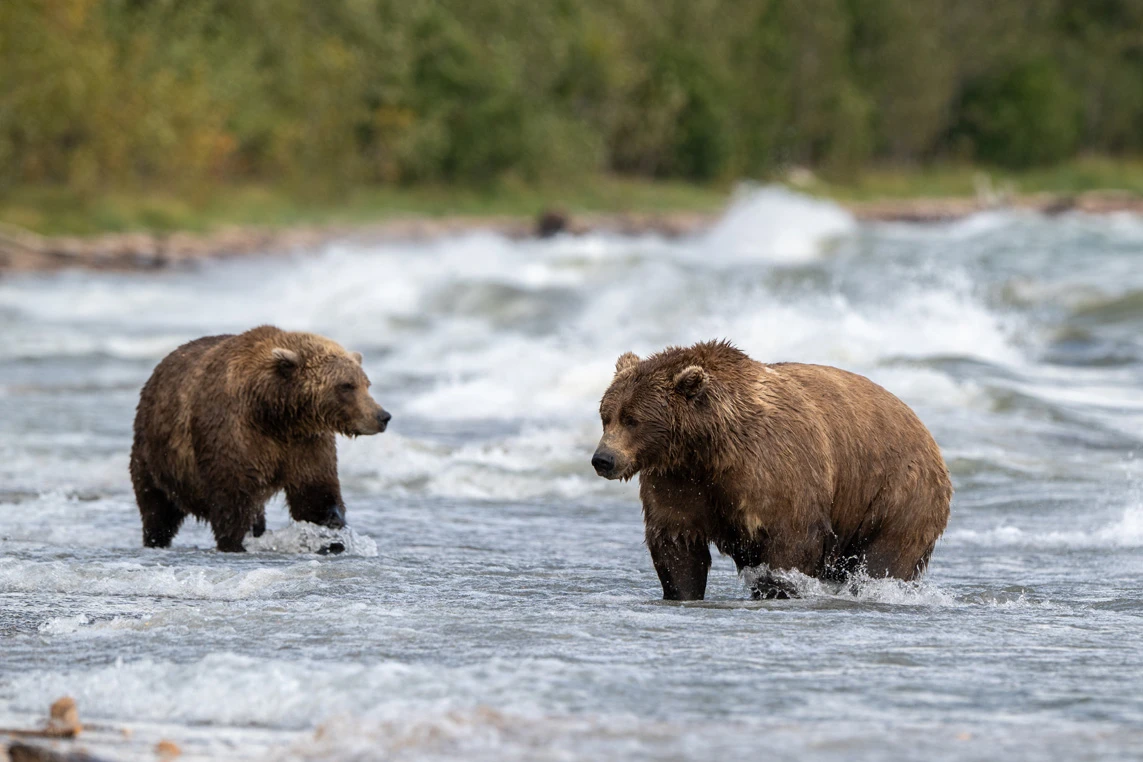
Best for: Glaciers, brown bears, humpback whales, North American wilderness
Alaska is North America’s greatest wilderness destination. Exploring it by a small expedition ship is the definitive way to see it. The Inside Passage – a network of channels and fjords running along the coast of Southeast Alaska – delivers extraordinary scenery day after day. Calving glaciers thunder into the sea. Humpback whales bubble-net feed in the bays. Forests of Sitka spruce descend almost to the waterline.
Brown bears are the iconic encounter. At places like Katmai, they gather at waterfalls in significant numbers during the salmon runs, fishing with extraordinary power and confidence. Orca pods work the tidal currents. Bald eagles perch on virtually every headland. Sea otters drift on their backs in the kelp. Alaska is a place of almost embarrassing wildlife riches – and expedition travel is the way to access the best of it.
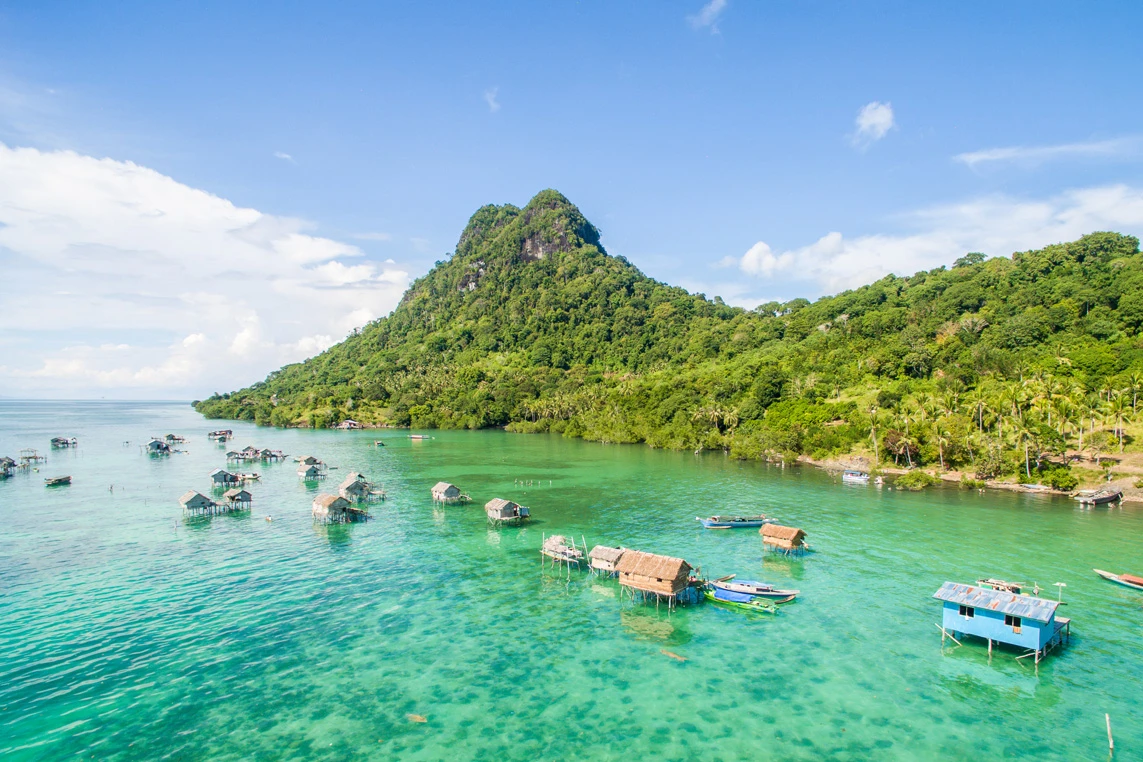
Best for: Orangutans, pygmy elephants, and extraordinary tropical biodiversity
Borneo is one of the most biodiverse places on earth and one of the last strongholds of the wild orangutan. The ancient rainforests of Sabah and Sarawak shelter pygmy elephants, proboscis monkeys, clouded leopards, and thousands of bird species. The rivers, including the famous Kinabatangan, are wildlife corridors. A slow boat journey at dawn can produce an extraordinary parade of animals in just a few hours.
Borneo expeditions typically combine rainforest wildlife lodges, river journeys, and a coastal or island component. It is one of the most compelling natural settings in the world. The heat and humidity are part of the deal – but so is the knowledge that you are in a place unlike anywhere else. Talk to our team about Borneo expedition options.
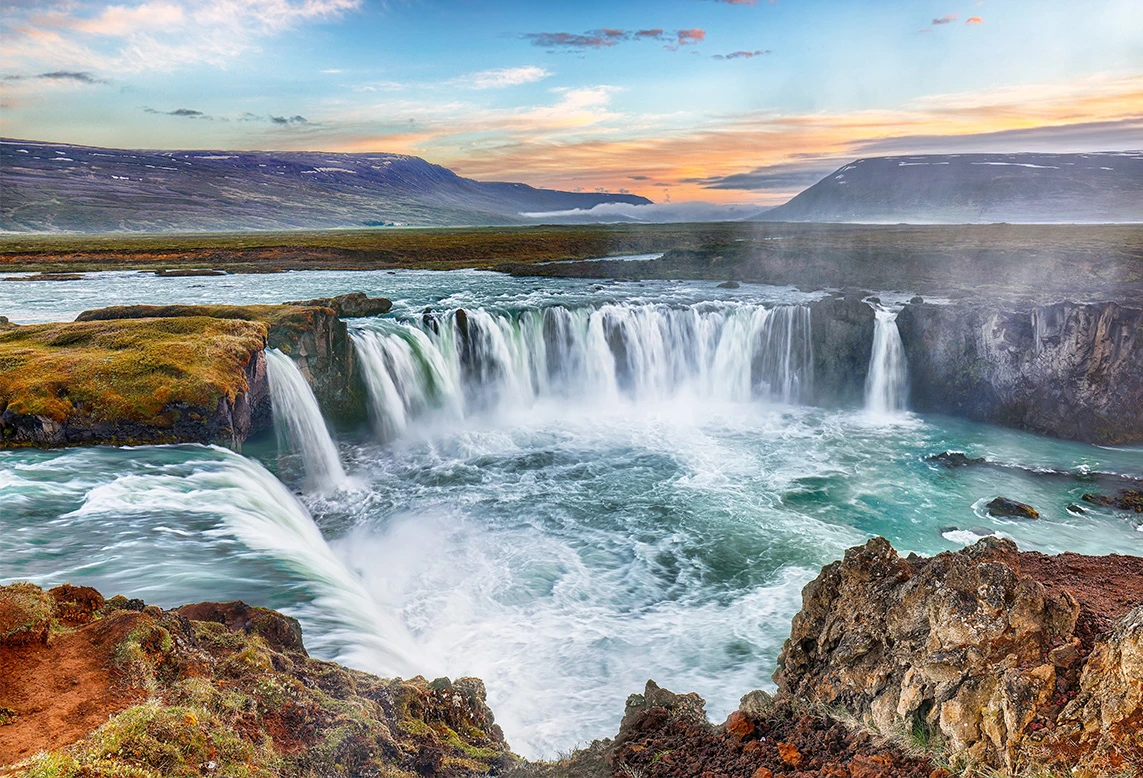
Best for: Volcanic landscapes, Northern Lights, puffins, easy access from the UK
Iceland holds a unique position in expedition travel. It is a destination of extraordinary natural drama and also one of the most accessible from the UK. Active volcanoes, geysers, lava fields, and black sand beaches make it unlike anywhere else in Europe. The wildlife includes millions of puffins, humpback and minke whales, and Arctic foxes on the remote Westfjords peninsula.
Iceland also works well as part of a wider Arctic itinerary. Many Svalbard voyages stop in Iceland en route. It can be combined with Greenland for a more extended High Arctic journey. For travellers new to small-ship expedition travel, Iceland is an excellent entry point. Dramatic, accessible, and consistently rewarding.
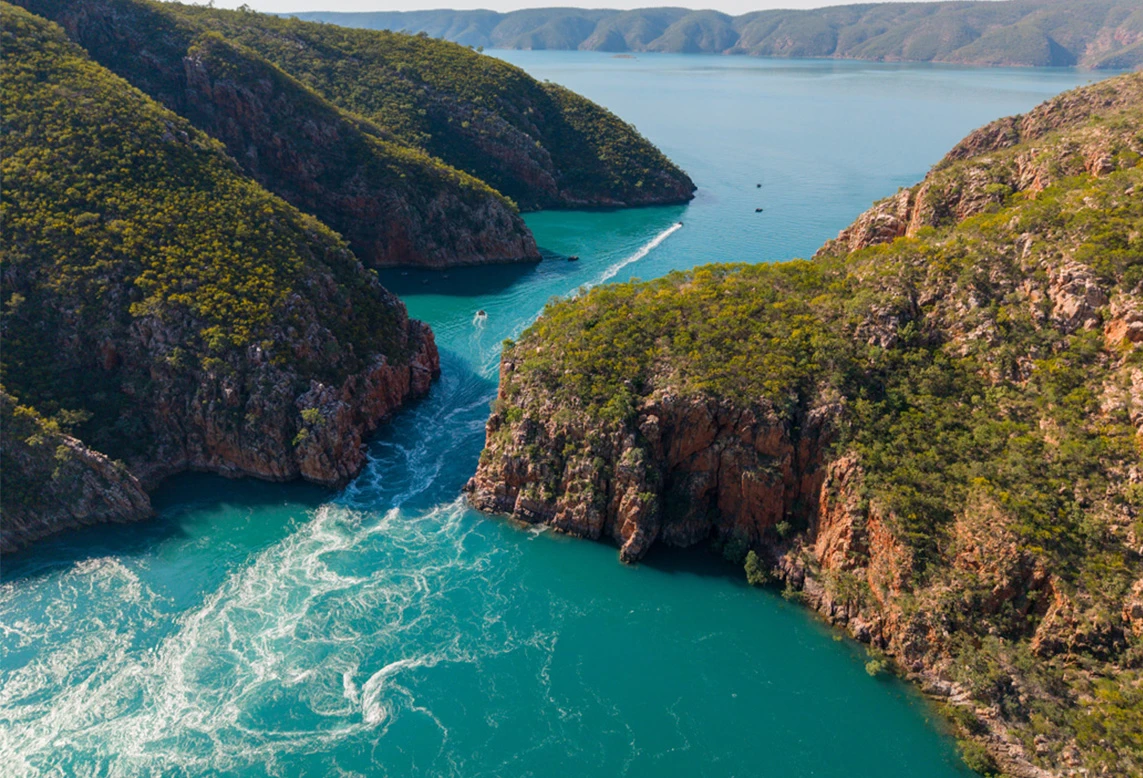
Best for: Remote Australian wilderness, ancient rock art, extraordinary tidal landscapes
The Kimberley is Australia’s final frontier. A vast, ancient landscape of red gorges, boab trees, and tidal waterfalls that dwarfs most European countries in scale. It is accessible only by small ship during the dry season from May to September. Tidal variations reach up to 12 metres in some locations, creating waterfalls that reverse direction twice daily and inlets that fill and empty with the rhythm of the sea.
The Kimberley is also one of the world’s great repositories of ancient rock art. The Gwion Gwion and Wandjina images of the Wunambal Gaambera people are among the oldest surviving human artworks on earth, some painted over 40,000 years ago. Add freshwater crocodiles on sun-warmed rocks and wild horses crossing red-sand beaches, and you have somewhere that feels genuinely remote and genuinely extraordinary.
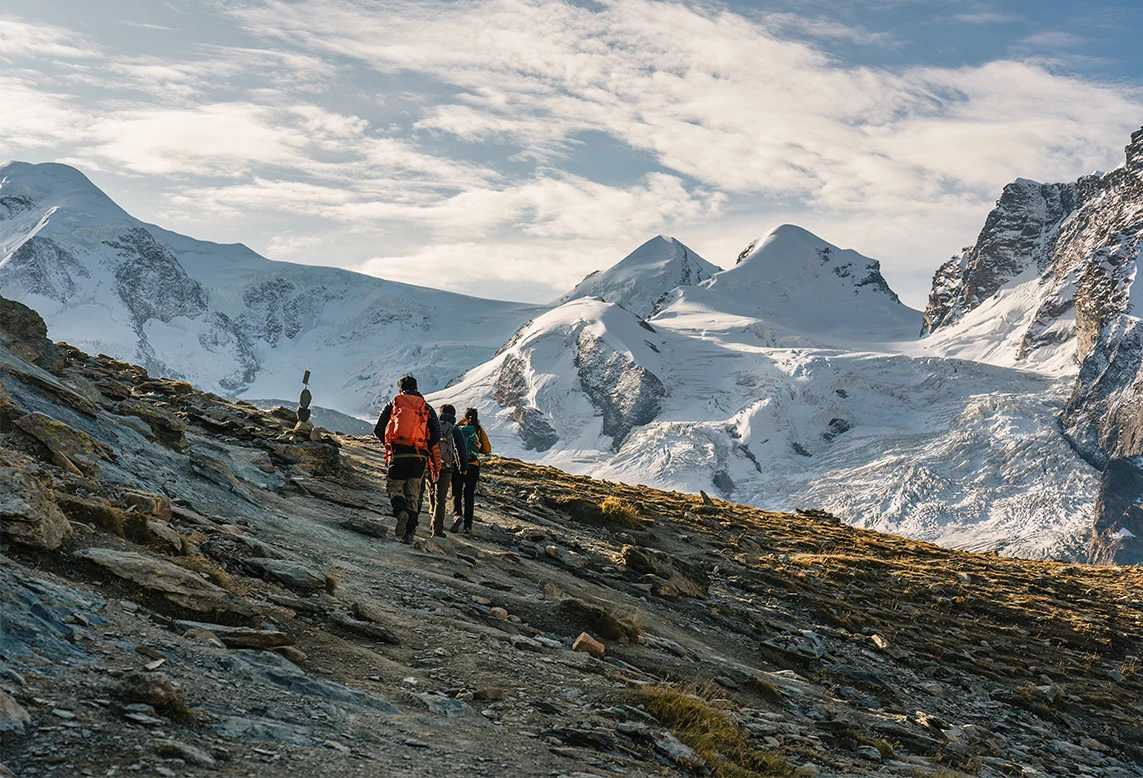
The right destination depends on what you are looking for. Antarctica is unmatched for pure spectacle. The Galapagos is the world’s greatest wildlife laboratory. Svalbard is the most accessible polar introduction. Patagonia and Alaska offer dramatic wilderness without leaving the western hemisphere. East Africa sets the benchmark for big game. The Kimberley, Borneo, and Iceland each offer something entirely their own.
As independent expedition specialists, we work with all the leading operators – from Seabourn and Silversea to Ponant and Quark – and can advise on exactly which trip and ship suits your interests, budget, and travel style. The best way to start is a conversation. Get in touch with the Exclusive Expeditions team and we will help you find your expedition.
New to expedition travel? Read our complete beginner’s guide: What Is an Expedition Holiday?
Planning a polar voyage? Our full guide to Antarctica expeditions covers everything from when to go to which ship to choose. Or explore all of our expedition travel guides in the Stories section.
Every journey we offer is handpicked by our specialists. These are the ones we recommend most.
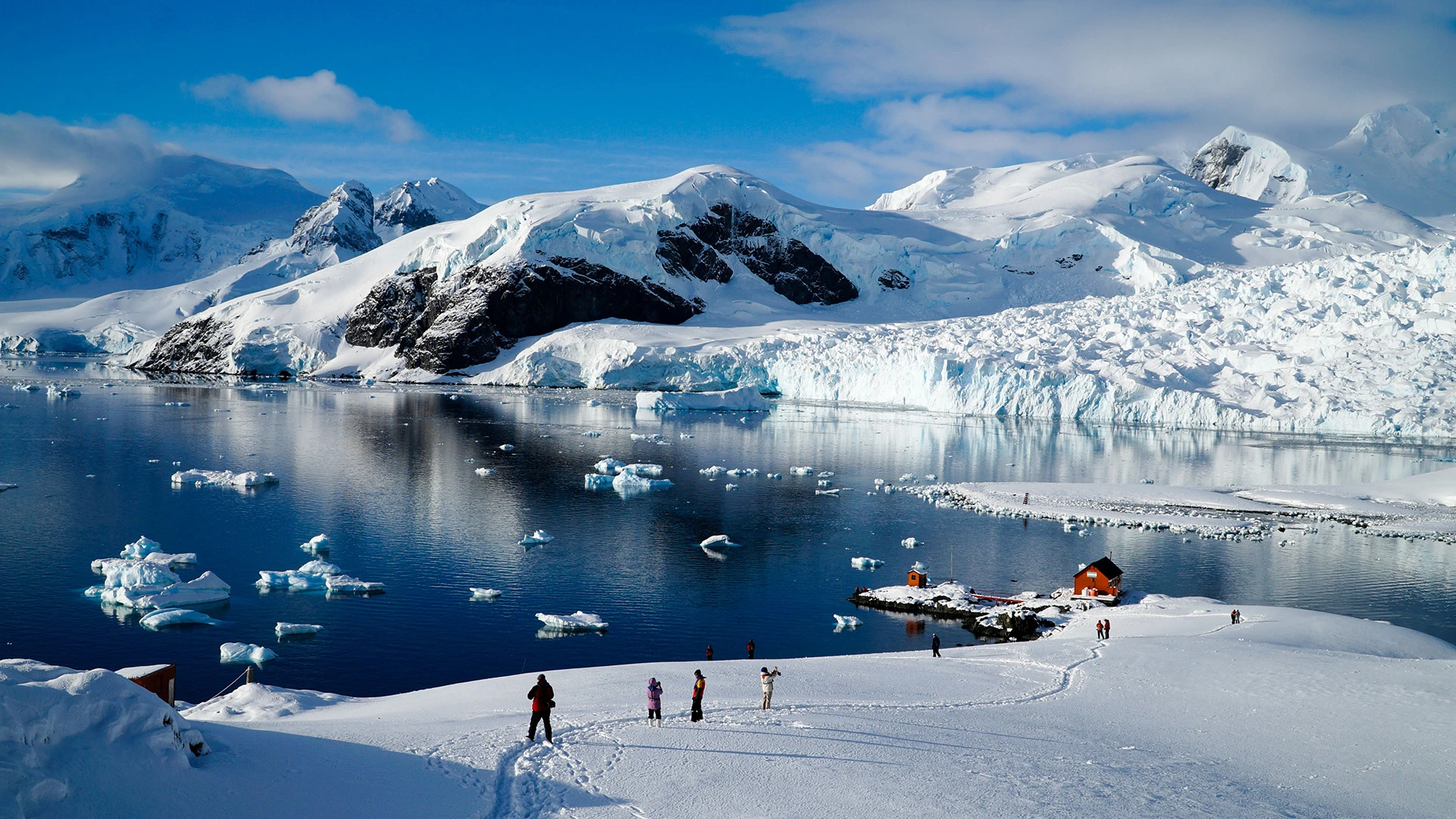
14 Nights From £10,850pp
Explore Antarctica aboard Ocean Explorer with Quark Expeditions, witnessing glaciers, penguins, whales, and Zodiac or kayaking adventures.
View details
9-14 Nights Nights From £8,000pp
Discover the 7th continent with Exclusive Expeditions. Our Antarctic Explorer tours offer bespoke luxury cruises and tailor-made expeditions.
View details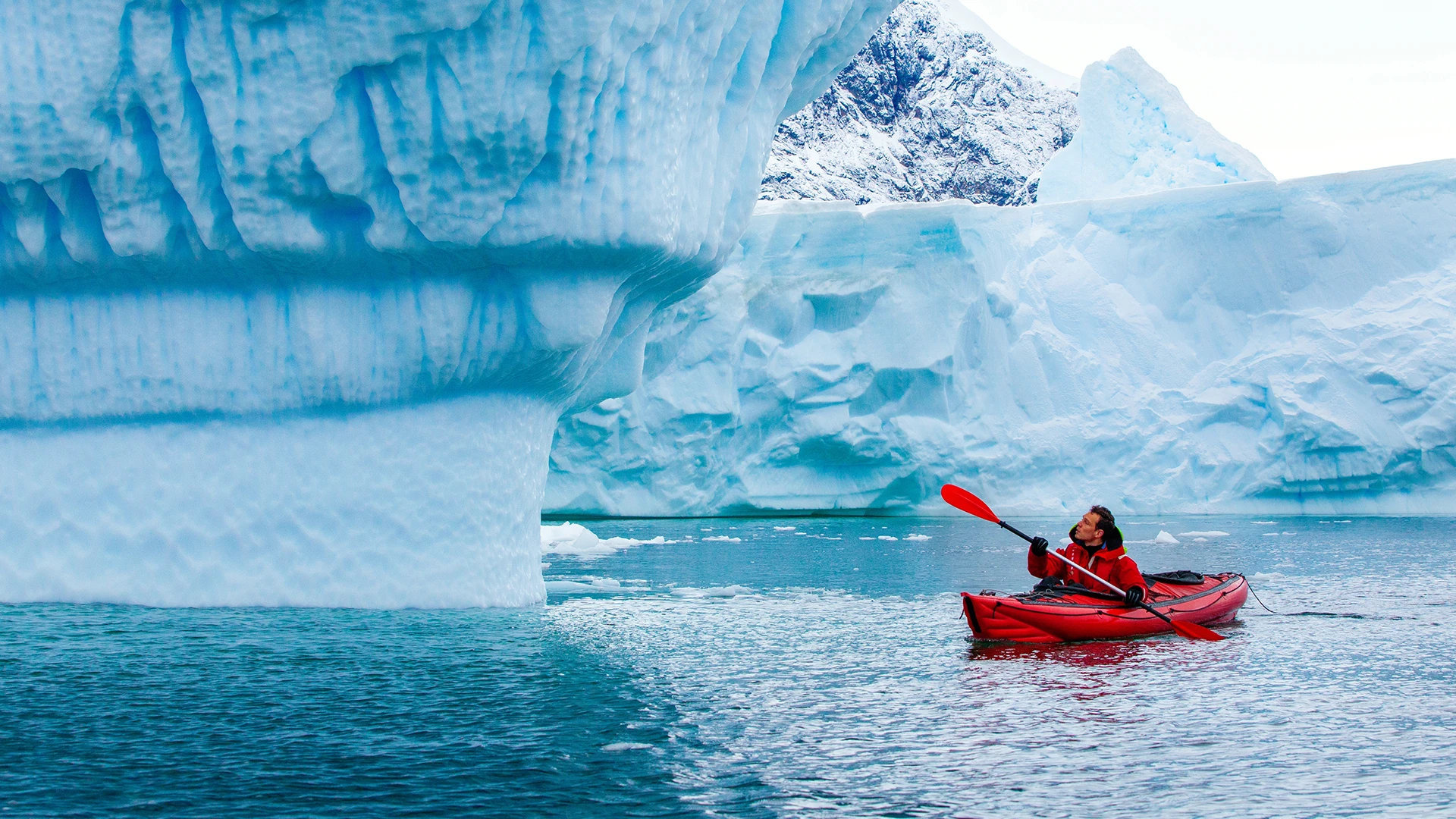
32-34 Nights Nights From £20,000pp
Venture to the remote Ross Sea, encounter rare wildlife, and explore Antarctica’s most untouched, dramatic frontier.
View details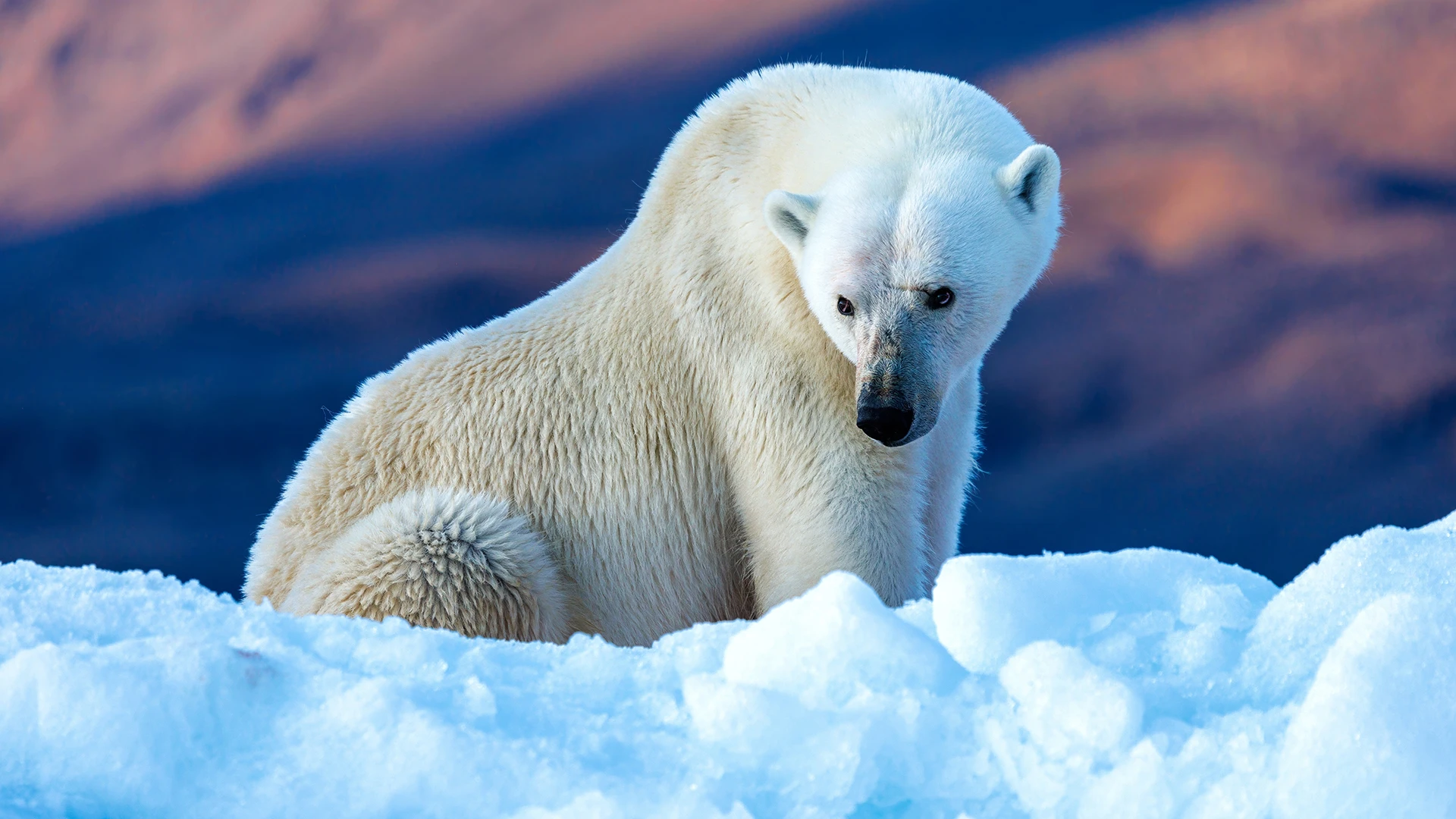
8 Nights From £8,000pp
Sail through Spitsbergen’s glaciers and fjords in search of polar bears and Arctic wildlife.
View details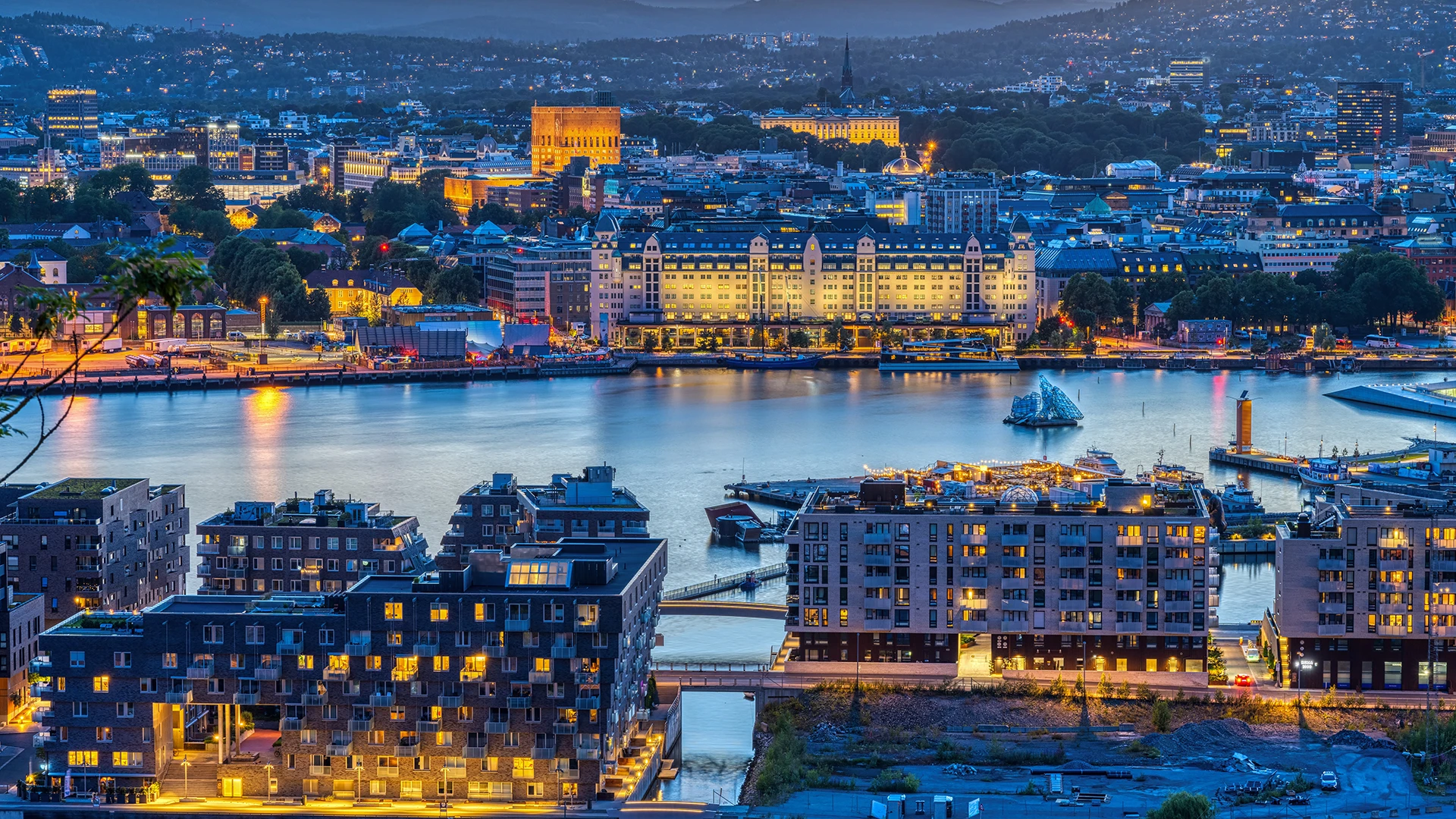
9 Nights From £12,260pp
A seven-night Aqua Lares expedition through Svalbard's fjords, glaciers, and polar wildlife
View details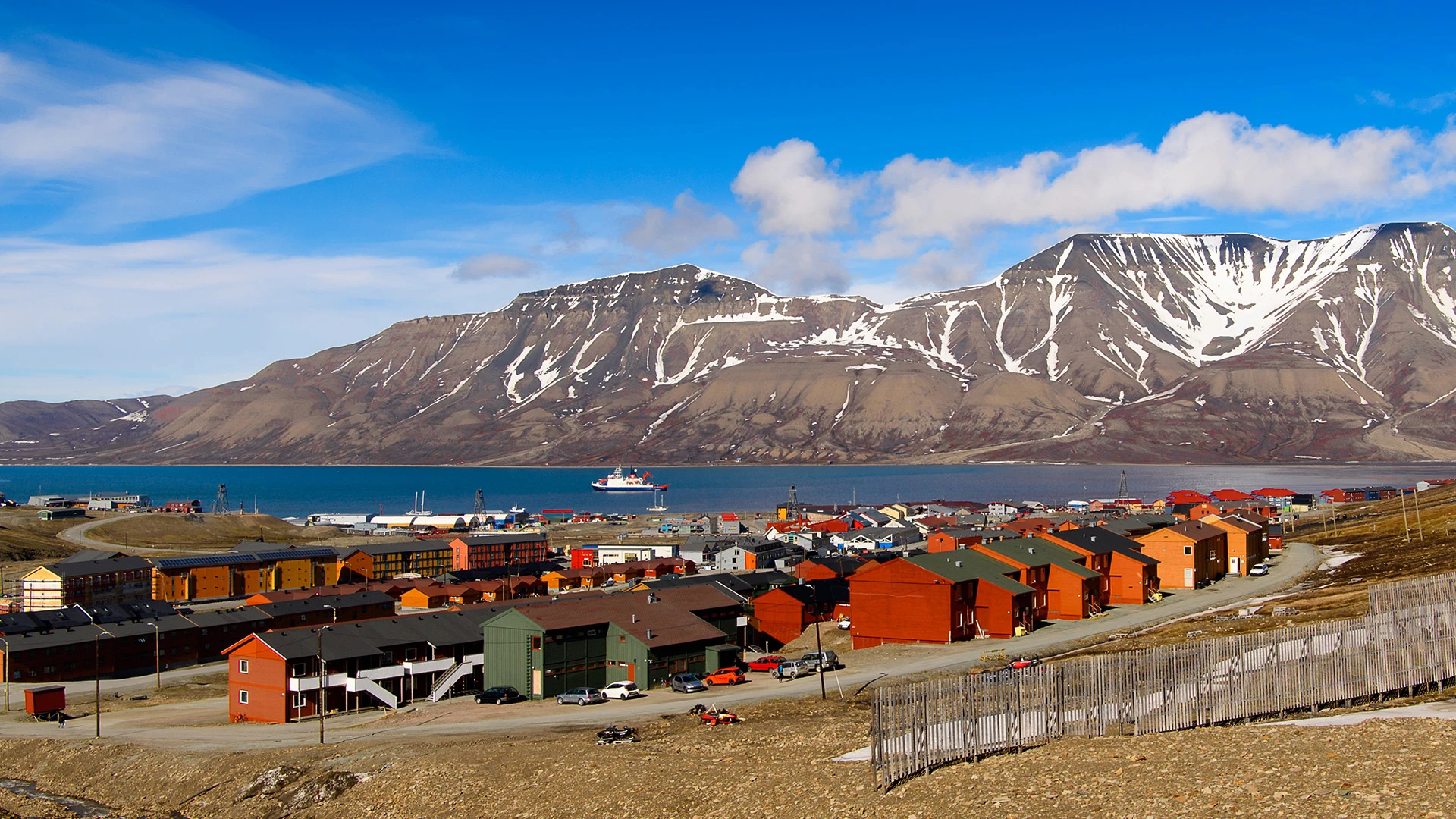
7 Nights From £2,800pp
The perfect Arctic escape, combining Svalbard’s glaciers, wildlife, and epic landscapes in a shorter expedition.
View details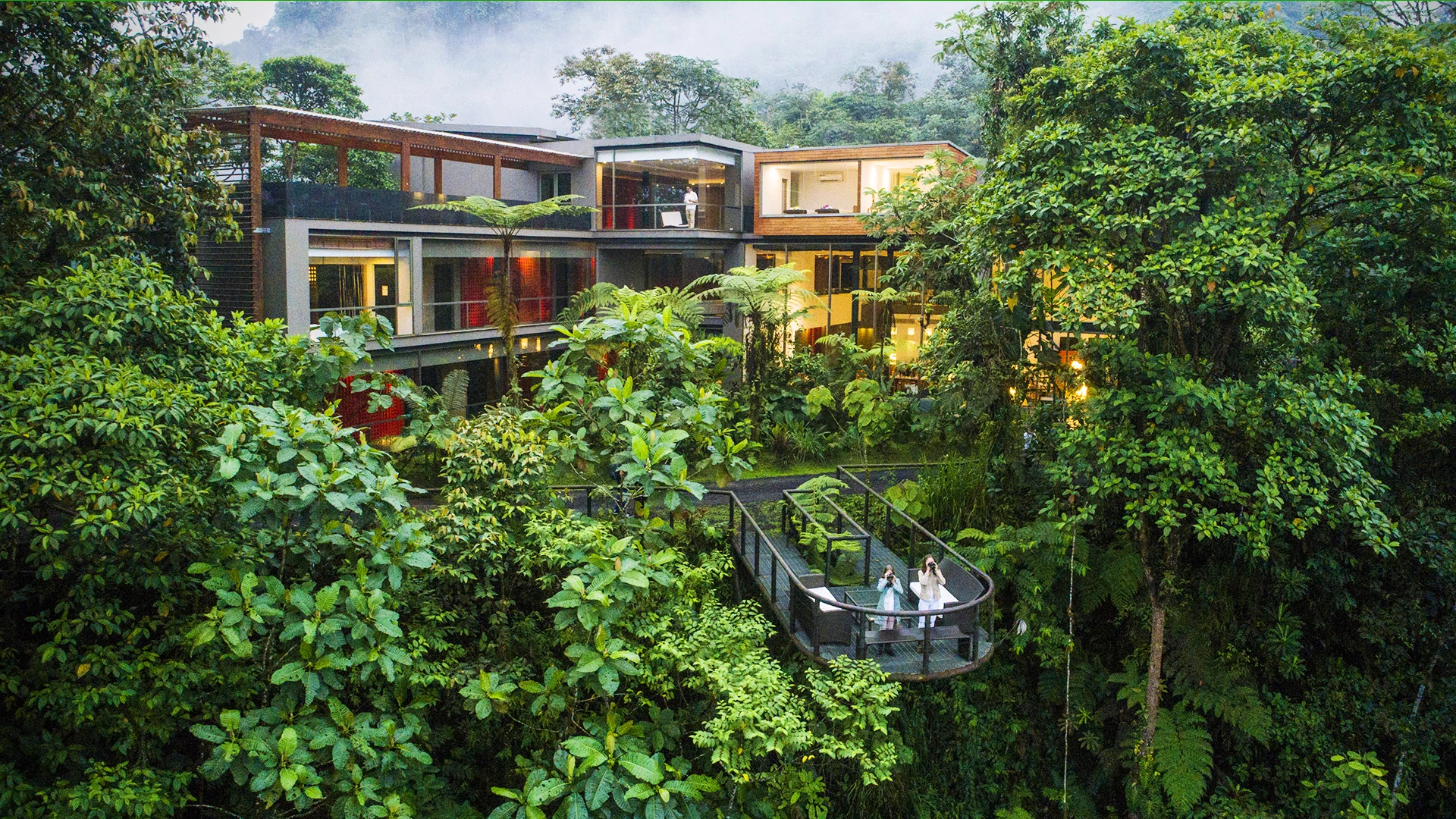
11 Nights From £10,350pp
Hidden cloud forests, intimate Galapagos yacht and the Big 15 wildlife. Ecuador’s ultimate adventure awaits!
View details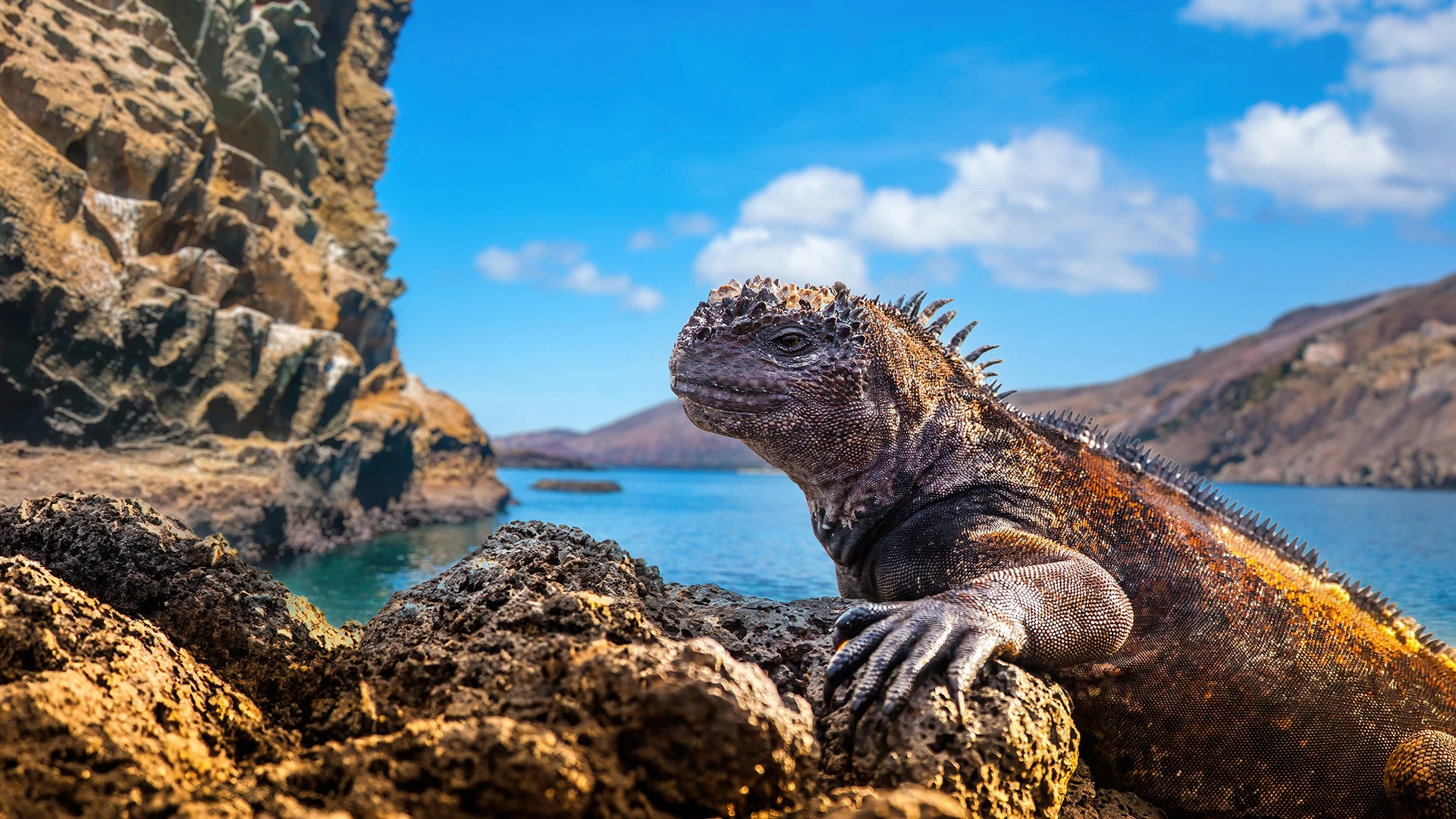
14 Nights From £13,230pp
Amazon adventures and luxury Galapagos cruise with wildlife, volcanoes, and unforgettable encounters!
View details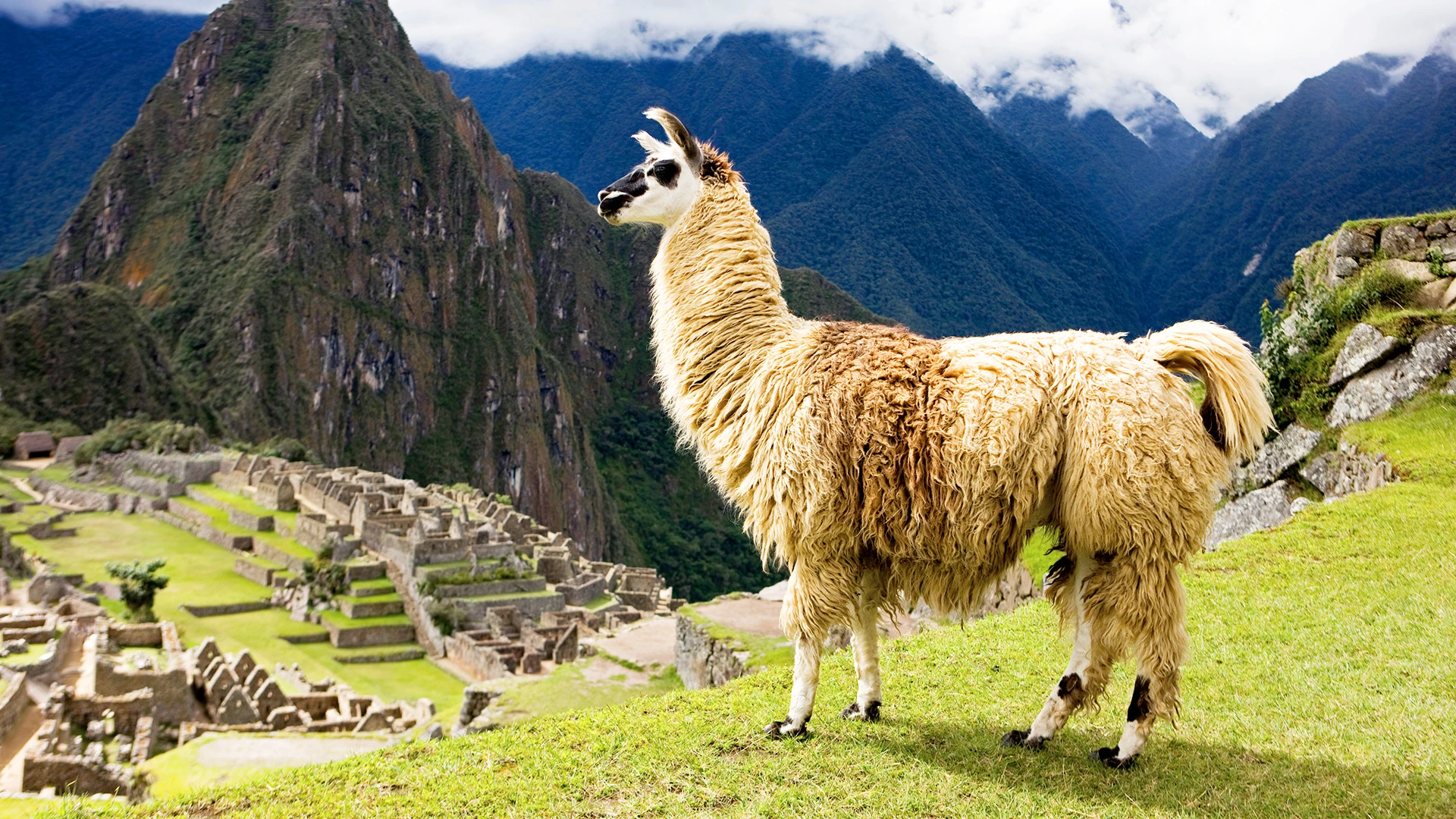
13 Nights From £9,890pp
Stay on Santa Cruz Island in the Galapagos, meet giant tortoises, explore Machu Picchu, and uncover South America’s secrets.
View details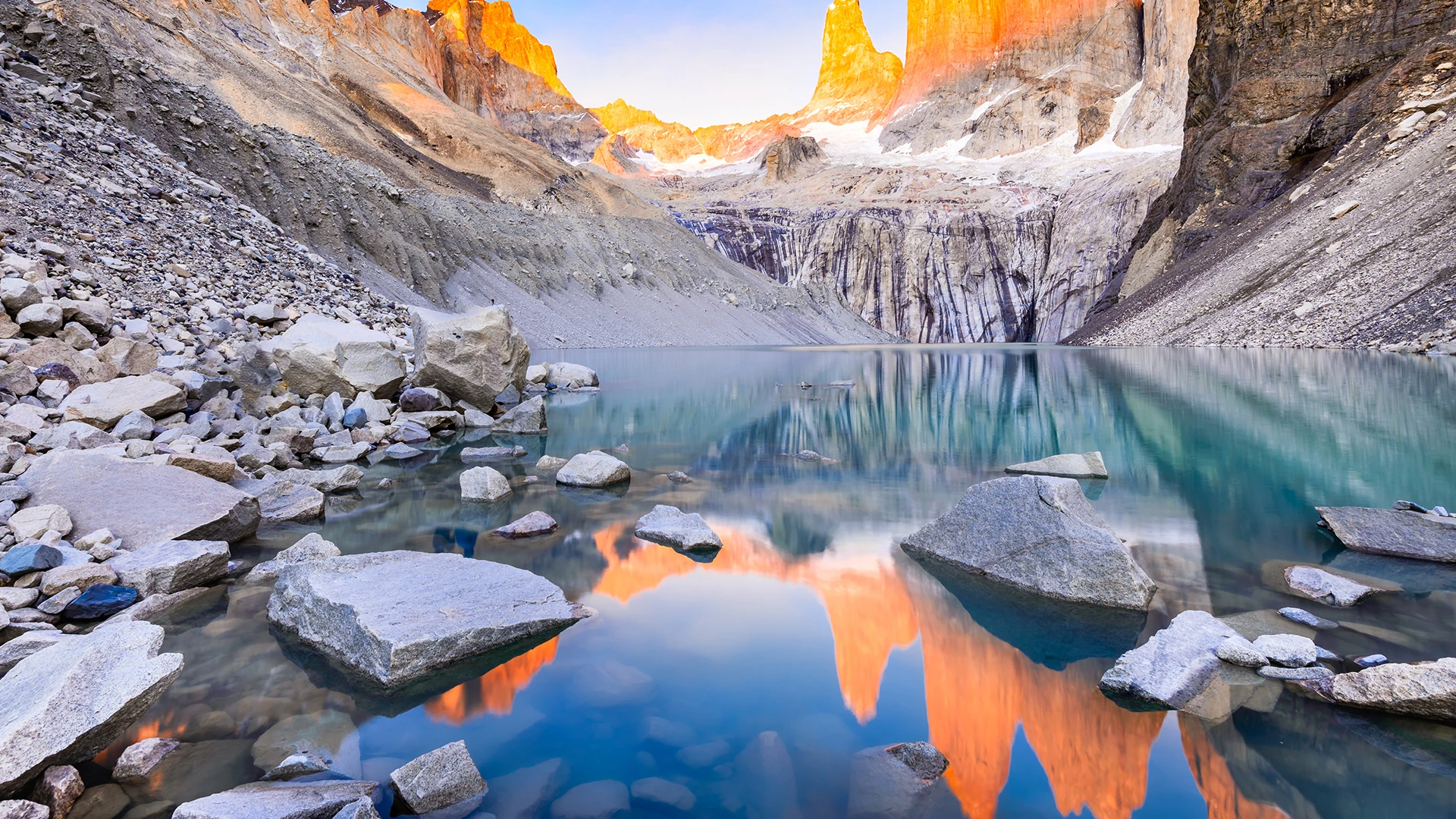
19 Nights From £8,470pp
From Buenos Aires to Patagonia’s glaciers and Torres del Paine, explore Argentina and Chile’s wild beauty with Australis.
View details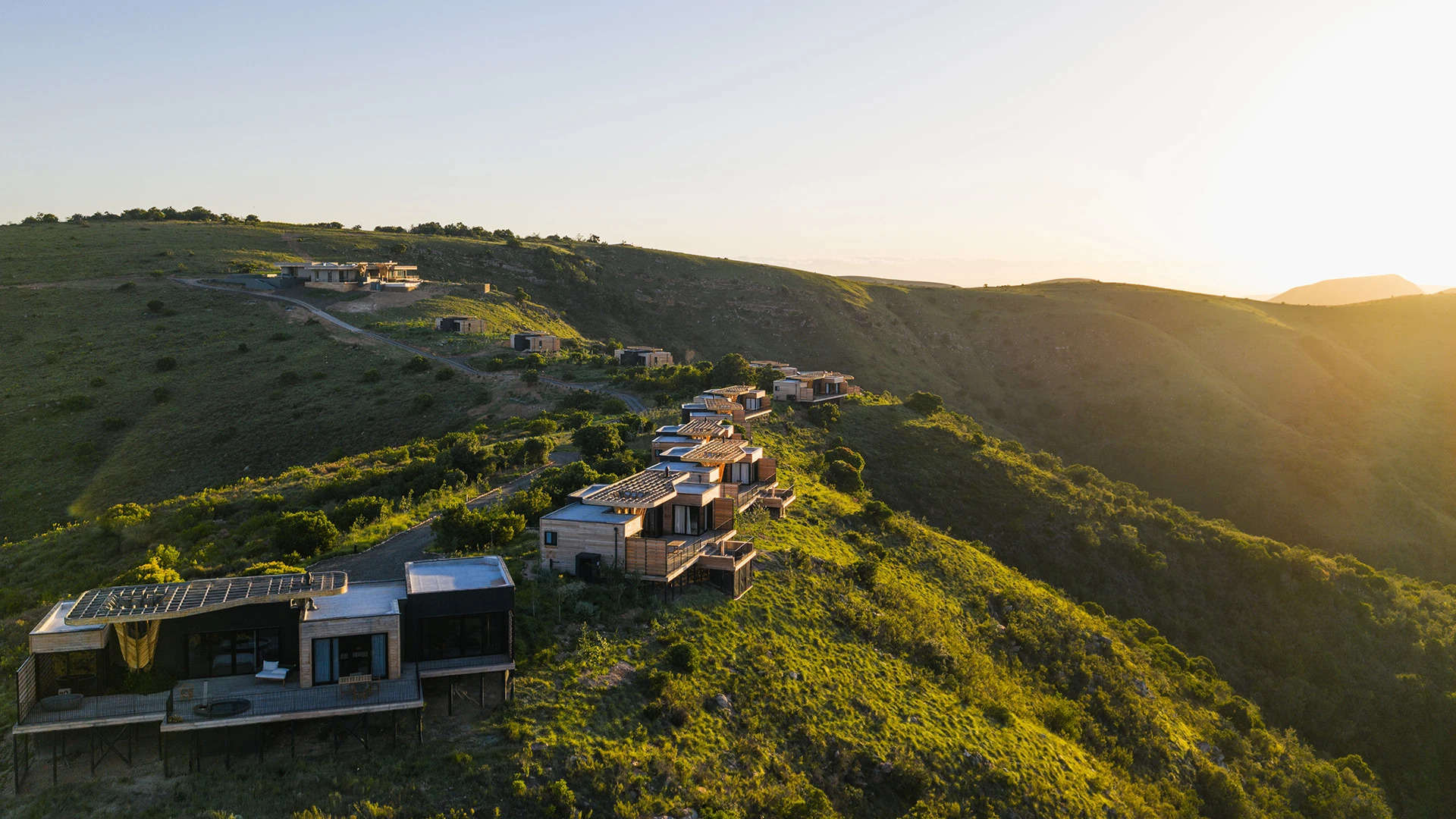
15 Nights From £12,600pp
Experience South Africa's magic from Cape Town's stunning coastline to thrilling safaris in the Eastern Cape wilderness.
View details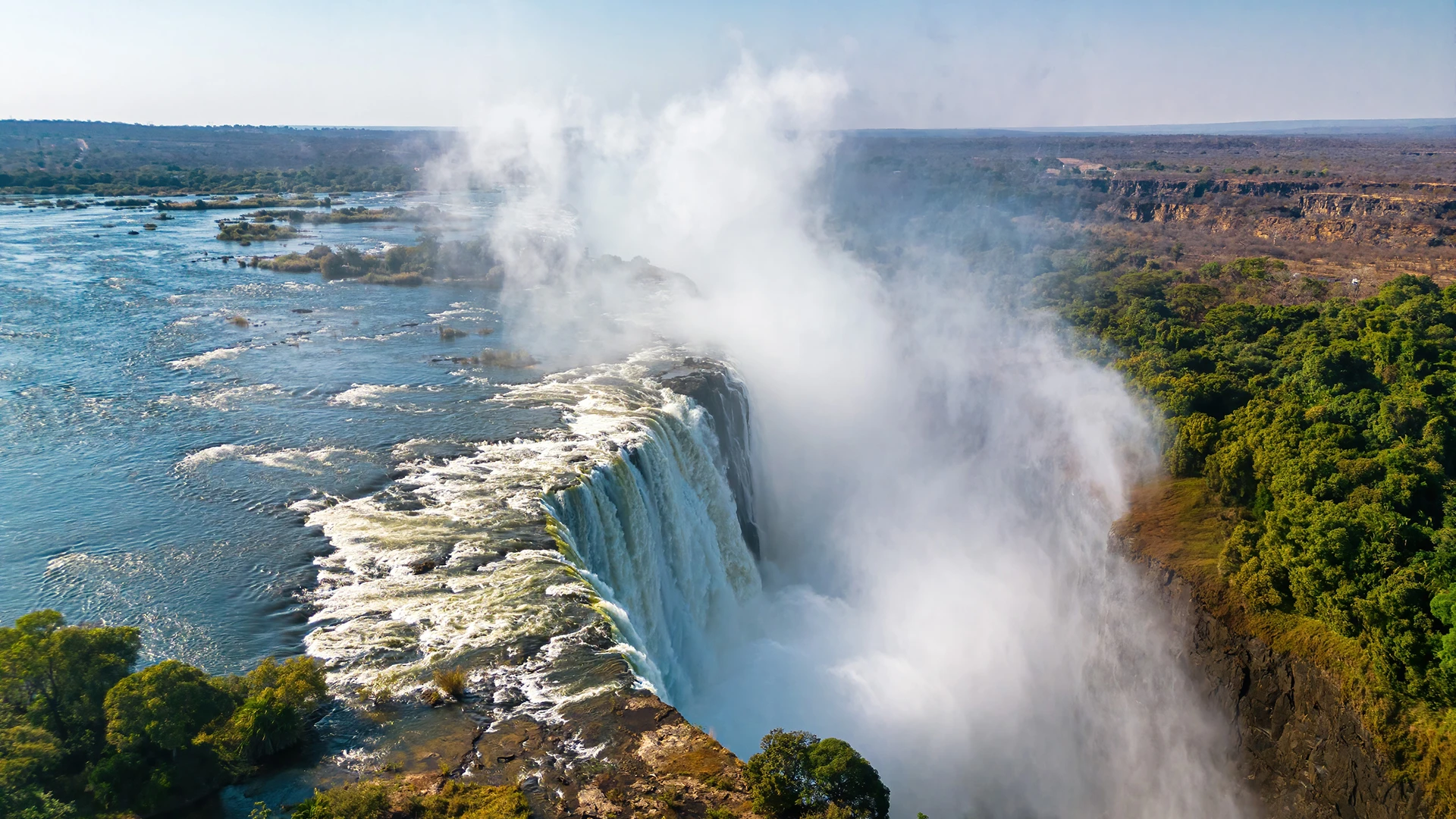
11 Nights From £12,760pp
Cape Town's iconic shores, Chobe's wildlife-rich river, and the thundering grandeur of Victoria Falls.
View details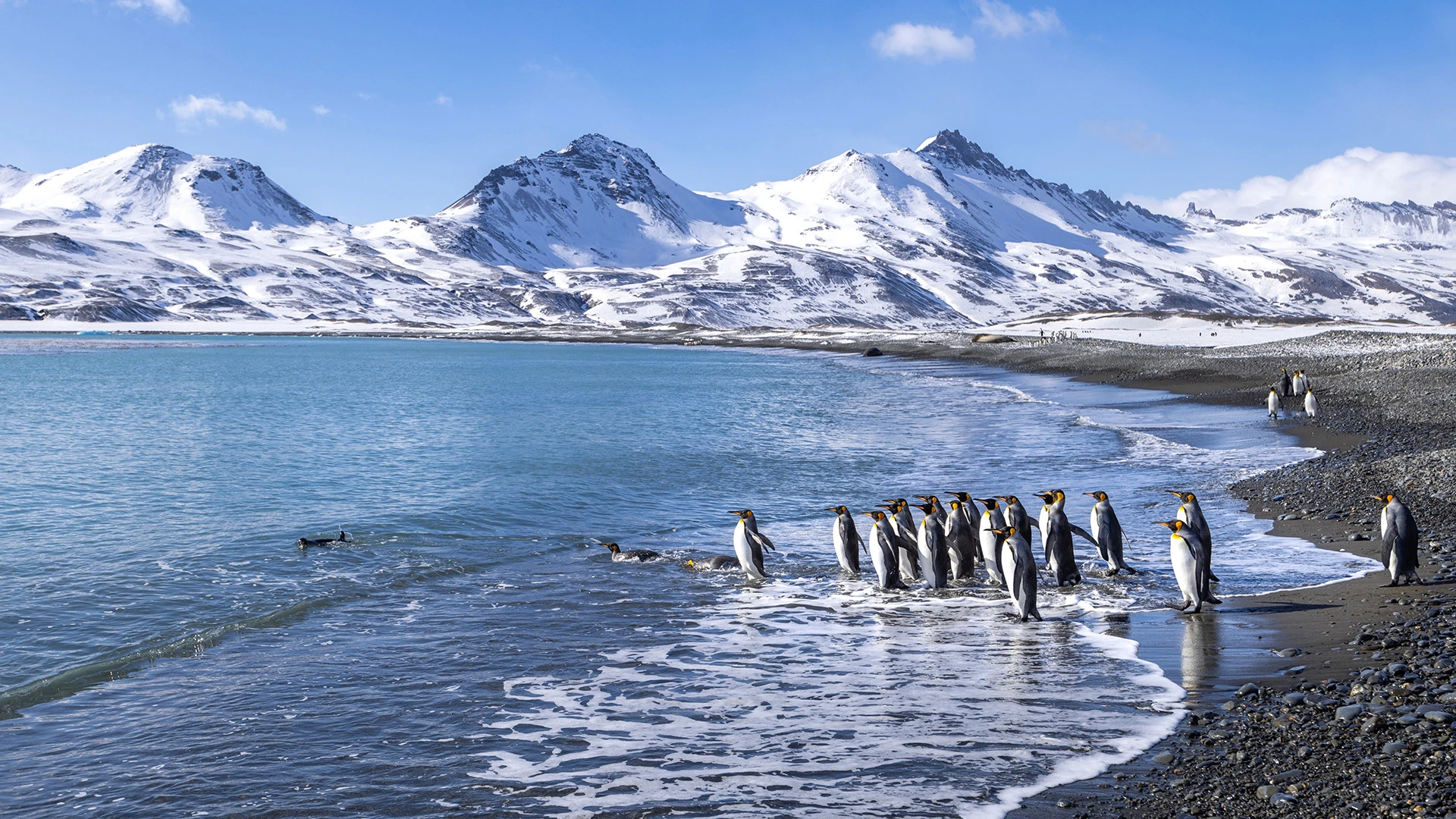
20 Nights From £11,500pp
Journey from Africa to Antarctica, discovering remote islands, rich wildlife and the wonders of the Southern Ocean.
View details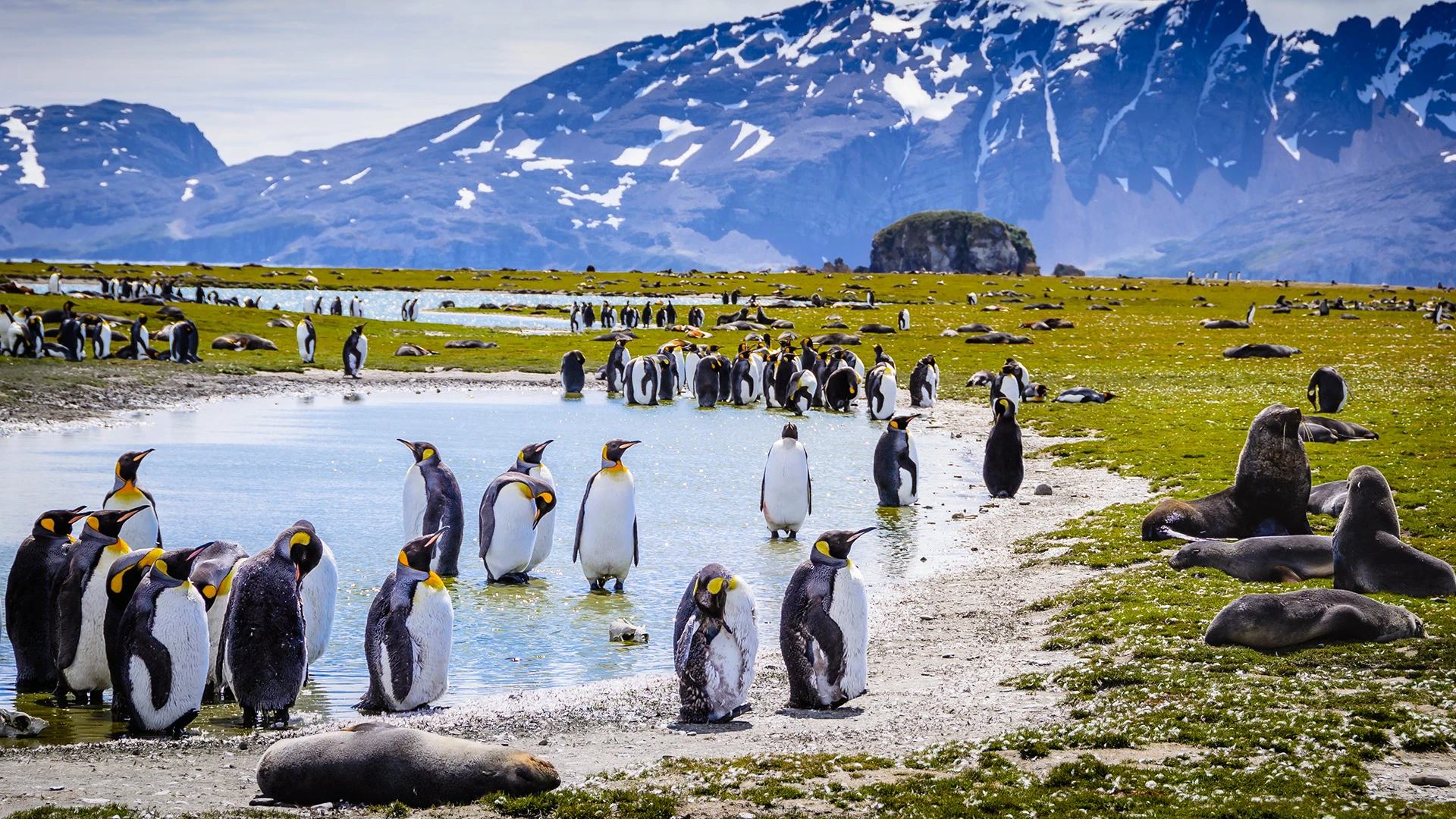
21 Nights From £14,500pp
Sail from Africa to Antarctica in style, discovering remote islands, remarkable wildlife and polar wonders.
View details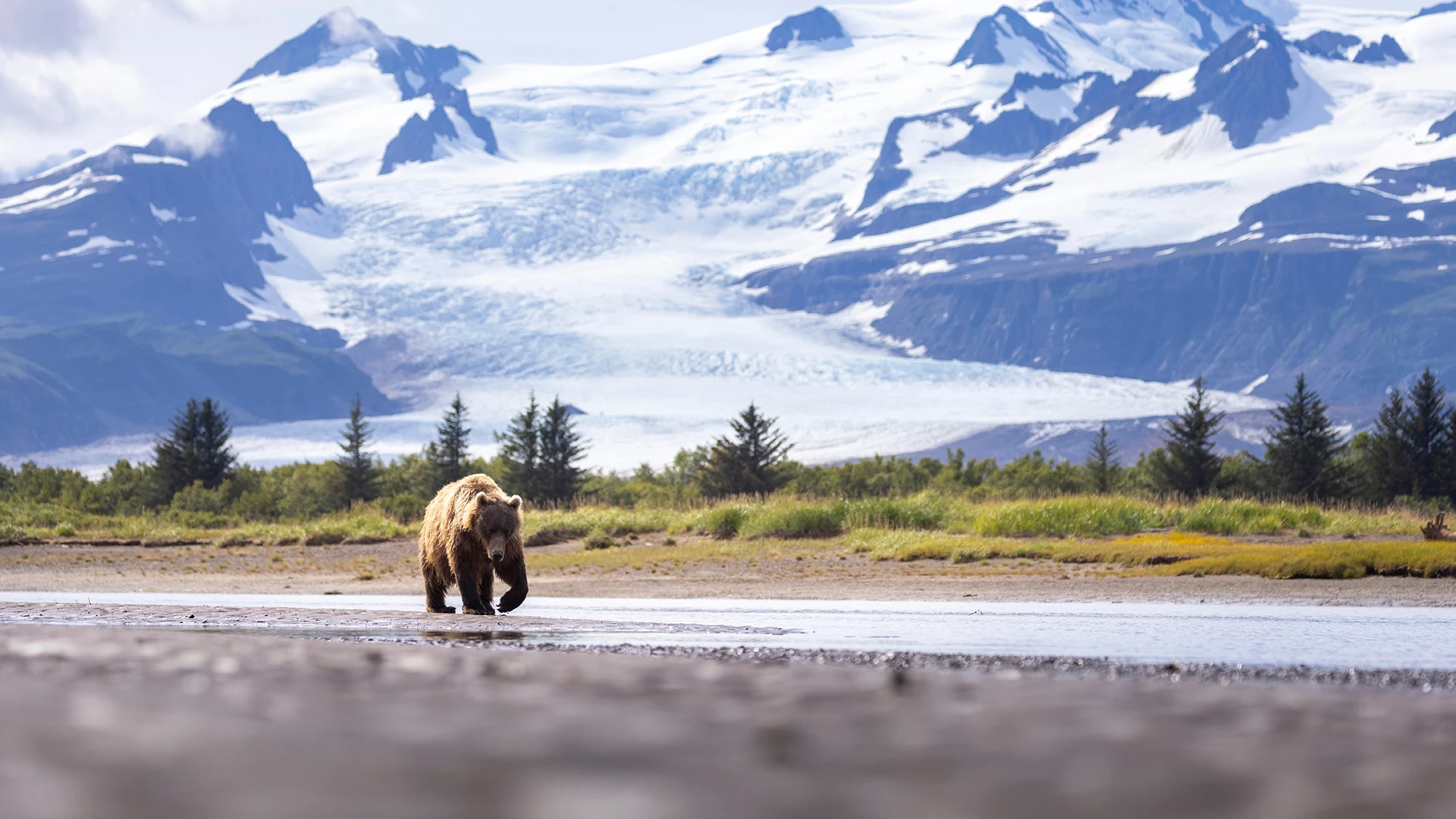
7 Nights From £6,390pp
Sail through Alaska’s icy wilderness, witness towering glaciers, and explore pristine landscapes in unforgettable style.
View details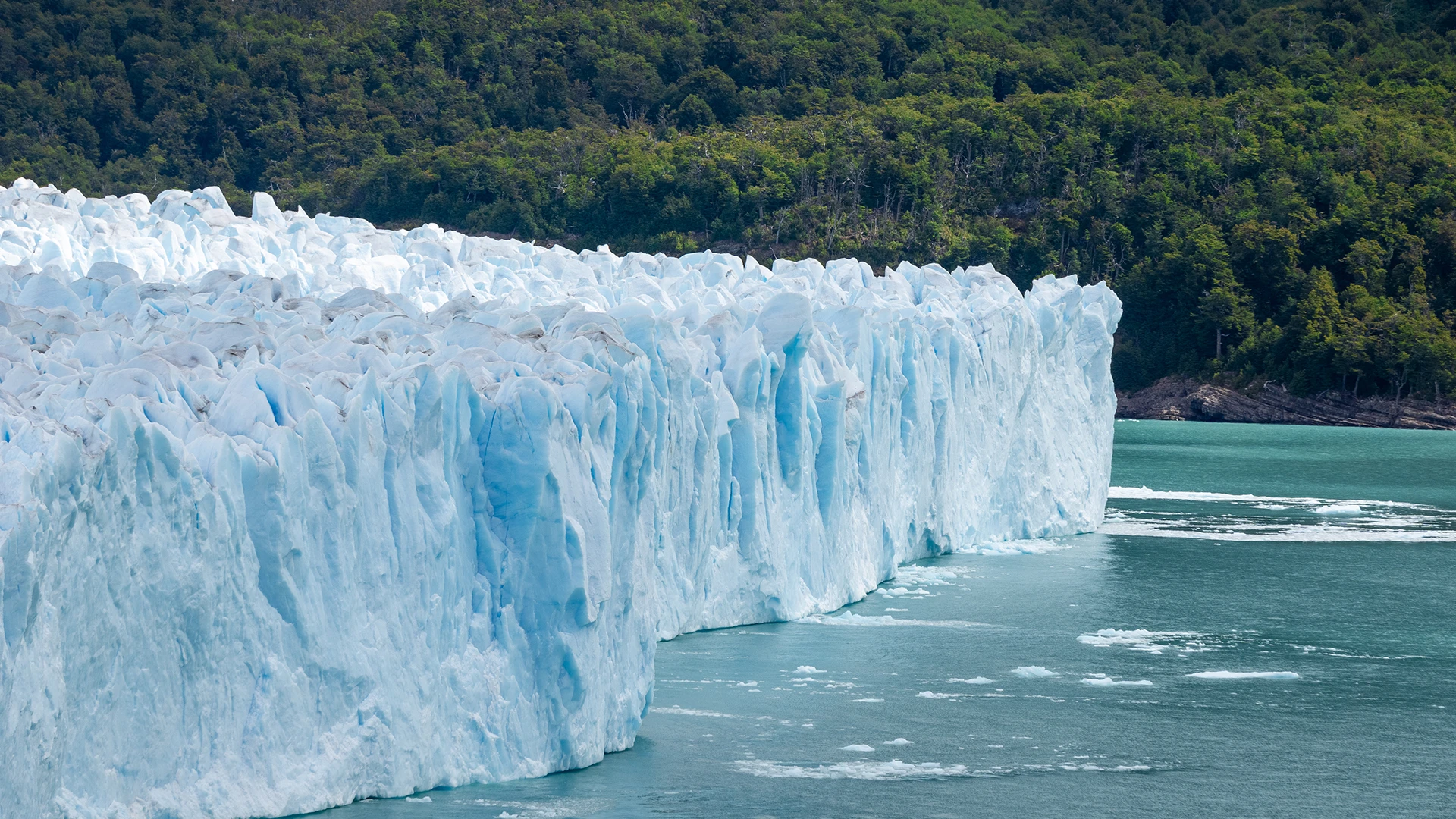
17 Nights From £7,280pp
Cruise from Vancouver through Alaska’s Inside Passage, past glaciers, fjords and wildlife-rich coasts on an elegant expedition.
View details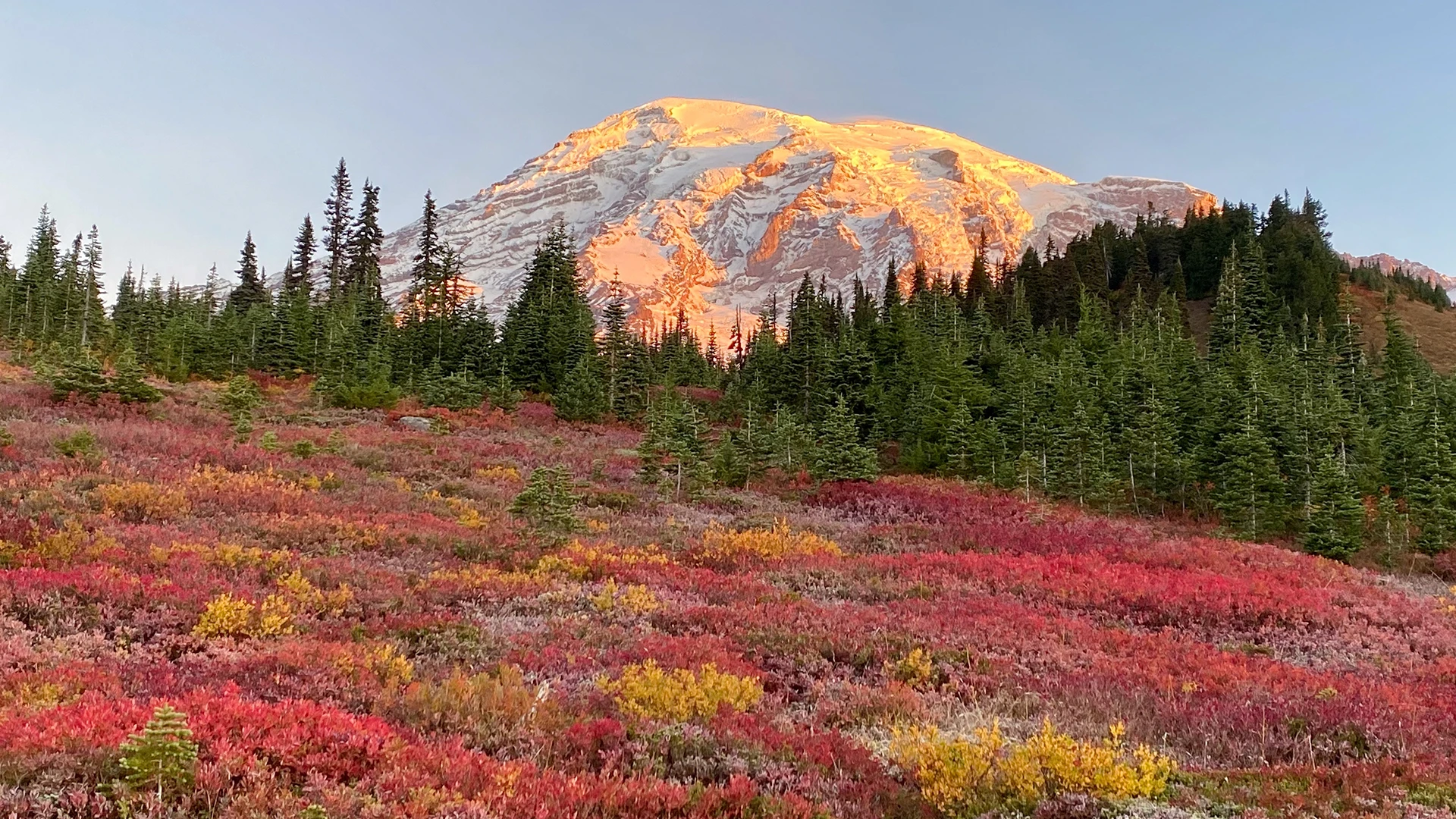
12 Nights From £7,540pp
Cruise Alaska with Lindblad Expeditions, glide past glaciers, fjords, whales, and wildlife in untamed, breath-taking wilderness.
View details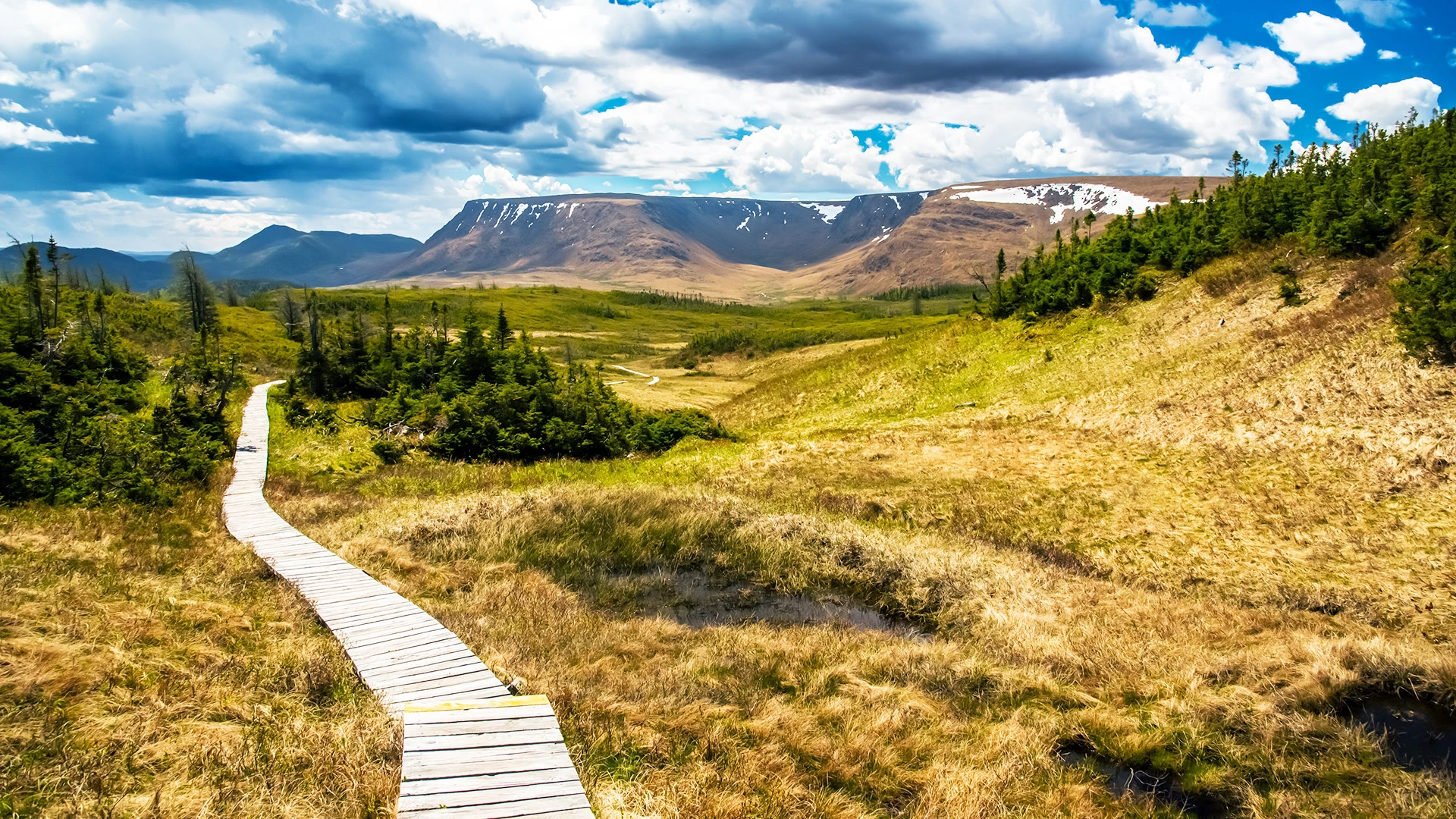
15 Nights From £4,700pp
Explore Iceland, Greenland, and Newfoundland, discovering glaciers, fjords, wildlife, and rugged North Atlantic shores.
View details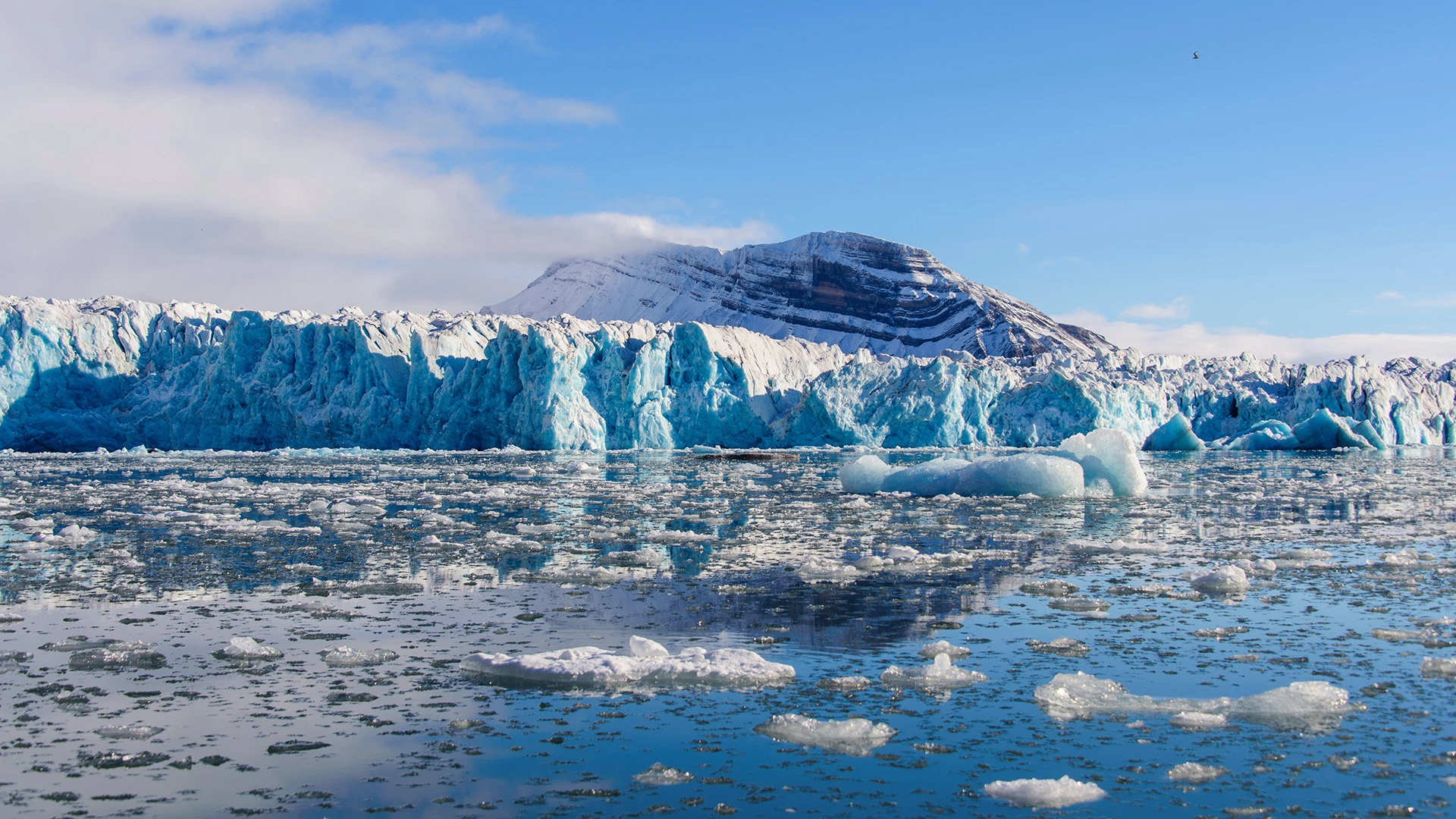
18 Nights From £7,850pp
Sail from Reykjavik to Longyearbyen, this expedition blends adventure, wildlife, and dramatic Arctic landscapes.
View detailsYour message has been submitted successfully.
Ready to start planning? Our specialists are here to help.
How to choose the best safari reserve in South Africa: Private concessions vs Greater Kruger The right safari reserve in...
Read now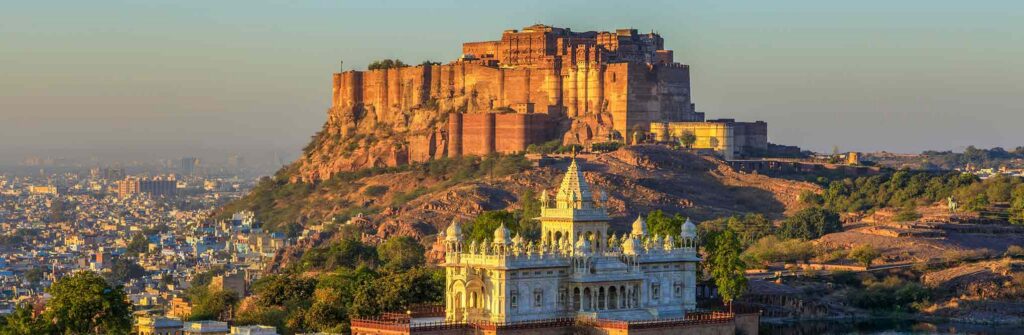
From Rajasthan to Britain: The Architecture and History of World-Famous Fortresses Across the arid plains of Northern India and the...
Read now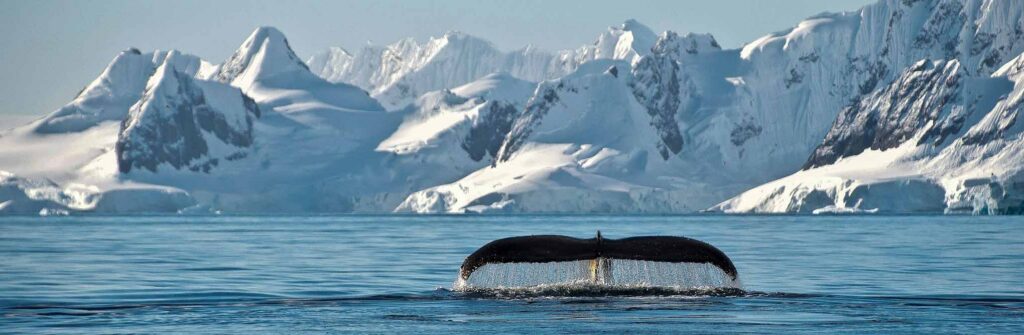
Antarctica whale watching: The best months to spot humpbacks, minkes & orcas There is no land route to Antarctica, and...
Read now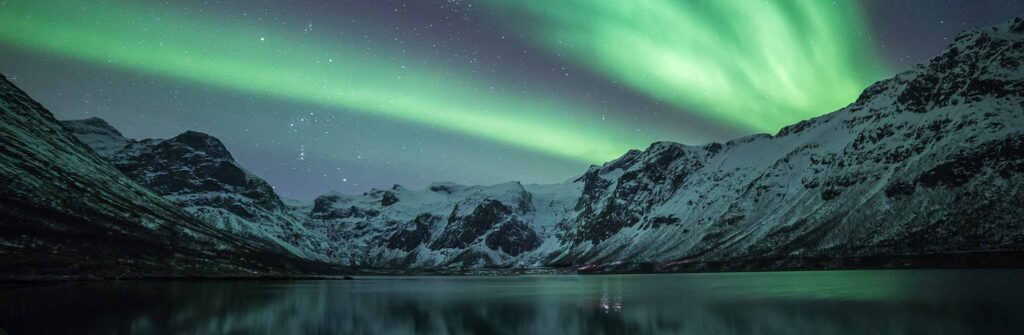
The best time of year to see the Northern Lights in Svalbard High above the Arctic Circle, halfway between mainland...
Read now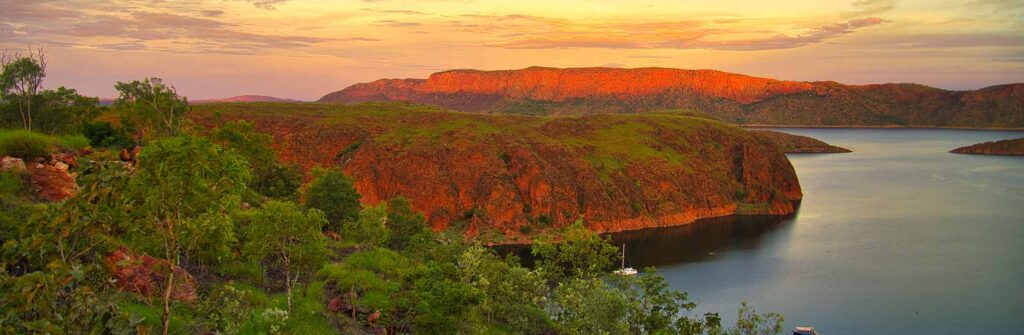
Extraordinary things to do in the Kimberley: National parks & wilderness expeditions In the far north of Western Australia, the...
Read now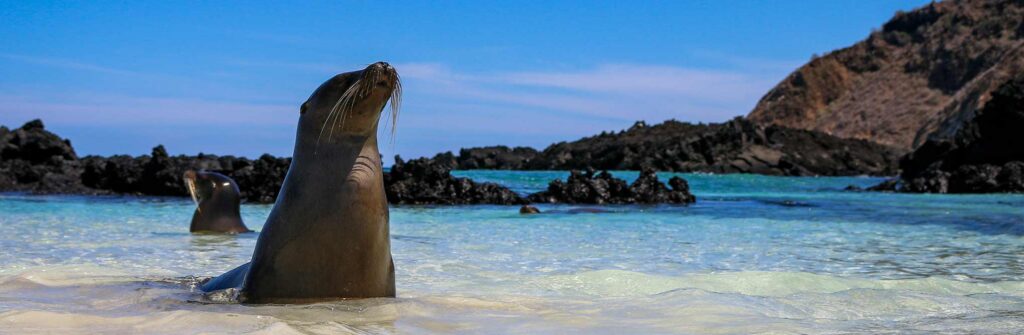
Wildlife of the Galápagos Islands: Unique species, conservation & expedition journeys Straddling the equator 600 miles off the South American...
Read now
How to choose the best safari reserve in South Africa: Private concessions vs Greater Kruger The right safari reserve in...
Read now
From Rajasthan to Britain: The Architecture and History of World-Famous Fortresses Across the arid plains of Northern India and the...
Read now
Antarctica whale watching: The best months to spot humpbacks, minkes & orcas There is no land route to Antarctica, and...
Read now
The best time of year to see the Northern Lights in Svalbard High above the Arctic Circle, halfway between mainland...
Read now
Extraordinary things to do in the Kimberley: National parks & wilderness expeditions In the far north of Western Australia, the...
Read now
Wildlife of the Galápagos Islands: Unique species, conservation & expedition journeys Straddling the equator 600 miles off the South American...
Read now