

Wildlife in Antarctica
An expert field guide to Antarctica’s remarkable wildlife The first thing you notice at an Antarctic landing is the noise....
Read nowAcross the arid plains of Northern India and the windswept hills of the British Isles, stone fortresses stand as monumental testaments to exceptional design, royal lineage, and military heritage. Separated by thousands of miles and distinct cultural traditions, the citadel building of Rajasthan and Great Britain share a compelling historical dialogue. Both turned high hills into powerful strongholds, using local stone to protect busy trade routes and shelter royal courts.
Visiting these places feels like walking straight into the past, taking you through grand courtyards, clever defensive design, and centuries of local history.
The fortress architecture of both regions was shaped by the nature of medieval defense, yet each adapted brilliantly to its native terrain and cultural aesthetic.
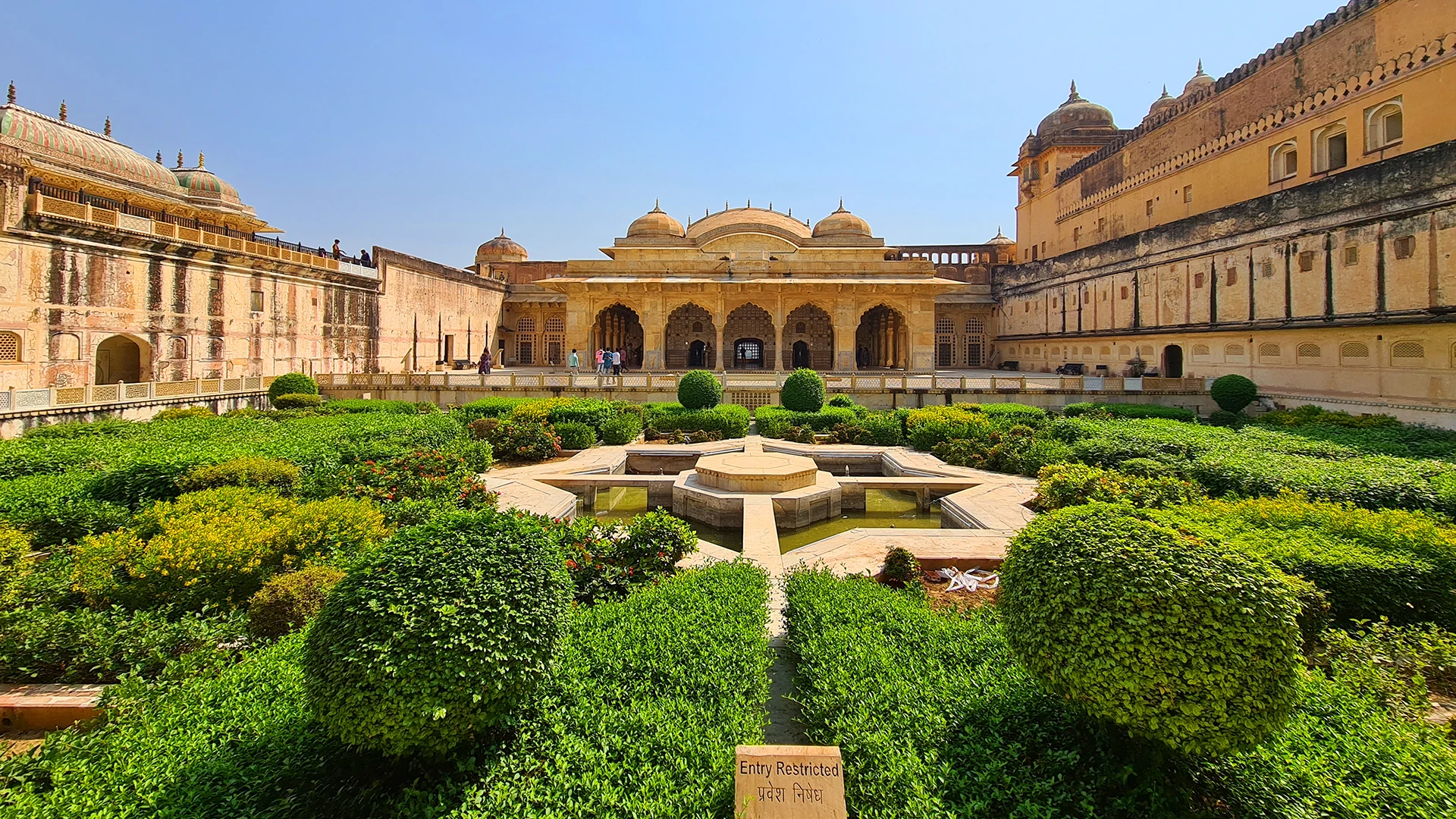
Rising dramatically from the Aravalli Hills and the Thar Desert, the hill forts of Rajasthan, including Amer, Mehrangarh, and Chittorgarh, were conceived as self-sustaining royal cities. Constructed primarily from rich red sandstone and gleaming quartz, Rajput strongholds seamlessly blend impressive defense with intricate artistic refinement.
Highlights of the design:
By contrast, the great fortresses of Britain, from the coastal strongholds of Wales to the volcanic cliffs of Scotland, were engineered for long-term endurance. Using dense granite, limestone, and local stone, British castles evolved from early earthwork keeps into complex stone complexes.
Highlights of the design:
Comparing iconic fortresses reveals how shared strategic needs met contrasting architectural styles across both regions:
To really understand a famous fortress, you need more than a standard entrance ticket. Having the right guide and good timing turns a simple walk around the walls into a fascinating look into the past.
For discerning travellers, unlocking these sites effectively involves three core elements:
Discover our curated India escorted tours and holidays to see how Rajasthan’s architectural icons feature in our custom itineraries.
A true journey through historic strongholds requires meticulous planning, seamless transit, and exclusive access. The sheer scale of these destinations means that the difference between a standard visit and an extraordinary discovery lies in the details, from staying in historic heritage properties to securing quiet morning viewings.
At Exclusive Expeditions, we handle every detail of your cultural adventure. We arrange private chauffeured transfers, select hand-picked heritage hotels, and connect you with specialist local guides. Ready to start planning your deeply meaningful journey? Contact our expedition experts today to start planning.
Discover our flagship Royal Rajasthan & Luxury Lower Ganges River Cruise to experience India’s royal heritage firsthand, or browse our full range of curated expedition journeys to begin tailoring your next adventure of a lifetime.
Every journey we offer is handpicked by our specialists. These are the ones we recommend the most.
10 Nights From £7,100pp
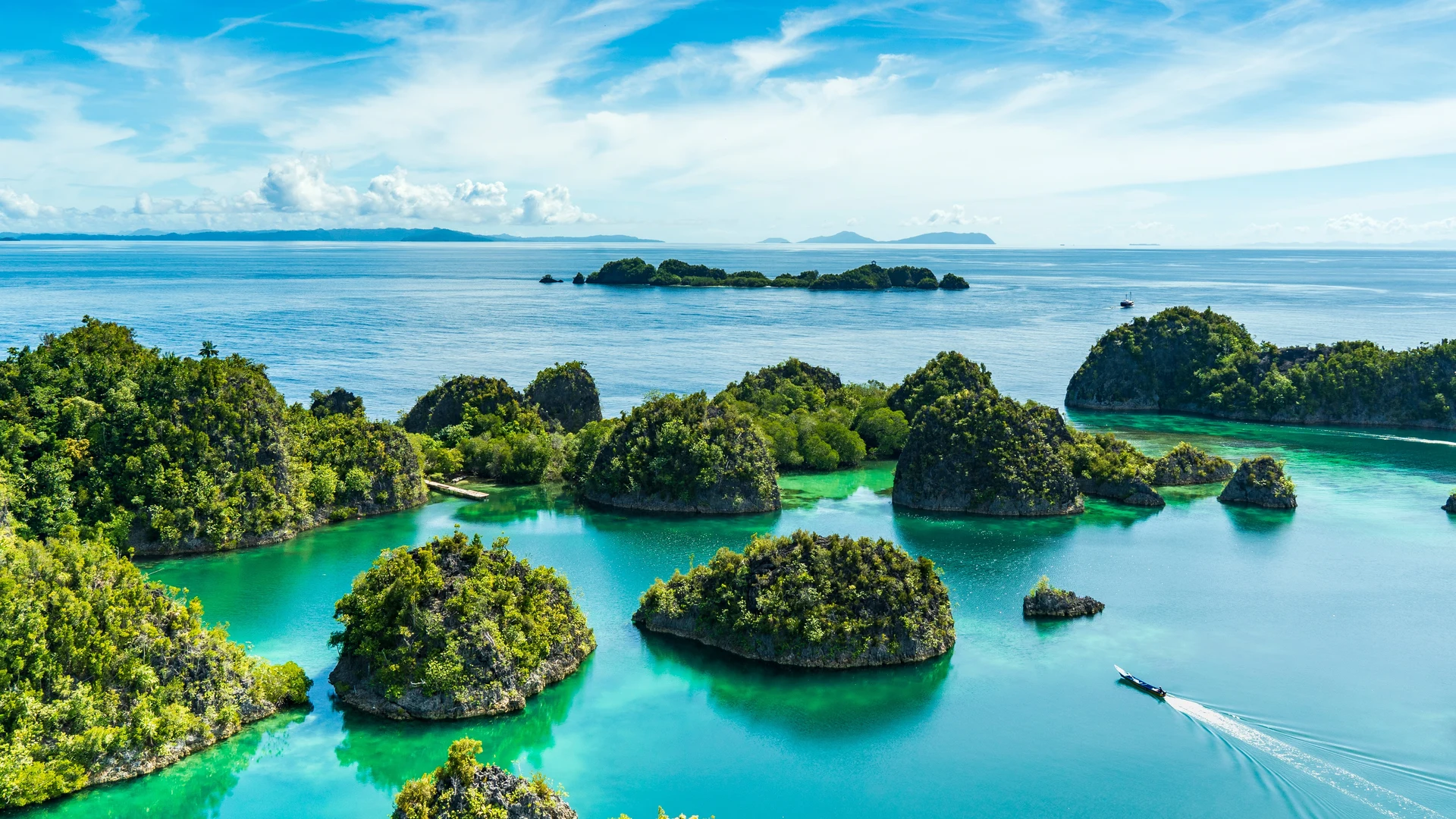
Explore Raja Ampat and Cenderawasih Bay, where vibrant coral reefs, whale sharks and pristine islands await discovery.
View details24 Nights Nights From £13,200pp
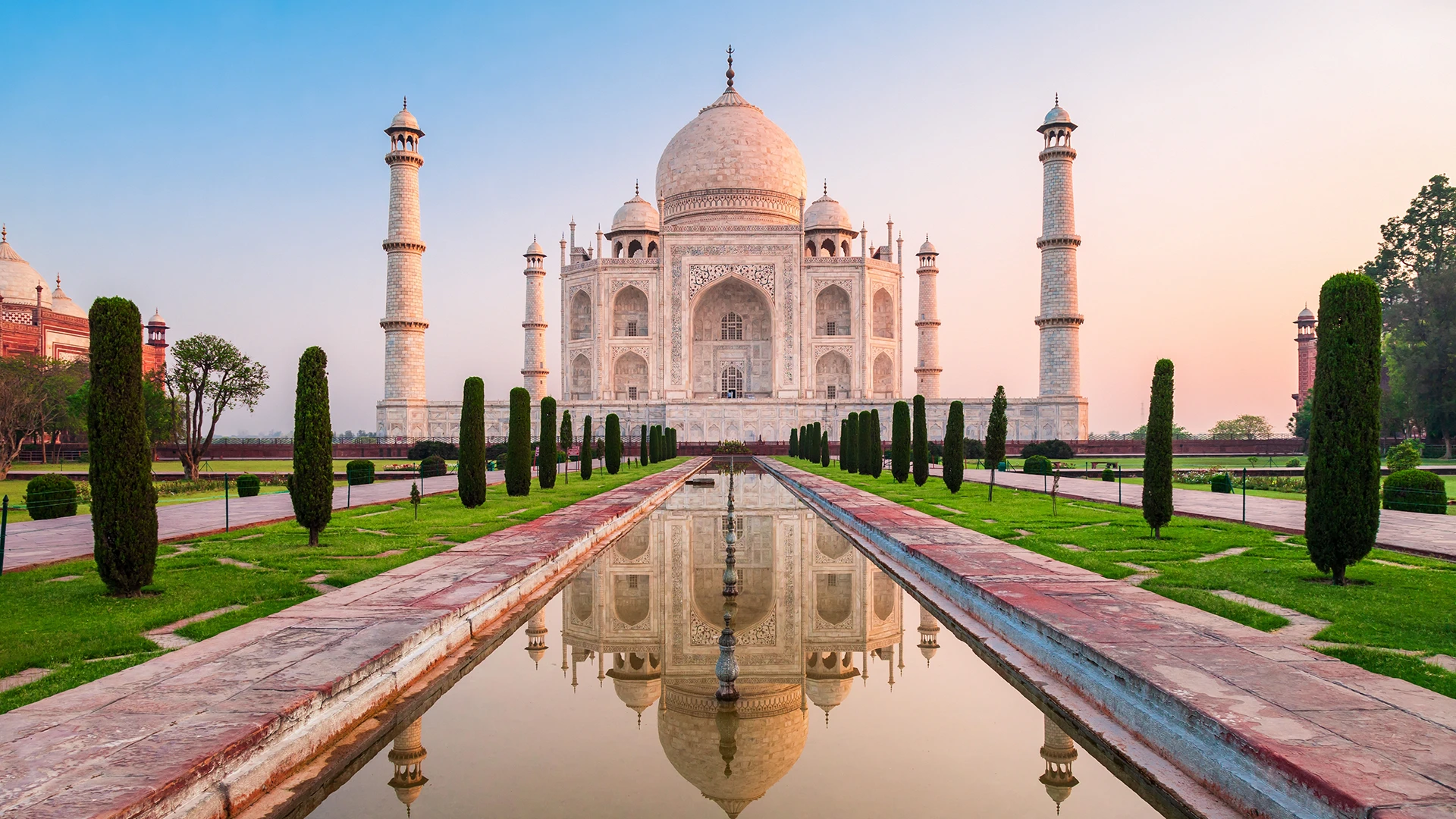
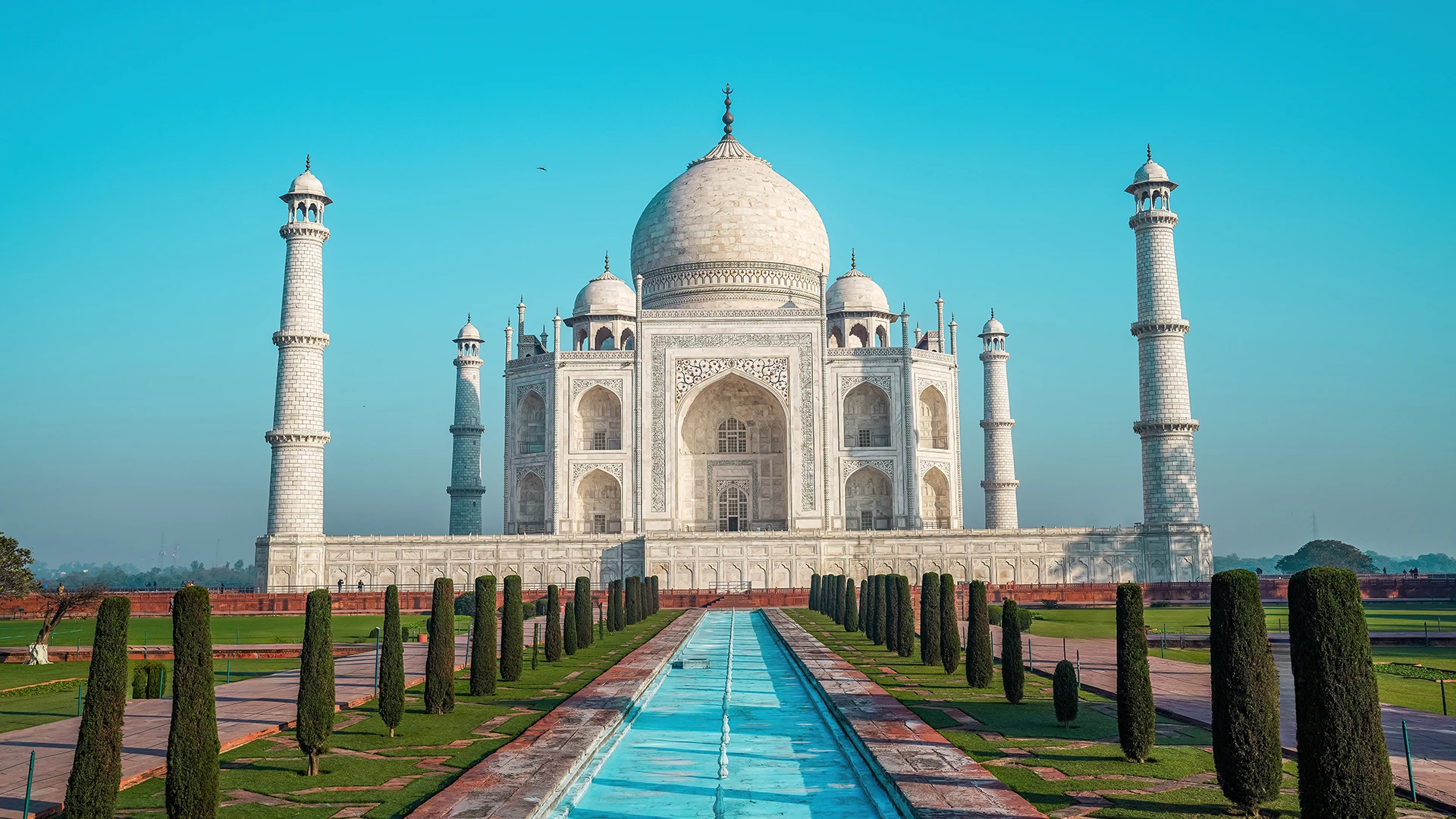
This twenty-five-day journey is a grand tour of royal Rajasthan, wrapped in ultra-luxury and finished on the Ganges. From Delhi and the Taj Mahal you...
View details11 Nights From £4,600pp
From Delhi's Mughal streets to the tiger forests of Ranthambore and the royal splendour of Jaipur.
View details21 Nights Nights From £11,800pp
This twenty-two-day odyssey uncovers the fullest sweep of North India before its gentle finale on the Ganges. Aboard a journey of ultra-luxury, you witness the...
View details23 Nights Nights From £8,570pp
This twenty-four-day journey draws out the colours, flavours and traditions of South India before the calm of the Ganges. You begin in Kochi, the old...
View details21 Nights From £13,690pp
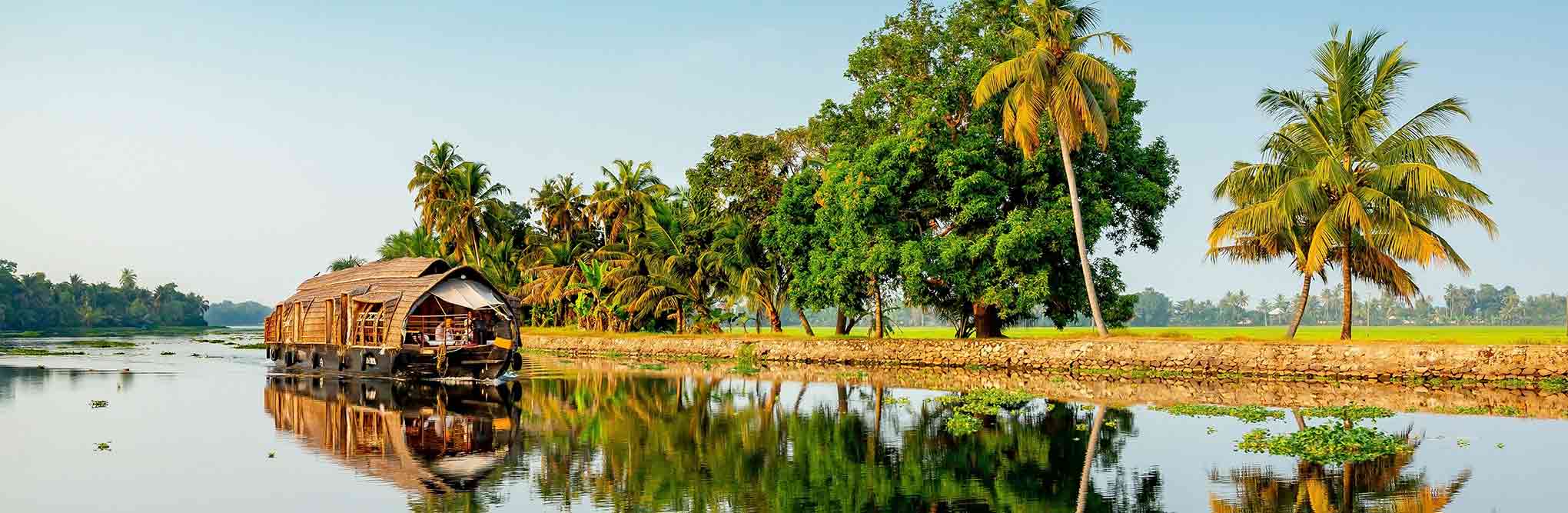
Take the Maharajas' Express through royal Rajasthan, then Kerala's backwaters aboard RV Kochi Pandaw
View details11 Nights From £3,450pp
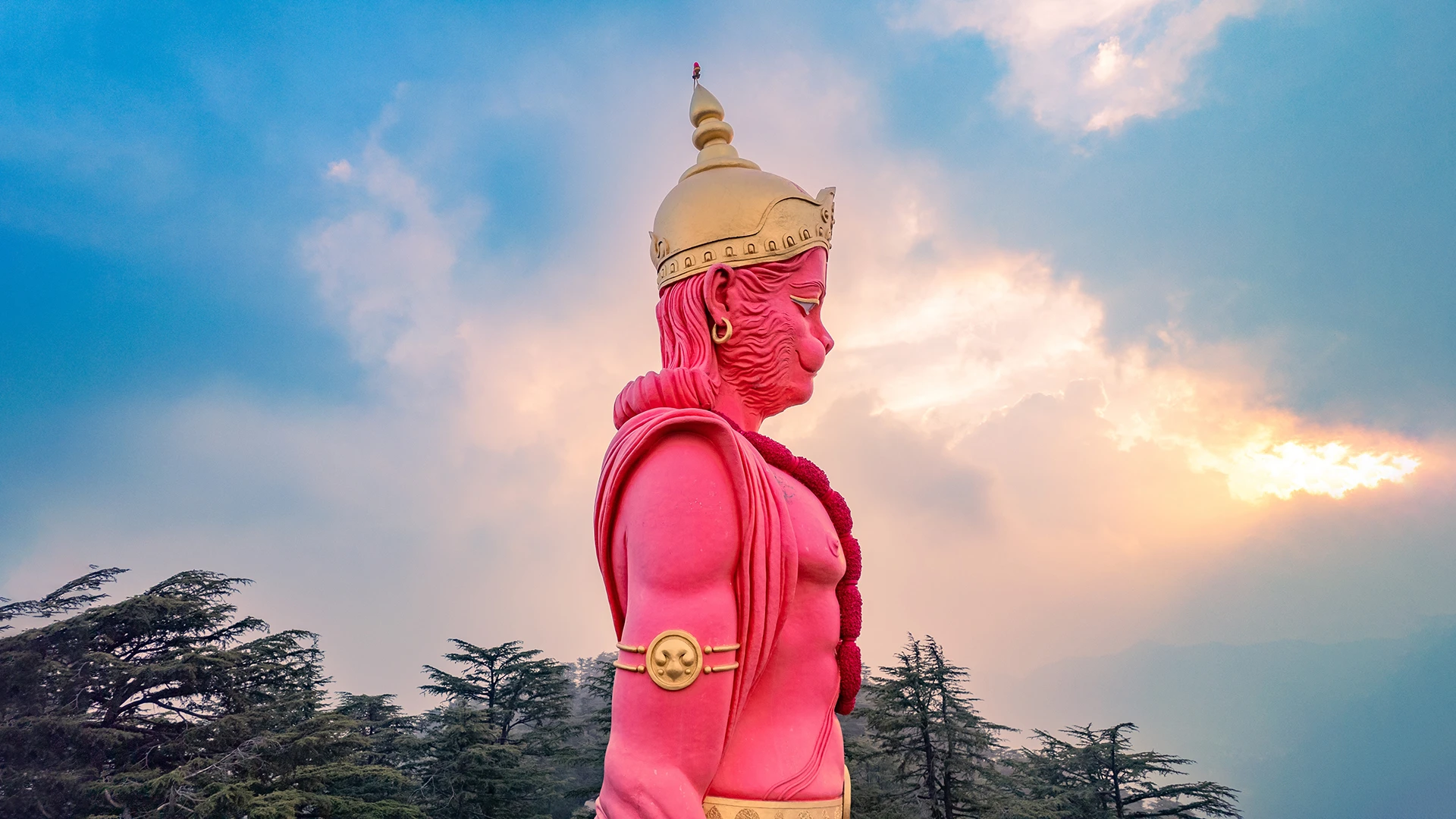
From Delhi's Mughal monuments to the Golden Temple, Himalayan hill towns, and the heights of Shimla.
View detailsYour message has been submitted successfully.
Ready to start planning? Our specialists are here to help.
An expert field guide to Antarctica’s remarkable wildlife The first thing you notice at an Antarctic landing is the noise....
Read nowChiang Mai city guide: Ancient temples, mountain sanctuaries & Lanna culture Tucked into the misty mountains of Northern Thailand, Chiang...
Read nowVietnam Weather in February: Regional Climates, Ideal Seasons & Travel Advice Pack a jacket for Hanoi and sunscreen for Ho...
Read nowA single small island holds all of this: the world's densest population of leopards, herds of wild elephants numbering in...
Read nowWhat to pack for wildlife photography holidays: essential kit & field gear Capturing animals in the wild comes down to...
Read nowGuided Safaris in Mikumi National Park: Exploring Tanzania's Southern Wilderness Four and a half hours west of Dar es Salaam,...
Read nowAn expert field guide to Antarctica’s remarkable wildlife The first thing you notice at an Antarctic landing is the noise....
Read nowChiang Mai city guide: Ancient temples, mountain sanctuaries & Lanna culture Tucked into the misty mountains of Northern Thailand, Chiang...
Read nowVietnam Weather in February: Regional Climates, Ideal Seasons & Travel Advice Pack a jacket for Hanoi and sunscreen for Ho...
Read nowA single small island holds all of this: the world's densest population of leopards, herds of wild elephants numbering in...
Read nowWhat to pack for wildlife photography holidays: essential kit & field gear Capturing animals in the wild comes down to...
Read nowGuided Safaris in Mikumi National Park: Exploring Tanzania's Southern Wilderness Four and a half hours west of Dar es Salaam,...
Read now