

Costa Rica Beaches
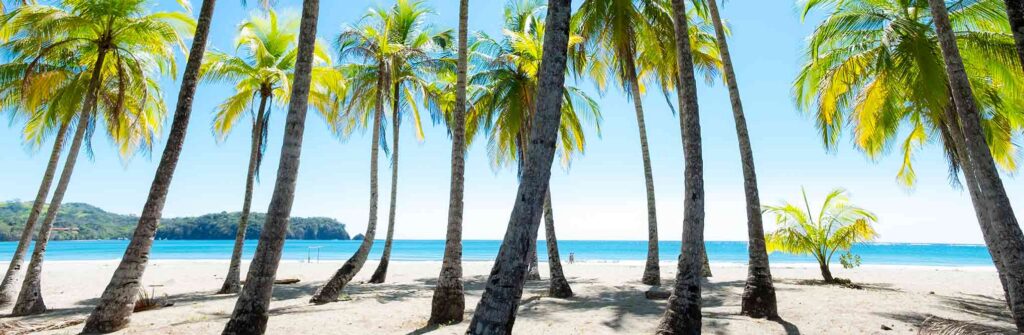
Pacific dreams and Caribbean soul: A guide to Costa Rica beaches Costa Rica sits between two oceans, and its beaches...
Read nowYou know you want an expedition holiday. The world is calling. But which kind? The choice between an expedition cruise and a land expedition is one of the most common questions we get asked. Here is the honest answer.
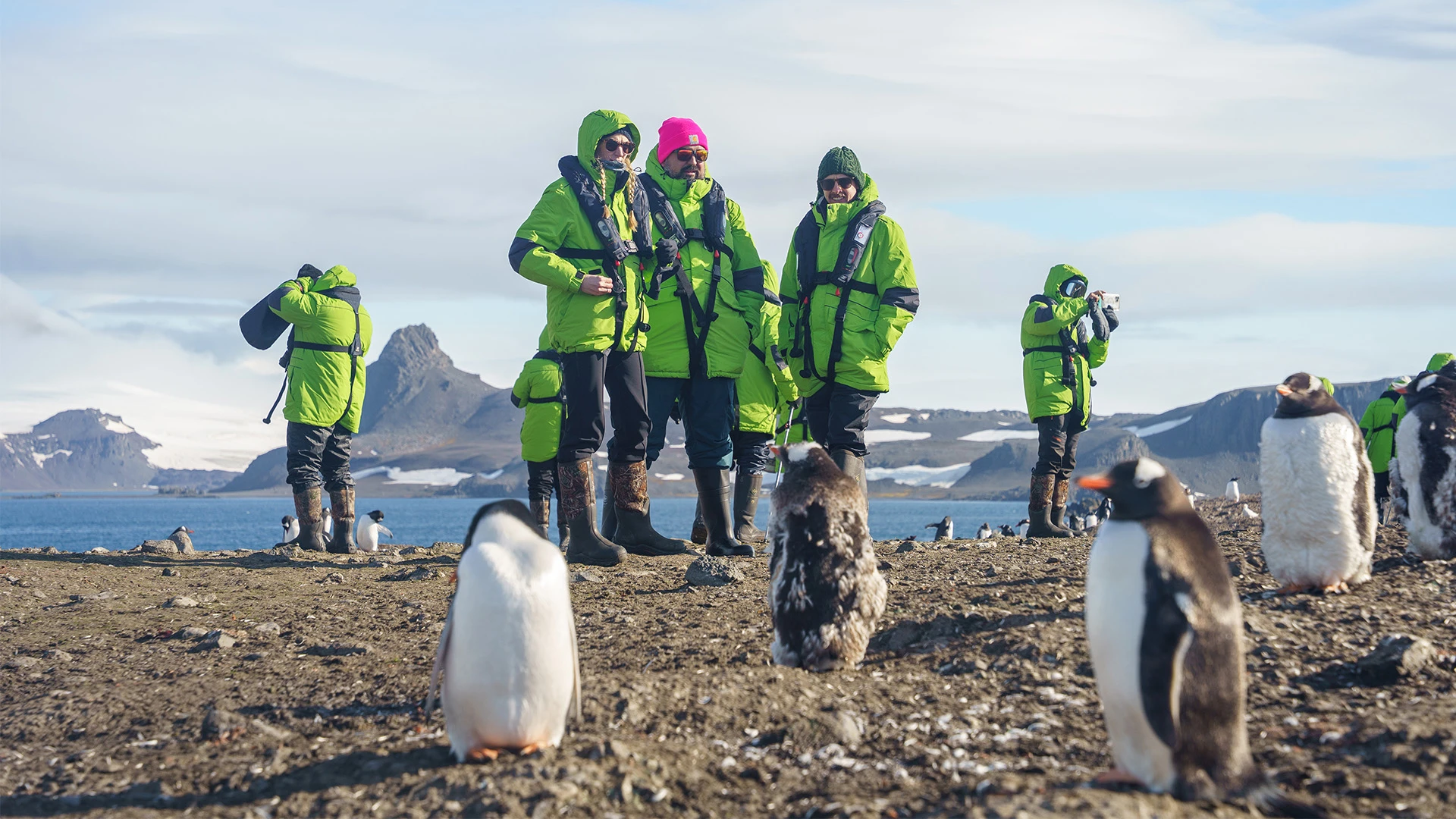
At Exclusive Expeditions, we offer both. So we have no reason to push you in either direction. What we can do is lay out exactly what each format delivers, where each excels, and how to decide which is right for you.
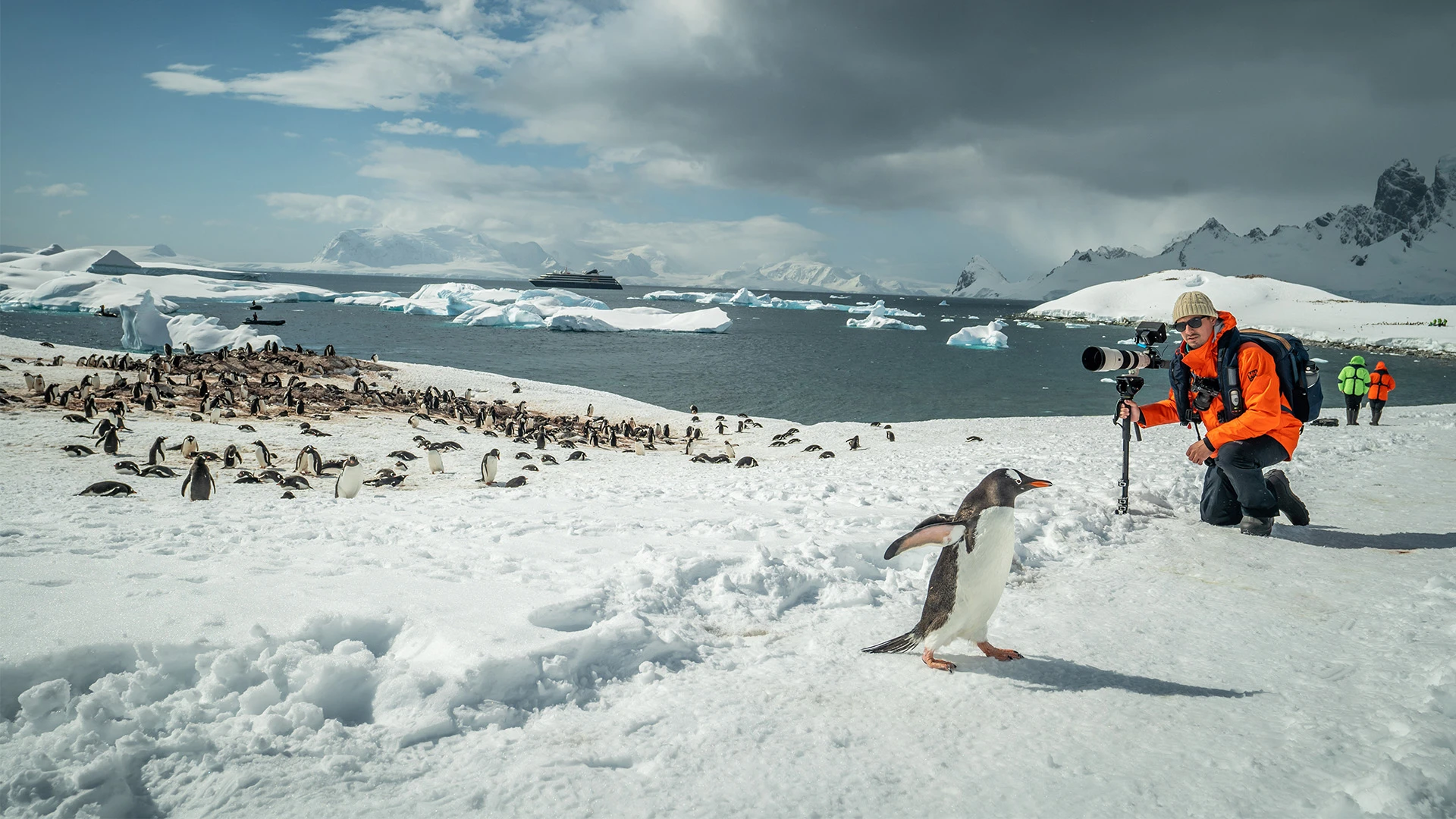
An expedition cruise puts you on a small, purpose-built ship designed specifically for remote, wild destinations. We are not talking about a large ocean liner. These vessels typically carry between 50 and 200 passengers. They have ice-strengthened hulls, shallow drafts for accessing shallow bays, and fleets of Zodiac inflatable boats for getting you ashore.
The destinations are the point. Antarctica, The High Arctic and Svalbard, and the Galapagos Islands. The Norwegian Fjords. Alaska’s Inside Passage. The Kimberley coast of Western Australia. These are places with no hotels, no tourist infrastructure, and no crowds. The ship is your floating base. You wake up somewhere extraordinary each morning.
Throughout every day, a team of naturalists, historians, marine biologists and other specialists guide your experience on board and ashore. Lectures in the evenings. Zodiac landings in the mornings. Wildlife sightings from the deck at any moment. This is expedition travel, but with a warm cabin and a hot dinner waiting for you at the end of it.
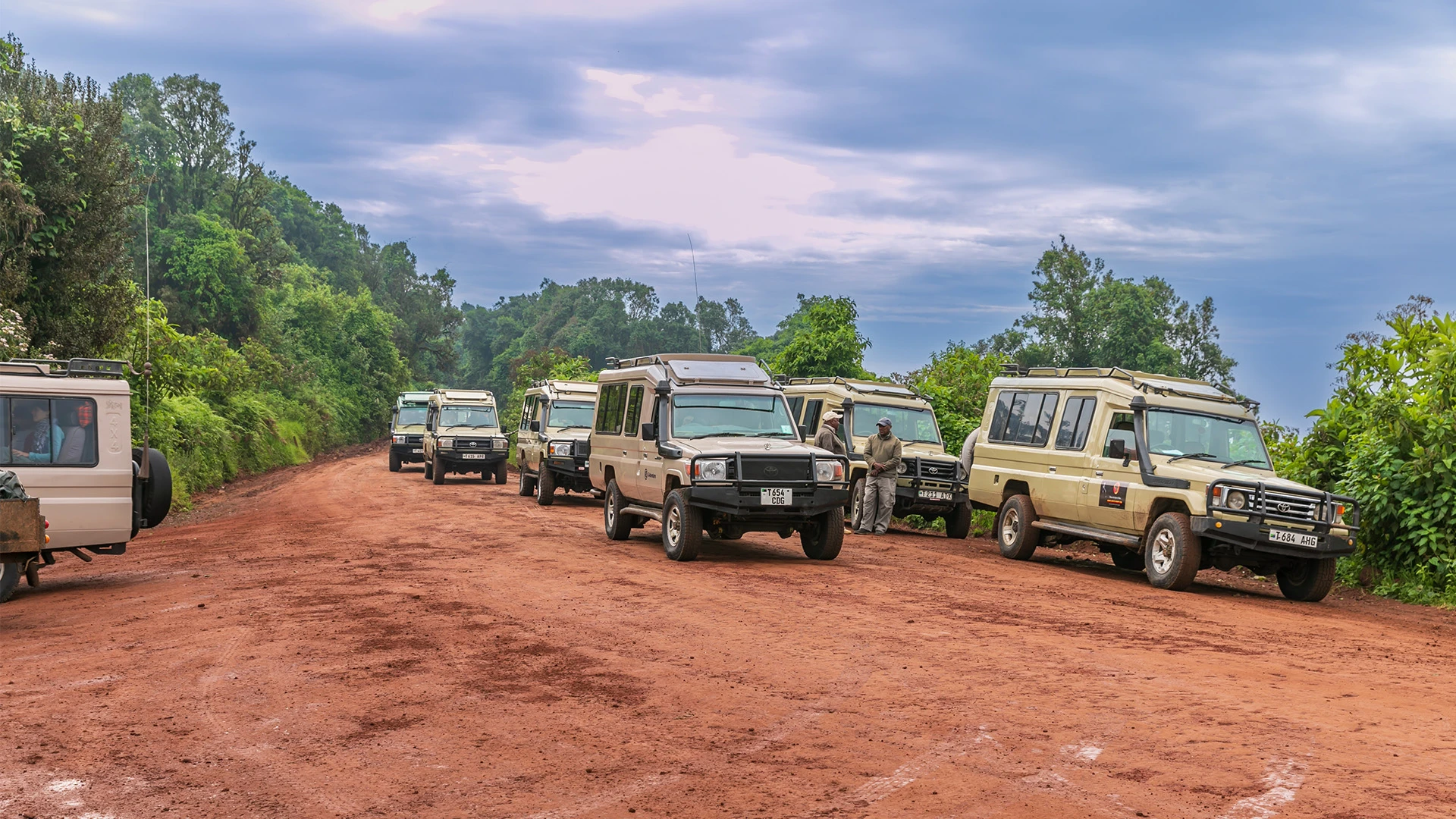
A land expedition is an immersive overland journey through a remote or extraordinary region. Instead of a ship, your base changes each night. You might stay in a tented camp on the Serengeti one evening, a remote eco-lodge deep in Borneo’s rainforest the next, and a high-altitude refuge in Patagonia the night after that.
Land expeditions are typically smaller. Groups of 6 to 16 people, guided by local specialists and expert naturalists. The focus depends on the destination. In East Africa, it is the Great Migration, big game and gorilla trekking. In Patagonia, it is trekking through Torres del Paine, navigating the Chilean channels, and watching Magellanic penguins on the Falkland Islands. In Borneo, it is wild orangutans, pygmy elephants and ancient rainforest rivers.
Land expeditions demand more of you physically. You are hiking, travelling by jeep, sometimes camping, and often moving across challenging terrain. The reward is a depth of immersion that no ship can fully replicate. You are living inside the landscape rather than sailing past it.
Polar destinations. There is simply no other way to properly reach Antarctica or the High Arctic. The only access is by ship. An expedition cruise is the definitive polar experience – and it is the reason expedition cruising exists in the first place.
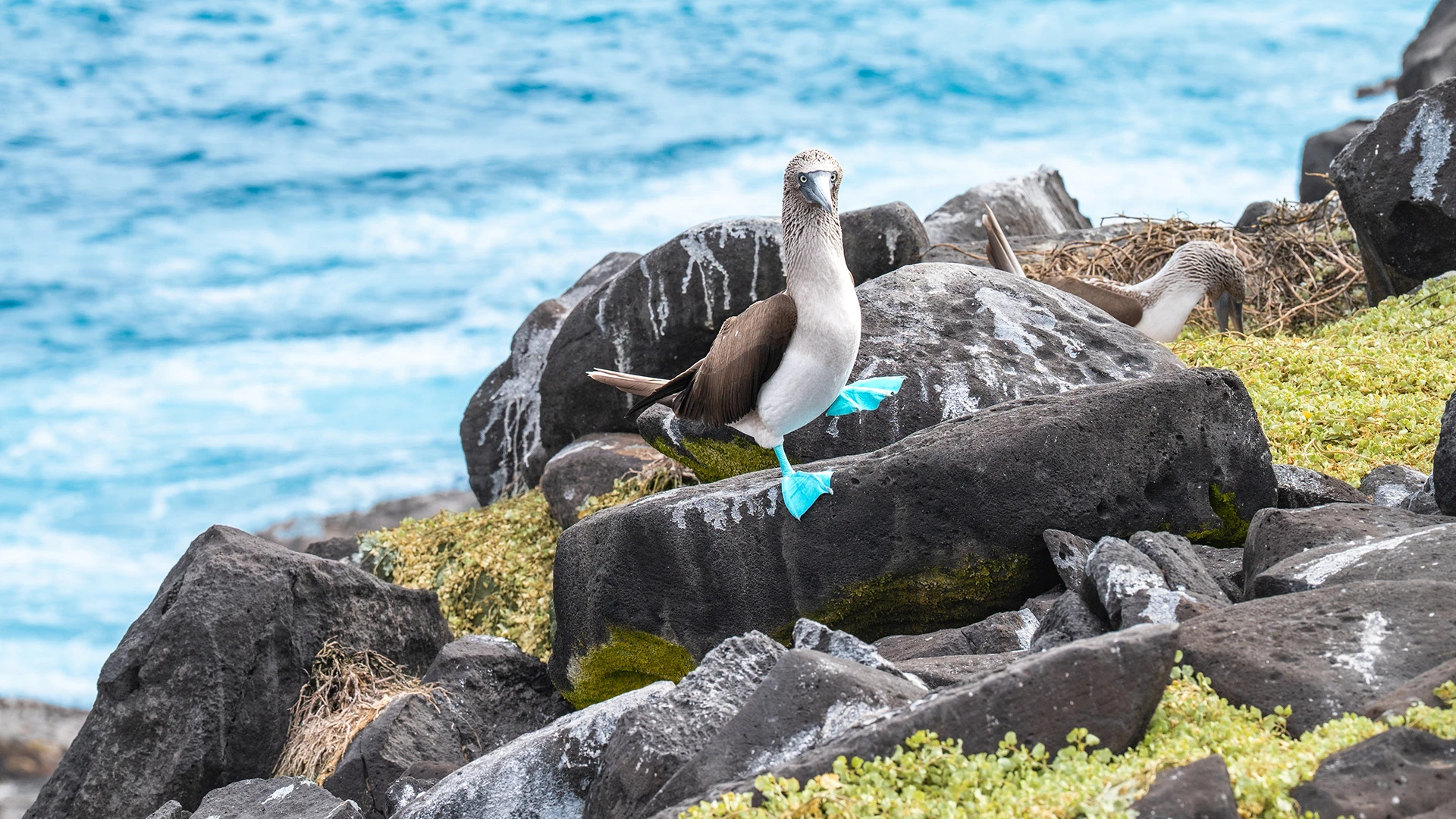
Remote coastlines and archipelagos. The Norwegian Fjords, the Galapagos Islands, the Kimberley coast – these destinations reveal themselves entirely differently from the water. A small ship can anchor in a bay with no other vessels in sight. That access is simply not available on land.
Comfort without compromise. You unpack once. Your cabin follows you everywhere. Modern expedition vessels offer excellent food, en-suite cabins, lecture theatres, and expert naturalists on board. You get extraordinary access to wild places without giving up the things that make travel comfortable.
First-time expedition travellers. Expedition cruises are structured, well-supported, and require no unusual fitness. Activities are optional. You choose how active you want to be each day. For people taking their first expedition holiday, a cruise is often the most reassuring starting point.

Africa. The classic safari – big game, the Great Migration, gorilla trekking – is a land experience. You cannot replicate it from a ship. If Africa is calling, a land expedition is the answer.
Deep immersion. When you are sleeping under canvas in the Serengeti, trekking through cloud forest in Rwanda, or travelling by dugout canoe in Borneo, you are inside the environment in a way that a ship cannot deliver. The sensory experience is more total. The connection with local guides and communities is more direct.
Active travellers. Land expeditions suit people who want to hike, trek, and physically engage with a landscape. If you want to walk the W Trek in Torres del Paine or track mountain gorillas in Uganda, a land expedition is where you belong.
Cultural depth. Some of the most compelling expedition destinations are cultural rather than wildlife-focused. Papua New Guinea. Ethiopia’s Omo Valley. The remote communities of the Amazon. These experiences require land travel, time, and genuine human connection. A ship cannot deliver what these destinations offer.
The Head-to-Head Comparison
Destinations – Expedition cruises are the format for polar and remote coastal travel – Antarctica, the Arctic and Svalbard, the Galapagos, the Norwegian Fjords, Alaska’s Inside Passage, and the Kimberley coast of Western Australia. Land expeditions cover destinations that require you to be on the ground: East Africa, Patagonia, Borneo, Papua New Guinea, the Himalayas, and the Amazon.
Group size – Expedition cruise ships typically carry between 50 and 200 passengers. Land expeditions run in much smaller groups – usually 6 to 16 people – which creates a more intimate dynamic with your guides and fellow travellers.
Accommodation – On an expedition cruise, you unpack once, and your cabin travels with you. On a land expedition, you move between different lodges, camps, and hotels – which means more variety but also more packing and unpacking across the trip.
Physical demands – Expedition cruises are generally low to moderate. Shore landings by Zodiac, optional hikes, and activities you can opt in or out of each day. Land expeditions vary much more widely – from comfortable safari game drives to multi-day mountain treks. Be honest with yourself and with us about your fitness when you enquire.
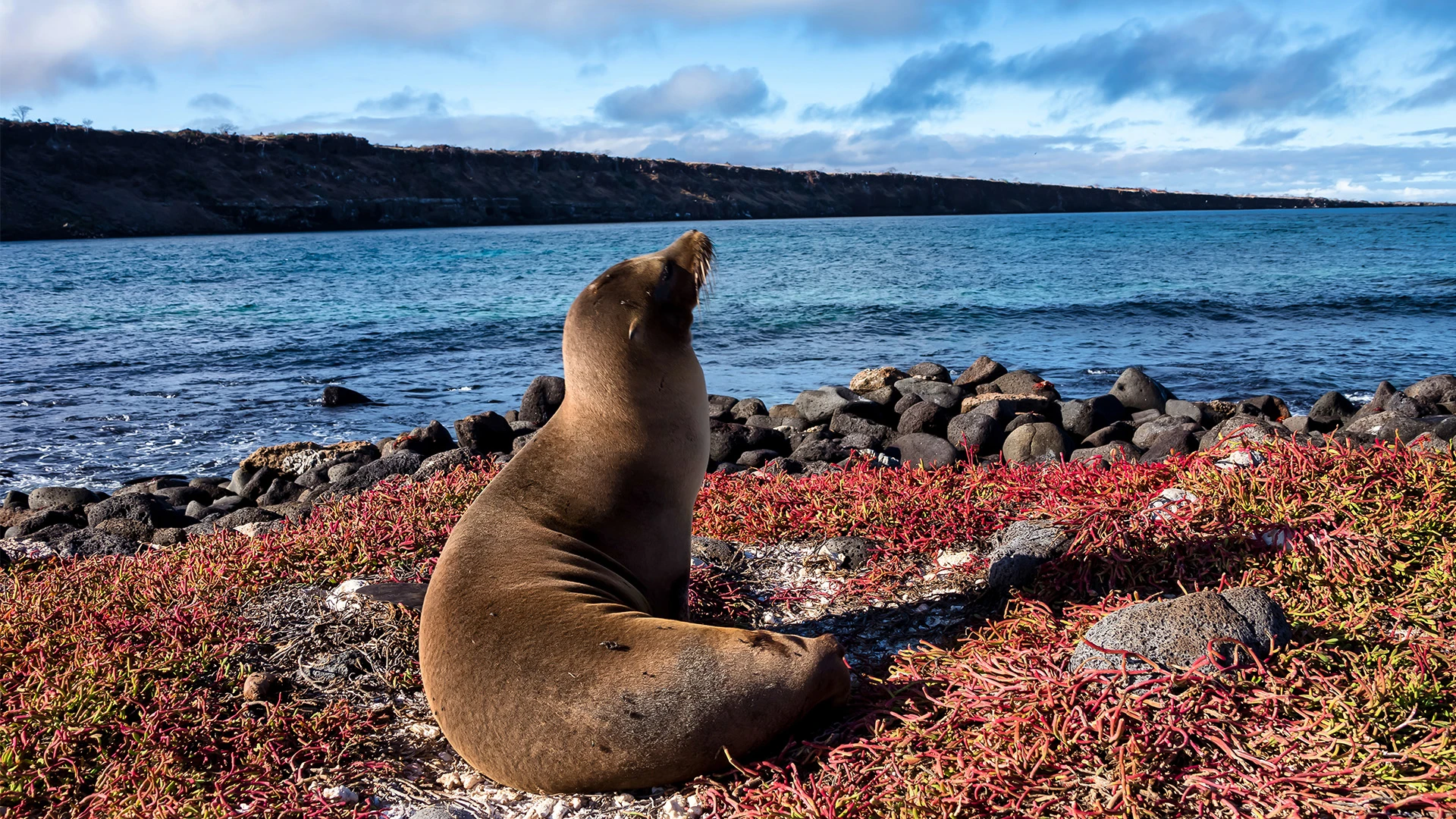
Wildlife – Cruises give you access to marine, polar, and coastal wildlife – penguins, whales, polar bears, seabirds, sea lions. Land expeditions put you in the middle of land-based ecosystems – the big five on the Serengeti, mountain gorillas in Rwanda, and orangutans in the Bornean rainforest.
Weather and flexibility – Expedition ships can adapt their route in response to conditions – if ice closes one bay, the captain finds another. Land itineraries tend to be more fixed, though good operators always build in flexibility.
Cost – Expedition cruises typically range from around £5,000 to £30,000 or more per person, depending on the operator, ship, cabin grade, and destination. Land expeditions generally start at around £3,500 and can reach £20,000 or more for high-end safaris or remote treks. Both formats vary enormously – always get a tailored quote.
The Head-to-Head Comparison
Destinations – Expedition cruises are the format for polar and remote coastal travel – Antarctica, the Arctic and Svalbard, the Galapagos, the Norwegian Fjords, Alaska’s Inside Passage, and the Kimberley coast of Western Australia. Land expeditions cover destinations that require you to be on the ground: East Africa, Patagonia, Borneo, Papua New Guinea, the Himalayas, and the Amazon.
Group size – Expedition cruise ships typically carry between 50 and 200 passengers. Land expeditions run in much smaller groups – usually 6 to 16 people – which creates a more intimate dynamic with your guides and fellow travellers.
Accommodation – On an expedition cruise, you unpack once, and your cabin travels with you. On a land expedition, you move between different lodges, camps, and hotels – which means more variety but also more packing and unpacking across the trip.
Physical demands – Expedition cruises are generally low to moderate. Shore landings by Zodiac, optional hikes, and activities you can opt in or out of each day. Land expeditions vary much more widely – from comfortable safari game drives to multi-day mountain treks. Be honest with yourself and with us about your fitness when you enquire.
Wildlife – Cruises give you access to marine, polar, and coastal wildlife – penguins, whales, polar bears, seabirds, sea lions. Land expeditions put you in the middle of land-based ecosystems – the big five on the Serengeti, mountain gorillas in Rwanda, and orangutans in the Bornean rainforest.
Weather and flexibility – Expedition ships can adapt their route in response to conditions – if ice closes one bay, the captain finds another. Land itineraries tend to be more fixed, though good operators always build in flexibility.
Cost – Expedition cruises typically range from around £5,000 to £30,000 or more per person, depending on the operator, ship, cabin grade, and destination. Land expeditions generally start at around £3,500 and can reach £20,000 or more for high-end safaris or remote treks. Both formats vary enormously – always get a tailored quote.
Destinations – Expedition cruises are the format for polar and remote coastal travel – Antarctica, the Arctic and Svalbard, the Galapagos, the Norwegian Fjords, Alaska’s Inside Passage, and the Kimberley coast of Western Australia. Land expeditions cover destinations that require you to be on the ground: East Africa, Patagonia, Borneo, Papua New Guinea, the Himalayas, and the Amazon.
Group size – Expedition cruise ships typically carry between 50 and 200 passengers. Land expeditions run in much smaller groups – usually 6 to 16 people – which creates a more intimate dynamic with your guides and fellow travellers.
Accommodation – On an expedition cruise, you unpack once, and your cabin travels with you. On a land expedition, you move between different lodges, camps, and hotels – which means more variety but also more packing and unpacking across the trip.
Physical demands – Expedition cruises are generally low to moderate. Shore landings by Zodiac, optional hikes, and activities you can opt in or out of each day. Land expeditions vary much more widely – from comfortable safari game drives to multi-day mountain treks. Be honest with yourself and with us about your fitness when you enquire.
Wildlife – Cruises give you access to marine, polar, and coastal wildlife – penguins, whales, polar bears, seabirds, sea lions. Land expeditions put you in the middle of land-based ecosystems – the big five on the Serengeti, mountain gorillas in Rwanda, and orangutans in the Bornean rainforest.
Weather and flexibility – Expedition ships can adapt their route in response to conditions – if ice closes one bay, the captain finds another. Land itineraries tend to be more fixed, though good operators always build in flexibility.
Cost – Expedition cruises typically range from around £5,000 to £30,000 or more per person, depending on the operator, ship, cabin grade, and destination. Land expeditions generally start at around £3,500 and can reach £20,000 or more for high-end safaris or remote treks. Both formats vary enormously – always get a tailored quote.

Yes – and this is actually one of our favourite recommendations. Many of the world’s best expedition itineraries combine elements of both formats in a single trip.
Patagonia and Antarctica is the classic combination. You spend time trekking through Torres del Paine or exploring the Chilean channels by land before joining an expedition cruise from Ushuaia to the Antarctic Peninsula. The land component gives you depth and drama. The ship gives you the polar experience that can only be had at sea.
East Africa and the Seychelles or Zanzibar is another natural pairing. Safari on land, then a few nights on an Indian Ocean island or a small-ship coastal extension. The savannah and the sea, back to back.
Alaska is superb as a combination. An expedition cruise through the Inside Passage gives you glaciers, humpback whales and orca pods. Add time in Denali National Park for brown bears and mountain scenery. Between ship and land, you get a comprehensive picture of North America’s greatest wilderness. Talk to our team about building a combined Alaska itinerary.
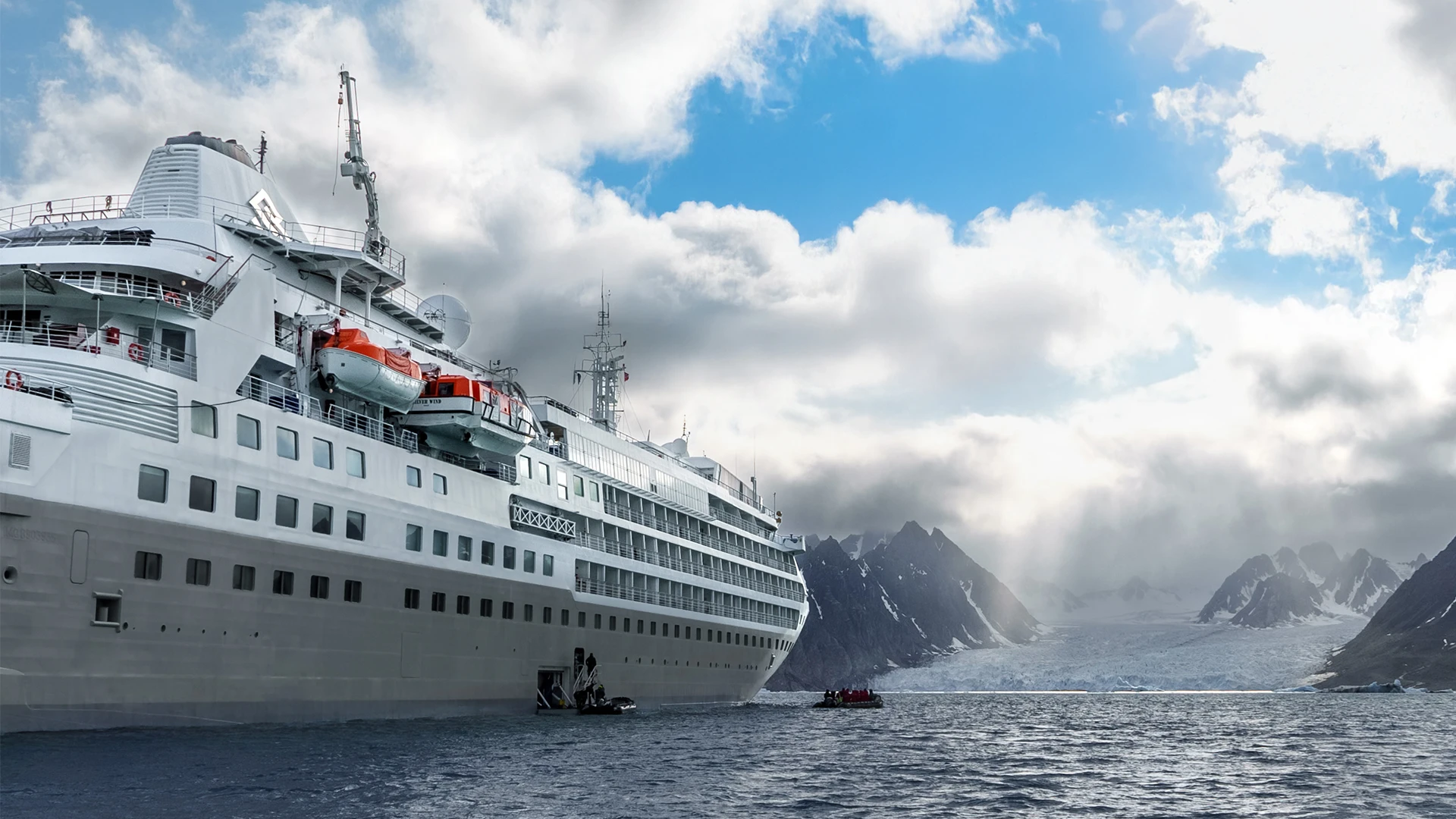
Expedition cruises are generally accessible to a wide range of fitness levels. Most activities are optional. Shore landings by Zodiac involve stepping in and out of a small inflatable boat. Some hikes are available but nothing is compulsory. People in their 60s and 70s regularly go on expedition cruises and have a brilliant time.
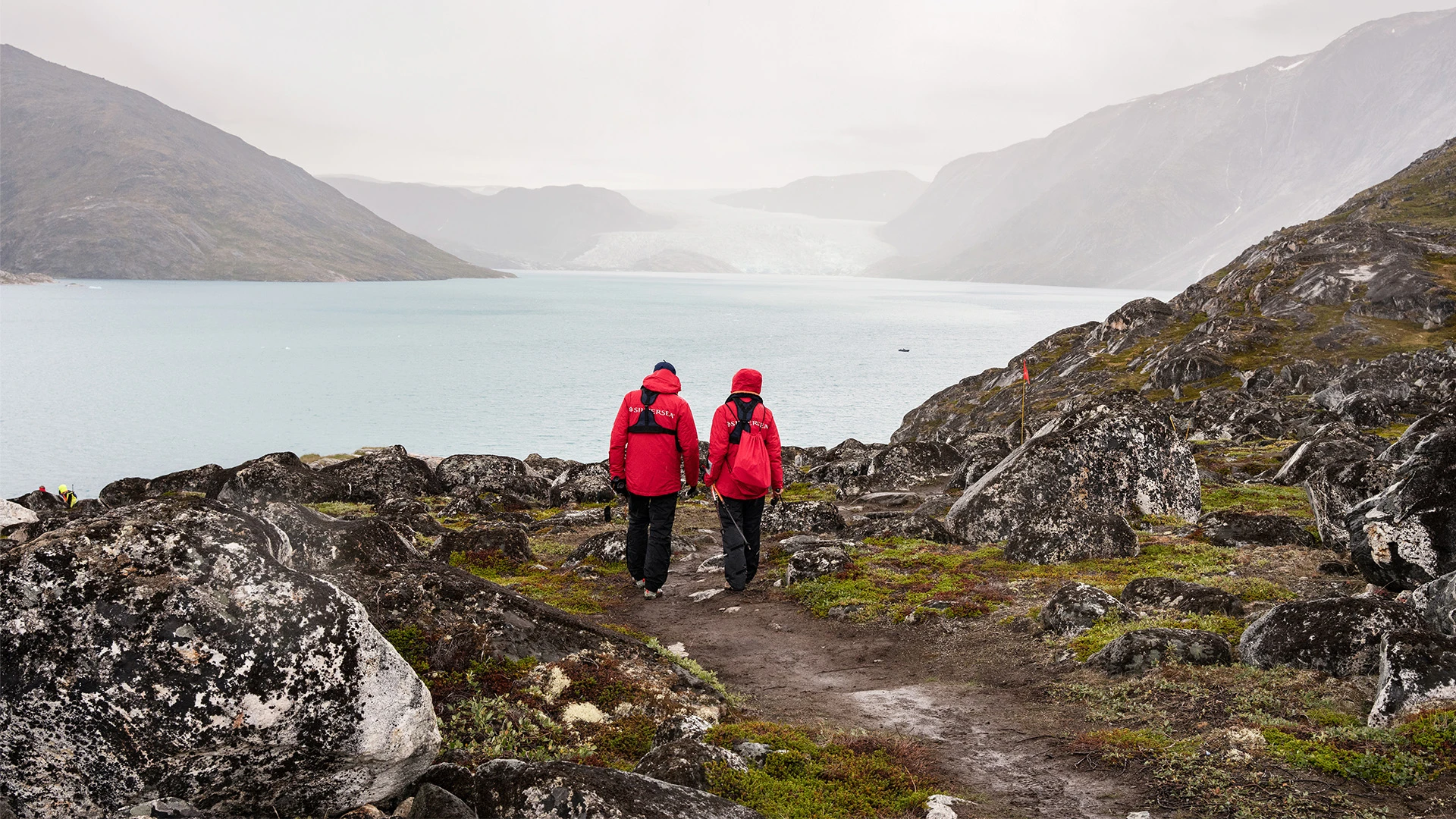
Land expeditions vary much more widely. Some are genuinely manageable for most reasonably active adults – a comfortable tented safari in Kenya, for instance, involves short game drives and easy walks. Others are demanding. Gorilla trekking in Rwanda can involve hours of hiking through steep, muddy forest. The Patagonia W Trek covers 70+ kilometres over several days. Be honest about your fitness when you enquire.
Here is the simplest decision framework we use with customers.
If your dream destination is Antarctica, the Arctic or Svalbard, the Galapagos, or the Norwegian Fjords, book an expedition cruise. These are ship destinations. There is no meaningful land alternative.
If your dream is an African safari, gorilla trekking, or deep immersion in a tropical rainforest, book a land expedition. These are land experiences at heart. A ship adds nothing.
If your dream destination is Patagonia, Alaska, or Borneo, either format works. Consider combining them for the complete picture.
If you have never done an expedition holiday before and are not sure where to start, an expedition cruise is usually the better first step. The structure, the comfort level, and the on-board expert team make it an exceptionally reassuring introduction to expedition travel.
Still not sure? Get in touch with the Exclusive Expeditions team. Tell us where you have always wanted to go and what kind of traveller you are. We will take it from there.
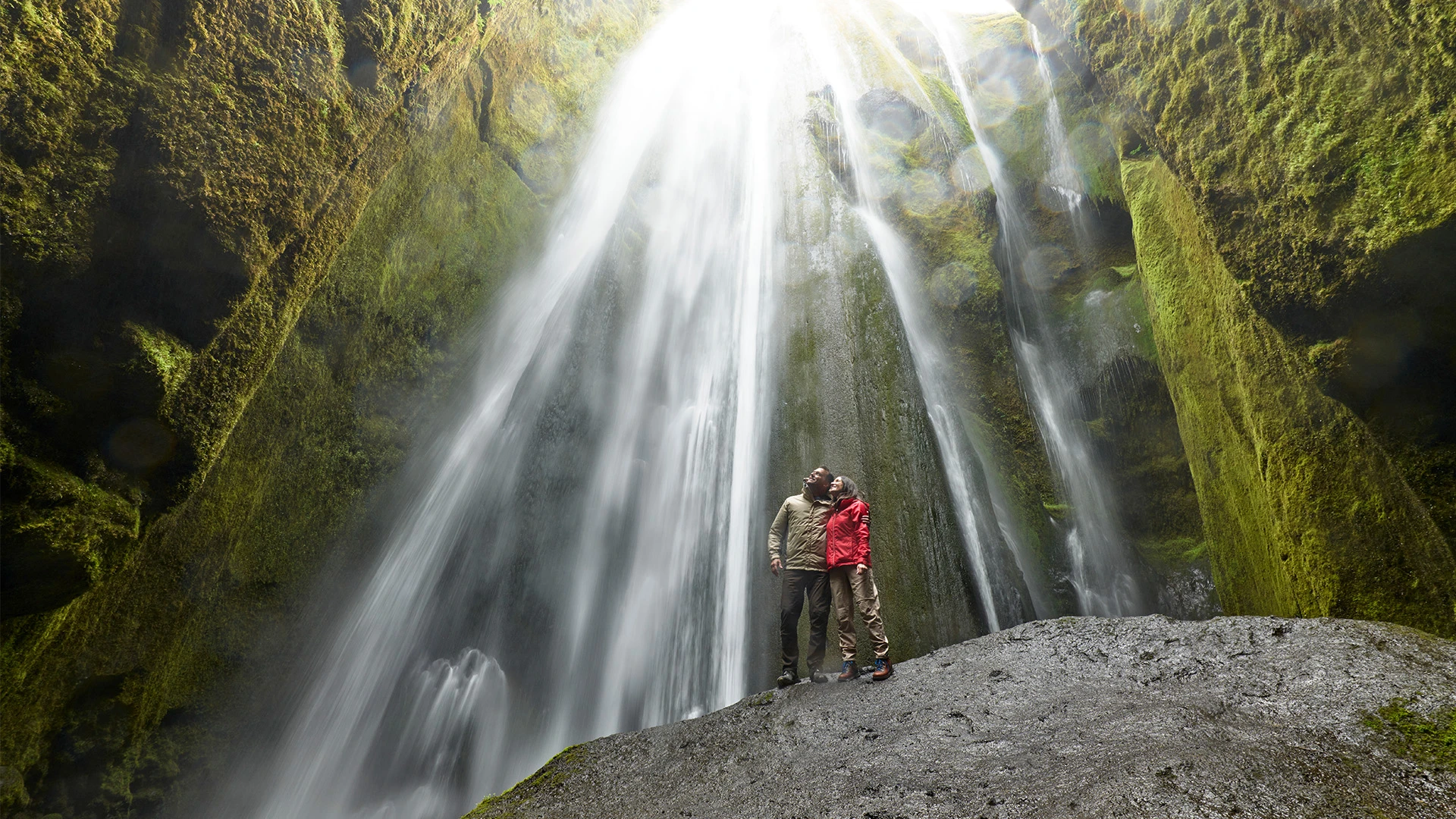
Read our guide to the 10 best expedition destinations in the world for inspiration across both formats.
Planning your first polar voyage? Our guide to Antarctica expeditions covers everything from the best season to the right ship.
Curious about the Galapagos? Explore our Galapagos expedition holidays for more.
Your message has been submitted successfully.
Ready to start planning? Our specialists are here to help.
Pacific dreams and Caribbean soul: A guide to Costa Rica beaches Costa Rica sits between two oceans, and its beaches...
Read now
Chasing the sky: The emotional journey to witness the Alaskan borealis There are certain moments in travel that permanently alter...
Read now
The beauty of the moment: Finding peace in a traditional Japanese tea ceremony There is a particular kind of silence...
Read now
Things to do in Egypt, Cairo: How to navigate the chaos and beauty Cairo is a city that does not...
Read now
The best time to visit India: Navigating the seasons of the subcontinent India is not a country with a single...
Read now
10 Facts about India that will change how you see it To cross the threshold into India is to step...
Read now
Pacific dreams and Caribbean soul: A guide to Costa Rica beaches Costa Rica sits between two oceans, and its beaches...
Read now
Chasing the sky: The emotional journey to witness the Alaskan borealis There are certain moments in travel that permanently alter...
Read now
The beauty of the moment: Finding peace in a traditional Japanese tea ceremony There is a particular kind of silence...
Read now
Things to do in Egypt, Cairo: How to navigate the chaos and beauty Cairo is a city that does not...
Read now
The best time to visit India: Navigating the seasons of the subcontinent India is not a country with a single...
Read now
10 Facts about India that will change how you see it To cross the threshold into India is to step...
Read now