Wildlife in Antarctica
An expert field guide to Antarctica’s remarkable wildlife The first thing you notice at an Antarctic landing is the noise....
Read nowA good guide does not find animals. A great guide reads the landscape, interprets the signs, and brings you to a point where an encounter happens on the animal’s terms rather than yours. That distinction between finding and understanding is what separates a memorable Kenya safari from an extraordinary one.
The wildlife of Kenya is, by almost any measure, the richest and most varied of any country in Africa. The animals in Kenya range from the iconic big five to species so rarely seen that a single sighting defines a trip. At Exclusive Expeditions, we work with guides who understand the difference between the two approaches, and who always choose the latter. Here is a guide to Kenya’s wildlife and how to experience it properly.
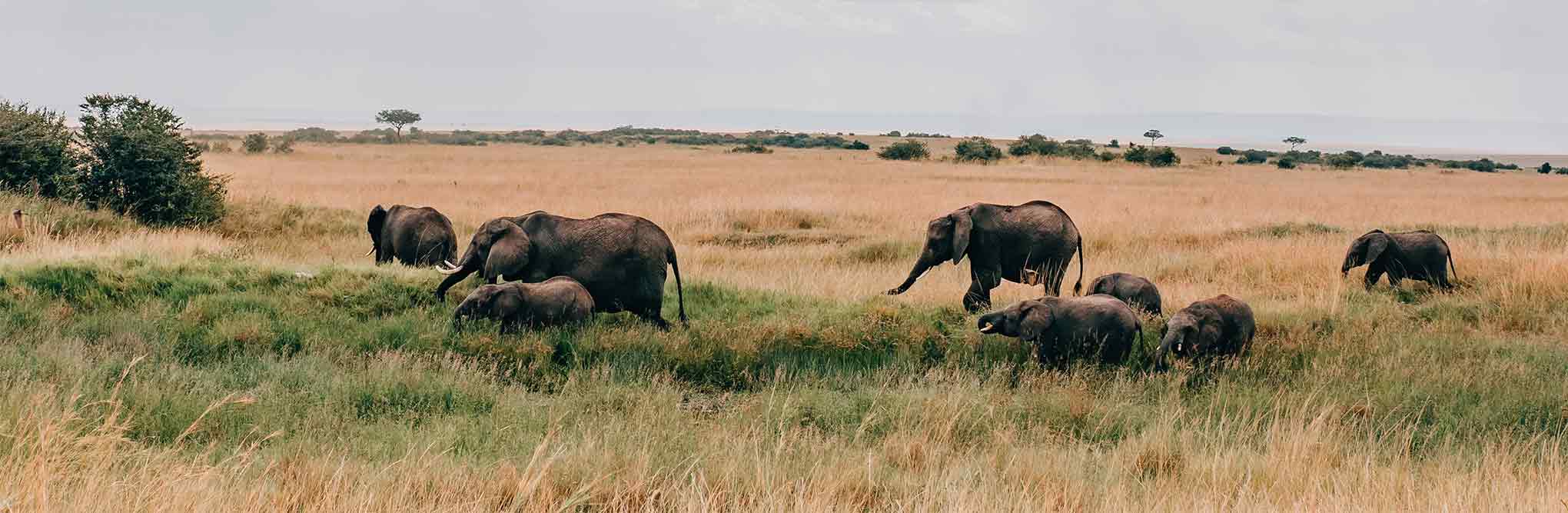
The big five: the lion, leopard, elephant, buffalo, and rhino, were originally named not for their size but for the difficulty of hunting them on foot. The term has since been reclaimed by the safari industry as a shorthand for Kenya’s most sought-after animals. But treating the big five of Kenya as a checklist to complete is one of the least interesting ways to experience them.
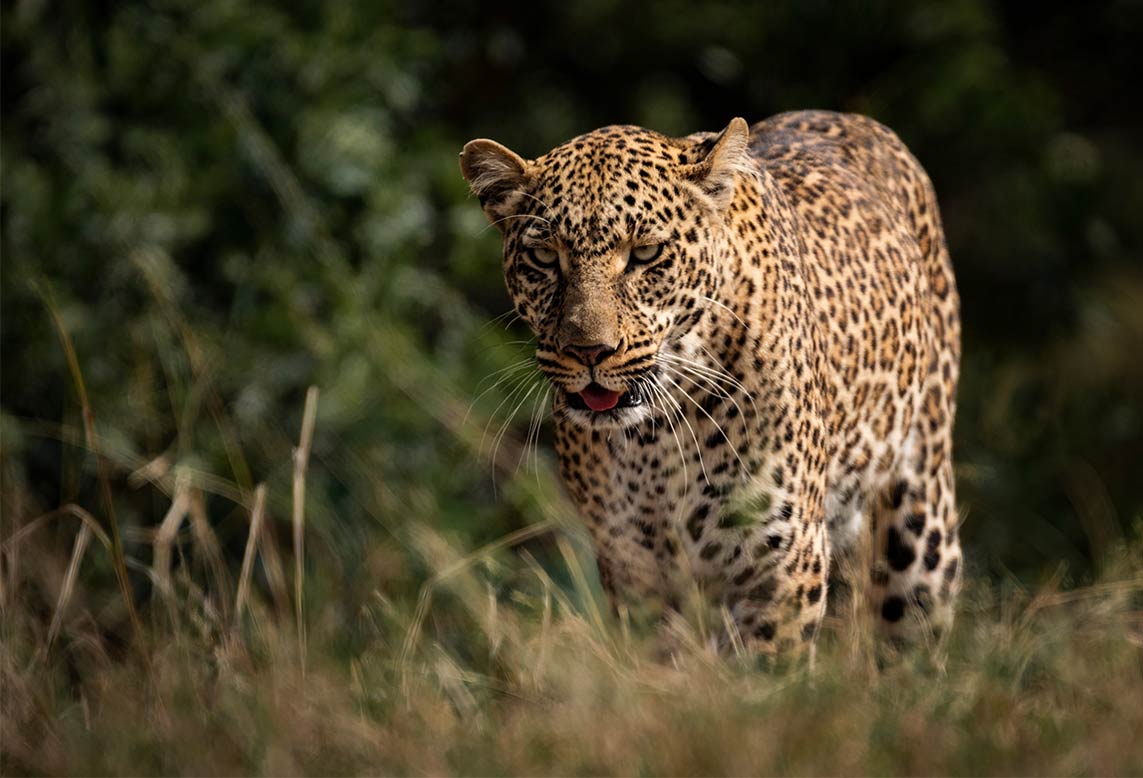
A lion pride observed over several days reveals character that a single sighting cannot. A leopard tracked through long grass and watched carrying a kill into a tree at dusk is an entirely different encounter from spotting one from a road. The big five reward patience and punish the hurried approach.
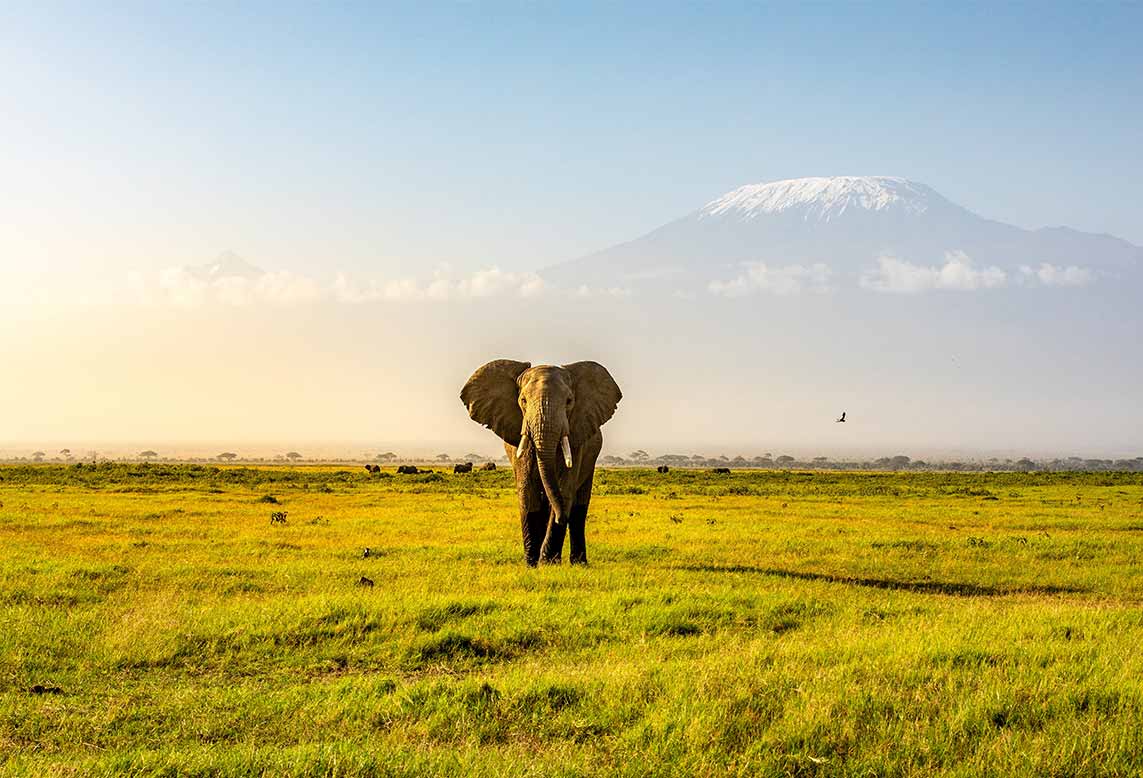
Kenya’s most exceptional wildlife landscapes deliver the big five with a consistency that few destinations match. The Masai Mara is the most celebrated, and it earns its reputation. Lion density in the Mara is among the highest in Africa. Leopards are reliably seen in the riverine forest along the Mara River. Elephant herds move in and out of the reserve throughout the year. And the Mara is one of the last places on earth where you might reasonably expect to see all five in a single day.
EE recommends: Spend at least three nights in the Masai Mara to allow the rhythm of the reserve to reveal itself. The best wildlife encounters rarely happen on the first game drive. They happen when a guide has had time to build a picture of where specific animals have been moving and why. Explore our Kenya featured regions to find the right combination of reserves for your trip.
The wildlife of Kenya extends far beyond the headline species, and for many serious wildlife travellers, the animals beyond the big five are the real draw:
The black rhino
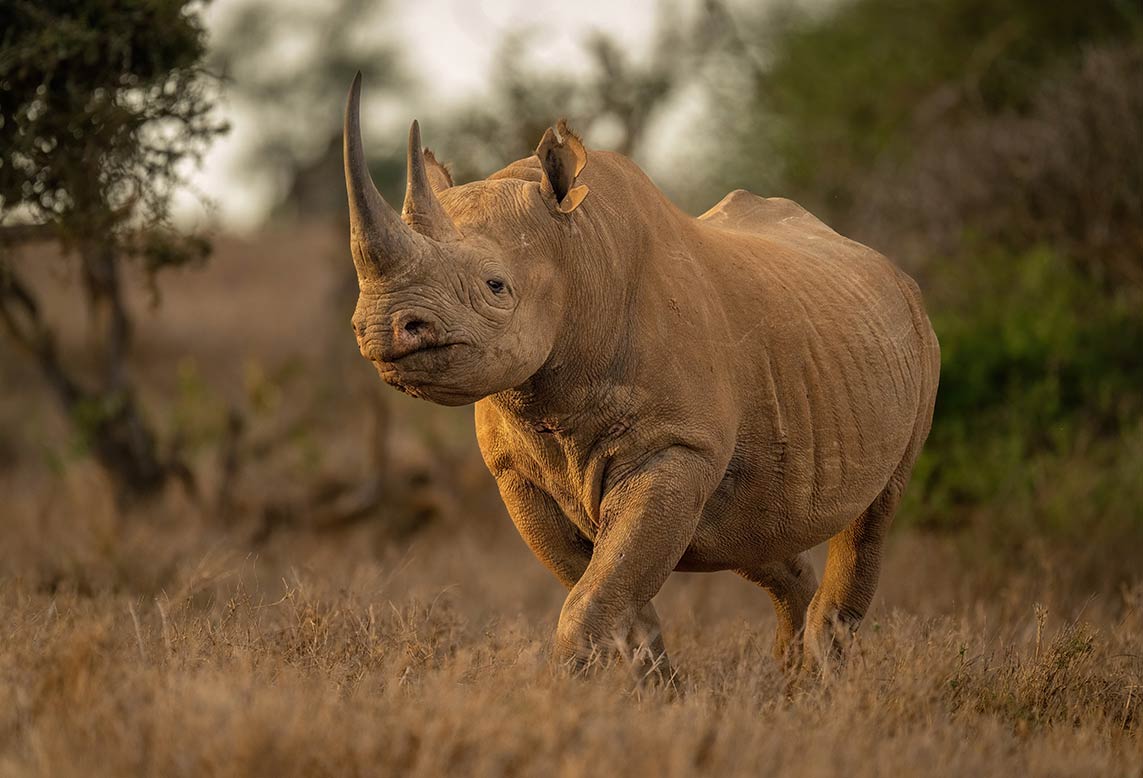
Kenya holds the largest population of eastern black rhino in the world, and they are critically endangered. Ol Pejeta Conservancy in Laikipia is home to the largest black rhino sanctuary in East Africa, and tracking them on foot with an armed ranger is one of the most charged wildlife experiences available anywhere. You move slowly, reading the wind, watching for fresh signs in the dust. When a black rhino materialises from the bush, prehistoric, armoured, and alert, the encounter is unlike anything else in the African wild.
The Grevy’s zebra
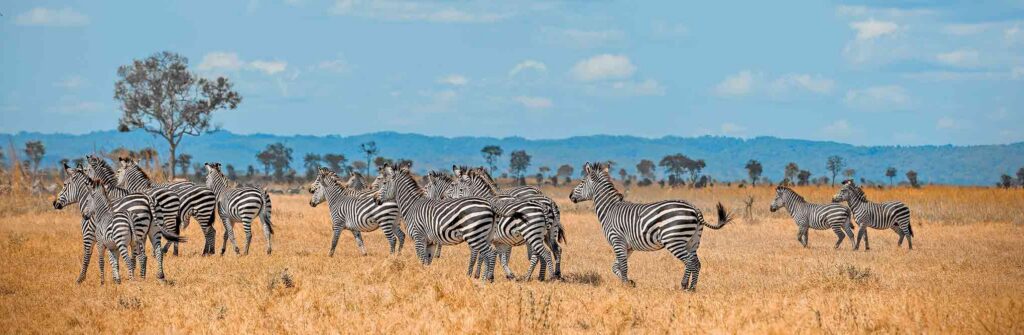
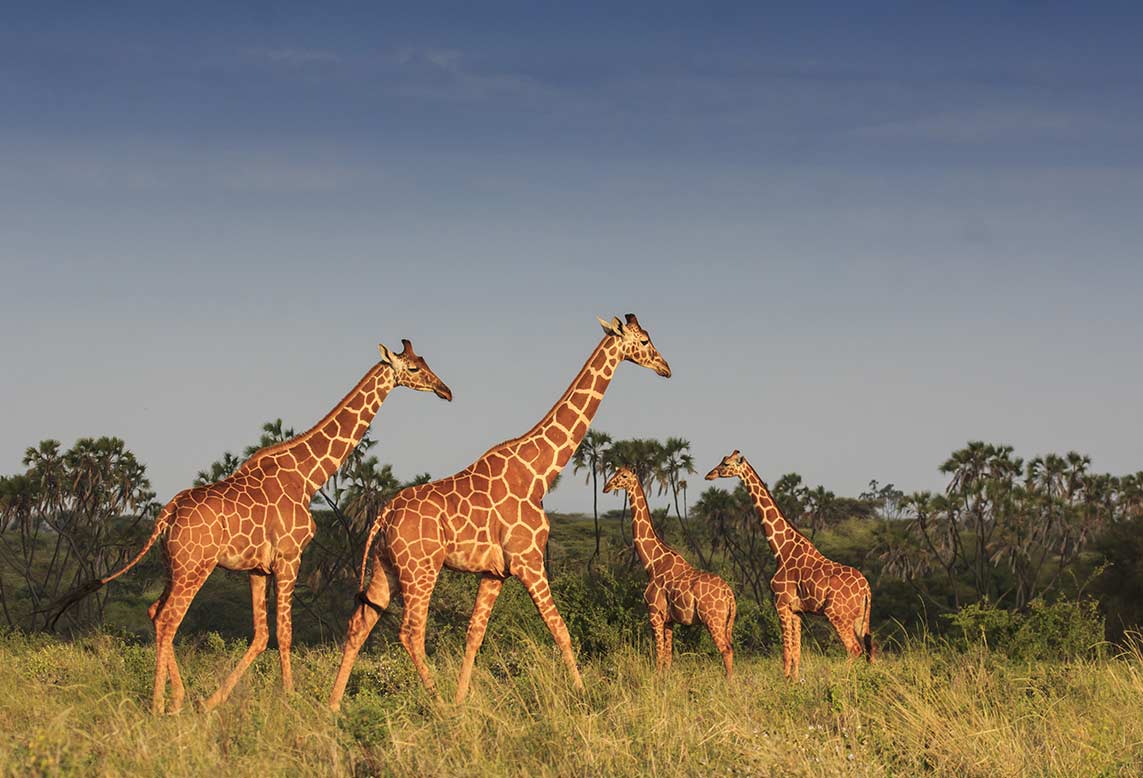
The Grevy’s zebra is the largest wild equid on earth and one of the most endangered. It is found almost exclusively in northern Kenya, in the arid bush country around Samburu and the Laikipia plateau. Narrower stripes than the common plains zebra, larger ears, a white belly. Where the plains zebra moves in vast herds across the Mara, the Grevy’s are typically seen in small, scattered groups, solitary stallions holding territories in the dry thornbush. Samburu National Reserve is the best place in the world to find them, alongside reticulated giraffes, beisa oryx, and the long-necked gerenuk, collectively known as the Samburu Special Five.
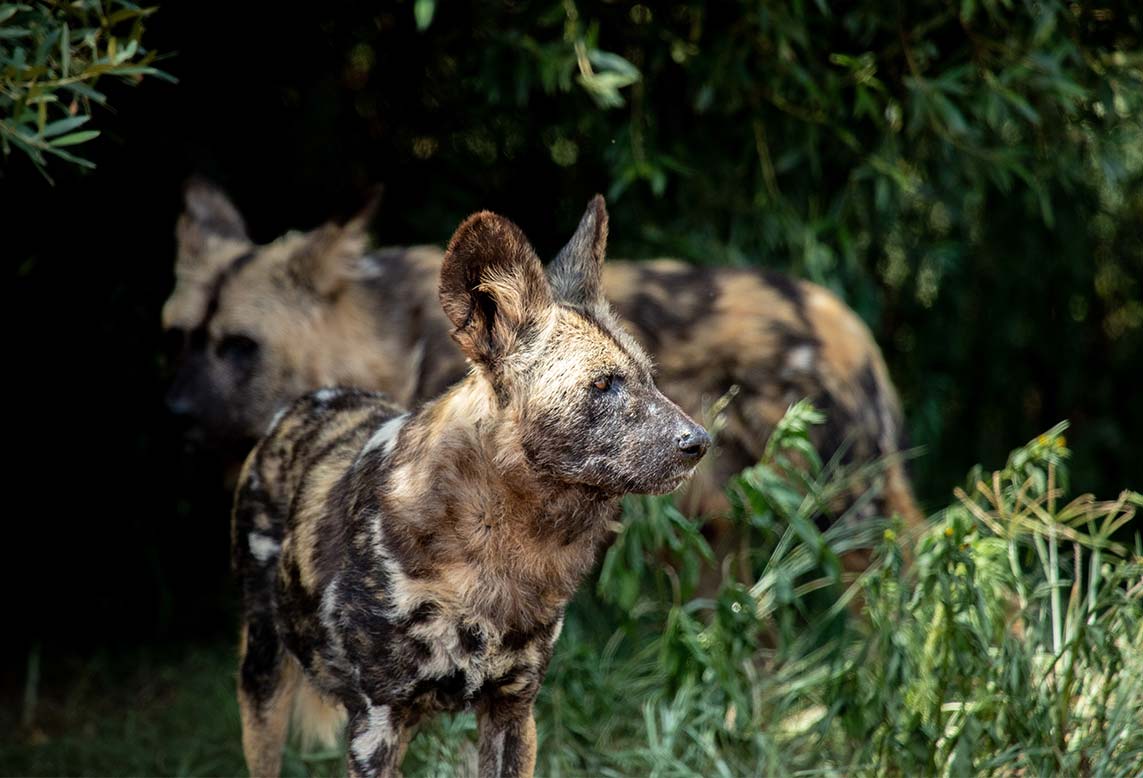
The African wild dog
Perhaps the most charismatic of all Africa’s predators, and among the most rarely seen. African wild dogs are highly mobile, covering enormous territories, and their populations have declined dramatically across the continent. Kenya holds small but recovering populations in Laikipia and in the conservancies around the Masai Mara. A wild dog pack hunt – cooperative, high-speed, and extraordinarily successful by predator standards – is one of the great wildlife spectacles. Finding one requires patience, local intelligence, and a guide with deep knowledge of the landscape, it cannot be guaranteed. When it happens, it is unforgettable.
The shoebill
Not an obvious name on the Kenya wildlife list, but worth knowing. The shoebill stork is occasionally seen in the wetlands of western Kenya. With a bill the size of a Dutch clog and a prehistoric bearing, it is one of those animals that stops a naturalist in their tracks. Kenya’s 1,100-plus bird species make it one of the finest birding destinations on earth.
Kenya was the birthplace of the modern photographic safari, and it has led the world in developing ethical wildlife tourism standards. The reasons to travel in Kenya are inseparable from the conservation story, because in Kenya, tourism revenue directly funds the protection of the wildlife that draws visitors in the first place.
Ethical tracking means never pressuring an animal, never cutting off an escape route, and never approaching on foot without a qualified guide. These rules exist not just to protect the wildlife, but to protect the quality of the encounter. The animals of Kenya are wild. The moment you stop treating them that way, the encounter loses everything that makes it worth having.
The best operators in Kenya, those we work with at Exclusive Expeditions, hold these standards seriously. Guides are trained in animal behaviour, tracking, and conservation ecology. They understand that a single good sighting, handled with patience and respect, is worth more than a dozen hurried ones. That philosophy runs through everything we do in Kenya.
Ready to experience the wildlife of Kenya? We design bespoke Kenya itineraries combining the Masai Mara, Laikipia, Samburu, and beyond, chosen for the quality of their guides and their commitment to ethical wildlife travel. Get in touch with the team to start planning.
Kenya pairs naturally with Tanzania for the full East Africa wildlife circuit, or with other African destinations, including Uganda for gorilla trekking and Botswana for the Okavango Delta. Find out what an expedition holiday actually is and whether it is right for you.
Your message has been submitted successfully.
Ready to start planning? Our specialists are here to help.
An expert field guide to Antarctica’s remarkable wildlife The first thing you notice at an Antarctic landing is the noise....
Read nowChiang Mai city guide: Ancient temples, mountain sanctuaries & Lanna culture Tucked into the misty mountains of Northern Thailand, Chiang...
Read nowVietnam Weather in February: Regional Climates, Ideal Seasons & Travel Advice Pack a jacket for Hanoi and sunscreen for Ho...
Read nowA single small island holds all of this: the world's densest population of leopards, herds of wild elephants numbering in...
Read nowWhat to pack for wildlife photography holidays: essential kit & field gear Capturing animals in the wild comes down to...
Read nowGuided Safaris in Mikumi National Park: Exploring Tanzania's Southern Wilderness Four and a half hours west of Dar es Salaam,...
Read nowAn expert field guide to Antarctica’s remarkable wildlife The first thing you notice at an Antarctic landing is the noise....
Read nowChiang Mai city guide: Ancient temples, mountain sanctuaries & Lanna culture Tucked into the misty mountains of Northern Thailand, Chiang...
Read nowVietnam Weather in February: Regional Climates, Ideal Seasons & Travel Advice Pack a jacket for Hanoi and sunscreen for Ho...
Read nowA single small island holds all of this: the world's densest population of leopards, herds of wild elephants numbering in...
Read nowWhat to pack for wildlife photography holidays: essential kit & field gear Capturing animals in the wild comes down to...
Read nowGuided Safaris in Mikumi National Park: Exploring Tanzania's Southern Wilderness Four and a half hours west of Dar es Salaam,...
Read now