

First Whale Watching Expedition Guide
What to know before your first whale-watching expedition Before you book your first whale watching trip, know this: nothing guarantees...
Read nowAsk anyone when the best time to visit Thailand is and they will say November to February. Cool, dry, perfect. And they are right, for the beaches. For Northern Thailand, to witness the jungles and hill tribe villages and mist-wrapped temples of Chiang Mai and Chiang Rai, the answer is more interesting than that.
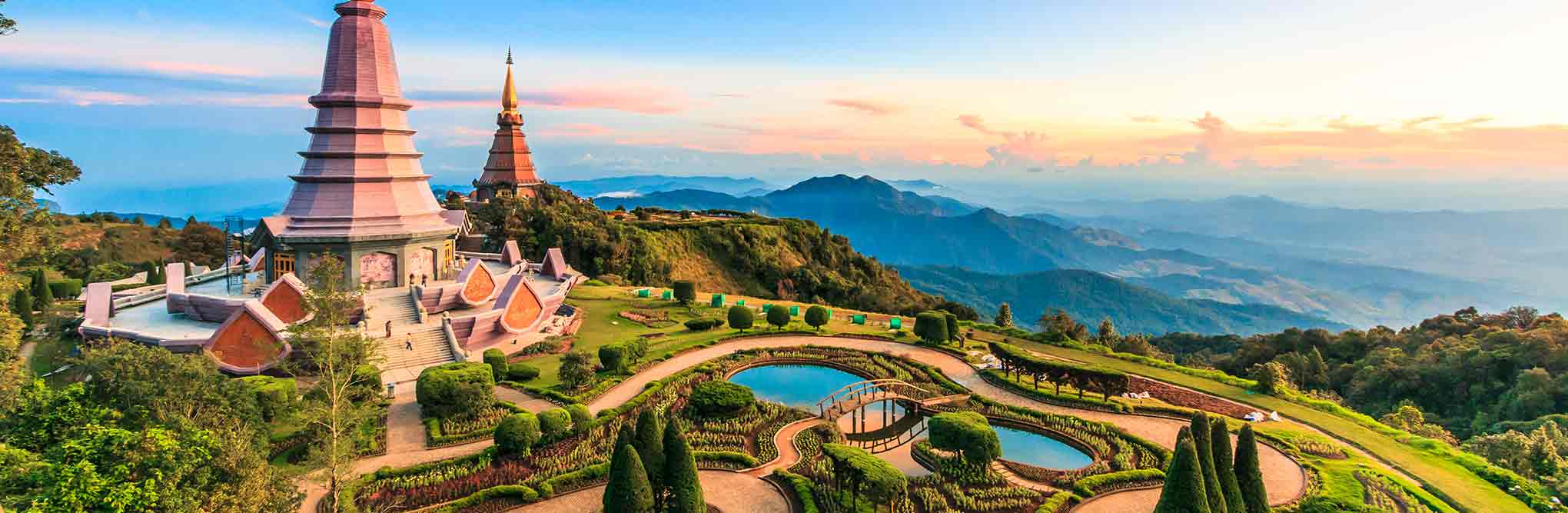
The green season, roughly from June to October, when the monsoon sweeps in from the southwest, is what most travellers avoid. However, they are missing something. The waterfalls are at full force. The forests are electric green. The rice paddies are flooded and mirror-flat. The crowds are gone. And for expedition-minded travellers willing to trade a little rain for a lot of authenticity, this is Northern Thailand at its most alive.
At Exclusive Expeditions, we design Thailand itineraries for travellers who want to go deeper than the standard route. Here is an honest guide to timing your trip.
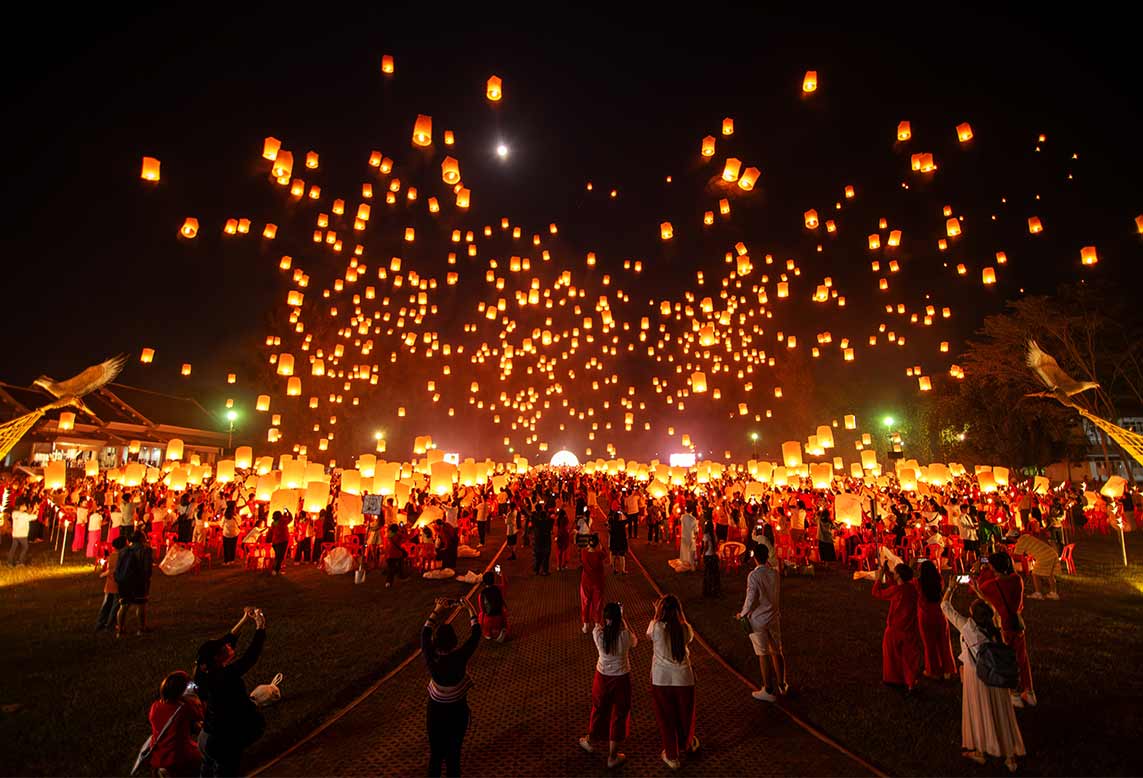
The conventional wisdom is not wrong. The cool, dry season, running from November through to early April, is genuinely the most comfortable time to travel across most of Thailand. Temperatures are lower, humidity is manageable, and the skies are reliably clear. The Loi Krathong lantern festival lights up Chiang Mai in November with a spectacle that belongs on any bucket list. The beaches of the Andaman coast, Phuket, Krabi, Koh Lanta, are at their best from November onwards.
This is also, unsurprisingly, when most visitors arrive. The temples of Chiang Mai fill up. The elephant sanctuaries are booked weeks ahead. The hilltop viewpoints at sunrise are shared with dozens of other tourists.
Good to know: Thailand’s climate varies significantly by region. The south and the Gulf Coast islands have their own distinct wet and dry seasons, largely out of sync with the north. The advice in this guide focuses on Northern Thailand, Chiang Mai, Chiang Rai, the Golden Triangle, and the hill tribe regions.

From June to October, the southwest monsoon brings regular rainfall to Northern Thailand – typically in afternoon downpours rather than all-day grey. Mornings are frequently clear, the rain that does fall transforms the landscape in ways that the dry season simply cannot replicate.
The waterfalls of Doi Inthanon National Park, Thailand’s highest mountain, are at full, thundering force. The terraced rice fields of Mae Hong Son province, stepped into the hillsides in luminous green, are freshly flooded and extraordinarily beautiful. The forest trails are alive in a way they are not when dry. The air smells different. The whole landscape is switched on.
Practically speaking, the green season is also significantly cheaper. Accommodation costs less. There are fewer tourists. Guides have more time for you. And the hill tribe villages of the Doi Suthep highlands and the Mae Wang valley are accessible without fighting for space with tour buses.
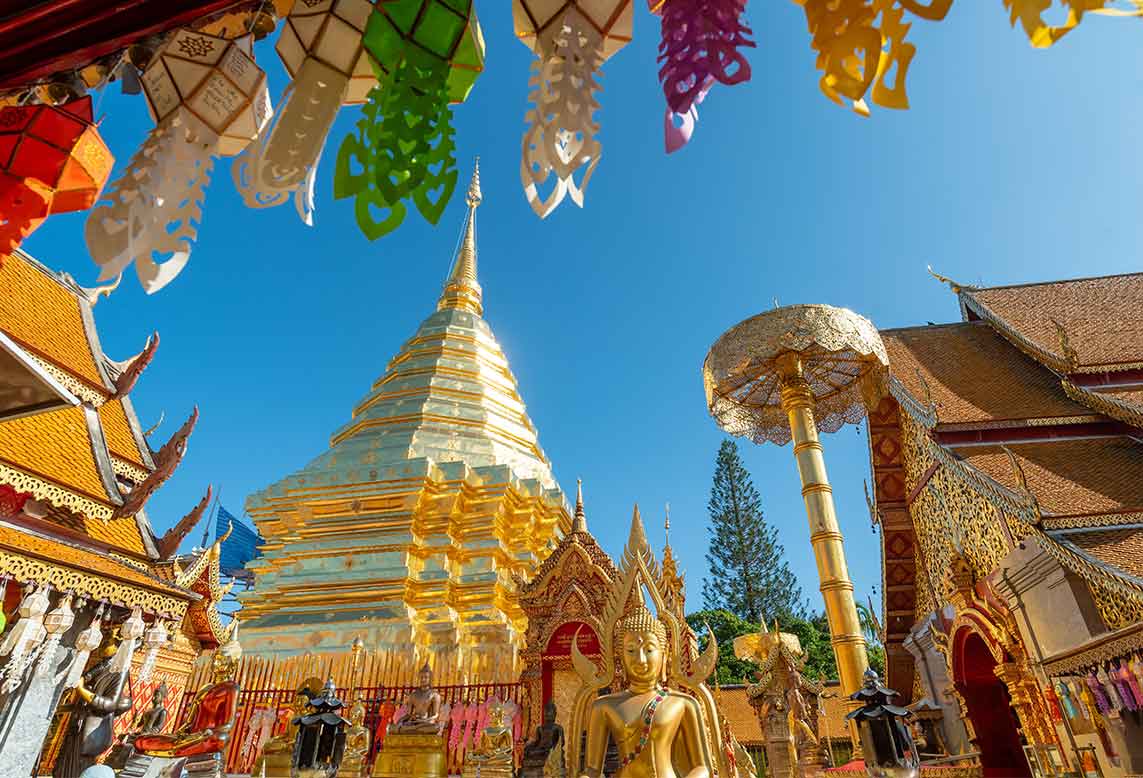
Chiang Mai is the base for most Northern Thailand expeditions, and it works surprisingly well in the green season. The old city, encircled by its ancient moat and walls, packed with temples dating back to the 13th century, is quieter and more atmospheric in the wet months. Wat Chedi Luang and Wat Phra Singh, two of the finest temple complexes in Southeast Asia, can be explored at a pace that the high season does not allow.
The cooking schools are easier to book. The Sunday Walking Street night market, running through the old city continues regardless of weather, and in the green season you share it with far more locals than tourists. The food is of the same extraordinary standard year-round. Although the mangoes are better in summer.
EE recommends: Time a green season visit to Chiang Mai to coincide with Asalha Puja in July, one of the most important Buddhist festivals of the year, marked by candlelit processions around the temples of the old city. It is far less well-known internationally than Loi Krathong, and all the more special for it.
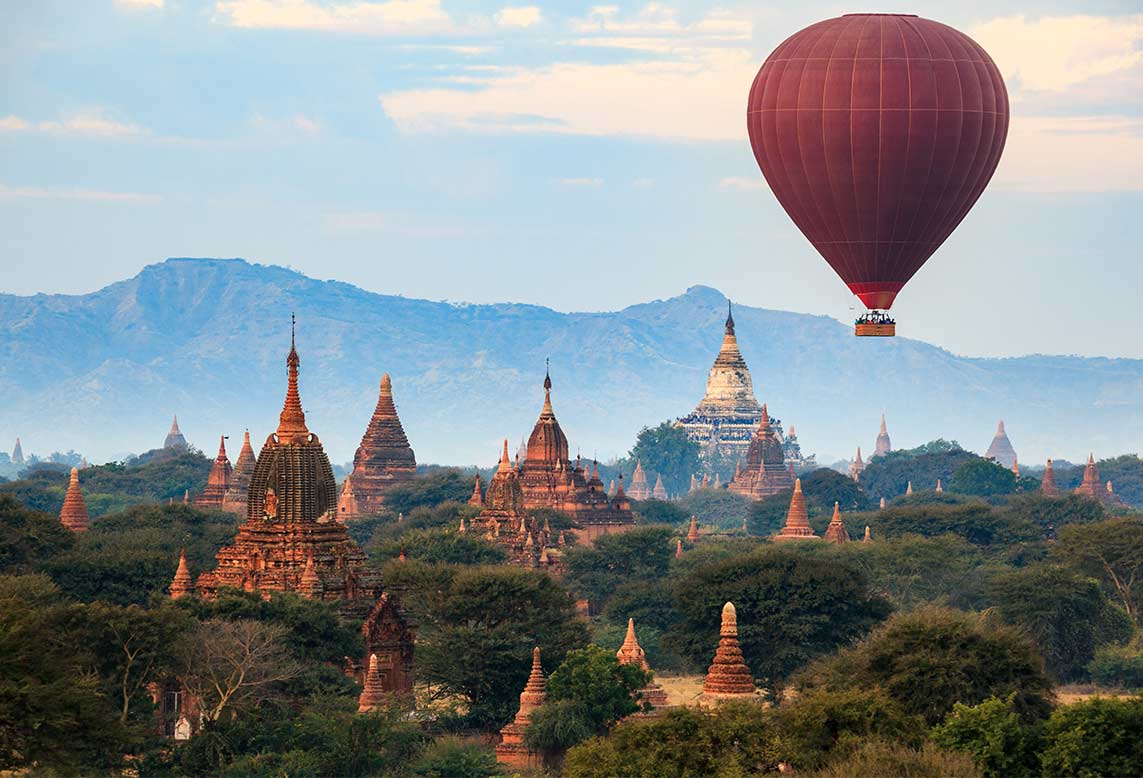
In the villages of Northern Thailand’s hill tribes, the Karen, Akha, Hmong, and Lisu communities of the highlands along the Myanmar and Laos borders, serious travellers find the real reason to come to this part of the country. These communities have distinct languages, traditions, and ways of life that have survived at the margins of the modern world. Visiting them properly requires time, good guides, and the willingness to go where most tourists do not.
In the green season, the highland routes are lush, the village life revolves around planting and tending crops, and communities are engaged in the rhythms of their agricultural year. It is a different experience from the dry season, more active, more rooted, more real. The paths can be muddy. The river crossings can be interesting. That is part of what makes it an expedition rather than a tour.
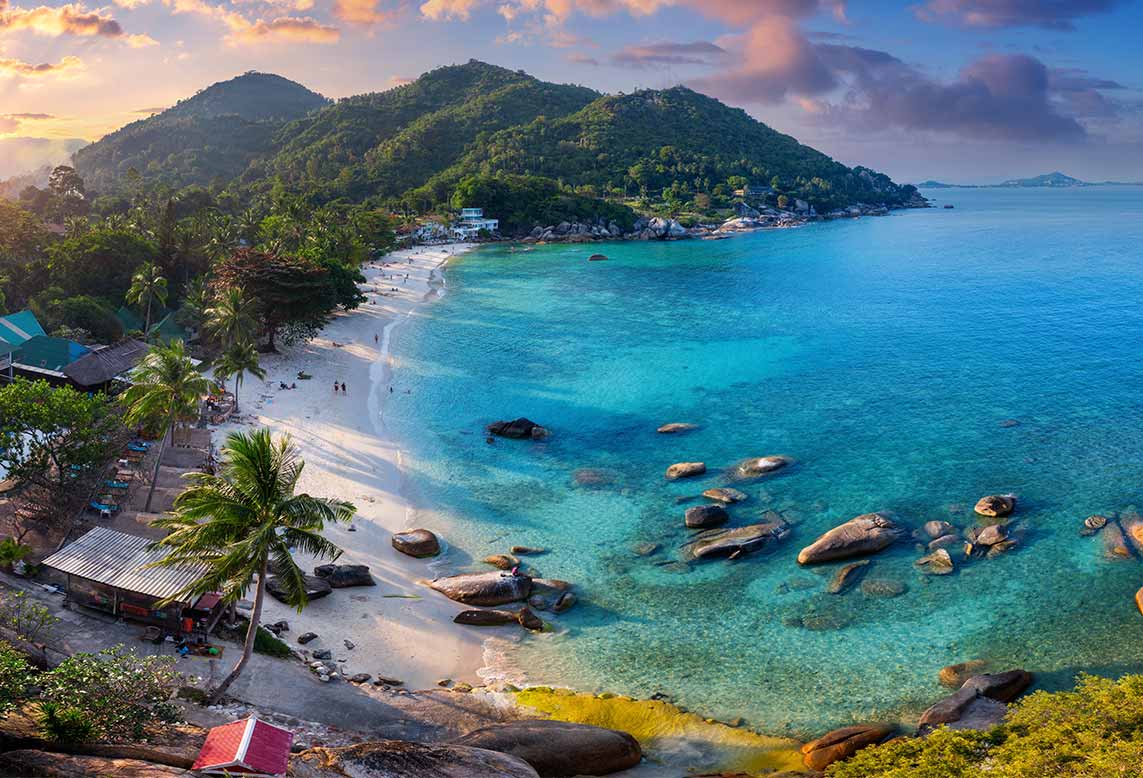
The green season argument applies specifically to the north. For the beaches and islands of southern Thailand, the dry season really is the best time to visit. The Gulf Coast islands of Koh Samui and Koh Pha Ngan actually run on their own weather pattern, with their wet season arriving in October and November, precisely when the Andaman coast is at its finest.
The honest answer to the question of the best season to go to Thailand is: it depends entirely on where you want to go. For the north, jungles, hill tribes, and the green season’s electric landscapes, June to October is genuinely compelling. For southern beaches, November to April. For a trip combining both, November threads the needle neatly.
Ready to plan your Thailand expedition? We build bespoke Thailand itineraries for every season, from green season northern trekking to dry season temple circuits and island extensions. Get in touch with the team to start planning.
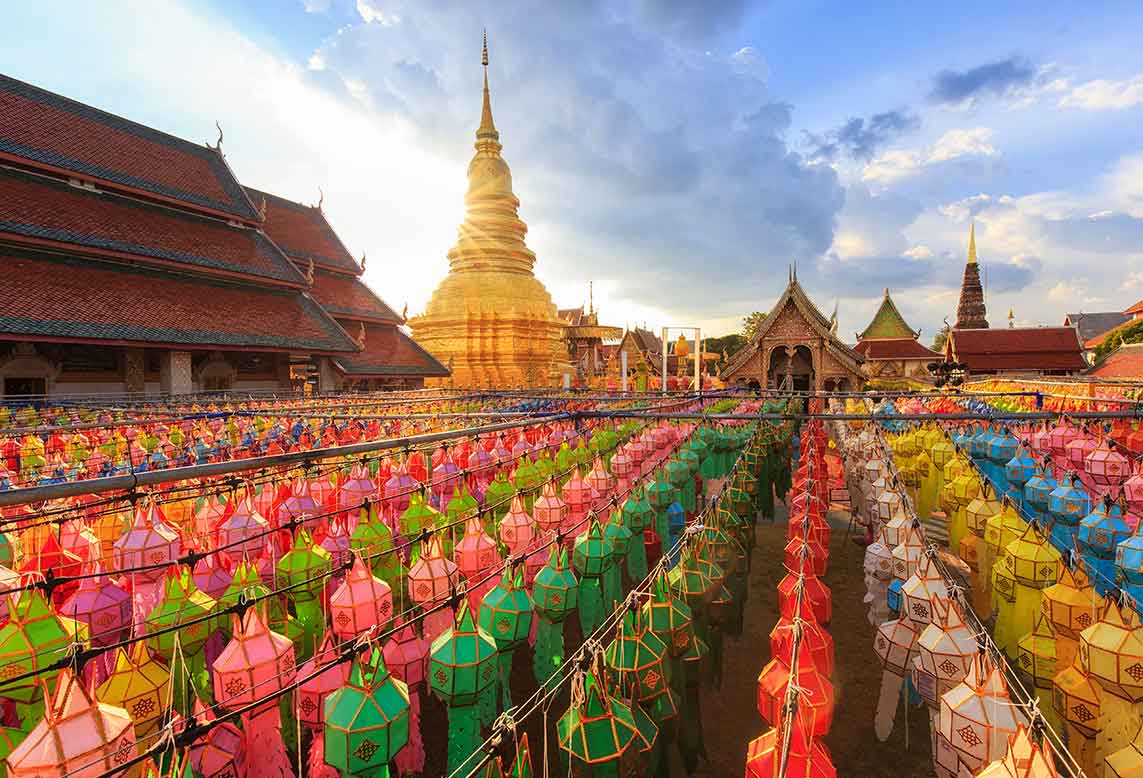
Thailand pairs naturally with other Asia expedition destinations, Borneo for wildlife, Japan for culture, or a wider Southeast Asia itinerary combining Thailand with Laos or Vietnam.
Find out what an expedition holiday actually is and whether it is right for you. Or explore our full range of our Japan and Asia itineraries.
Every journey we offer is handpicked by our specialists. These are the ones we recommend most.
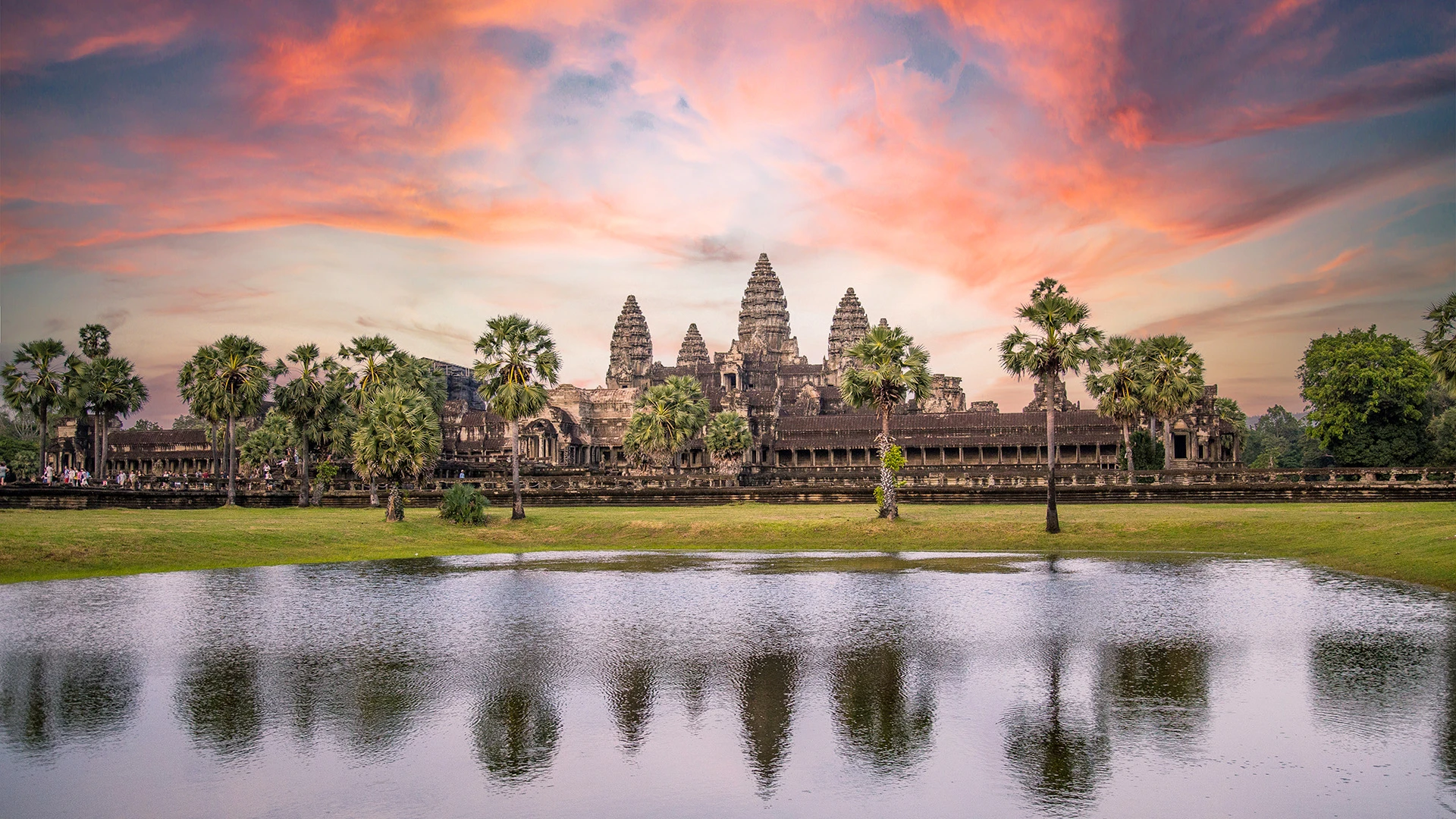
16 Nights From £8,800pp
A seamless adventure through Vietnam, Cambodia and Thailand with rich culture iconic temples, vibrant cities and Mekong river.
View detailsYour message has been submitted successfully.
Ready to start planning? Our specialists are here to help.
What to know before your first whale-watching expedition Before you book your first whale watching trip, know this: nothing guarantees...
Read now
How to choose the best safari reserve in South Africa: Private concessions vs Greater Kruger The right safari reserve in...
Read now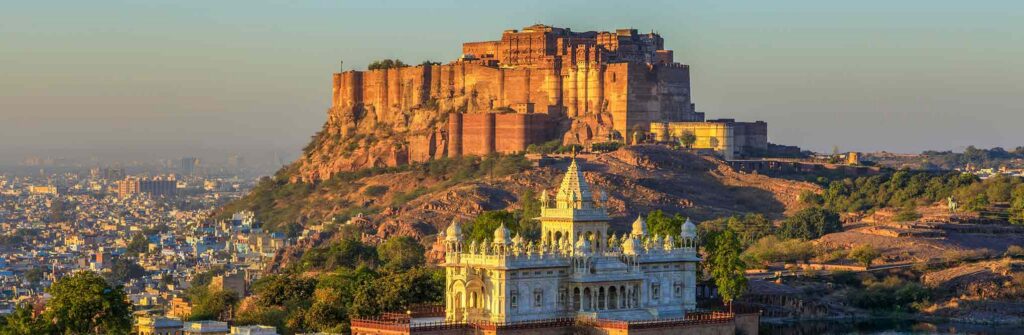
From Rajasthan to Britain: The Architecture and History of World-Famous Fortresses Across the arid plains of Northern India and the...
Read now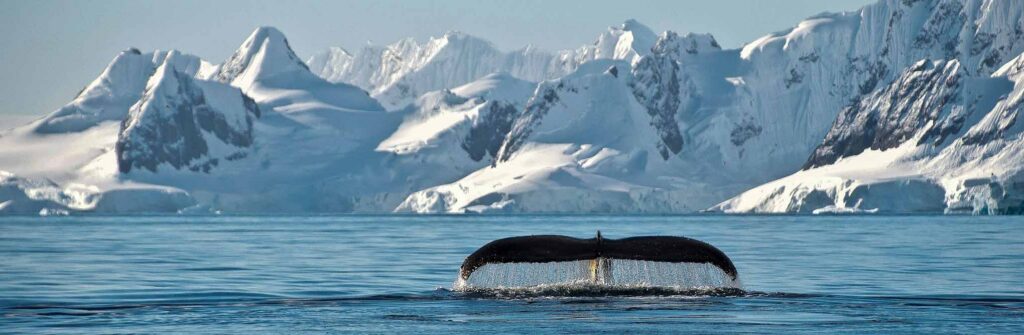
Antarctica whale watching: The best months to spot humpbacks, minkes & orcas There is no land route to Antarctica, and...
Read now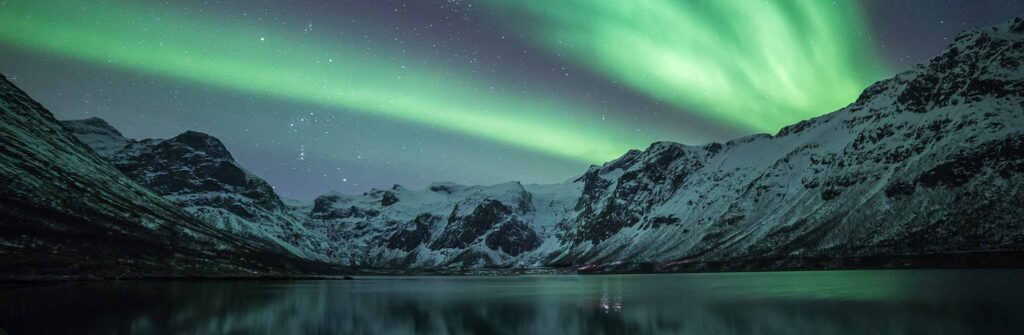
The best time of year to see the Northern Lights in Svalbard High above the Arctic Circle, halfway between mainland...
Read now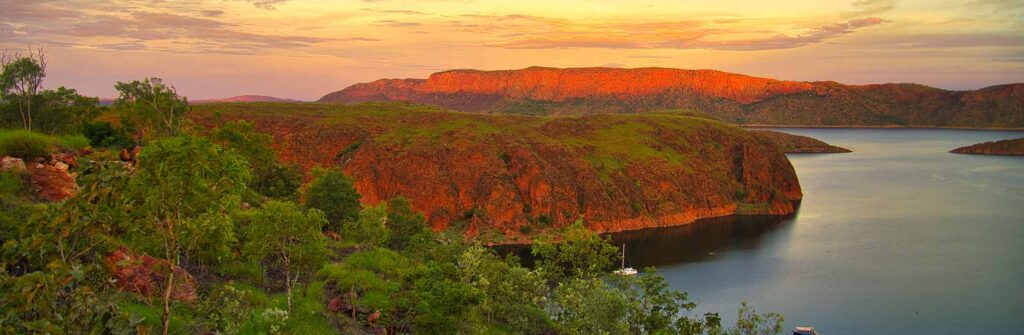
Extraordinary things to do in the Kimberley: National parks & wilderness expeditions In the far north of Western Australia, the...
Read now
What to know before your first whale-watching expedition Before you book your first whale watching trip, know this: nothing guarantees...
Read now
How to choose the best safari reserve in South Africa: Private concessions vs Greater Kruger The right safari reserve in...
Read now
From Rajasthan to Britain: The Architecture and History of World-Famous Fortresses Across the arid plains of Northern India and the...
Read now
Antarctica whale watching: The best months to spot humpbacks, minkes & orcas There is no land route to Antarctica, and...
Read now
The best time of year to see the Northern Lights in Svalbard High above the Arctic Circle, halfway between mainland...
Read now
Extraordinary things to do in the Kimberley: National parks & wilderness expeditions In the far north of Western Australia, the...
Read now