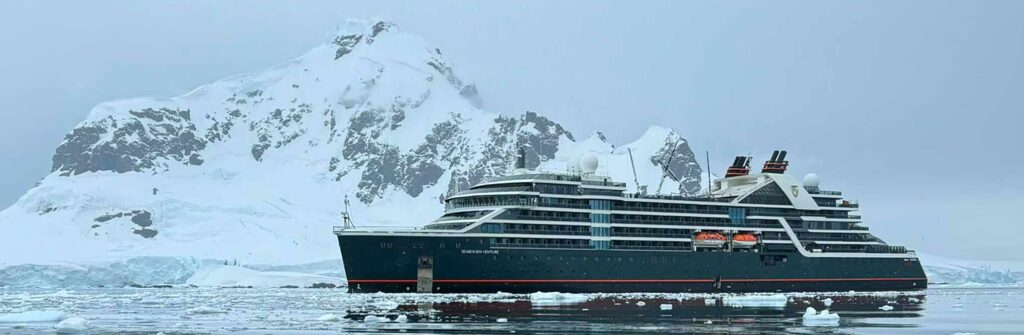
Wildlife in Antarctica
An expert field guide to Antarctica’s remarkable wildlife The first thing you notice at an Antarctic landing is the noise....
Read nowNew Zealand is one of those destinations where the question of timing can be complicated. The country is long and narrow, sitting in the path of the Roaring Forties, and the weather moves fast. One side of a mountain range can be in bright sunshine while the other disappears into clouds. Fiordland can receive 200 days of rainfall a year and still be spectacular. The South Island in winter looks like nowhere else on earth.
The short answer to ‘when is the best time to visit New Zealand’ is: it depends entirely on what you want to see and where you want to go. The longer answer is more interesting. At Exclusive Expeditions, we design New Zealand itineraries around exactly this question. Here is the honest version.
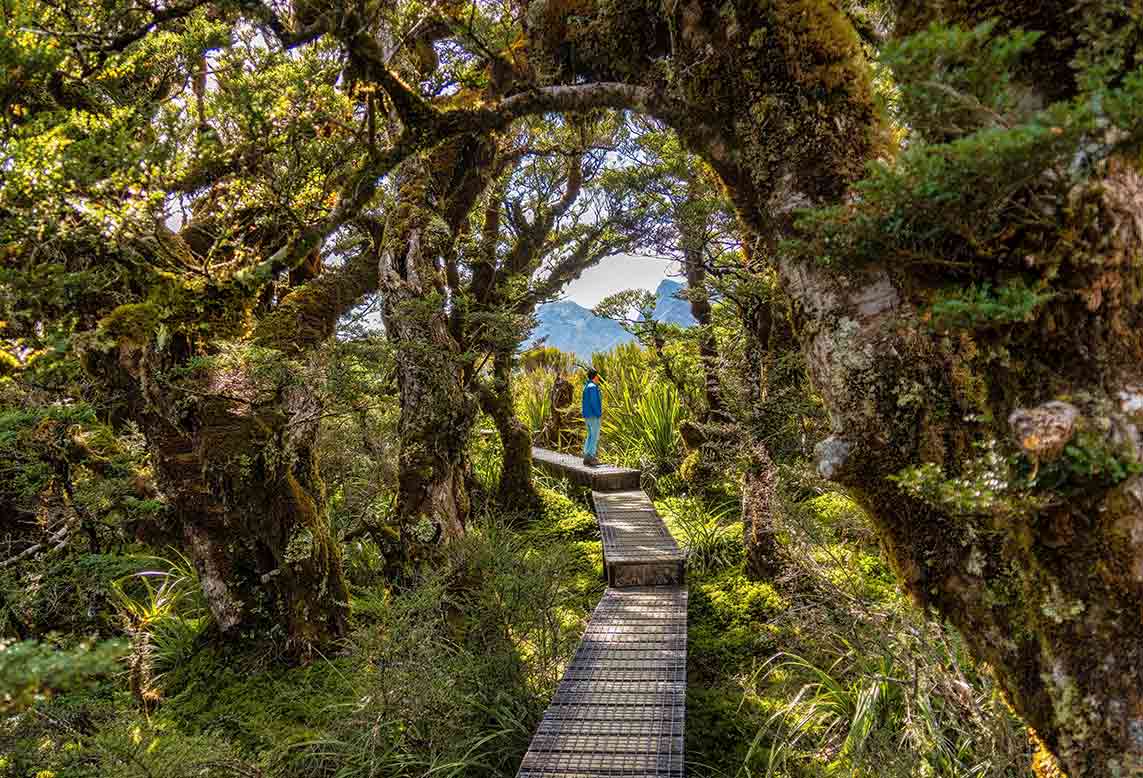
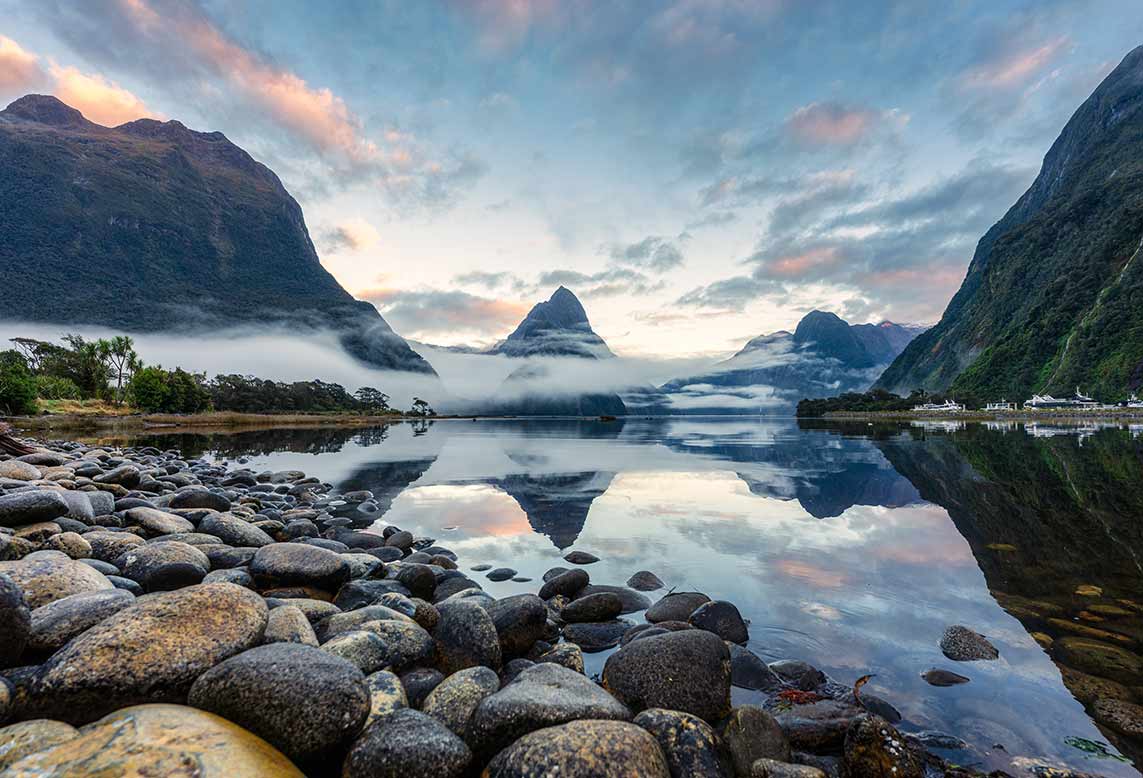
Summer is the peak season, and the reasons are obvious. Longer days, warm temperatures, and the best conditions for hiking the great walks. The Milford Track, the Routeburn, the Kepler – these are New Zealand’s most iconic multi-day trails, and they are at their most accessible at this time. Fiordland in summer is the version most people picture: mountains reflected in still water, waterfalls catching the low evening light, and dolphins in Milford Sound.
The West Coast of the South Island, that dramatic, rain-soaked strip of wilderness between the Southern Alps and the Tasman Sea, is also rewarding in summer. The Franz Josef and Fox glaciers descend to lower elevations here than almost anywhere else on earth. The combination of rainforest, glacier, and coastline within a few kilometres of each other is genuinely extraordinary, and summer brings the best conditions for guided glacier walks onto the ice itself.
Summer is also the best season to visit New Zealand for wildlife in the sub-Antarctic islands. Expedition cruises to the Auckland Islands and Campbell Island operate primarily in the southern summer, when colonies of royal albatross, yellow-eyed penguins, and Hooker’s sea lions are most active.
EE recommends: Book summer departures and the great walks as early as possible, ideally 12 months ahead for popular huts on the Milford and Routeburn tracks. These fill fast, and the experience is significantly better if you are not rushing or settling for second-choice accommodation along the route.
Autumn is quietly becoming the answer many experienced travellers give when asked about the best season to visit New Zealand. The crowds thin from March onwards. Temperatures stay comfortable. And the light changes, golden, lower, richer than the high summer glare, in a way that photographers specifically chase.
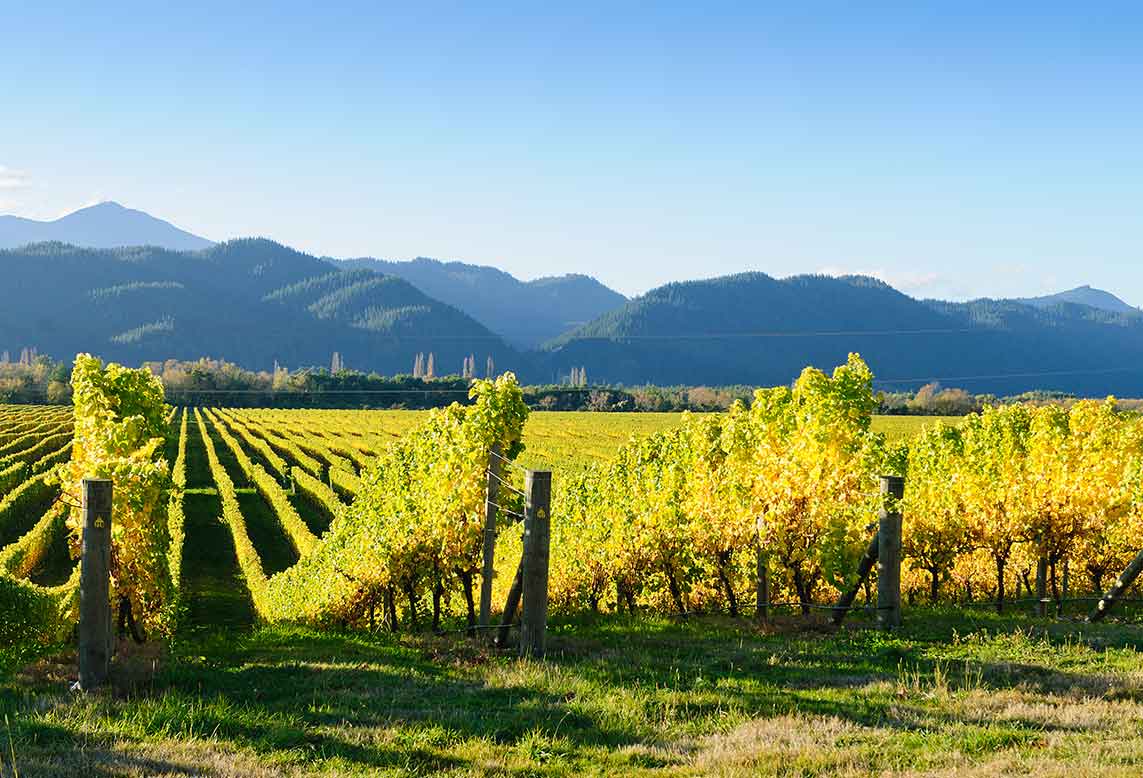
For the South Island, autumn delivers something summer cannot. The beech forests of the Marlborough Sounds turn copper and amber. The Central Otago wine region reaches harvest, with vineyards brilliant against the brown tussock hills. Queenstown in autumn is quieter, cooler, and considerably more atmospheric than its summer incarnation.
Fiordland in autumn rewards the traveller who accepts the weather rather than fighting it. The rain that characterises this region does not stop; it rarely stops at any time of year, but the waterfalls it creates are precisely what make Milford and Doubtful Sound so extraordinary. Arriving in drizzle to find a thousand temporary waterfalls streaming down vertical rock faces is, for many visitors, the more memorable experience.
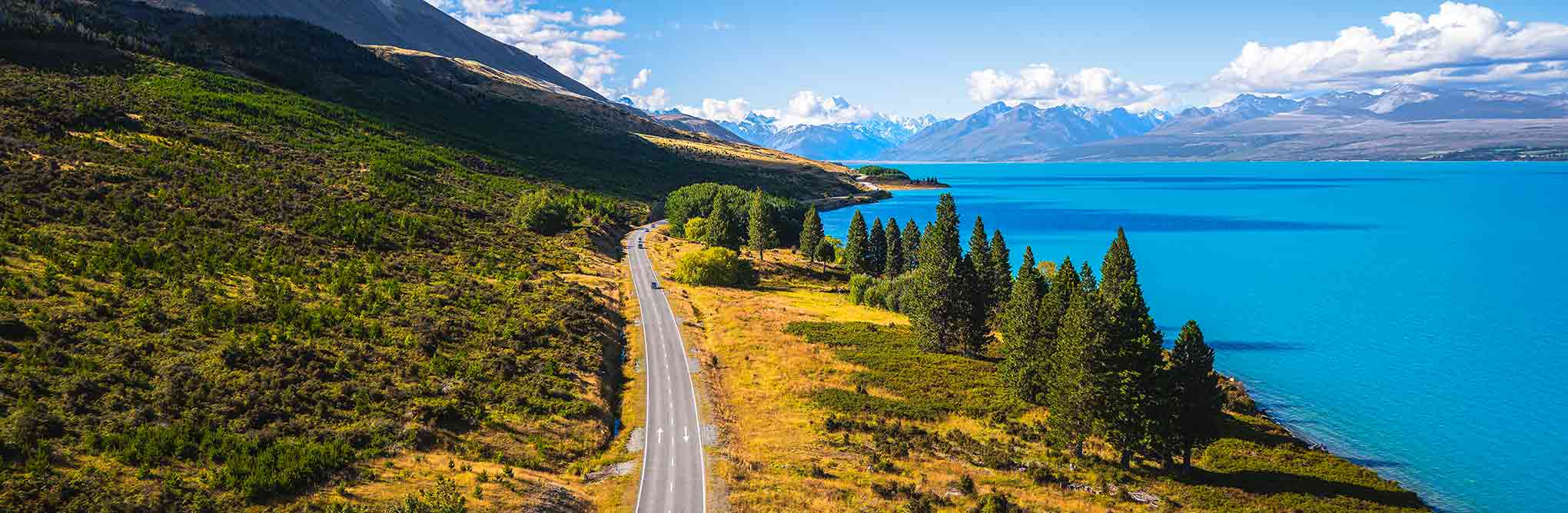
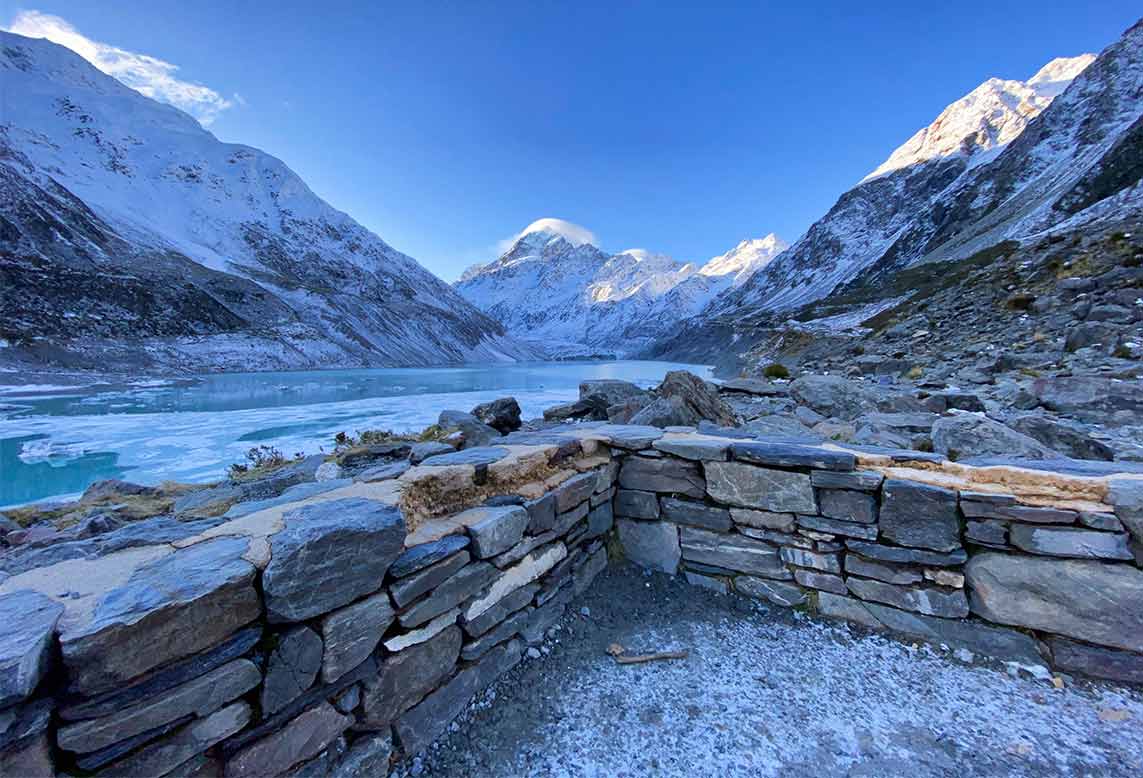
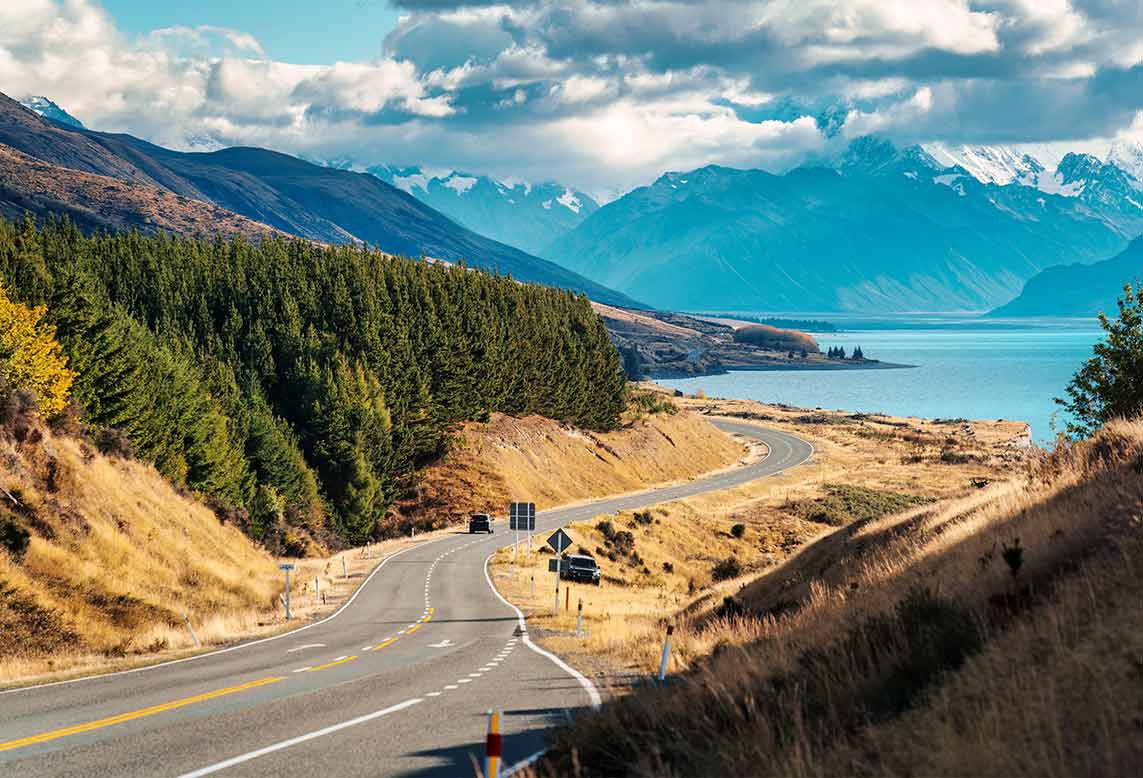
Winter is the best time to visit New Zealand for travellers who want the South Island’s mountains at their most dramatic. The Southern Alps under snow are extraordinary, a long serrated spine of white peaks running the length of the island, visible on clear days from the Tasman coast. Aoraki Mount Cook, at 3,724 metres the highest peak in Australasia, is at its most imposing in winter light.
Winter also delivers something for non-skiers. The Aoraki Mackenzie International Dark Sky Reserve covers 4,300 square kilometres of the Mackenzie Basin, offering some of the southern hemisphere’s finest stargazing. Winter nights here are long, cold, and brilliant with stars.
The North Island’s winter is milder. Rotorua’s geothermal landscape, boiling mud pools, geysers, and sulphurous air, is remarkable in any season. The Bay of Islands retains enough warmth for comfortable travel and is substantially less crowded than in the summer.
Good to know: New Zealand’s seasons are the reverse of those in the northern hemisphere. December to February is summer. June to August is winter. UK travellers planning a Christmas or New Year trip arrive at the height of the New Zealand summer, which makes timing easier than many expect.
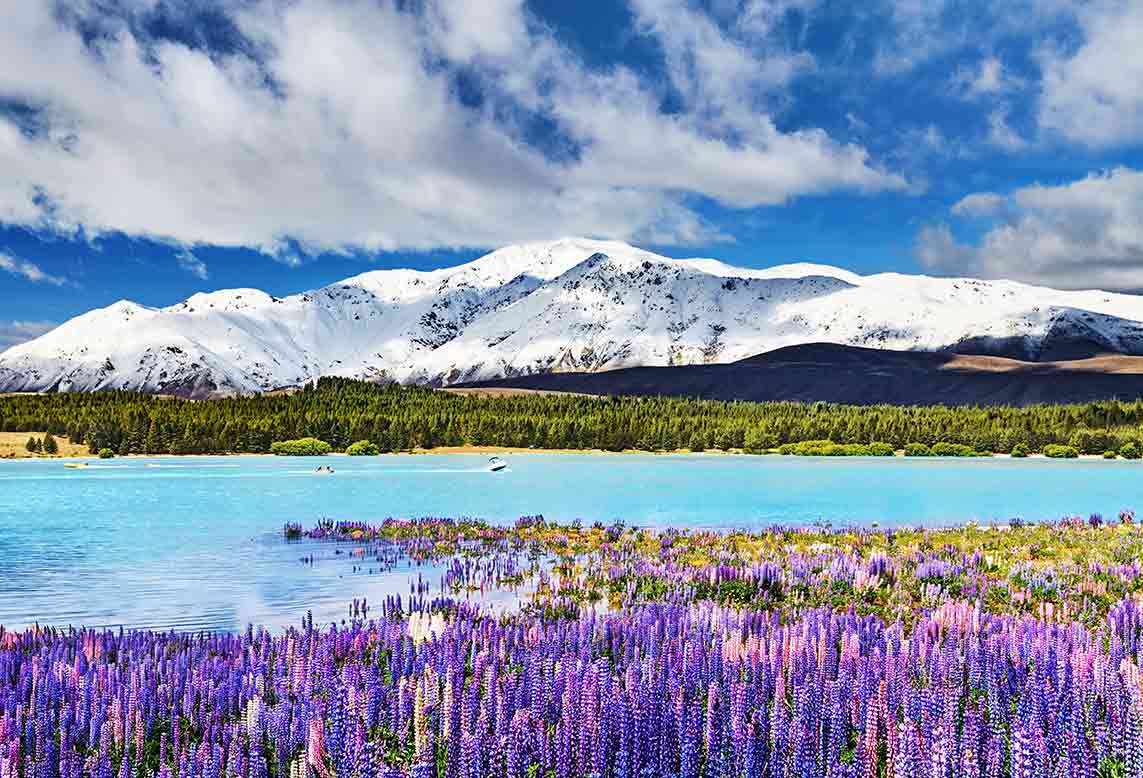
Spring in New Zealand arrives unevenly. September can still feel like winter in the South Island high country. By October, the lupins are blooming along the shores of Lake Tekapo, purple, pink, and orange against turquoise glacial water. By November, the South Island opens for the summer walking season.
Spring is also the best time to visit the Otago Peninsula near Dunedin, where the royal albatross colony at Taiaroa Head is returning from its oceanic wandering and yellow-eyed penguins are beginning their nesting season on the beaches below.
Fiordland deserves its own note, because it operates outside the normal seasonal rules. Milford Sound receives around seven metres of rainfall annually. Doubtful Sound receives more. The rain is not a reason not to go; it is the reason the landscape looks the way it does.
The best time to visit Fiordland is whenever you can get there. Helicopter access and overnight cruise options in Doubtful Sound mean the experience is available year-round. An overnight cruise on Doubtful Sound, sleeping on the water, listening to the rain on the hull, is one of the finest expedition experiences New Zealand offers, and it works in any season.
Ready to plan your New Zealand expedition? We design bespoke New Zealand itineraries for every season, from summer glacier walks and great track hikes to winter stargazing in the Mackenzie Basin. Get in touch with the team to start planning.
New Zealand pairs naturally with Australia, the Kimberley coast in particular, or with a sub-Antarctic expedition cruise for one of the world’s great back-to-back wildlife journeys.
Explore our full range of New Zealand holidays or find out what an expedition holiday actually is and whether it is right for you.
Your message has been submitted successfully.
Ready to start planning? Our specialists are here to help.
An expert field guide to Antarctica’s remarkable wildlife The first thing you notice at an Antarctic landing is the noise....
Read nowChiang Mai city guide: Ancient temples, mountain sanctuaries & Lanna culture Tucked into the misty mountains of Northern Thailand, Chiang...
Read nowVietnam Weather in February: Regional Climates, Ideal Seasons & Travel Advice Pack a jacket for Hanoi and sunscreen for Ho...
Read nowA single small island holds all of this: the world's densest population of leopards, herds of wild elephants numbering in...
Read nowWhat to pack for wildlife photography holidays: essential kit & field gear Capturing animals in the wild comes down to...
Read nowGuided Safaris in Mikumi National Park: Exploring Tanzania's Southern Wilderness Four and a half hours west of Dar es Salaam,...
Read nowAn expert field guide to Antarctica’s remarkable wildlife The first thing you notice at an Antarctic landing is the noise....
Read nowChiang Mai city guide: Ancient temples, mountain sanctuaries & Lanna culture Tucked into the misty mountains of Northern Thailand, Chiang...
Read nowVietnam Weather in February: Regional Climates, Ideal Seasons & Travel Advice Pack a jacket for Hanoi and sunscreen for Ho...
Read nowA single small island holds all of this: the world's densest population of leopards, herds of wild elephants numbering in...
Read nowWhat to pack for wildlife photography holidays: essential kit & field gear Capturing animals in the wild comes down to...
Read nowGuided Safaris in Mikumi National Park: Exploring Tanzania's Southern Wilderness Four and a half hours west of Dar es Salaam,...
Read now