

Wildlife in Antarctica
An expert field guide to Antarctica’s remarkable wildlife The first thing you notice at an Antarctic landing is the noise....
Read nowVietnam has over 3,000 kilometres of coastline. Most travellers see perhaps 50 of them, the same stretch of Da Nang, the same resort strip on Phu Quoc, the same beach clubs that could be anywhere in Southeast Asia. The best beaches in Vietnam are somewhere else entirely.
They are on islands that require a two-hour boat crossing to reach. In bays enclosed by jungle-covered limestone that see perhaps a dozen visitors on a busy day. On stretches of the central coast where the fishing villages are still the main reason anyone is there. Vietnam’s coastline is one of the most beautiful in Asia. Most of it remains almost entirely undiscovered. At Exclusive Expeditions, we build Vietnam itineraries that reach the version of the coast most travellers fly home without seeing. Here are five places to start.
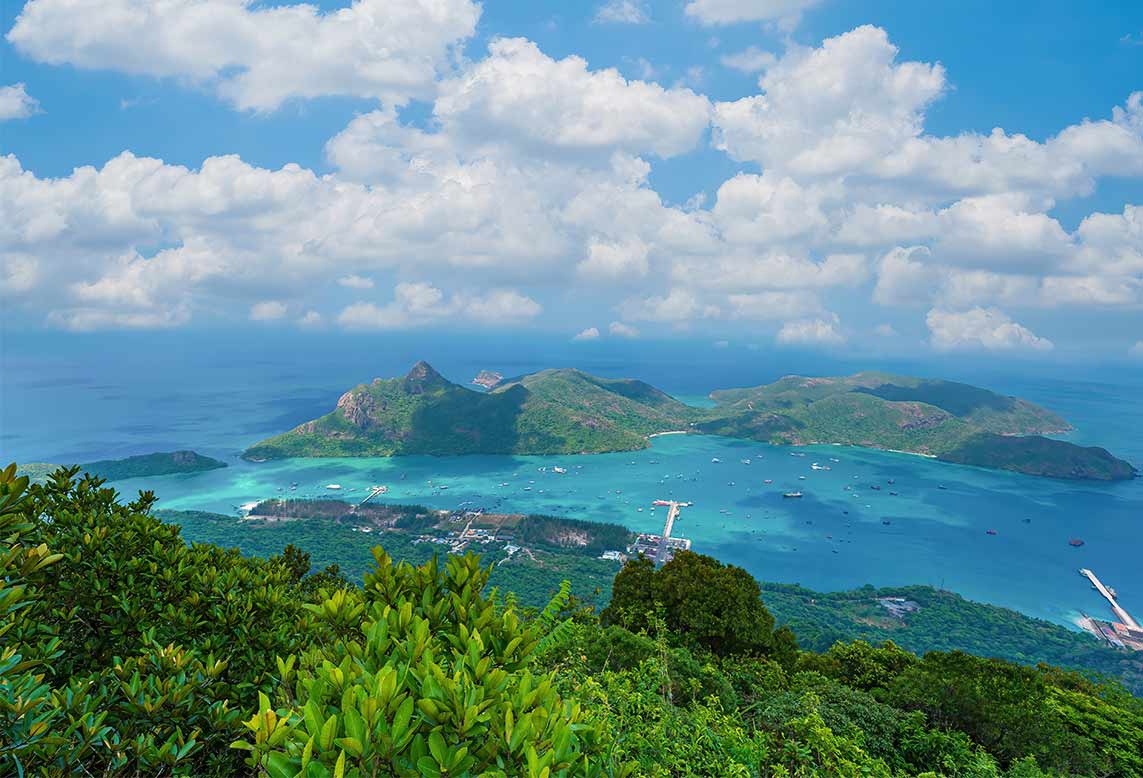
Con Dao sits 230 kilometres off the southern coast of Vietnam in the South China Sea. For most of the 20th century, it was known primarily as the site of a French colonial prison, one of the most brutal in Southeast Asia, and later a South Vietnamese detention facility. Today, it is one of the finest Vietnam beach resorts in the country, and one of the least visited.
The main island of Con Son has beaches of white coral sand backed by dense forest, fringing reefs, and a national park protecting nesting green sea turtles. The prison history is worth engaging with, the tiger cages remain as they were, giving the island a moral weight that most beach destinations do not have. There are no beach clubs. No strip of bars. Just the ocean, the forest, and the turtles.
EE recommends: Con Dao is best visited between November and April, when the weather on the southern coast is at its most reliable. The turtle nesting season runs from May to September, if you travel in this window, night walks with rangers to witness nesting females on the beach are an extraordinary experience. Explore our Vietnam featured journeys to see how Con Dao can be incorporated into a wider itinerary.
Nha Trang itself is one of Vietnam’s most developed beach cities, a long, busy strip of hotels and nightlife that draws domestic tourism in enormous numbers. But accessible only by speedboat from the city, Ninh Van Bay sits around the headland in a completely different world. There are no roads in. The hillside villas of the bay’s exclusive resort are reached by boat, and the bay itself, enclosed by granite boulders and jungle-covered slopes, with a beach of fine white sand, sees no passing traffic whatsoever.
This is what the best Vietnam beach resorts offer: total removal from surrounding infrastructure. Snorkelling on the bay’s reef is excellent. Kayaking around the granite outcrops is extraordinary. And the contrast with the city twenty minutes away by boat is total.
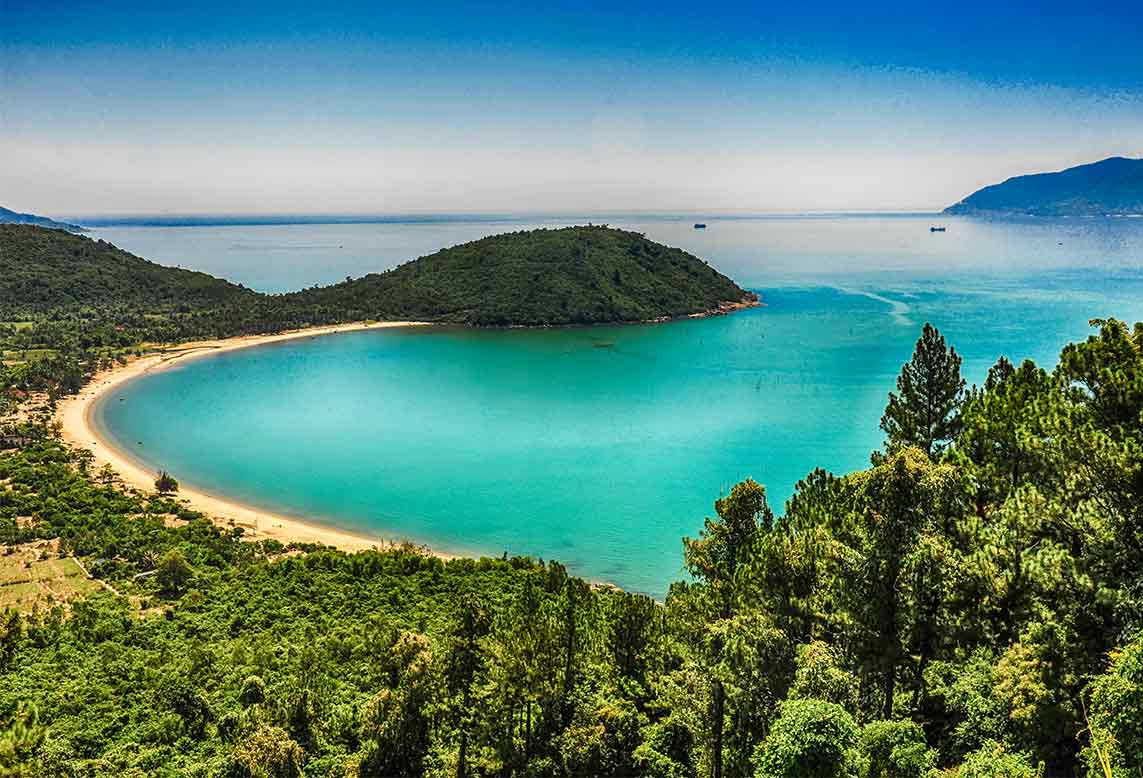
Lang Co sits on a narrow sand spit on the central coast, halfway between Hue and Da Nang, pinched between the Truong Son mountains and the Lap An lagoon. It is one of the most scenically extraordinary positions of any beach in Vietnam. mountains behind, a lagoon to one side, the South China Sea in front, and it remains almost entirely undeveloped outside a small number of high-quality resorts.
The beach itself stretches for several kilometres of fine sand with almost no development. Fishing boats work the lagoon. Buffalo grazes the fields behind the dunes. The Hai Van Pass, which climbs over the headland to the north and was described by Top Gear as one of the greatest drives in the world, is visible from the beach. Lang Co is the kind of place that travellers discover by accident and then spend years trying to get back to.
Good to know: Lang Co sits in one of Vietnam’s most climatically complex regions. The central coast has its own distinct wet season, running roughly from October to January, when the mountains trap rainfall from the northeast monsoon. The best time to visit is from February to August. Read our guide on the best time to visit Vietnam for a full breakdown by region.
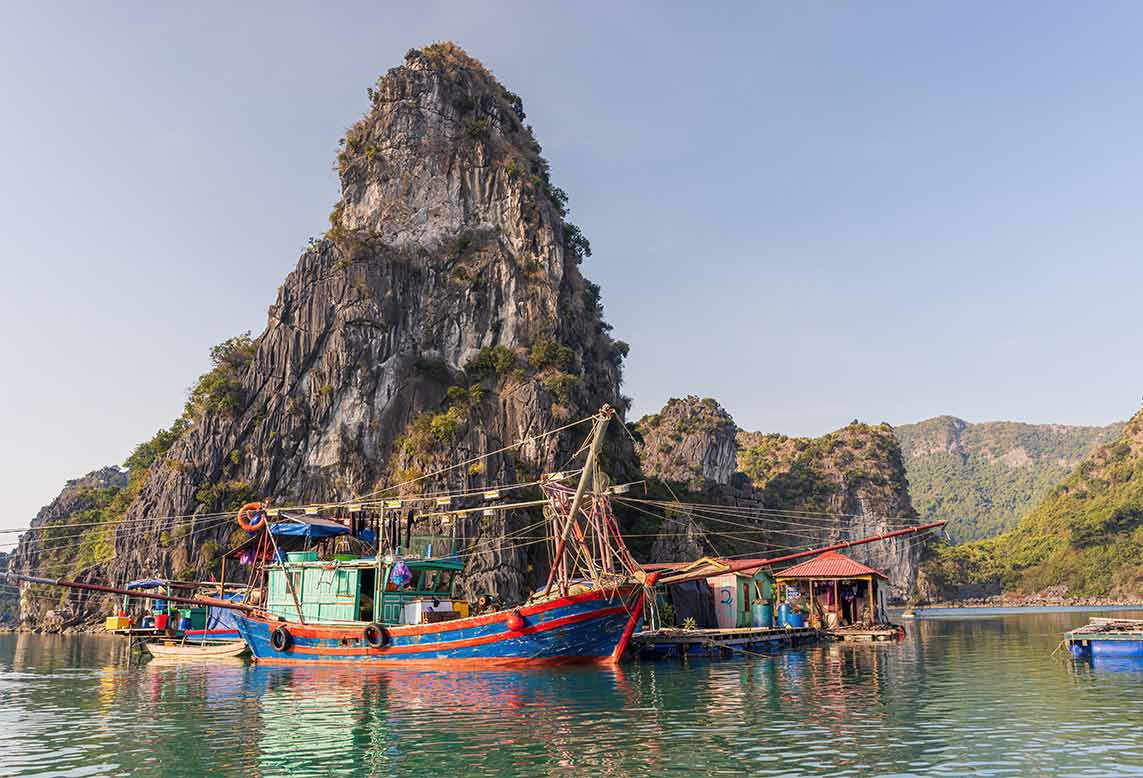
Ha Long Bay is magnificent and almost entirely overrun. The solution, well known among experienced Vietnam travellers, virtually unknown to first-timers, is Bai Tu Long Bay, which extends northeast from Ha Long and contains the same extraordinary karst limestone scenery with perhaps a tenth of the boat traffic. The natural wonders of northern Vietnam are concentrated here: limestone towers rising from flat water, hidden lagoons accessible only by kayak, beaches on uninhabited islands where the only footprints in the sand are your own.
The difference between Ha Long and Bai Tu Long is not theoretical. Anchor in a quiet bay in Bai Tu Long on an overnight cruise, and the silence after dinner is complete. The same anchorage in Ha Long Bay puts you within sight of fifty other vessels. For a destination where the whole point is the quality of the natural environment, that distinction matters enormously.
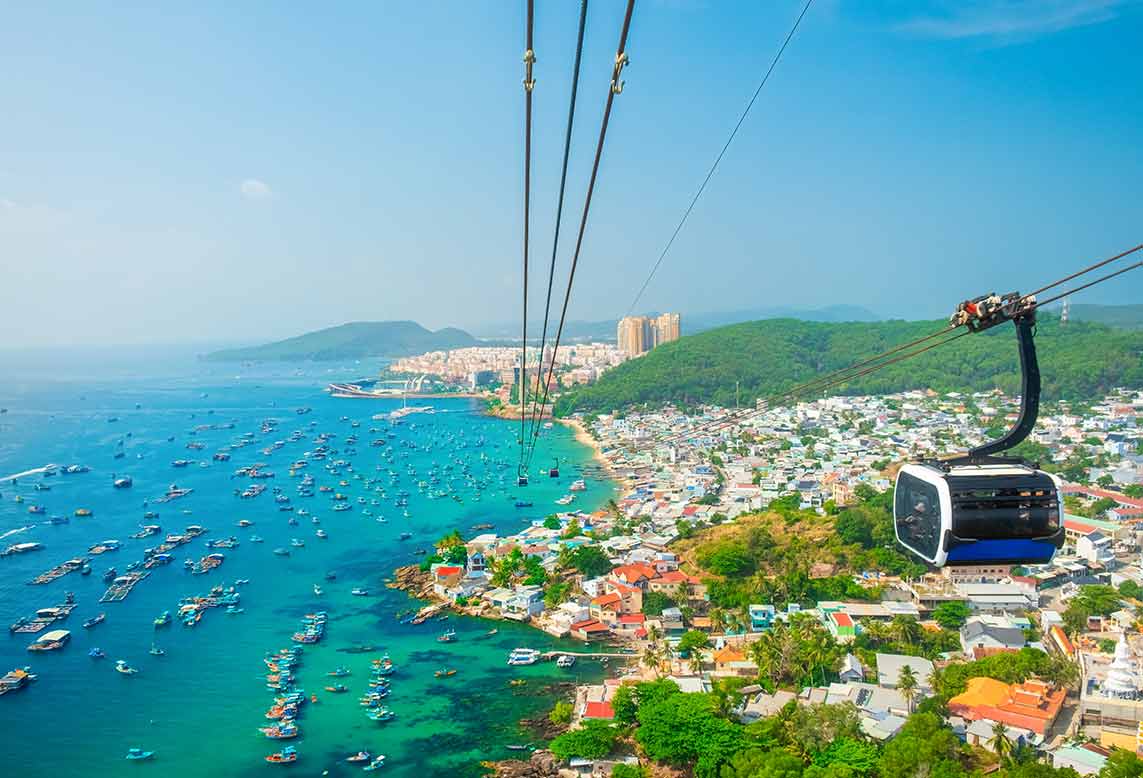
Phu Quoc is Vietnam’s largest island and increasingly well known, but the development is concentrated almost entirely on the southern and eastern coasts. The northern third of the island, protected within Phu Quoc National Park, remains largely untouched. Dirt tracks lead to beaches that see almost no visitors. The forest comes down to the edge of the sand. The water is clear, warm and unshared.
Reaching the north requires a motorbike, a guide, and a tolerance for unpaved jungle tracks. It is not a beach resort experience. It is the best beach experience in Vietnam, the version that rewards the traveller willing to go a little further than the sunlounger.
Ready to find Vietnam’s undiscovered coast? We design bespoke Vietnam itineraries that go well beyond the standard route, combining the best coastal retreats with the country’s cultural heartland and natural wonders. Get in touch with the team to start planning.
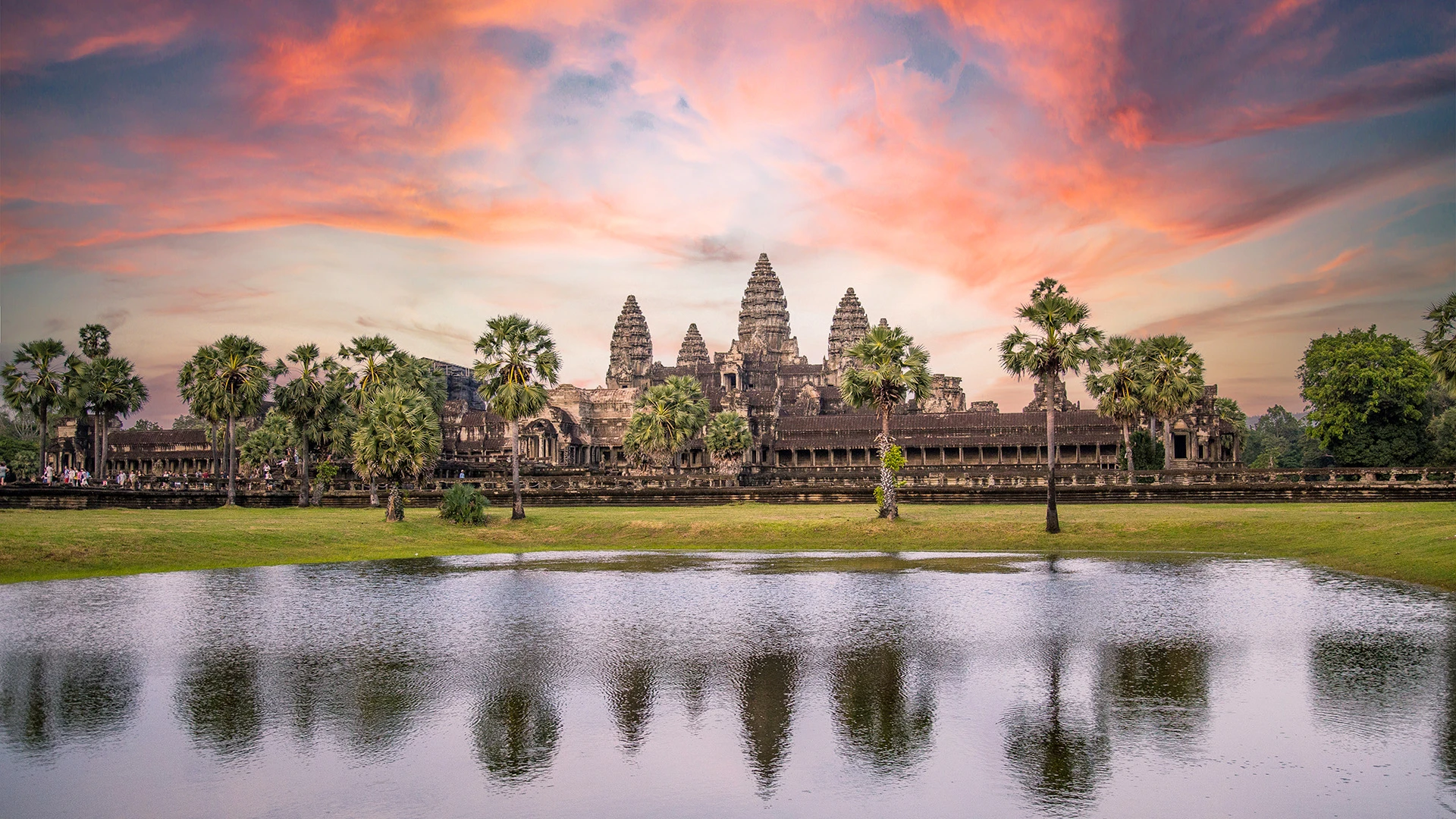
Vietnam pairs naturally with other Asia expedition destinations: Cambodia for Angkor Wat, Laos for the Mekong, or Japan for a broader Asia itinerary. Planning your timing? Read our guide to the best time to visit Vietnam before you book.
Every journey we offer is handpicked by our specialists. These are the ones we recommend most.
15 Nights From £6,280pp
Explore Vietnam and Cambodia with Halong Bay and luxury Heritage Line Mekong cruise, riverside life and iconic landmarks.
View details16 Nights From £8,800pp
A seamless adventure through Vietnam, Cambodia and Thailand with rich culture iconic temples, vibrant cities and Mekong river.
View detailsYour message has been submitted successfully.
Ready to start planning? Our specialists are here to help.
An expert field guide to Antarctica’s remarkable wildlife The first thing you notice at an Antarctic landing is the noise....
Read nowChiang Mai city guide: Ancient temples, mountain sanctuaries & Lanna culture Tucked into the misty mountains of Northern Thailand, Chiang...
Read nowVietnam Weather in February: Regional Climates, Ideal Seasons & Travel Advice Pack a jacket for Hanoi and sunscreen for Ho...
Read nowA single small island holds all of this: the world's densest population of leopards, herds of wild elephants numbering in...
Read nowWhat to pack for wildlife photography holidays: essential kit & field gear Capturing animals in the wild comes down to...
Read nowGuided Safaris in Mikumi National Park: Exploring Tanzania's Southern Wilderness Four and a half hours west of Dar es Salaam,...
Read nowAn expert field guide to Antarctica’s remarkable wildlife The first thing you notice at an Antarctic landing is the noise....
Read nowChiang Mai city guide: Ancient temples, mountain sanctuaries & Lanna culture Tucked into the misty mountains of Northern Thailand, Chiang...
Read nowVietnam Weather in February: Regional Climates, Ideal Seasons & Travel Advice Pack a jacket for Hanoi and sunscreen for Ho...
Read nowA single small island holds all of this: the world's densest population of leopards, herds of wild elephants numbering in...
Read nowWhat to pack for wildlife photography holidays: essential kit & field gear Capturing animals in the wild comes down to...
Read nowGuided Safaris in Mikumi National Park: Exploring Tanzania's Southern Wilderness Four and a half hours west of Dar es Salaam,...
Read now